How to Clean and Care for Your Colorful Gold Necklace
Discover expert tips to clean and maintain your colorful gold necklace. Learn safe methods for enamel, resin, and gemstone accents without damage.

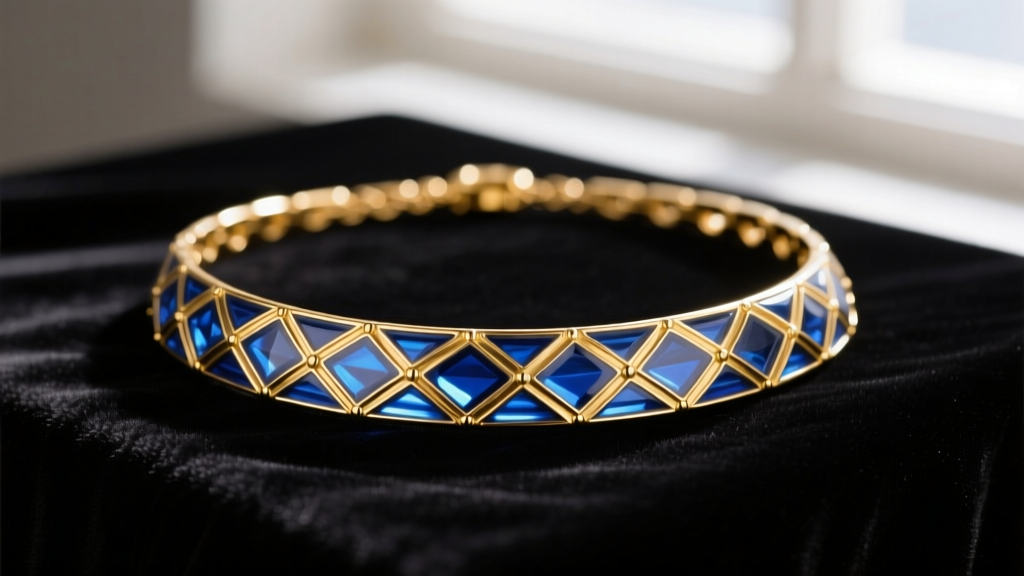
A colorful gold necklace is more than just a piece of jewelry; it is a wearable work of art. Whether your piece features intricate vitreous enamel, vibrant resin inlays, or a mosaic of multi-colored gemstones, the introduction of color to gold alloys fundamentally changes how the piece must be maintained. While pure gold and standard karat gold chains are relatively resilient, the colorful accents are often highly sensitive to heat, chemicals, and ultrasonic vibrations.
In this comprehensive guide, we break down the exact material science behind your jewelry's color and provide a master jeweler’s protocol for cleaning, storing, and preserving your colorful gold necklace for decades to come.
The Anatomy of Color in Gold Jewelry
To clean a piece properly, you must first identify the source of its color. According to the GIA Gem Encyclopedia, color in gold jewelry typically originates from one of three distinct material categories, each with unique vulnerabilities:
- Vitreous (Hot) Enamel: Finely ground glass powder fused to gold at temperatures exceeding 1,400°F. It offers brilliant, translucent color but is susceptible to thermal shock and impact.
- Cold Enamel & Resins: Epoxy-based compounds air-dried into gold bezels. While impact-resistant, they are highly vulnerable to solvents, UV degradation, and heat.
- Porous & Multi-Phase Gemstones: Inlays of turquoise, lapis lazuli, opal, or tourmaline. These stones possess varying Mohs hardness ratings and distinct cleavage planes that dictate their cleaning limits.
- PVD Coatings: Physical Vapor Deposition is used to create 'black gold' or rainbow titanium accents. This micron-thin coating can be stripped by abrasive polishing pastes.
Daily Wear and Preventative Maintenance
The most effective cleaning method is preventative care. A colorful gold necklace should always follow the 'Last On, First Off' rule. Perfumes, hairsprays, and lotions contain alcohols and aerosolized propellants that can slowly degrade cold enamel binders and leave a microscopic film over gemstone inlays, dulling their refractive index.
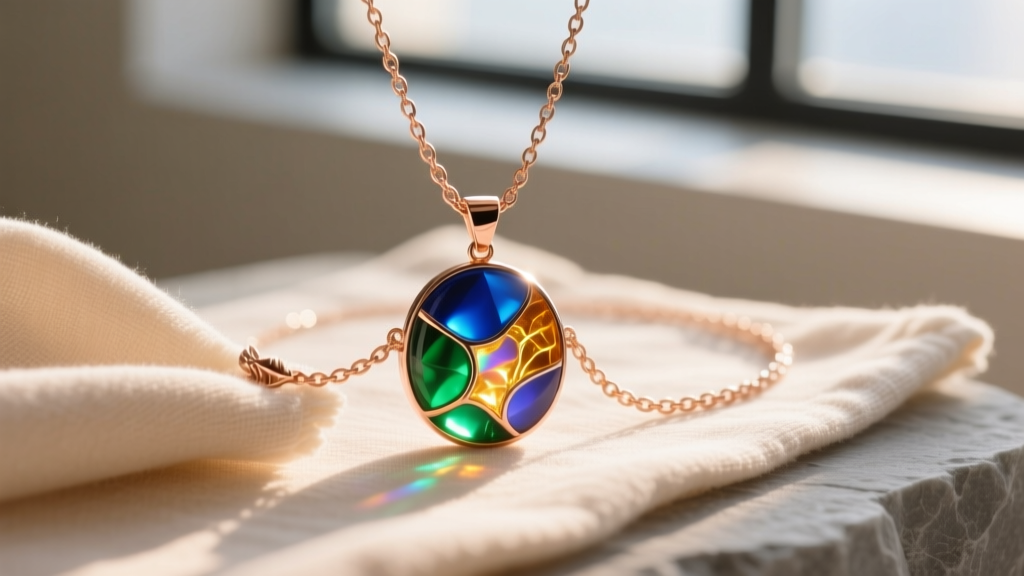
Furthermore, friction is the enemy of inlaid color. When layering your colorful gold necklace with heavier chain necklaces, ensure the enameled or resined pendant rests at least two inches apart from other metal clasps to prevent micro-scratches on the glass or resin surface.
Step-by-Step Cleaning Guide by Material
Never use a one-size-fits-all approach. Below are the specific protocols for safely washing your necklace based on its colorful accents.
1. Cleaning Vitreous (Hot) Enamel
Vitreous enamel is essentially glass. While it won't melt in your sink, it can suffer from 'crazing' (micro-fractures) if exposed to sudden temperature changes.
- Mix three drops of mild, phosphate-free dish soap (like Dawn) into a bowl of lukewarm water. Avoid hot water.
- Submerge the necklace for no more than 3 minutes to loosen sebum and skin oils.
- Use an extra-soft baby toothbrush to gently sweep the crevices where the gold bezel meets the enamel.
- Rinse under a gentle stream of lukewarm water and pat dry with a lint-free microfiber cloth. Never air-dry, as hard water spots will etch into the glass surface over time.
2. Caring for Resin and Cold Enamel Accents
Resin requires a strictly 'dry' or 'damp' cleaning method. Submerging resin-set jewelry can cause water to become trapped beneath the bezel, leading to a cloudy, irreversible white haze known as 'blooming'.
- Dampen a cotton swab with distilled water and a microscopic drop of mild soap.
- Gently roll the swab over the colorful resin surface.
- Immediately dry with a separate, clean cotton swab to prevent moisture migration.
3. Safe Washing for Porous Gemstone Inlays
If your colorful gold necklace features stones like turquoise or opal, avoid all liquid soaps. These stones are porous and will absorb the surfactants, leading to permanent discoloration. Instead, use a dry, untreated jewelry polishing cloth to gently buff the gold chain, carefully avoiding direct pressure on the gemstone cabochons.
Chemicals and Tools to Avoid at All Costs
The Gemological Institute of America (GIA) strictly warns against using commercial silver dips or ultrasonic machines on multi-material jewelry. Below is a breakdown of common household hazards and their specific failure modes on colorful gold pieces.
| Cleaning Agent / Tool | Effect on Gold Alloy | Effect on Color Accents |
|---|---|---|
| Ultrasonic Cleaners | Safe for solid gold, but loosens prong settings. | High-frequency cavitation shatters vitreous enamel and cracks opals. |
| Chlorine (Bleach/Pools) | Causes stress corrosion cracking in 14k/18k gold alloys. | Eats away at enamel binders; permanently dulls turquoise. |
| Steam Cleaners | Safe for plain gold chains. | Thermal shock melts cold enamel; causes thermal fracturing in tourmaline. |
| Isopropyl Alcohol | Safe for gold. | Dissolves the epoxy matrix of cold enamel and resin inlays. |
| Baking Soda Pastes | Mildly abrasive; scratches high-polish 18k gold. | Scuffs the surface of soft stones like lapis lazuli and malachite. |
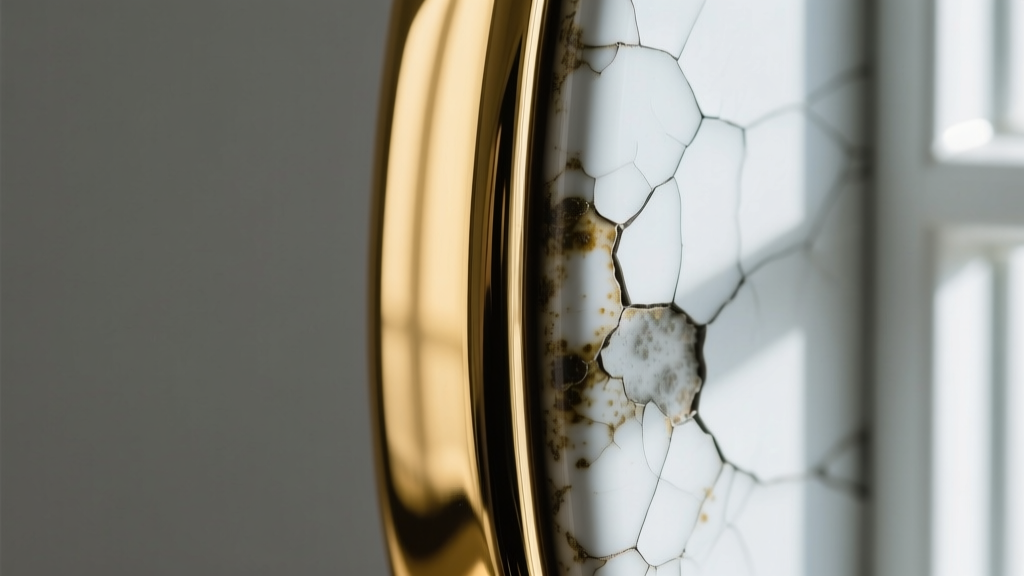
"Never place an enameled or resin-set piece into an ultrasonic cleaner. The high-frequency cavitation creates micro-fractures in the glass or resin matrix, leading to irreversible clouding and structural failure that no bench jeweler can reverse."
— Master Bench Jeweler & Conservation Guidelines
Troubleshooting Common Issues
Even with meticulous care, colorful gold necklaces can develop specific issues over time. Here is how to address them:
- Cloudy Resin: If your cold enamel has lost its gloss, it has likely suffered from UV exposure or microscopic scratching. A professional jeweler can carefully apply a micro-thin layer of jewelry-safe UV resin to restore the glass-like finish.
- Enamel Lifting: If you notice the glass enamel separating from the gold bezel, stop wearing the piece immediately. Moisture is getting underneath. A jeweler will need to remove the enamel, clean the gold substrate, and re-fire or re-set the piece.
- Dull Gemstone Inlays: If a turquoise or opal inlay looks chalky, it has been dehydrated. While you cannot 'rehydrate' a stone, a professional can apply a microscopic coat of optically clear, stable jeweler's wax to restore the color depth safely.
Professional Servicing and Storage
For deep cleaning or restoration, expect to pay between $75 and $150 for a professional ultrasonic and steam cleaning of the gold components (with the colorful accents carefully masked or removed by the bench jeweler). Re-enameling a damaged section of a high-end colorful gold necklace typically ranges from $200 to $600, depending on the complexity of the guilloché or cloisonné work.
When not being worn, store your necklace in an anti-tarnish flannel pouch. Keep it in a climate-controlled environment; extreme attic heat can melt cold enamels, while damp basements can cause the copper alloys in rose or yellow gold to oxidize, leading to verdigris buildup around the colorful inlays.


