How to Choose the Perfect Sterling Silver Sunflower Necklace
Discover how to choose a sterling silver sunflower necklace. Learn about 925 silver grades, chain types, pendant sizing, and care tips for lasting shine.

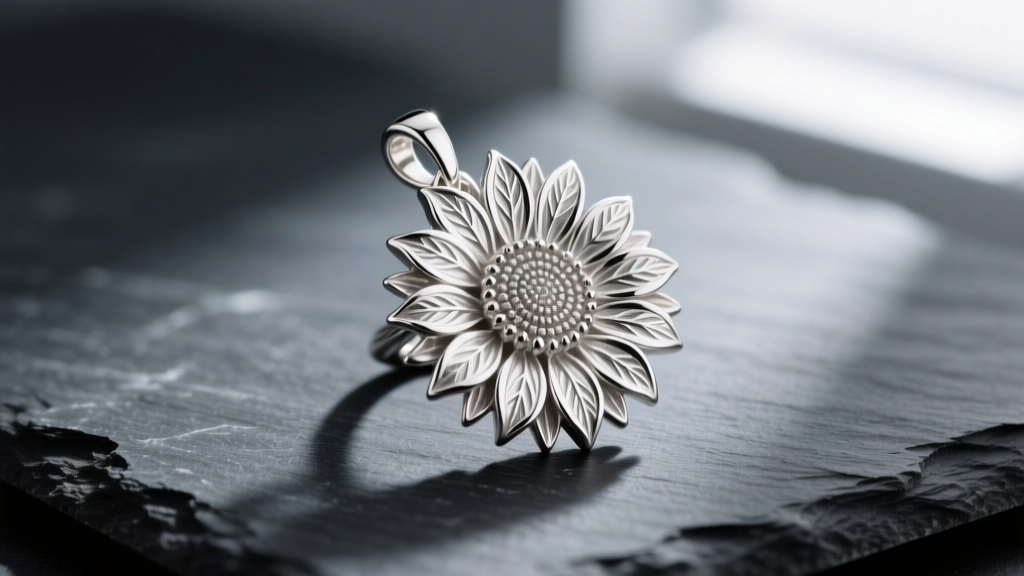
Botanical jewelry remains a cornerstone of versatile personal style, and the sunflower motif holds a special place for its associations with warmth, loyalty, and vibrant energy. When shopping for a sterling silver sunflower necklace, buyers are often overwhelmed by the sheer volume of options ranging from mass-produced fashion pieces to artisan-crafted heirlooms. Understanding the nuances of metal purity, casting techniques, and chain mechanics is essential to making an investment that lasts. This comprehensive buying guide breaks down exactly what to look for when selecting a high-quality sterling silver sunflower pendant, ensuring you find a piece that balances durability, aesthetic appeal, and structural integrity.
The Anatomy of a Quality 925 Silver Sunflower Pendant
The foundation of any premium silver necklace is its metal composition. Pure silver (999 fine silver) is too malleable for intricate jewelry; it bends easily and loses detail over time. Therefore, the industry standard for botanical pendants is 925 sterling silver, an alloy comprising 92.5% pure silver and 7.5% strengthening metals, usually copper. According to the Gemological Institute of America (GIA), this specific ratio provides the ideal hardness required to hold the delicate, paper-thin edges of sunflower petals without compromising the metal's natural luster.
Stamp Verification and Casting Methods
Always inspect the pendant for a quality stamp. A legitimate piece will bear a "925", "Ster", or "Sterling" mark, typically located on the flat back of the pendant or stamped onto the chain's clasp. Beyond the stamp, examine the manufacturing method. Die-striking produces flat, two-dimensional sunflowers that lack depth. Conversely, look for pendants created via lost-wax casting. This technique allows for three-dimensional sculpting, giving the petals a natural, overlapping curvature and the center seed head a realistic, textured dome.
Detailing Techniques: Oxidation vs. Enamel
The visual impact of a silver sunflower relies heavily on how the jeweler treats the metal's surface to create contrast. Because silver is naturally monochromatic, artisans use specific finishing techniques to mimic the flower's natural depth.
Oxidized Silver for Definition
Oxidation involves intentionally darkening the recessed areas of the silver using sulfur compounds. In a sunflower pendant, the crevices between the petals and the individual seeds in the center disk are blackened, while the raised surfaces are polished to a high shine. This high-contrast finish is highly recommended for buyers who prefer a vintage, rustic, or low-maintenance aesthetic, as oxidation naturally hides everyday scratches and tarnish.
Fired Enamel Accents
For those seeking a pop of color, enamel detailing is a popular choice. However, not all enamel is created equal. Avoid "cold enamel" (essentially a painted epoxy resin), which chips easily and degrades under UV exposure. Instead, seek out vitreous (fired) enamel, where glass powder is fused to the silver at high temperatures. A high-quality vitreous enamel sunflower will feature a rich, opaque yellow on the petals and a deep brown or black center that will not peel or fade over decades of wear.
Chain Selection: Matching the Bail and Proportions
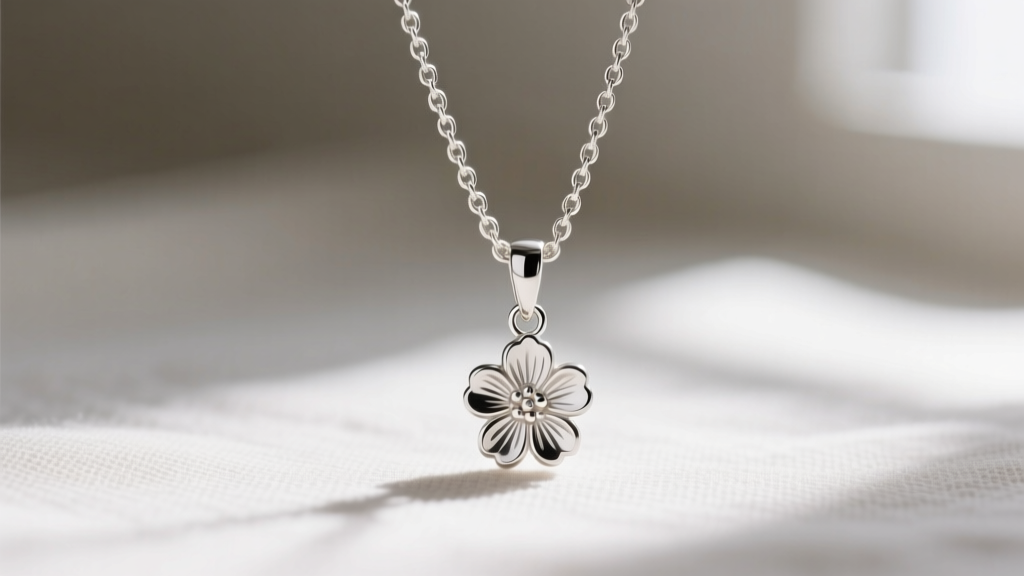
A common failure point in botanical jewelry is the chain snapping under the weight of a solid silver pendant. Sunflower pendants, especially those cast in solid 925 silver rather than hollowed out, carry significant visual and physical weight. The bail (the loop connecting the pendant to the chain) dictates your chain choice. A standard 3mm to 4mm bail requires a chain thick enough to support the pendant but thin enough to slide freely without catching.
| Chain Style | Recommended Gauge | Durability Rating | Best For |
|---|---|---|---|
| Box Chain | 1.0mm - 1.5mm | High | Everyday wear; resists kinking and supports up to 15g pendants. |
| Rope Chain | 1.2mm - 1.8mm | Very High | Heavier statement pieces; the twisted links reflect light beautifully. |
| Cable Chain | 1.5mm - 2.0mm | Medium | Minimalist designs; must be thicker to prevent the oval links from pulling apart. |
| Snake Chain | 1.5mm+ | Low | Avoid for heavy pendants; the tight rings easily dent and kink under pressure. |
Sizing the Sunflower: Diameter and Visual Weight
The diameter of the sunflower pendant drastically changes its styling potential. When browsing, pay close attention to the millimeter (mm) measurements provided in the product specifications, as photos can be highly deceptive.
Petite and Layering Sizes (10mm - 15mm)
Pendants in this range are subtle and lightweight, typically weighing under 3 grams. They are ideal for delicate collarbone-length chains (14 to 16 inches) and are perfect for layering with other botanical or geometric charms. Because the details are microscopic at this size, opt for simpler, less textured designs, as intricate seed patterns will be lost to the naked eye.
Statement and Solitaire Sizes (25mm - 40mm)
A sunflower pendant exceeding 25mm becomes a focal point. These pieces often weigh between 8 and 15 grams and require a sturdier chain, such as a 1.5mm rope chain. Statement sizes look best on longer chains (18 to 24 inches) that allow the flower to rest against the sternum. If choosing a large diameter, ensure the back of the pendant is slightly contoured or domed so it sits flush against the chest rather than flipping over constantly.
Gemstone Accents: What to Look For
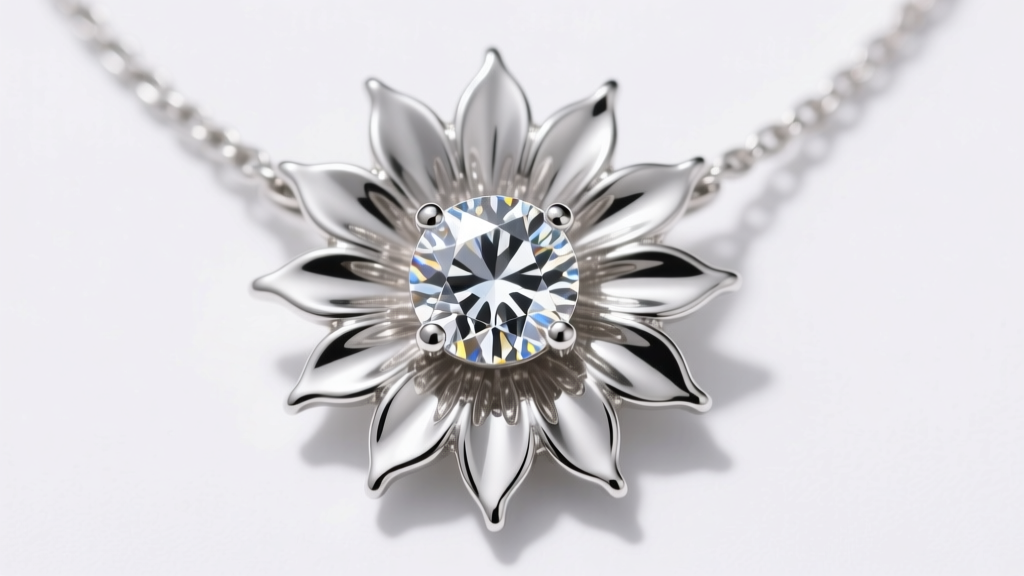
Many sterling silver sunflower necklaces incorporate a center gemstone to represent the flower's seeds or to add a touch of brilliance. The most common center stones include Citrine, Yellow Sapphire, Amber, and Cubic Zirconia (CZ). When evaluating gem-set pendants, the setting style is just as important as the stone itself.
For active individuals, a bezel setting—where a continuous rim of silver surrounds the gemstone's edge—is vastly superior to prong settings. Prongs on botanical jewelry frequently catch on knitwear and scarves, eventually lifting and losing the stone. Furthermore, if the pendant features a CZ center, ensure the stone is machine-cut rather than molded, which guarantees sharp facet junctions and optimal light return. As noted by Jewelers of America, verifying the security of the setting before purchase prevents costly repairs down the line.
Pricing Tiers and Brand Benchmarks
Understanding the market pricing for a sterling silver sunflower necklace helps you identify true value and avoid overpaying for poorly constructed items.
- Mass-Market / Fashion Tier ($25 - $45): Typically die-stamped, lightweight (under 2g), and feature thin, 0.8mm cable chains. Often plated with rhodium to delay tarnishing, but the plating will eventually wear off.
- Artisan / Cast Tier ($60 - $120): The sweet spot for quality. Features lost-wax casting, solid 925 silver, proper oxidation detailing, and durable 1.2mm box or rope chains. Pendants weigh between 4g and 10g.
- Premium / Gem-Set Tier ($150 - $300+): Includes genuine gemstones (like natural citrine or yellow sapphire), vitreous enamel work, and heavy, intricate 3D sculpting. Often finished with a thick rhodium dip for maximum tarnish resistance.
Tarnish Prevention and Daily Care
Sterling silver is prone to tarnishing when exposed to sulfur, moisture, and airborne pollutants. Because a sunflower pendant features deep grooves and textured petals, tarnish can quickly accumulate in the recesses, dulling the design. To maintain the piece, store the necklace in an airtight ziplock bag with an anti-tarnish silica or chalk strip when not in use. Avoid wearing the necklace in chlorinated pools or hot tubs, as harsh chemicals will cause irreversible surface pitting on the silver alloy. For routine cleaning, use a specialized silver polishing cloth, gently rubbing the raised petals while avoiding aggressive scrubbing in the oxidized crevices, which would remove the intentional dark contrast that gives the sunflower its dimensional beauty.


