A Beginner's Guide to Identifying a Vintage Bakelite Necklace
Discover how to identify, authenticate, and style a vintage Bakelite necklace. Learn testing methods, pricing, and era-specific designs in our guide.

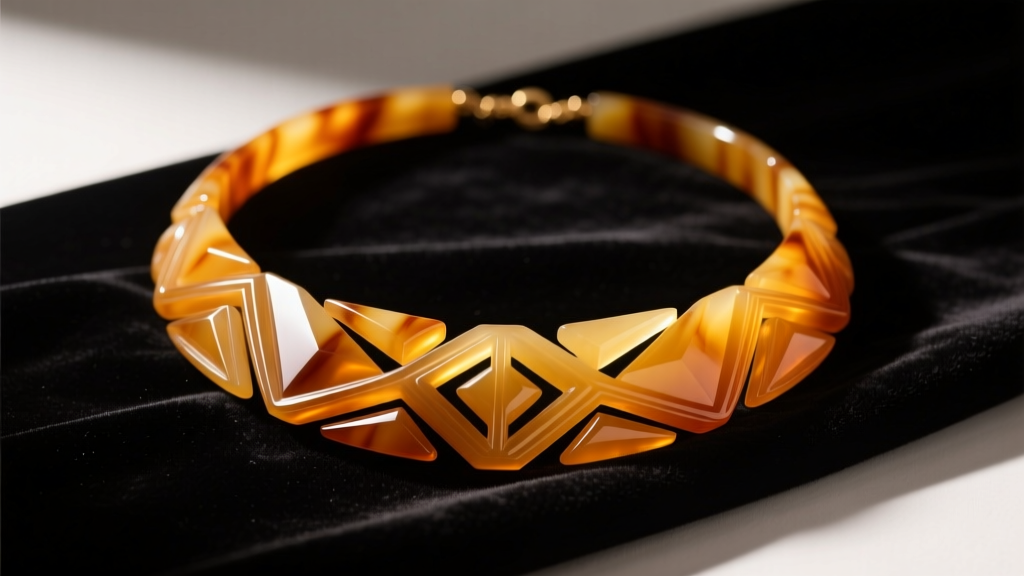
If you have ever browsed an estate sale or scrolled through online vintage jewelry auctions, you have likely encountered the term "Bakelite." Highly prized by collectors and fashion historians alike, a vintage bakelite necklace represents the golden age of early 20th-century costume jewelry. However, as the market for vintage plastics has surged, so too has the proliferation of modern reproductions—often dubbed "Fakelite" by seasoned collectors.
For beginners, navigating the world of vintage plastics can feel overwhelming. How do you tell a genuine 1930s carved piece from a modern resin cast? What should you expect to pay? This comprehensive guide will walk you through the chemistry, authentication frameworks, market pricing, and styling techniques you need to confidently buy and wear Bakelite jewelry.
What Exactly is Bakelite? The Chemistry and History
Invented by Belgian-American chemist Leo Baekeland in 1907, Bakelite was the world's first fully synthetic plastic. Unlike earlier semi-synthetics like celluloid, which were derived from plant cellulose, Bakelite was created through a chemical reaction between phenol and formaldehyde. According to the Metropolitan Museum of Art, this revolutionary material was a "thermosetting" resin. This means that once it was heated and molded into a shape, it could never be melted down or reshaped again.
During the 1920s and 1930s, Bakelite became the "material of a thousand uses," appearing in everything from radio casings to billiard balls. However, it was in the realm of jewelry that Bakelite truly shined. Designers like Coco Chanel and Elsa Schiaparelli championed the material, elevating it from a cheap industrial substitute to a bold, avant-garde fashion statement. Because it was cast in large tubes and blocks rather than injected into molds, early Bakelite jewelry was heavily reliant on hand-carving, lathe-turning, and meticulous hand-polishing, giving each piece a unique, artisanal weight and feel.
The 3-Step Authentication Framework for Beginners
Identifying a genuine bakelite necklace requires engaging multiple senses. Modern resins can mimic the color of vintage plastics, but they cannot replicate the density, acoustic properties, or chemical makeup of phenol-formaldehyde. Use this three-step framework to vet potential purchases.
1. The Olfactory Test (Hot Water)
The safest and most traditional method for identifying Bakelite is the hot water test. Run the piece under hot (not boiling) tap water for about 15 to 30 seconds, or rub it vigorously with your thumb to create friction heat. Bring the piece to your nose. Genuine Bakelite will emit a distinct, sharp chemical odor reminiscent of camphor, formaldehyde, or an old hospital. Modern acrylics and resins will either smell like nothing or give off a faint, sweet plastic scent.
2. The Chemical Test (Simichrome Polish)
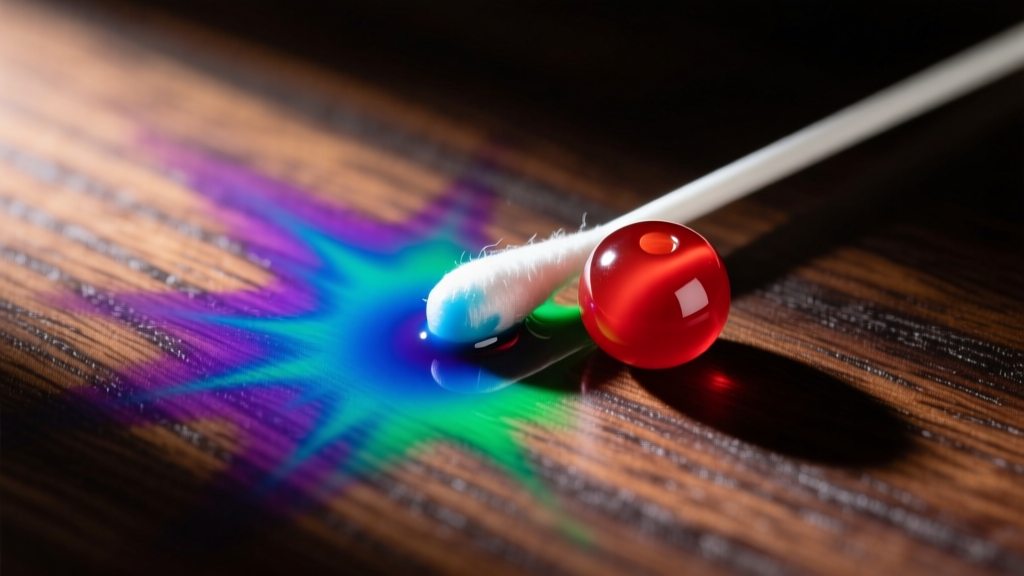
For a more definitive test, collectors rely on Simichrome metal polish. Dip a cotton swab into the pink Simichrome paste and gently rub it on an inconspicuous area of the necklace (like the back of a bead or the clasp ring). If the piece is genuine Bakelite, the oxidation on the surface will react with the polish, turning the swab a vivid, mustard yellow. Note: This test does not work well on black Bakelite or pieces that have been recently, aggressively repolished.
3. The Auditory and Visual Inspection
Bakelite is incredibly dense. If you gently tap two Bakelite beads together, they will produce a deep, resonant "clack" that sounds more like heavy wood, bone, or ceramic than plastic. Modern plastics yield a higher-pitched, hollow "click." Visually, inspect the beads for mold seams. Because vintage Bakelite was carved from solid cast blocks or sliced from tubes, you will never find a mold line running down the side of a genuine bead. Furthermore, look for a patina; vintage pieces often have a slightly darker, oxidized rind on the outside, while the inside of a carved groove may reveal a lighter, brighter original color.
Material Comparison Matrix
Use this quick-reference table to differentiate Bakelite from other common vintage and modern plastics you might encounter in the wild.
| Material | Primary Era | Mold Seams? | Weight & Sound | Hot Water Smell |
|---|---|---|---|---|
| Bakelite | 1920s - 1940s | Never | Heavy, deep "clack" | Camphor / Formaldehyde |
| Lucite (Acrylic) | 1940s - 1960s | Sometimes | Lighter, sharper click | Odorless |
| Celluloid | 1890s - 1930s | Often | Very light, papery click | Camphor (but highly flammable) |
| Modern Resin | 1980s - Present | Often | Variable, hollow click | Sweet or odorless |
Decoding Vintage Colors and Carvings
Bakelite necklaces are categorized not just by their shape, but by their specific colorways and carving styles. Understanding this terminology is crucial for assessing value.
- Apple Juice: A highly sought-after translucent yellow-brown that looks exactly like a glass of fresh apple cider. When held to the light, it glows.
- Butterscotch: An opaque, creamy yellow-to-orange hue. This is one of the most common and recognizable Bakelite colors.
- Cherry Amber: A deep, translucent red that mimics natural amber gemstones. It is incredibly striking and often used in faceted bead necklaces.
- End-of-Day: A marbled, swirled pattern created when factory workers mixed the leftover dregs of different colored vats at the end of the workday. No two End-of-Day necklaces are exactly alike.
- Philadelphia Style: The holy grail of Bakelite. These pieces were created by laminating multiple thin sheets of different colored Bakelite together, then carving through the layers to reveal striking, geometric, multi-colored patterns.
2026 Market Pricing Guide: What Should You Pay?
Pricing for a bakelite necklace varies wildly based on color, carving complexity, and condition. While the pandemic-era antique boom has stabilized, high-quality pieces continue to appreciate. Here is a realistic pricing matrix for the current market:
- Simple Butterscotch Bead Strands (1930s): $75 – $250. Great entry-level pieces for beginners.
- Carved Apple Juice or Cherry Amber Links: $300 – $850. Prices scale with the depth and intricacy of the hand-carved motifs (like stars, shields, or florals).
- End-of-Day Marbled Bangle or Necklaces: $400 – $1,200. Highly dependent on the aesthetic appeal of the color swirls.
- Philadelphia Laminated Necklaces: $2,500 – $15,000+. Museum-quality investment pieces. According to historical jewelry archives, the most complex Philadelphia pieces command premium auction prices globally.
Care, Storage, and Failure Modes
Bakelite is remarkably durable, but it is not invincible. The most common failure mode for vintage plastics is crazing—a network of microscopic surface cracks caused by extreme temperature fluctuations or prolonged exposure to UV light.
Never put a Bakelite necklace in an ultrasonic jewelry cleaner, and avoid harsh chemical dips or ammonia-based cleaners, which will strip the historic patina and ruin the finish. To clean your piece, simply wipe it with a soft, slightly damp microfiber cloth and dry it immediately. When storing, keep your necklaces in a breathable cotton pouch. Avoid sealing them in airtight plastic bags, as trapped moisture and off-gassing can degrade the surface over time.
How to Style Bakelite for Modern Wardrobes

The beauty of a bakelite necklace lies in its bold, sculptural presence. Because these pieces carry significant visual weight, they require the right canvas to shine.
Pairing with Necklines
Chunky, hand-carved Bakelite collars and wide link necklaces demand open space. Pair them with deep V-necks, scoop necks, or off-the-shoulder tops. Avoid high collars or turtlenecks, which will compete with the necklace and cause the heavy resin to snag on the fabric.
The Art of Layering
Long, 30-inch strands of translucent Apple Juice or Cherry amber beads are perfect for layering. Try draping a long Bakelite strand over a crisp, oversized white button-down shirt, and layer it with two or three delicate, modern gold chains. The contrast between the chunky, historic resin and the fine, contemporary metal creates a sophisticated, eclectic look that bridges the gap between vintage and modern fashion.
Collector's Tip: Always inspect the stringing on a vintage bead necklace. If the original cotton thread is frayed, stretched, or rotting, factor the cost of professional restringing (usually $30–$60) into your negotiation. A heavy Bakelite bead will easily snap a weakened thread, sending your investment scattering across the floor.
Armed with the hot water test, a keen eye for mold seams, and an understanding of era-specific colorways, you are now ready to hunt for your first genuine bakelite necklace. Whether you are drawn to the geometric glamour of Art Deco carvings or the organic swirls of an End-of-Day piece, wearing Bakelite is a way to carry a tangible piece of 20th-century industrial art history right against your heart.


