A Beginner's Guide to the Whale Tail Gold Necklace
Discover how to choose, style, and care for a whale tail gold necklace. Learn about gold karats, chain pairings, and ocean-inspired jewelry trends.

The Symbolism Behind the Whale Tail Motif
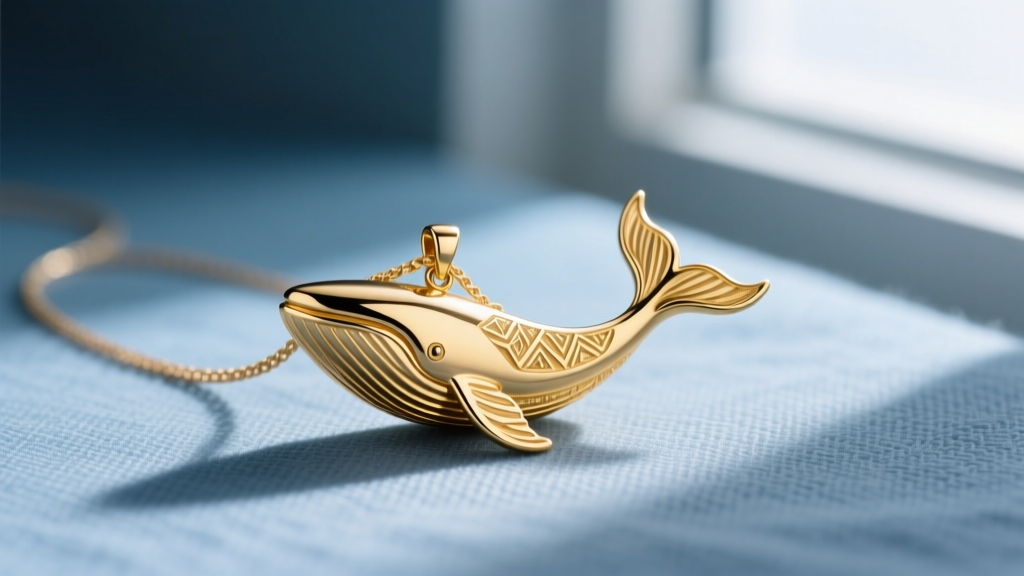
Marine-inspired jewelry has long been a staple in coastal and everyday fashion, but few motifs carry the profound emotional weight of the whale tail. For beginners stepping into the world of thematic fine jewelry, a whale tail gold necklace offers a perfect blend of subtle elegance and deep personal meaning. Historically, the whale tail—or fluke—symbolizes strength, protection, and a deep, spiritual connection to the ocean. Sailors and coastal communities have worn these talismans for generations, believing they offer safe passage over turbulent waters and a safe return home.
Beyond its nautical roots, the whale tail has evolved into a modern symbol of environmental awareness and marine conservation. When you choose to wear this motif, you are not just accessorizing; you are making a quiet statement about your appreciation for the natural world. However, transitioning from admiring the design to actually purchasing a high-quality piece requires a basic understanding of jewelry mechanics, metallurgy, and styling. This guide will walk you through everything you need to know to make an informed, confident purchase.
Decoding Gold Purity: 10k, 14k, and 18k Explained
One of the most common mistakes beginners make is assuming that higher gold purity automatically means a better necklace. When it comes to a detailed pendant like a whale tail, the structural integrity of the metal is just as important as its color and value. Pure 24-karat gold is far too soft for everyday jewelry; the delicate tips of the whale tail's flukes would bend or snap if caught on a sweater. Therefore, gold is alloyed with metals like copper, silver, and zinc to increase its tensile strength.
According to the Gemological Institute of America (GIA), the karat system measures the proportion of pure gold in an alloy. Understanding these differences is crucial for balancing durability, color, and budget. Below is a breakdown of the most common gold purities used for ocean-inspired pendants.
| Gold Karat | Pure Gold Content | Durability & Fluke Strength | Color Profile | Average Price Range |
|---|---|---|---|---|
| 10k Gold | 41.7% | Extremely high; resists bending and scratching. | Pale yellow; can tarnish over time. | $50 - $120 |
| 14k Gold | 58.3% | Excellent; the industry standard for daily wear. | Warm, classic yellow hue. | $150 - $350 |
| 18k Gold | 75.0% | Good, but thinner flukes may require careful wear. | Rich, deep, luxurious yellow. | $300 - $800+ |
For a beginner, 14k gold is almost always the smartest choice. It provides the perfect equilibrium between a rich golden luster and the physical hardness required to keep the intricate grooves and tips of the whale tail intact over years of daily wear.
Matching the Right Chain to Your Pendant
The pendant is only half the equation; the chain you select will dictate how the whale tail sits on your chest and how it moves throughout the day. A common issue with horizontally oriented pendants (like a wide whale tail) is that they tend to flip upside down if the chain is too heavy or the bail is too loose. The bail—the loop that connects the pendant to the chain—must be carefully matched to the chain's width.
Cable vs. Box vs. Rope Chains
When selecting a chain, you must consider both the aesthetic and the mechanical interaction with the pendant's bail. Here is how the three most popular chain styles interact with a whale tail pendant:
- Cable Chains (1.0mm - 1.5mm): The classic choice. A delicate cable chain is lightweight, ensuring the pendant remains the focal point. However, cable chains are prone to kinking and can catch on the bail if the wire is too thin.
- Box Chains (1.2mm - 1.8mm): Highly recommended for beginners. The square links of a box chain provide excellent structural rigidity, preventing the chain from tangling and helping the whale tail lay flat against the sternum without flipping.
- Rope Chains (1.5mm - 2.5mm): These offer a beautiful, twisted texture that mimics nautical rigging. They are incredibly strong but can be heavy. If you choose a rope chain, ensure the whale tail pendant is substantial enough (at least 3 grams) so it isn't pulled backward by the chain's weight.
Sizing, Proportions, and Bail Mechanics
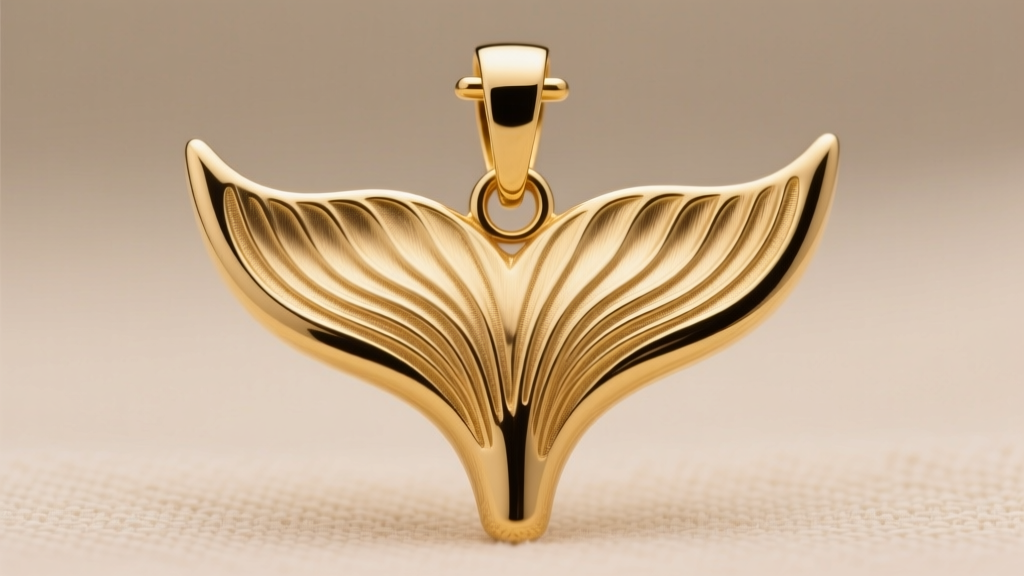
Whale tail pendants come in a variety of scales, from micro-pendants meant for subtle layering to bold, oversized statement pieces. As a beginner, understanding standard jewelry proportions will help you avoid buying a piece that looks out of balance. Most standard whale tail pendants have a fluke span (the width from tip to tip) ranging from 15mm to 25mm. A 15mm pendant is ideal for a minimalist, everyday look, while a 25mm piece commands attention and works best on longer chains.
Pay close attention to the bail type. Many modern whale tail designs feature a 'hidden bail' or 'slide bail,' where the chain threads directly through a hollowed-out section of the tail's base. This creates a seamless, floating illusion. However, hidden bails restrict the thickness of the chain you can use, usually capping out at 1.5mm. Standard loop bails offer more versatility but add a visible connecting ring above the pendant.
The Art of Layering Marine Jewelry
Layering is a fundamental styling technique that can elevate a simple whale tail gold necklace into a curated, personalized look. The key to successful layering is varying the lengths of your chains by at least two inches to prevent the pendants from overlapping and scratching each other. For example, pair a 16-inch choker-length whale tail with an 18-inch simple gold hoop or a 20-inch elongated bar pendant.
When layering, consider mixing textures rather than just adding more pendants. A matte-finished whale tail on a polished box chain, layered with a high-polish snake chain, creates visual depth without looking cluttered. If you are mixing metals, ensure the undertones complement each other; a 14k rose gold whale tail pairs beautifully with warm, copper-toned accessories, while white gold or platinum leans toward a cooler, more modern aesthetic.

Pricing Tiers: What Should You Expect to Pay?
The price of a whale tail gold necklace varies wildly based on manufacturing methods, weight, and brand prestige. Understanding these tiers will protect you from overpaying for mass-produced items or underestimating the value of artisanal work.
Mass-Market & Die-Struck ($50 - $150): These pendants are typically stamped from thin sheets of 10k or 14k gold. They are lightweight (often under 1.5 grams) and may be hollowed out on the back to save on material costs. While affordable, they are more susceptible to denting.
Solid Cast & Boutique ($200 - $500): The sweet spot for most buyers. These pieces are cast in solid 14k or 18k gold, weighing between 2.5 and 5 grams. They feature detailed texturing on the flukes and sturdy, well-soldered bails. According to the Federal Trade Commission (FTC) Jewelry Guides, these pieces must be accurately stamped with their karat quality and the manufacturer's trademark, ensuring you get exactly what you pay for.
Fine Artisan & Custom ($800 - $2,000+): Hand-fabricated or limited-edition pieces that may incorporate ethically sourced gold, recycled metals, or subtle gemstone accents (like a tiny sapphire bezel-set near the base of the tail). These are investment pieces meant to become family heirlooms.
Care and Maintenance for Ocean-Inspired Gold
Gold is a noble metal, meaning it does not rust or corrode in water. However, the alloys mixed with gold to create 10k and 14k jewelry can react to harsh chemicals. The most critical rule for maintaining your whale tail necklace is to remove it before swimming in chlorinated pools or using household bleach. Chlorine causes 'stress corrosion cracking' in karat gold, which can cause the delicate tips of the whale tail to snap off unexpectedly.
Expert Maintenance Tip: To clean your necklace, avoid commercial jewelry dips. Instead, soak the piece in a bowl of warm water with two drops of mild, phosphate-free dish soap for ten minutes. Gently agitate the water, then use a brand-new, extra-soft baby toothbrush to lightly sweep away sebum and lotion buildup from the grooves of the whale tail. Rinse with distilled water and pat dry with a microfiber cloth.
By understanding the metallurgy, mechanics, and styling nuances of the whale tail motif, you can confidently select a piece that not only honors your love for the ocean but also stands the test of time as a cornerstone of your everyday jewelry wardrobe.


