What Does the Necklace Symbolize in The Necklace? Real vs Faux
Discover what the necklace symbolizes in The Necklace and learn how to troubleshoot real vs. faux diamond pendants to avoid a modern Mathilde Loisel trap.

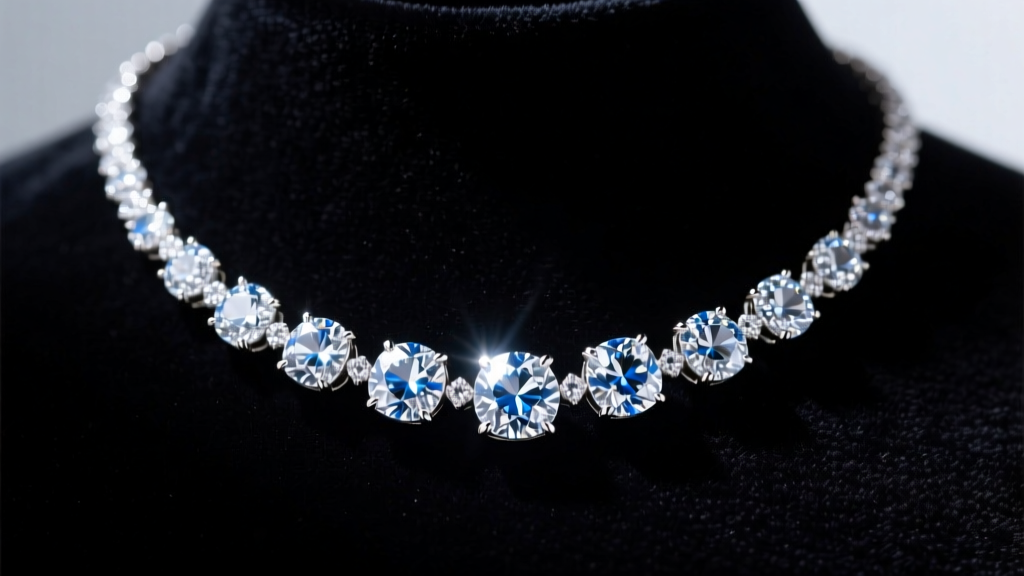
Guy de Maupassant’s 1884 literary masterpiece The Necklace (La Parure) is a cornerstone of French literature, but for modern jewelry enthusiasts and gemologists, it serves as a cautionary tale about authenticity, status, and material value. When readers and students ask, what does the necklace symbolize in the necklace, the literary answer is the illusion of wealth and the destructive nature of vanity. However, from a gemological and stylistic perspective, the 'paste' (faux diamond) necklace symbolizes the critical importance of material verification. In 2026, with the market flooded by lab-grown diamonds, moissanite, and high-grade cubic zirconia, the 'Mathilde Loisel Trap'—ruining oneself over a misunderstood or unverified gemstone—is more relevant than ever.
This troubleshooting guide bridges literary symbolism with practical gemology. We will explore how to diagnose the authenticity of diamond pendants, differentiate between natural and simulated stones, and build a financial framework that prevents the tragedy of the original story.
The Core Symbolism: Illusion vs. Material Reality
In Maupassant's story, Mathilde borrows what she believes to be a priceless diamond necklace, loses it, and spends ten years in grueling poverty to replace it, only to discover the original was made of paste (glass or crystal simulating diamonds). The necklace symbolizes the facade of the Parisian bourgeoisie and the danger of equating self-worth with unverified status symbols.
Today, the 'paste' equivalent isn't just glass. It includes Cubic Zirconia (CZ), moissanite, and unverified lab-created diamonds. The modern troubleshooting challenge isn't just identifying glass; it is navigating a complex market where synthetic stones possess optical properties that can easily fool the untrained eye, leading to severe financial miscalculations.
Troubleshooting Authenticity: Optical & Thermal Diagnostics
If you inherit a vintage pendant or purchase an estate necklace, you must troubleshoot its authenticity before assigning it value. Here are the non-destructive diagnostic tests used by gemologists to separate natural diamonds from simulants.
The Read-Through Effect (Refractive Index Troubleshooting)
Diamonds have a remarkably high Refractive Index (RI) of 2.42. This means light bends so severely upon entering the stone that it reflects internally rather than passing straight through. The Test: Place the loose pendant stone face-down on a piece of paper with printed text. If you can read the text through the pavilion (the bottom of the stone), it is almost certainly a simulant like CZ (RI 2.15) or glass. A true diamond will scatter the light, rendering the text completely illegible.
The Fog Test (Thermal Conductivity)
Diamonds are exceptional heat conductors. The Test: Clean the pendant with a microfiber cloth and breathe on it to create a light fog. On a real diamond, the heat from your breath dissipates almost instantly, and the fog clears in 1 to 2 seconds. On glass or CZ, the fog will linger for 3 to 5 seconds. Note: This test can be compromised by heavy surface oils or dirt, so always clean the stone first.
Advanced Diagnostics: Moissanite vs. Diamond
Moissanite (Silicon Carbide) is a superior thermal conductor and will pass basic diamond testers. To troubleshoot moissanite, you must look for double refraction. Moissanite has an RI of 2.65 and is doubly refractive. Using a 10x jeweler's loupe, look down through the crown (top) facets toward the pavilion. If you see a 'doubling' effect on the facet junctions (lines appearing as two parallel lines), you are looking at moissanite, not a diamond.
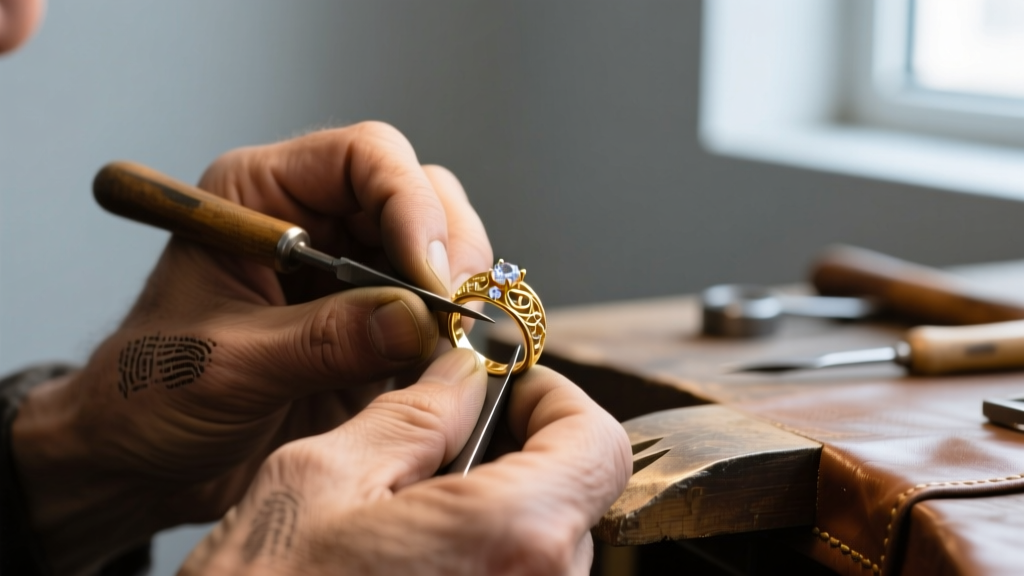
Material Breakdown: Natural, Lab, Moissanite, and CZ
Understanding the physical properties of these materials is crucial for troubleshooting estate jewelry and avoiding overpayment. Below is a comparative matrix of common pendant materials.
| Material | Refractive Index | Mohs Hardness | Avg. Price (1ct) | Identification Key |
|---|---|---|---|---|
| Natural Diamond | 2.42 (Single) | 10 | $4,000 - $8,000+ | Inclusions, GIA Laser Inscription |
| Lab-Grown Diamond | 2.42 (Single) | 10 | $800 - $1,500 | Flux/Metallic inclusions, UV Fluorescence patterns |
| Moissanite | 2.65 (Double) | 9.25 | $300 - $600 | Facet doubling, high dispersion (fire) |
| Cubic Zirconia | 2.15 (Single) | 8.5 | $20 - $50 | Read-through effect, abrasion on facet edges |
| Antique Paste (Glass) | 1.50 - 1.70 | 5.5 - 6 | $50 - $300 (Antique) | Conchoidal fractures, foil backing, air bubbles |
Troubleshooting Vintage and Inherited Pendants
When dealing with antique lockets or Victorian-era pendants, the 'fake' stone might actually be historically significant 'paste' jewelry. In the 18th and 19th centuries, high-quality leaded glass (Strass paste) was hand-cut and often foil-backed to simulate diamonds. While materially worthless compared to a diamond, an authenticated 19th-century paste pendant holds historical and collector value.
Troubleshooting Steps for Antique Paste:
- Check for Foil Backing: Look for a sealed, sometimes tarnished metallic backing behind the stone, used to reflect light.
- Examine the Culet: Antique paste stones often have a flat or uniquely faceted culet (the bottom point) compared to the sharp point of a modern brilliant cut.
- Look for Bubbles: Under 10x magnification, glass paste will often reveal tiny, perfectly spherical air bubbles trapped inside, a dead giveaway that it is not a crystalline structure.
The Financial Troubleshooting Framework
The ultimate lesson of The Necklace is a financial one: Mathilde's ruin was caused by a lack of transparency and a failure to verify the asset she was borrowing. In the modern jewelry market, financial troubleshooting requires strict adherence to certification and appraisal protocols.
'Never purchase a high-value diamond pendant without a grading report from a tier-one laboratory. The cost of the certificate is a fraction of the risk of buying an undocumented stone.' — Gemological Institute of America (GIA) Consumer Guidelines.
According to the GIA, the market shift toward lab-grown diamonds has made visual identification impossible for even seasoned jewelers without advanced spectroscopic equipment. If you are purchasing a pendant marketed as 'natural,' it must be accompanied by a GIA or AGS (American Gem Society) dossier that includes a laser inscription on the girdle matching the report number.
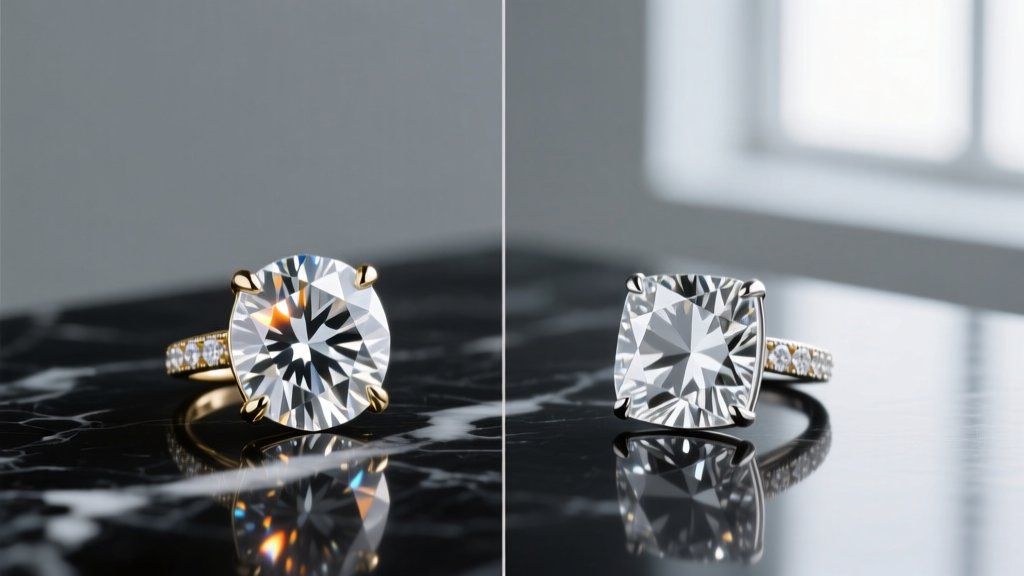
Expert Verification and Insurance Protocols
If you suspect a pendant is a simulant, or if you need to insure a verified natural diamond, you must follow a strict chain of custody.
- Independent Appraisal: Never rely solely on the selling jeweler's appraisal. Hire an independent Certified Gemologist Appraiser (CGA) who uses a Presidium Duo Tester to verify both thermal and electrical conductivity.
- Scheduled Insurance: Standard homeowner's policies often cap jewelry payouts at $1,500. For a verified diamond pendant, you must schedule the item as a rider. Companies like Jewelers Mutual offer specialized coverage that protects against loss, theft, and accidental damage, ensuring you never face a decade of debt to replace a lost piece.
- Micro-Chipping and Laser Inscription: For high-value pendants, ensure the girdle is laser-inscribed with the GIA report number, which can be verified with a standard 30x loupe.
Conclusion: Redefining the Symbolism
So, what does the necklace symbolize in the necklace? In 1884, it symbolized the peril of vanity and the deceptive nature of high society. Today, it symbolizes the critical need for consumer education, gemological literacy, and financial prudence. By mastering the troubleshooting techniques of optical diagnostics, understanding the material differences between natural and lab-grown stones, and relying on independent certification, you can appreciate the beauty of a diamond pendant without falling victim to the illusion that destroyed Mathilde Loisel. True luxury in 2026 is not about the appearance of wealth, but the confidence of verified authenticity.


