How to Layer Trendy Necklaces in 2026: Step-by-Step Guide
Learn how to layer trendy necklaces in 2026 without tangling. Our step-by-step guide covers chain weights, lengths, and clasp hacks for a flawless look.

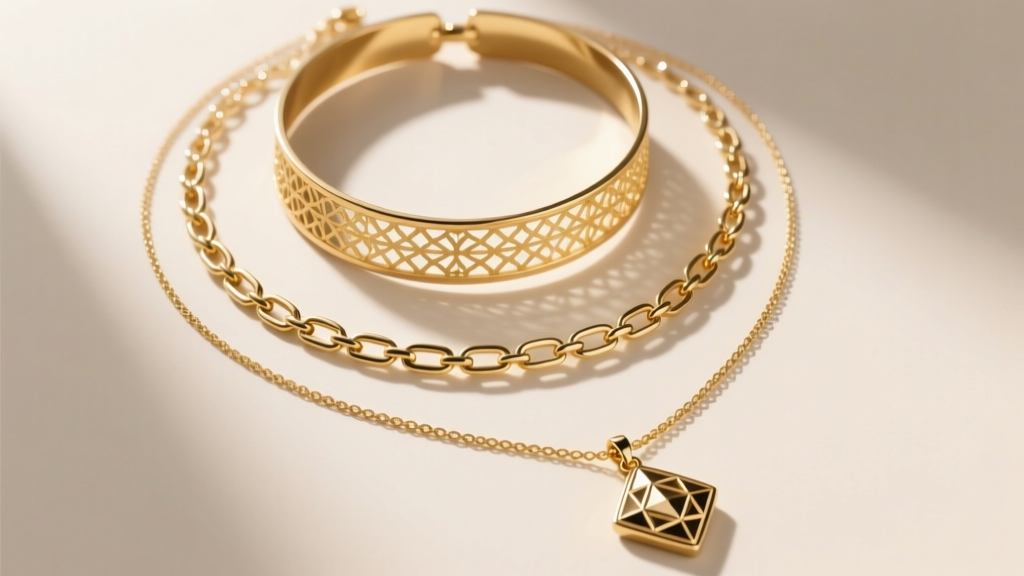
Layering necklaces is one of the most enduring styling techniques in modern jewelry, but as we move through 2026, the aesthetics have evolved. Today's trendy necklaces lean toward mixed metals, asymmetrical pendant placements, and hyper-textured chains like liquid-metal herringbones and chunky paperclips. However, the most common complaint among jewelry enthusiasts remains the same: the inevitable, frustrating tangle. When you combine delicate 18-gauge cables with heavier 14-gauge Figaro chains, friction and gravity work against you, turning a curated neckline into a knotted mess.
This comprehensive, step-by-step guide will teach you the physics of necklace layering, how to select the right gauges and textures, and the exact hardware hacks required to keep your trendy necklaces perfectly spaced and tangle-free all day.
The Physics of Necklace Tangling
Before building your stack, you must understand why chains tangle. Tangling is primarily caused by three factors: friction, link geometry, and weight disparity.
- Friction: High-polish chains like snake or herringbone glide against each other, increasing the likelihood of one chain wrapping around another. Matte or textured chains (like rope or wheat) create micro-friction that helps them stay put.
- Link Geometry: Chains with large, open links (like paperclip or cable) act as nets. If a secondary chain features links small enough to pass through the open gaps of the first chain, they will interlock permanently until manually untangled.
- Weight Disparity: A heavy pendant on a long chain will swing like a pendulum, wrapping around lighter, shorter chains that lack the mass to resist the movement.
Step 1: Selecting Chain Textures and Gauges
The foundation of a successful layer is contrast. If you wear three identical 1.2mm cable chains, they will knot within minutes. You must vary both the thickness (gauge) and the link structure.
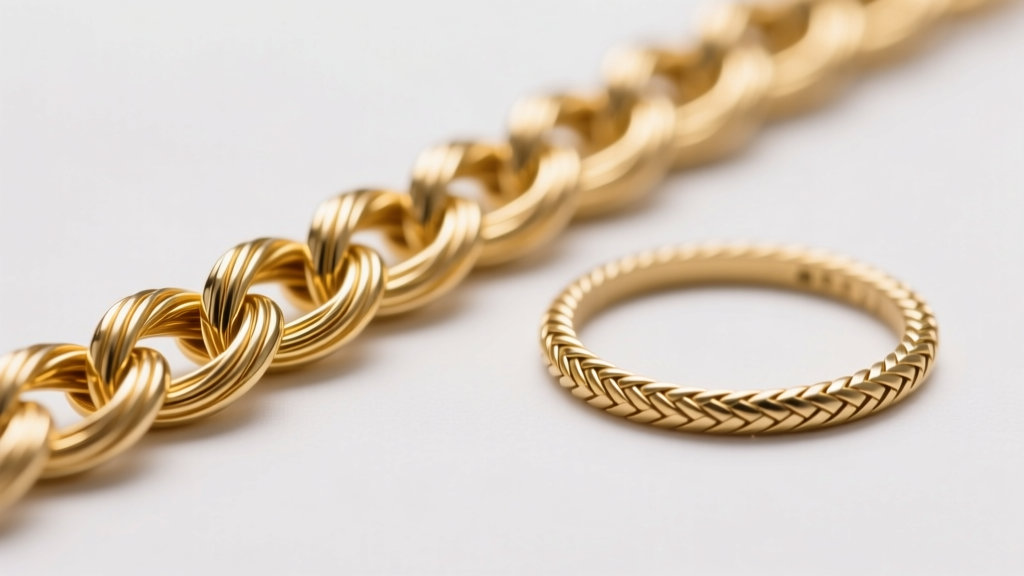
The Ideal 3-Piece Texture Stack
- The Base (14-16 inches): Use a solid, flat chain like a 2.5mm herringbone or a 3mm snake chain. Because these lack open gaps, they cannot catch other chains. They sit flush against the collarbone and act as a visual anchor.
- The Middle (18-20 inches): Opt for an open, geometric link like a 14-gauge (1.6mm) paperclip or a 12-gauge (2.0mm) box chain. The rigid structure of a box chain prevents it from folding in on itself, maintaining its shape throughout the day.
- The Long (22-24 inches): Choose a highly textured, flexible chain like an 18-gauge (1.0mm) rope or wheat chain. The spiraled texture catches the light differently and provides enough surface friction to resist sliding over the middle layer.
Step 2: The 2-Inch Rule for Length Graduation
Spacing is non-negotiable. If your necklaces are too close in length, they will constantly rub and twist. If they are too far apart, you lose the cohesive 'stacked' aesthetic. The golden rule for layering trendy necklaces is a minimum 2-inch graduation between each layer, increasing to 3 or 4 inches for the longest piece to accommodate the drape of the neckline.
| Number of Layers | Layer 1 (Choker/Base) | Layer 2 (Middle) | Layer 3 (Long) | Layer 4 (Extra Long) |
|---|---|---|---|---|
| 2 Layers | 15 inches | 18 inches | - | - |
| 3 Layers | 14 inches | 17 inches | 21 inches | - |
| 4 Layers | 14 inches | 16 inches | 19 inches | 24 inches |
Pro Tip: Always measure your chains while they are clasped and laid flat. The clasp and jump rings can add up to half an inch to the total wearable length.
Step 3: Weight Anchoring and Pendant Placement
In 2026, the trend of 'asymmetrical weighting' has taken over. Instead of a single pendant dead-center on the longest chain, stylists are using heavy charms on the middle chain and leaving the longest chain bare or adorned with a tiny, lightweight bezel-set gem.
To prevent the middle chain from flipping over and exposing the back of the clasp, you need weight anchoring. A standard 1.5mm chain weighs roughly 2 to 3 grams. To keep it anchored at the front of your chest, your pendant should weigh between 5 and 8 grams. If your pendant is too light (under 3 grams), the chain will shift every time you move your arms. If it is too heavy (over 12 grams), it will pull the delicate chain taut, causing discomfort and stretching the links over time.
When mixing metals—a massive trend for 2026—use the heaviest, darkest metal (like oxidized silver or black PVD titanium) as your shortest base layer to visually ground the lighter, longer gold or rose gold chains.
Step 4: The Multi-Strand Clasp Hack
The ultimate solution to back-of-the-neck tangling is to stop using individual clasps for every chain. Fumbling with three microscopic spring-ring clasps is frustrating, and the loose ends of unclasped chains will inevitably wrap around each other in your jewelry box.
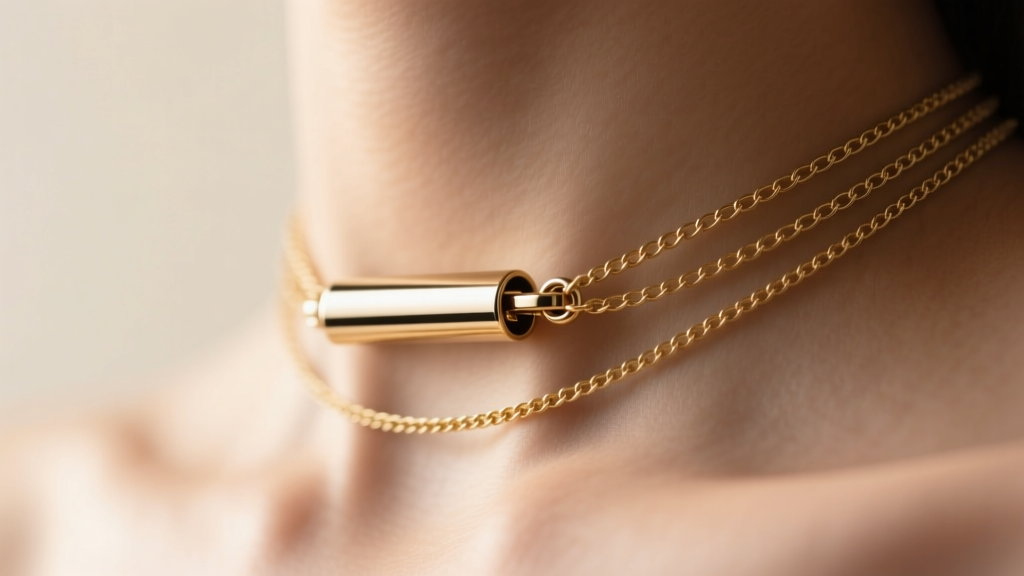
How to Use a Magnetic Neodymium Converter
Invest in a 3-ring magnetic tube clasp (often made with N52-grade neodymium magnets encased in 14k gold or surgical steel). Here is how to set it up:
- Remove the original clasps: Use jewelry pliers to carefully open the jump rings on your necklaces and remove the standard lobster or spring-ring clasps.
- Attach to the converter: Connect the open jump rings of your three chains to the three corresponding loops on one side of the magnetic tube clasp.
- Secure the jump rings: Squeeze the jump rings closed tightly. Ensure the split in the jump ring is completely flush so the fine chains cannot slip out.
- The Result: You now have a single, unified magnetic clasp. The chains are permanently spaced at the nape of your neck, making it physically impossible for them to cross over and tangle at the back.
Material Considerations for 2026 Trends
As layered stacks spend more time rubbing against each other and your skin, material durability is critical. According to the Gemological Institute of America (GIA), pure 24k gold is far too soft for chains that experience high friction.
- Solid 14k Gold: The industry standard for fine jewelry. It contains 58.5% gold and is alloyed with metals like copper and zinc, providing the tensile strength needed to resist stretching when layered.
- PVD-Coated Stainless Steel: For budget-friendly trendy necklaces, Physical Vapor Deposition (PVD) coating on 316L surgical steel is the 2026 standard. Unlike traditional electroplating or gold vermeil, which can wear off in months due to chain-on-chain friction, PVD bonds at a molecular level and can withstand years of daily layering without flaking. For comprehensive care instructions on maintaining these finishes, refer to guides from experts like Blue Nile Jewelry Care.
Troubleshooting Common Layering Fails
Even with perfect planning, issues can arise. Here is how to troubleshoot the most common layering problems:
- The 'Flip-Up' Clasp: If the clasp of your longest chain keeps sliding around to the front of your neck, the chain is too light. Add a 2mm silicone jewelry stopper or a tiny gold 'clasp weight' charm directly onto the chain near the back of the neck to act as a counterbalance.
- Skin Irritation from Mixed Metals: Layering nickel-containing white gold against surgical steel can cause galvanic reactions or contact dermatitis when sweat acts as an electrolyte. Ensure all base metals touching your skin are hypoallergenic, such as platinum, titanium, or high-karat yellow gold.
- Pendant Sliding: If your pendant refuses to stay centered, use a tiny rubber o-ring (often sold as 'earring backs' or 'pendant keepers') on the chain directly behind the pendant bail to lock it in place without damaging the metal.
Mastering the art of layering trendy necklaces requires moving beyond simply throwing your favorite pieces together. By respecting the physics of chain geometry, adhering to strict length graduations, and utilizing modern hardware like magnetic converters, you can achieve a flawless, high-fashion neckline that stays perfectly curated from your morning commute to your evening dinner.


