The James Avery Petite Heart Necklace: A Beginner's Styling Guide
Discover everything about the James Avery Petite Heart Necklace. Learn about materials, chain pairings, sizing, and care tips in this beginner guide.

The Anatomy of an Icon: Why the Petite Heart Endures
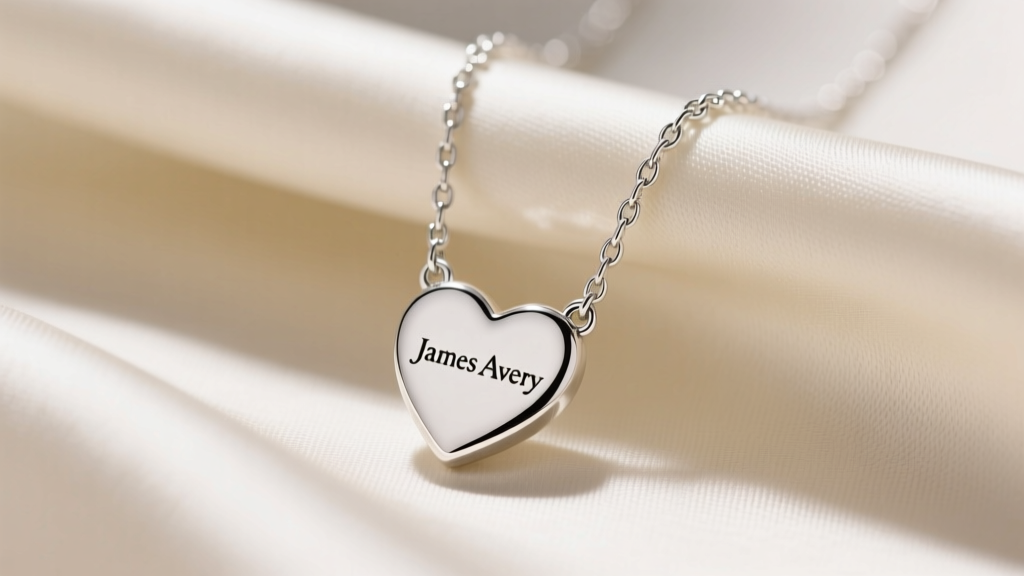
When it comes to timeless, everyday jewelry, few pieces carry the emotional weight and stylistic versatility of the James Avery petite heart necklace. While the brand offers various heart silhouettes—including the medium and large open hearts—the "petite" variation holds a special place in the jewelry community. Measuring approximately 3/8 of an inch (about 9.5mm) across, this diminutive pendant is designed for subtlety. It sits flush against the skin, catching the light without overpowering the wearer's neckline.
For beginners stepping into the world of fine jewelry, this piece serves as an excellent foundational staple. It bridges the gap between costume jewelry and high-end luxury, offering a meaningful symbol wrapped in quality craftsmanship. But buying the necklace is only the first step. Understanding how to pair it with the right chain, how to care for the specific metal alloys, and how to layer it effectively will ensure your piece lasts a lifetime.
Material Deep Dive: Sterling Silver vs. Precious Gold
The James Avery petite heart necklace is primarily produced in two distinct metal categories, each with its own metallurgical properties, price points, and maintenance requirements. Choosing the right one depends on your skin chemistry, budget, and lifestyle.
The 925 Sterling Silver Standard
The most accessible and popular version of this necklace is crafted from 925 sterling silver. According to the Gemological Institute of America (GIA), sterling silver is an alloy consisting of 92.5% pure silver and 7.5% other metals, usually copper. Pure silver is too soft to hold the intricate shape of the heart pendant or the threading of the bail, making the copper addition necessary for structural integrity.
However, that 7.5% copper is also the culprit behind tarnish. When exposed to sulfur in the air, humidity, and the natural acids in your skin, the copper oxidizes, creating a dark, dull film on the surface of the heart. If you live in a humid climate or have highly acidic skin chemistry, you will need to polish your silver petite heart more frequently. Despite this, sterling silver remains a brilliant choice for its bright, cool luster and accessible price point, typically ranging from $55 to $85 for the pendant alone.
14K Gold and Vermeil Alternatives
For those seeking a warmer tone or a metal that resists tarnish, James Avery offers the petite heart in 14K yellow, white, and rose gold. 14K gold contains 58.3% pure gold mixed with alloy metals like zinc, nickel, or copper to provide durability. Unlike silver, 14K gold will not oxidize or tarnish under normal conditions, making it a truly "wear-and-forget" piece. The trade-off is the price; a 14K gold petite heart pendant generally retails between $350 and $450, excluding the chain.
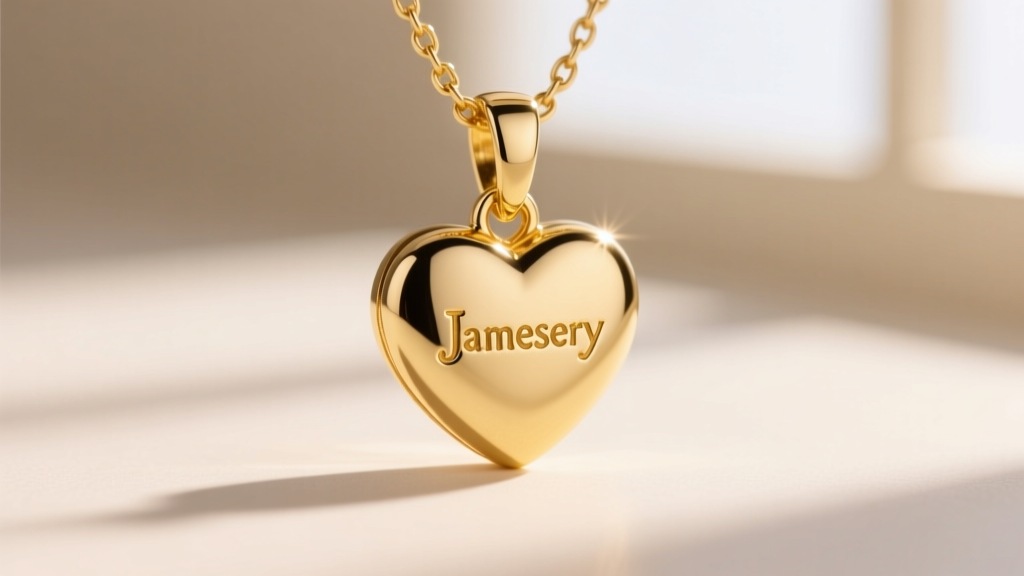
Occasionally, you may find gold vermeil versions on the secondary market. Vermeil is a thick layer of gold plated over a sterling silver base. While beautiful initially, vermeil will eventually wear down to the silver core with daily friction, requiring professional re-plating. For a permanent fixture in your jewelry box, solid 14K gold or sterling silver are the superior investments.
Chain Pairings: Engineering the Perfect Drape
A common mistake beginners make is pairing a delicate pendant with an incompatible chain. The bail (the loop that connects the heart to the chain) on the petite heart has an inner diameter of roughly 3mm x 2mm. This physical constraint means you cannot use thick, heavy chains. Forcing a 2.5mm snake chain through the bail will not only get stuck but will also cause severe friction wear to the gold or silver loop over time.
The ideal chain thickness for this pendant ranges from 1.0mm to 1.5mm. Here is a breakdown of the best chain styles to pair with your petite heart:
| Chain Style | Ideal Gauge | Durability | Aesthetic Profile |
|---|---|---|---|
| Cable Chain | 1.0mm - 1.2mm | Moderate | Classic, minimalist, lets the heart shine |
| Rolo Chain | 1.3mm - 1.5mm | High | Textured, vintage-inspired, adds subtle weight |
| Box Chain | 1.0mm - 1.2mm | Very High | Geometric, modern, highly reflective |
| Snake Chain | 1.0mm (Max) | Low (Prone to kinking) | Sleek, liquid-metal look, but fragile |
For everyday wear, a 1.2mm cable chain or a 1.5mm rolo chain offers the best balance of durability and aesthetic proportion. They are thick enough to support the pendant without snapping, yet delicate enough to maintain the "petite" ethos of the design.
Sizing and Proportions: Finding Your Drop Length
Where the heart rests on your chest dictates the entire vibe of the necklace. Because the pendant is so small, a drop that is too long will cause it to get lost in the fabric of your clothing, while a drop that is too short might feel restrictive.
- 16 Inches (The Collarbone Drop): This is the most popular choice for the petite heart. It sits right at the base of the throat or on the collarbone, making it highly visible and perfect for open-neck blouses or V-necklines.
- 18 Inches (The Standard Drop): Falls just below the collarbone. This is the safest bet for a beginner, as it works well with almost all standard crew-neck t-shirts and casual wear.
- 20 Inches (The Matinee Length): Drops to the upper chest. This length is best reserved for layering over thicker garments like sweaters, or when pairing the petite heart with a larger, longer pendant.
Layering Techniques for the Modern Stack
The true power of the James Avery petite heart necklace lies in its layering potential. Because of its small footprint, it acts as the perfect "anchor" piece in a multi-necklace stack.

To create a balanced stack, follow the "Rule of Two Inches." If your petite heart is on a 16-inch chain, your secondary necklace should be at least 14 inches (a choker) or 18 inches (a longer drop) to prevent the chains from tangling and the pendants from overlapping. A highly effective beginner stack involves pairing the 16-inch silver petite heart with an 18-inch 1.5mm rolo chain featuring a tiny bezel-set diamond or pearl. This creates a beautiful asymmetry that looks intentional and curated, rather than cluttered.
Maintenance Protocol: Defeating Tarnish and Scratches
Proper care is non-negotiable if you want to maintain the high-polish finish of your necklace. The official James Avery Jewelry Care guidelines emphasize gentle, consistent cleaning over harsh chemical treatments.
- Daily Wipe Down: Keep a treated jewelry polishing cloth (such as a Townsend or Sunshine cloth) on your nightstand. Give the heart a quick 10-second buff before bed to remove skin oils and environmental sulfur.
- Deep Cleaning: Once a month, mix a few drops of mild, phosphate-free dish soap (like Dawn) into a bowl of lukewarm water. Use an extra-soft baby toothbrush to gently scrub the back of the heart and the bail, where lotion and dead skin cells accumulate.
- Chemical Avoidance: Never wear your necklace in chlorinated pools or hot tubs. Chlorine reacts violently with the copper in sterling silver and the alloy metals in 14K gold, causing permanent structural brittleness and severe discoloration.
- Storage: Store the necklace in an airtight ziplock bag with an anti-tarnish strip (like 3M silver protector strips) when not in use. Leaving it exposed on a jewelry dish accelerates oxidation.
Authenticity and Market Pricing: What to Expect
Because of its massive popularity, the petite heart is frequently counterfeited. When purchasing from the secondary market (eBay, Poshmark, or estate sales), you must know how to verify authenticity.
First, examine the hallmark. A genuine James Avery piece will feature a distinct stamp. On the petite heart, due to its small surface area, you will typically find a tiny "JA" or the Avery cross logo, accompanied by the metal quality stamp (e.g., "925" or "14K") and a copyright symbol (©). The stamping should be clean, laser-sharp, and perfectly centered. Counterfeits often have muddy, shallow, or misaligned stamps.
Second, check the weight. A genuine sterling silver petite heart has a specific, solid heft to it. Fakes cast from cheap base metals or hollow alloys will feel suspiciously light or, conversely, overly heavy if made from lead-tin mixtures. Expect to pay retail prices of $60-$90 for authentic silver versions, and upwards of $400 for solid gold. If a listing offers a "brand new" gold petite heart for $80, it is almost certainly a gold-plated counterfeit.
By understanding the metallurgy, mastering the chain pairings, and committing to a simple maintenance routine, your James Avery petite heart necklace will remain a brilliant, meaningful staple in your wardrobe for decades to come.


