Golf Wang Necklace Materials: Brass, Silver & Enamel
Explore the material properties of a Golf Wang necklace. Compare brass vs. silver bases, enamel types, and learn how to spot fakes.

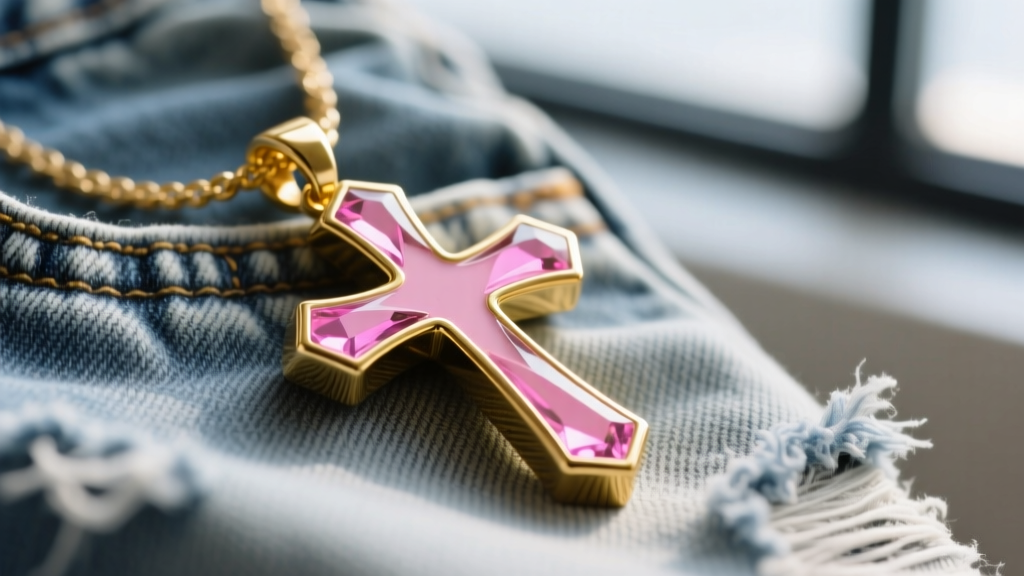
Streetwear jewelry has evolved from simple promotional merchandise into a serious category of collectible accessories. At the forefront of this cultural shift is Tyler, the Creator’s iconic brand, making the golf wang necklace a highly sought-after piece for fans and fashion archivists alike. Whether you are looking at the classic le FLEUR* cross, the vibrant sunflower pendants, or the chunky heart chains from the IGOR era, understanding the metallurgy and material properties behind these pieces is crucial for collectors in 2026.
Unlike traditional fine jewelry that relies exclusively on precious metals, streetwear pendants often utilize a complex hybrid of base metals, electroplating, and colorful enamels. This guide breaks down the exact material science behind official Golf Wang necklaces, comparing base alloys, plating thicknesses, and enamel compositions, while providing actionable frameworks for authentication and long-term care.
The Core Alloys: Cartridge Brass vs. Sterling Silver
The foundation of any pendant dictates its weight, casting detail, and long-term durability. Official Golf Wang necklaces typically fall into two distinct material categories: gold-plated brass bases and solid sterling silver bases. The choice of alloy dramatically affects how the piece ages and reacts to human skin chemistry.
C26000 Cartridge Brass: The Streetwear Standard
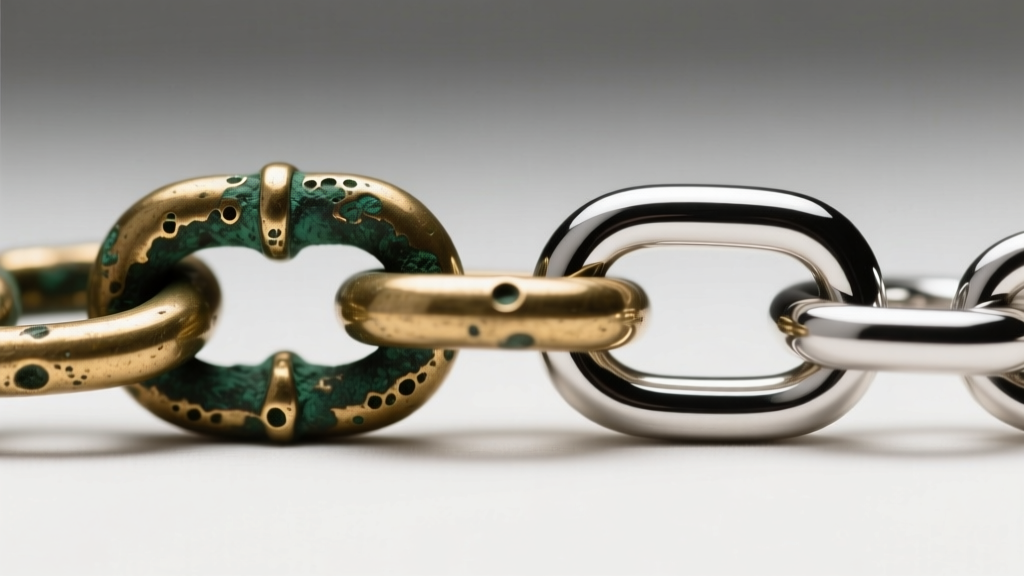
Most entry-level and mid-tier streetwear pendants are cast from C26000 cartridge brass, an alloy consisting of roughly 70% copper and 30% zinc. According to the Rio Grande Metals Guide, this specific brass composition is favored in jewelry manufacturing because it offers excellent malleability and captures intricate mold details—essential for the deep grooves and textured surfaces characteristic of Golf Wang designs. However, because brass contains copper, it is highly susceptible to oxidation when exposed to the acidic pH of human sweat, leading to the notorious 'green skin' effect if the outer plating wears away.
925 Sterling Silver: The Premium Tier
For limited-edition drops and premium collaborations, the brand occasionally upgrades to .925 sterling silver. Composed of 92.5% pure silver and 7.5% copper, this alloy provides a naturally white, hypoallergenic base. As noted by The Silver Institute, sterling silver possesses natural antimicrobial properties and a higher density than brass, giving the necklace a premium, heavy-handed drape. The primary failure mode for silver is sulfur-induced tarnishing, which manifests as a dark grey or black patina rather than the green verdigris seen in brass.
| Property | C260 Cartridge Brass (Plated) | 925 Sterling Silver |
|---|---|---|
| Base Density | 8.53 g/cm³ | 10.36 g/cm³ |
| Tarnish Type | Verdigris (Green/Blue Oxidation) | Silver Sulfide (Black/Dark Grey) |
| Skin Reactivity | High (if plating breaches) | Low (Hypoallergenic) |
| Casting Detail | Excellent | Superior |
| Avg. Secondary Market Price | $80 - $150 | $250 - $600+ |
Plating Thickness and Failure Modes
When dealing with a brass-based golf wang necklace, the gold color you see is not solid; it is an electroplated layer. The longevity of the piece depends entirely on the micron thickness of this plating. Standard fashion jewelry utilizes 'flash plating,' which is a microscopic layer of gold (usually 0.1 to 0.5 microns). This thin layer will rub off against the collarbone within a few months of daily wear.
Higher-quality streetwear runs utilize Heavy Gold Electroplate (HGE), which must be at least 2.5 microns thick. Even with HGE, the friction from heavy pendants swinging against the chest will eventually expose the brass substrate. Once the copper is exposed to moisture and oxygen, it creates copper carbonate. To mitigate this, premium runs often apply a clear e-coating (electrophoretic lacquer) over the gold plating to act as a physical barrier against sweat and UV degradation.
The Enamel Factor: Cold Resin vs. Vitreous Glass
You cannot discuss Tyler, the Creator's jewelry without addressing the vibrant, pastel, and primary color palettes that define the brand's aesthetic. These colors are achieved through enameling, but not all enamel is created equal. Understanding the difference between cold enamel and vitreous enamel is vital for assessing the value and longevity of your pendant.
Cold Enamel (Epoxy Resin)
The vast majority of Golf Wang pendants utilize cold enamel, which is technically a two-part epoxy resin rather than true glass. Cold enamel is poured into the recessed channels of the metal casting and cured at room temperature or with low heat. It allows for an infinite spectrum of bright, opaque colors—like the signature le FLEUR* pastel pink and baby blue. However, epoxy resin is porous and highly susceptible to UV yellowing over time. By 2026, early cold-enamel pieces from 2018-2019 drops are showing noticeable amber shifts in their white and light blue resin sections.
Vitreous Enamel (Fired Glass)
Reserved for ultra-premium or fine jewelry collaborations, vitreous enamel is made from finely ground silica glass that is kiln-fired at temperatures exceeding 1,400°F (760°C). This process fuses the glass directly to the metal substrate, creating a scratch-resistant, UV-stable surface that will never yellow. While significantly more durable, vitreous enamel is brittle; a hard drop on a tile floor will cause the glass to shatter or pop out of the metal bezel, whereas cold epoxy will merely dent or scratch.
Authentication: Material Clues That Expose Fakes
The secondary market for streetwear jewelry is flooded with high-quality counterfeits. However, fakes almost always cut corners on material science. Use these physical testing methods to authenticate a golf wang necklace:
- Specific Gravity (Weight) Test: Because counterfeiters often use cheap zinc alloys (Zamak) instead of C260 brass or silver, fakes will feel noticeably lighter. A genuine brass le FLEUR* cross pendant of standard dimensions should weigh between 14 and 18 grams. If it weighs under 10 grams, it is likely a zinc-alloy fake.
- The Acoustic Ring Test: Gently tap the pendant with a plastic tool. Solid brass and silver produce a high-pitched, sustained 'ping' that resonates for a second or two. Hollow-cast fakes or pot-metal alloys produce a dull, immediate 'thud' with no resonance.
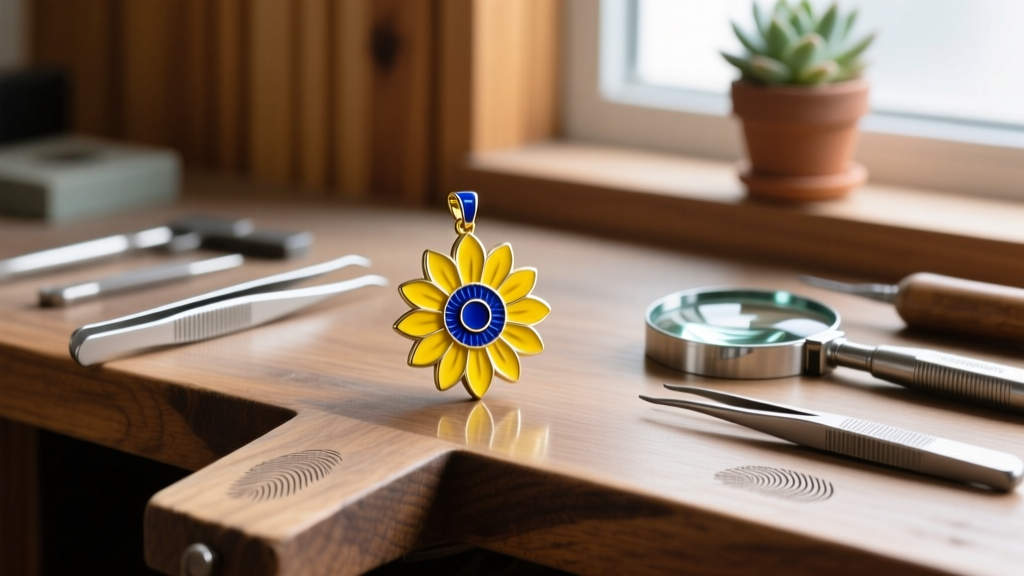
- Enamel Bleed and Meniscus: Inspect the edges where the color meets the metal under a 10x jeweler's loupe. Genuine pieces feature a slight 'meniscus'—a microscopic concave curve where the resin pulls away from the metal wall due to surface tension. Fakes often overfill the channels, resulting in flat or bulging enamel that bleeds over the gold-plated borders.
- Magnetism Check: Neither brass, copper, zinc, nor silver are magnetic. If your necklace exhibits any pull toward a neodymium magnet, it contains a ferrous steel core and is an immediate fake.
Long-Term Care and Maintenance Protocols
Proper maintenance requires treating the base metal and the enamel as two entirely separate entities. According to the Gemological Institute of America (GIA), improper cleaning is the leading cause of jewelry degradation.
Cleaning the Metal
For silver pieces, use a dedicated silver-polishing cloth infused with anti-tarnish chemicals. Never use liquid silver dips on a golf wang necklace, as the harsh thiourea chemicals in the dip will permanently cloud and degrade the cold enamel resin. For brass pieces where the gold plating is still intact, simply wipe the piece down with a microfiber cloth dampened with distilled water and mild dish soap to remove acidic sweat and sebum oils.
Protecting the Enamel
Cold enamel is highly sensitive to solvents. Never wear your pendant while applying cologne, sunscreen, or DEET-based insect repellents, as the alcohol and chemical solvents will dissolve the epoxy's hardener, leaving the surface sticky and permanently cloudy. Store your necklaces in a dark, climate-controlled environment—preferably inside an anti-tarnish ziplock bag with a silica gel packet to control ambient humidity and slow down the oxidation of the underlying base metal.
Final Thoughts on Streetwear Metallurgy
The appeal of a golf wang necklace lies in its bold, unapologetic design, but its longevity is entirely dictated by its material composition. By understanding the differences between cartridge brass and sterling silver, recognizing the limitations of cold epoxy enamel, and employing strict authentication protocols, collectors can preserve these cultural artifacts for decades. Whether you are buying for daily wear or archiving for investment, respecting the metallurgy is the key to maintaining the vibrant legacy of streetwear jewelry.


