Beginner's Guide to Buying a Gold Scapular Necklace
Discover everything you need to know before buying a gold scapular necklace. Learn about karats, chain lengths, and styling tips for daily wear.

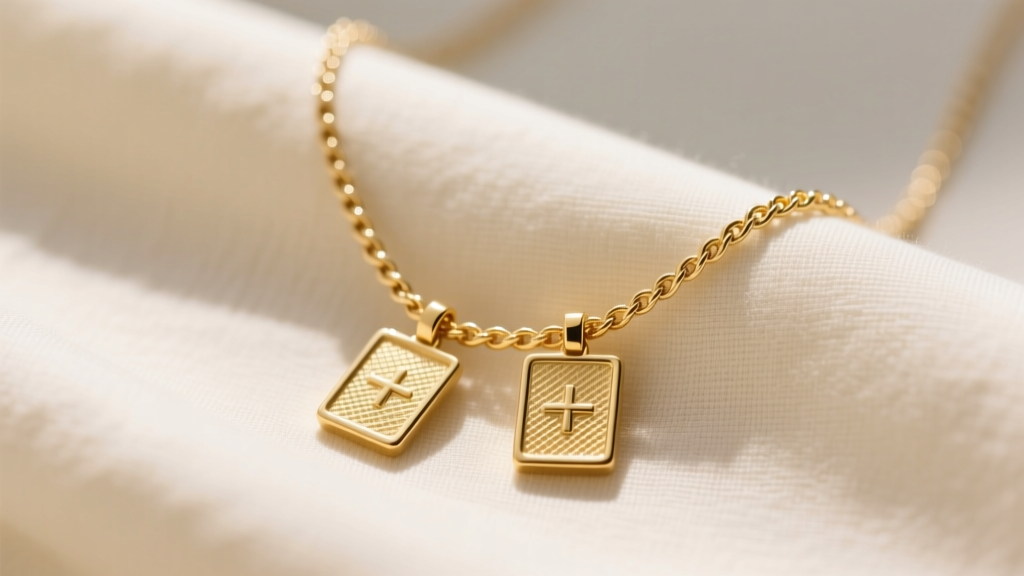
What Exactly is a Scapular Necklace?
If you are exploring meaningful jewelry, you have likely encountered the gold scapular necklace. Unlike standard pendants that rest solely on the chest, a scapular features two small medallions connected by a single continuous chain. When worn correctly, one pendant rests on the chest while the other drapes down the back, typically sitting between the shoulder blades. The design originates from monastic traditions, specifically the Carmelite order, where monks wore large cloth garments called scapulars over their shoulders as a symbol of devotion and protection. Over the centuries, this garment was reduced in size and adapted into a wearable jewelry piece, allowing individuals to keep their faith and personal intentions close to their skin at all times.
Today, the gold scapular necklace transcends strictly religious boundaries. While it remains a profound sacramental item for many Catholics, it is also embraced globally as a symbol of protection, mindfulness, and cultural heritage. Because of its unique front-and-back drape, buying a scapular requires a different approach than purchasing a standard chain necklace. You must consider friction, chain length, and metal durability to ensure the piece lasts a lifetime.
Decoding Gold Karats for Daily Wear
Because a scapular necklace is designed to be worn under clothing and rests directly against the skin on both your chest and back, it experiences a high degree of friction. This makes the choice of gold karat critical. Pure gold (24k) is far too soft for this application and would quickly bend or scratch. According to the Gemological Institute of America (GIA), gold used in jewelry is alloyed with other metals like copper, silver, and zinc to increase its structural integrity. Here is how the most common karats perform for scapulars:
| Karat | Gold Purity | Durability | Best For | Avg. Price Range |
|---|---|---|---|---|
| 10k | 41.7% | Very High | Budget-friendly, high-friction daily wear | $80 - $150 |
| 14k | 58.3% | High | Everyday scapulars, ideal balance of color and strength | $150 - $350 |
| 18k | 75.0% | Moderate | Special occasions, rich color but prone to scratching | $300 - $600+ |
For a gold scapular necklace, 14k gold is the undisputed champion. It offers the perfect equilibrium between a warm, rich yellow hue and the tensile strength required to withstand years of rubbing against skin, clothing, and bedsheets. If you opt for 18k gold, be prepared for the back pendant to accumulate micro-scratches over time due to the softer alloy.
Chain Styles and Lengths: Getting the Fit Right
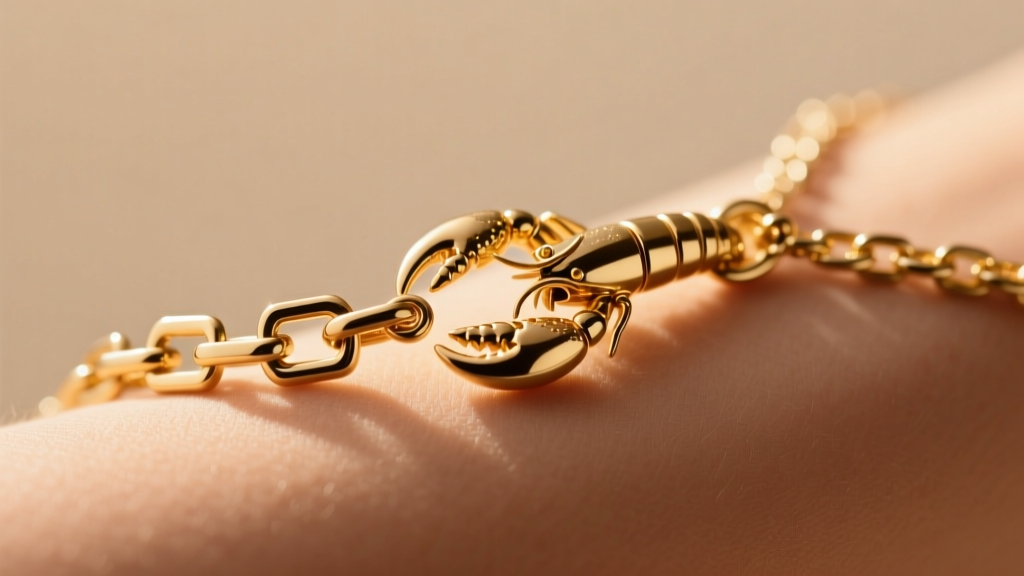
The mechanics of a scapular chain are entirely different from a standard collarbone necklace. A standard necklace sits at 16 to 18 inches. A scapular, however, must travel down the front of the torso, loop under the arms, and hang down the back. Getting the length and weave wrong will result in a piece that chafes your neck or tangles constantly in your hair.
Ideal Lengths for Front and Back Drape
- 24 Inches: This is the shortest acceptable length for a scapular. The front pendant will sit at the sternum, while the back pendant will rest high on the upper back. Best for petite frames or those who prefer a snugger fit.
- 28 Inches: The traditional and most popular length. The front pendant rests comfortably on the lower chest, and the back pendant sits perfectly between the shoulder blades. This length accommodates most body types without feeling restrictive.
- 32 Inches: Ideal for taller individuals or those who prefer wearing the scapular over thicker clothing during winter months. The pendants will hang lower, closer to the mid-torso.
Chain Weaves That Resist Tangling
Because the chain wraps around the back of your neck, it is highly susceptible to catching on hair. Avoid delicate, tightly woven chains like herringbone or snake chains, which act like tiny saws against hair follicles. Instead, opt for:
- Box Chains: Made of interlocking square links, box chains lie relatively flat and glide smoothly over skin and hair. A 1.0mm to 1.2mm thickness provides excellent durability without adding bulk.
- Rolo Chains: Featuring uniform round links, rolo chains are incredibly strong and resist kinking. They are slightly more textured than box chains but offer superior longevity.
- Standard Cable Chains: The classic oval-link design. While beautiful, ensure the links are soldered (closed with a tiny weld) so they do not pull apart when snagged.
Solid Gold vs. Gold Plated: A Cost and Longevity Breakdown
When shopping online, you will inevitably see gold plated or gold vermeil scapular necklaces priced between $30 and $60. While tempting, never buy a plated scapular for daily wear. The constant friction against the nape of your neck, combined with natural body oils and sweat, will strip the microscopic layer of gold plating off the chain within a few months. Once the plating wears away, the base metal (usually brass or copper) is exposed, which can cause severe skin discoloration and allergic contact dermatitis.
Investing in solid 10k or 14k gold ensures the necklace will never tarnish, rust, or turn your skin green. A solid gold scapular is a lifelong companion that can eventually be passed down as a family heirloom. If budget is a strict constraint, a smaller, lighter solid 10k gold scapular is always a superior choice to a heavy, thick gold-plated alternative.
How to Care for and Clean Your Scapular

Because scapulars are worn continuously—often through workouts, showers, and sleep—they accumulate dead skin cells, lotions, and sebum faster than jewelry worn only on special occasions. The Jewelers of America recommends regular, gentle cleaning to maintain the metal's luster and ensure skin hygiene.
Step-by-Step Cleaning Routine
- Create a Mild Solution: Mix a few drops of phosphate-free dish soap into a bowl of lukewarm water. Avoid hot water, which can weaken the jump rings connecting the pendants.
- Soak Briefly: Submerge the gold scapular necklace for 10 to 15 minutes to loosen accumulated oils and debris.
- Brush Gently: Use an ultra-soft baby toothbrush to gently scrub the chain links and the intricate engravings on the front and back pendants. Pay special attention to the bail (the loop connecting the pendant to the chain), where grime hides.
- Rinse and Dry: Rinse thoroughly under lukewarm running water. Pat dry with a lint-free microfiber cloth. Never air-dry, as water spots can dull the gold's finish.
Pro Tip: Avoid using ultrasonic cleaners if your scapular features any glued-in gemstones or enamel detailing, as the high-frequency vibrations can shatter the enamel or dislodge the stones. For solid, unadorned gold medallions, an ultrasonic cleaner used once a year is perfectly safe.
Final Thoughts on Choosing Your Piece
Selecting the right gold scapular necklace is a deeply personal decision that blends spiritual or cultural significance with practical jewelry mechanics. By prioritizing 14k solid gold, choosing a durable box or rolo chain, and selecting a 28-inch length for optimal drape, you guarantee a piece that is as resilient as it is meaningful. Whether you are purchasing it as a sacramental reminder of your faith, a protective talisman, or a unique layering piece that adds depth to your everyday wardrobe, a well-chosen scapular will remain a comforting, constant presence for decades to come.


