A Beginner's Guide to the Traditional Kukui Tree Nut Necklace
Discover the history, cultural meaning, and styling tips for the traditional Hawaiian kukui tree nut necklace in our beginner-friendly guide.

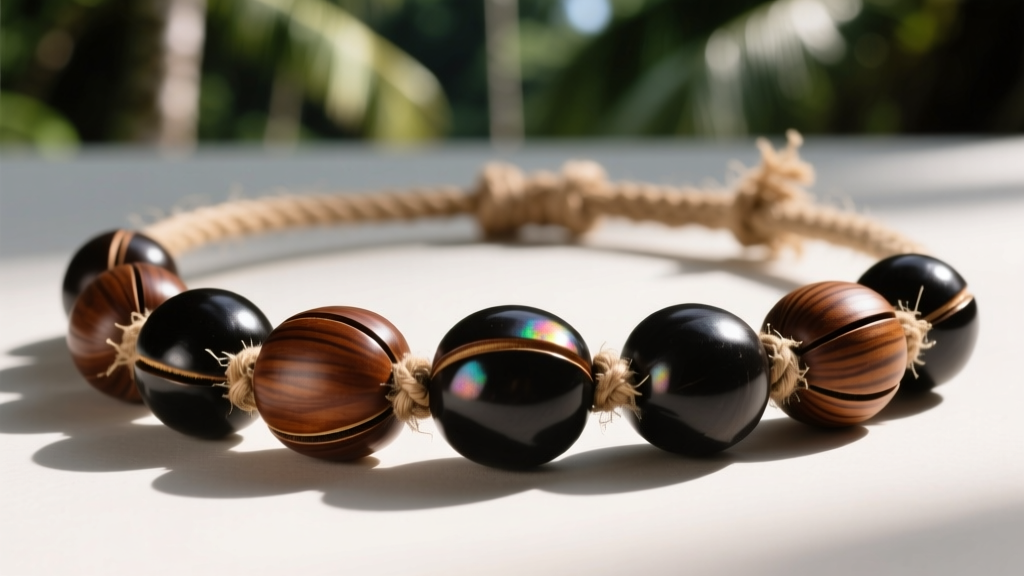
When exploring the rich heritage of Pacific Islander jewelry, few pieces carry as much historical weight and botanical fascination as the kukui tree nut necklace. Far from being a simple souvenir, this organic adornment is deeply woven into the cultural fabric of Hawaii. For beginners looking to understand, purchase, or wear this meaningful accessory, navigating the differences between mass-produced tourist trinkets and authentic, artisan-crafted heirlooms is essential. This comprehensive guide will walk you through the botanical origins, cultural protocols, and practical styling tips for integrating a kukui nut necklace into your modern wardrobe.
The Botanical and Historical Roots of the Kukui Nut
The kukui tree (Aleurites moluccanus), commonly known as the candlenut tree, holds the distinguished honor of being the official state tree of Hawaii. Polynesian voyagers brought the kukui tree to the Hawaiian islands in their canoes centuries ago, recognizing it as a vital 'canoe plant' essential for survival. The name 'kukui' translates directly to 'light' or 'torch,' a nod to the tree's most famous historical utility.
Before the introduction of modern lighting, Native Hawaiians extracted the rich, highly flammable oil from the nuts to fuel stone lamps. The nuts were also strung together, lit, and used as candles to measure time or provide illumination. Over generations, the transition of the kukui nut from a utilitarian light source to a revered piece of personal adornment occurred naturally. Chiefs and royalty (ali'i) began wearing intricately polished kukui nut leis as symbols of status, enlightenment, and protection. Today, the transformation of a raw, rough-hulled nut into a glass-like bead requires immense patience, utilizing techniques passed down through generations of local artisans.
Decoding the Colors: Natural Variations vs. Modern Dyes
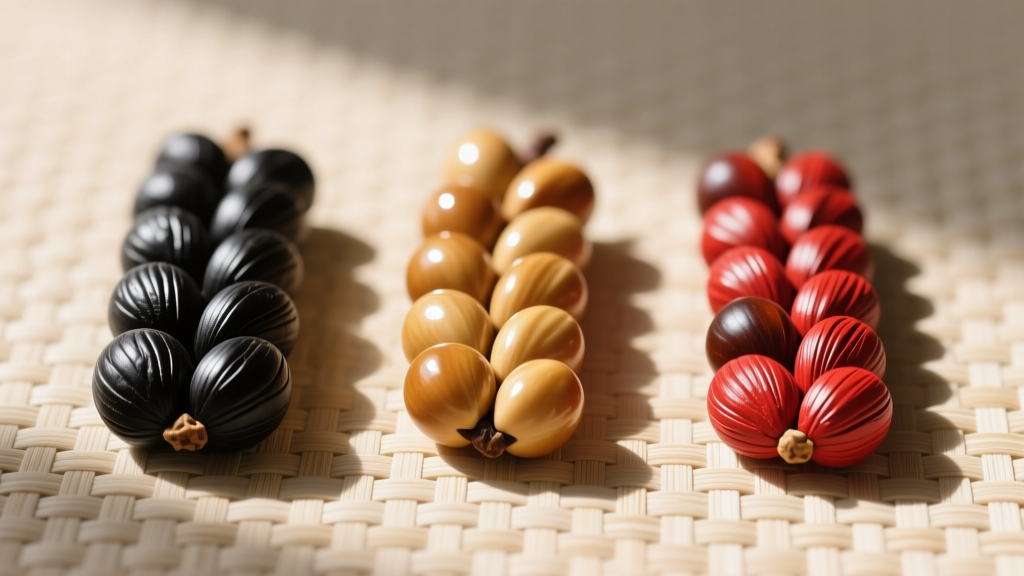
One of the most common questions beginners have is about the color of the nuts. While many assume all kukui nuts are naturally dark brown or black, the raw nut actually features a pale, cream-colored interior once the rough outer husk is removed. The color you see on a finished necklace is the result of specific polishing and treating methods.
| Color Profile | Creation Process | Traditional Meaning & Vibe | Average Price Range (Artisan) |
|---|---|---|---|
| Deep Black / Dark Brown | Heat-treated, smoked, or polished using traditional coral/sand friction, finished with dark kukui oil. | Represents the fertile earth, deep wisdom, and grounding energy. Highly traditional. | $65 - $120 |
| Blonde / Natural White | Carefully tumbled without heat or smoke, buffed with fine pumice, and sealed with clear beeswax or light oil. | Symbolizes purity, new beginnings, and the light of knowledge. Popular for weddings and graduations. | $80 - $150 |
| Painted / Dyed (Red, Blue, etc.) | Modern acrylic paints or chemical dyes applied post-polishing to match school colors or specific fashion trends. | Modern expression, sports fandom, or playful fashion. Lacks deep historical kaona (hidden meaning). | $25 - $50 |
Cultural Significance and Gifting Protocols
In Hawaiian culture, a lei is never 'just a necklace.' It is a physical manifestation of aloha (love, respect, and affection). When you are gifted a kukui tree nut necklace, you are receiving a blessing of protection and peace. According to cultural authorities like the Hawaii Tourism Authority's cultural guides, there are specific protocols for accepting and wearing these gifts.
First, never refuse a lei; doing so is considered highly disrespectful. When receiving the necklace, bow your head slightly to allow the giver to place it around your neck, and then offer a traditional honi (kiss on the cheek) or a warm hug. When wearing a closed-loop kukui lei, it should ideally rest on the collarbone, but if it is an open-ended strand with ties, it can be worn slightly lower. Finally, when the necklace reaches the end of its usable life, Hawaiian tradition dictates that organic jewelry should not be thrown in the trash. Instead, the string should be cut, and the nuts returned to the earth by burying them in a garden or scattering them in the ocean, completing the cycle of nature.
How to Spot Authentic Hawaiian Kukui Jewelry
The global market is flooded with plastic, resin, and cheap imported wood beads masquerading as authentic kukui. As a discerning buyer, you need to know how to identify genuine Aleurites moluccanus nuts. Here is a practical framework for authentication:
1. The Weight and Temperature Test
Real kukui nuts are surprisingly dense. A standard 18-inch strand of 12mm authentic nuts will have a noticeable, substantial heft, typically weighing between 45 and 60 grams. Plastic or resin imitations will feel unnaturally light. Furthermore, organic nut material feels cool to the touch when first picked up, whereas plastic quickly conforms to ambient room temperature.
2. Examining the Drill Holes and Texture
Look closely at the pula (the hole drilled through the nut). Authentic, hand-processed nuts will often show microscopic organic striations or slight asymmetry around the drill site. Mass-produced molds will have perfectly uniform, glass-smooth holes. Additionally, while high-end artisan nuts are polished to a glass-like finish using 60/90 silicon carbide grit followed by walnut shell media, they will still retain the organic, slightly asymmetrical teardrop or spherical shape of the natural seed.
3. Stringing Materials Matter
Authentic, high-quality kukui necklaces are never strung on cheap, clear elastic cord, which degrades rapidly under UV light and snaps easily. Look for strands threaded on 1.5mm braided nylon, waxed linen, or traditional twisted cotton. Artisan pieces often feature hand-carved toggles made from koa wood, cowrie shells, or bone, rather than mass-produced metal clasps.
Styling Your Kukui Nut Necklace for Modern Wear
While deeply traditional, the kukui tree nut necklace is remarkably versatile in a contemporary wardrobe. The key to styling organic jewelry is to let the natural texture of the piece serve as the focal point of your outfit.
Neckline Pairings
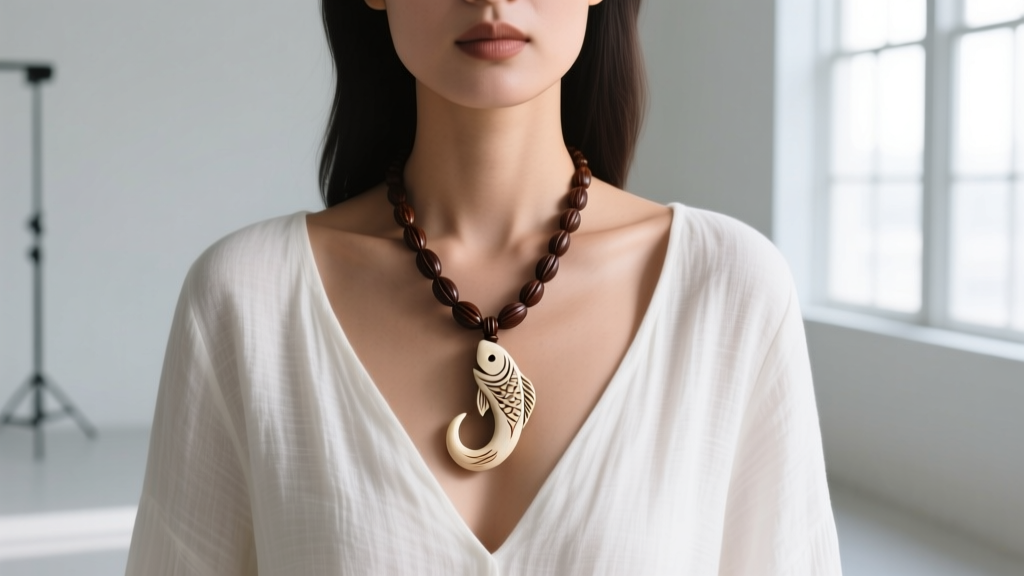
Kukui necklaces shine brightest against unpatterned, natural fabrics. A dark brown or black kukui strand provides a striking contrast against a crisp white linen button-down, a light grey cotton t-shirt, or a cream-colored silk blouse. Avoid wearing them over busy floral prints or heavy synthetic fabrics, which can clash with the organic, earthy vibe of the nuts. For men, a single strand of 10mm blonde kukui nuts worn over a dark navy or charcoal henley shirt creates a sophisticated, relaxed aesthetic.
Layering Techniques
If you want to layer your kukui necklace, stick to other organic, earth-toned materials. Pair a shorter 16-inch choker-style kukui strand with a longer 22-inch puka shell or carved koa wood pendant necklace. Avoid layering kukui nuts with highly reflective precious metals like diamond-studded gold or platinum, as the stark contrast in material value and light reflection can look disjointed. Instead, if you must mix metals, opt for brushed, matte-finish sterling silver or oxidized copper accents.
Care and Maintenance for Organic Nut Jewelry
Because kukui nuts are an organic, porous material, they require specific care to maintain their luster and structural integrity. Unlike gemstones or metals, organic nuts are susceptible to environmental damage if neglected. Institutions like the Bernice Pauahi Bishop Museum emphasize the importance of climate control for preserving Hawaiian organic artifacts, and the same principles apply to your jewelry.
- Moisture Control: Never wear your kukui necklace in the shower, pool, or ocean. Prolonged water exposure can cause the nuts to swell, crack, or develop internal mold. If the necklace gets wet, pat it dry immediately with a microfiber cloth and let it air dry in a well-ventilated area away from direct sunlight.
- Re-Oiling: Over time, the natural oils in the nut will evaporate, leaving the surface looking dull or chalky. Every six to twelve months, apply a single drop of food-grade macadamia nut oil or fractionated coconut oil to a soft cloth and gently buff each nut. Avoid mineral oil or petroleum-based products, which can trap dirt and turn rancid over time.
- Proper Storage: Store your necklace in a breathable cotton or linen pouch. Avoid sealing it in an airtight plastic bag, which can trap ambient humidity and promote fungal growth. Keep it away from extreme heat sources, such as radiators or the dashboard of a car, as intense heat will cause the organic oils to seep out and the nut shell to fracture.
By understanding the deep roots, cultural weight, and physical care requirements of the kukui tree nut necklace, you elevate it from a simple accessory to a cherished, wearable piece of history. Whether you choose a striking blonde strand for a summer wedding or a deep black heirloom piece for daily wear, treating the necklace with respect ensures it will carry its message of aloha for generations to come.


