Bendable Snake Necklace Buying Guide: What to Look For
Discover how to choose the perfect bendable snake necklace. Learn about armature cores, scale materials, kink prevention, and sizing in our expert guide.

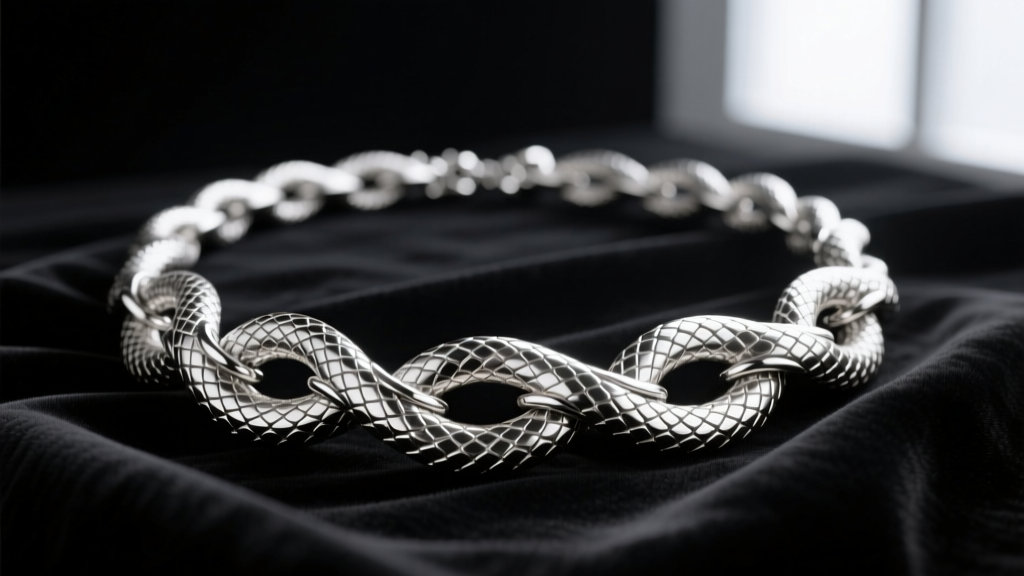
The search for the perfect bendable snake necklace often leads buyers down a confusing path of conflicting terminology and vastly different construction methods. Whether you are looking for a high-fashion poseable spine piece that wraps around your collarbone or a classic, fluid snake chain that drapes like liquid metal, understanding the structural engineering behind these pieces is critical. In this comprehensive 2026 buying guide, we break down the metallurgy, sizing mechanics, and common failure modes you must evaluate before investing in this unique jewelry category.
Decoding the Terminology: Poseable Spines vs. Flexible Chains
When consumers use the term "bendable snake necklace," they are generally referring to one of two distinct jewelry constructions. Confusing the two is the most common mistake buyers make, leading to mismatched expectations regarding how the piece will wear and drape.
The Poseable Articulating Spine
Poseable snake necklaces are sculptural, novelty, or avant-garde pieces designed to hold a physical shape. They feature an internal armature wire (usually annealed copper or aluminum) encased in silicone, leather, or articulated metal vertebrae. Because of the internal wire core, you can bend the necklace into a spiral, wrap it tightly around a wrist, or mold it to hug the exact contour of your neckline. These are highly tactile and interactive pieces.
The Flexible Snake Chain
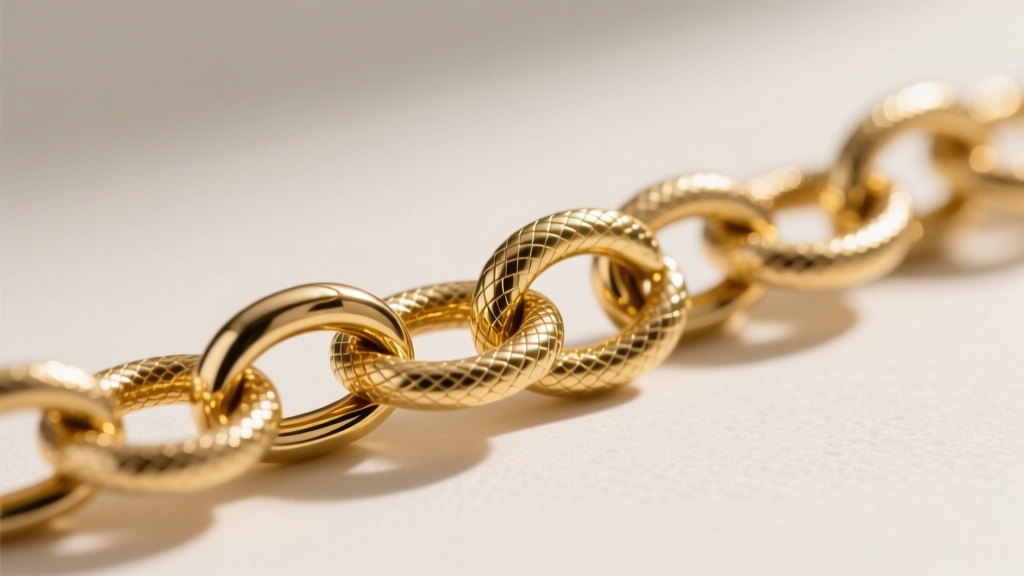
Conversely, a traditional snake chain is a specific type of jewelry finding. It is constructed from tightly interlocking metal cups or rings that form a smooth, continuous, and highly flexible tube. While it bends fluidly around the neck, it cannot hold a pose. It relies on gravity to drape. According to manufacturing standards outlined by Rio Grande, snake chains are prized for their sleek, modern aesthetic and their ability to support heavy pendants without tangling, but they possess strict minimum bend radius limitations.
Material Composition & Armature Mechanics
If you are purchasing a poseable articulating snake necklace, the internal armature is the single most important factor determining the piece's lifespan. The metal core must be malleable enough to bend repeatedly but strong enough to support the weight of the exterior scales.
Wire Gauge and Metallurgy
High-quality poseable snakes utilize a 14-gauge to 16-gauge (1.6mm to 1.3mm) annealed copper or aluminum core. Annealing is a heat treatment process that softens the metal, making it pliable. However, every time you bend the necklace, you introduce work hardening. Over time, the crystalline structure of the metal becomes brittle. Artisan jewelers often use pure copper cores because copper tolerates work hardening slightly better than aluminum before snapping, though it is heavier.
Scale Materials and Coatings
For the exterior scales, sterling silver (925) and PVD-coated brass are the industry standards. If you are buying a gold-toned bendable snake, insist on PVD (Physical Vapor Deposition) coating rather than traditional electroplating. PVD creates a molecular bond with the base metal, making it highly resistant to the friction and micro-abrasions that occur at the joints of an articulating piece. Electroplated scales will quickly rub off at the connection points due to the constant movement of the segments.
Sizing, Lengths, and Wrapping Capabilities
The functional length of a bendable snake necklace dictates how it can be styled. Because poseable snakes can be wrapped or looped, buyers often purchase them longer than traditional chains. Below is a structural sizing guide to help you choose the right length for your intended styling mechanics.
| Length Category | Measurement | Best Use Case & Wrapping Capability |
|---|---|---|
| Collar / Choker | 14 - 16 inches | Sits rigidly at the base of the neck. Cannot be wrapped. Best for rigid, sculptural posing. |
| Princess | 18 - 20 inches | Drapes over the collarbone. Allows for a single loose loop or asymmetrical draping. |
| Matinee / Lariat | 24 - 30 inches | Ideal for double-wrapping as a choker or spiraling around the wrist as a makeshift cuff. |
| Opera / Rope | 36+ inches | Maximum versatility. Can be triple-wrapped, tied in a knot, or worn as a layered lariat. |
Critical Failure Modes & Inspection Checklist
Before finalizing your purchase, whether buying from an independent artisan or a commercial brand, run through this inspection checklist to identify potential structural vulnerabilities.
- The Kink Threshold (Snake Chains): Traditional snake chains will permanently kink if bent at an angle sharper than 45 degrees. Inspect the chain under bright light for any pre-existing micro-kinks, which indicate poor prior handling and will eventually lead to chain snapping.
- Armature Fatigue (Poseable Snakes): Gently bend the necklace into a U-shape. If you hear a faint clicking or cracking sound, the internal armature has already suffered work hardening and is nearing its failure point.
- Clasp Weight Ratios: A heavy, articulating silver snake necklace requires a robust clasp. Avoid small spring-ring clasps, which will deform under the shear force of a heavy chain. Opt for a heavy-duty lobster clasp or a reinforced magnetic toggle with a minimum 15-pound tensile rating.
- Scale Shedding: Run your fingers backward against the grain of the scales. If any segments lift more than 2 millimeters or feel loose, the internal crimping mechanism is inadequate.
Pro-Tip on Metal Fatigue: Never leave a poseable snake necklace bent in a tight spiral during storage. Keeping the internal wire under constant tension accelerates work hardening and guarantees the core will snap. Always store it in a relaxed, straight, or gently curved position.
Maintenance, Storage, and Longevity
Proper maintenance is non-negotiable for bendable jewelry. The joints and interlocking segments are natural traps for skin oils, lotions, and environmental dust, which act as an abrasive paste that slowly grinds away the metal connections.
Cleaning Protocols
For flexible snake chains, use a soft-bristled baby toothbrush and a mild, phosphate-free dish soap solution. Brush gently in the direction of the chain links to avoid lifting the interlocking cups. Never use ultrasonic cleaners on snake chains; the high-frequency vibrations can shake the delicate tension rings loose, causing the chain to unravel or stiffen.
Conditioning Articulating Joints
For poseable metal spine necklaces, the joints require occasional lubrication to prevent squeaking and friction wear. A microscopic drop of synthetic watch oil applied to the primary articulation points every six months will preserve the fluid movement of the vertebrae. According to care guidelines from Jewelers of America, keeping articulated jewelry away from high-humidity environments and chemical vapors (like perfume or hairspray) is essential to prevent the internal armature from oxidizing and seizing up.
By understanding the distinct engineering behind poseable spines and flexible chains, you can confidently select a bendable snake necklace that not only makes a striking visual statement but also withstands the mechanical demands of daily wear.


