Gift Guide: How to Choose a Bespoke Colouring Necklace
Discover the perfect bespoke colouring necklace for any milestone. Our gift guide covers enamel types, occasion matching, and expert care tips.

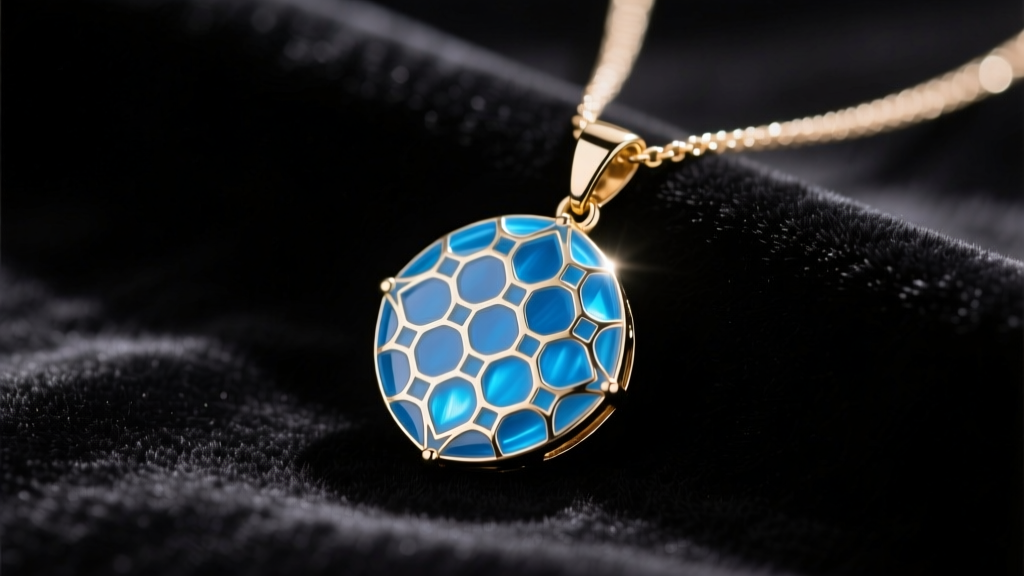
In the 2026 gifting landscape, mass-produced jewelry is taking a backseat to deeply personalized, artisan-crafted pieces. Among the most sought-after trends is the bespoke colouring necklace. Far from a simple craft project, a modern colouring necklace refers to high-end, customizable enamel, guilloché, or UV-cured resin pendants where the color palette is meticulously mixed and "colored" by a master jeweler to match a specific sentiment, a loved one's eye color, or a milestone birthstone. Whether you are exploring interactive thermochromic pieces that shift hues with body heat or traditional kiln-fired vitreous enamel, selecting the right colouring necklace requires an understanding of materials, craftsmanship, and occasion matching.
This comprehensive gift guide will walk you through the technical nuances of enamel and resin jewelry, helping you choose a piece that is not only visually stunning but structurally enduring.
The Anatomy of a Colouring Necklace: Enamel vs. Resin
When commissioning or purchasing a custom-colored pendant, the medium used to achieve the hue dictates the piece's longevity, price, and care requirements. According to the Lang Antiques University, the history of enamel in jewelry is vast, but modern buyers generally choose between two primary categories:
1. Vitreous Enamel (Kiln-Fired)
Vitreous enamel is essentially powdered glass fused to a metal base at extreme temperatures (typically between 1,400°F and 1,600°F). The result is a brilliant, scratch-resistant, and permanent color that will not fade or yellow over time. Techniques like guilloché (where translucent enamel is layered over engine-turned metal patterns) and plique-à-jour (stained-glass style enamel with no metal backing) are the hallmarks of luxury colouring necklaces. Because of the high skill level and kiln requirements, vitreous enamel pieces are premium investments.
2. Cold Enamel and UV-Cured Resin
Cold enamel is not actually enamel, but rather a specialized epoxy or UV-cured resin. Artisans use this medium for "coloring" intricate champlevé (carved out) recesses in sterling silver or brass. While modern UV resins offer incredible color saturation and allow for gradients that are difficult to achieve with glass, they are softer and more prone to micro-scratches. However, they are significantly more affordable and allow for rapid customization.
Occasion Matching: Which Palette and Technique to Gift?
Matching the material and color to the specific milestone ensures your gift carries the appropriate emotional and financial weight. Use the matrix below to guide your selection.
| Milestone / Occasion | Recommended Technique | Color Palette Concept | Estimated Price Range |
|---|---|---|---|
| Anniversary (5+ Years) | Guilloché Vitreous Enamel | Deep translucent sapphire or emerald over 18k gold engine-turning. | $800 - $2,500+ |
| Graduation / New Career | Thermochromic Resin | Color-shifting resin (e.g., black to vibrant university colors) activated by skin warmth. | $120 - $350 |
| 18th or 21st Birthday | Champlevé Cold Enamel | Bespoke color-blocking matching the recipient's birthstone or eye color. | $150 - $400 |
| Valentine's Day / Romance | Plique-à-jour Enamel | Translucent ruby or rose quartz hues that catch the light like stained glass. | $1,200 - $4,000+ |
Pro Tip for Gifting: If you are gifting a thermochromic colouring necklace, include a small note explaining the interactive element. The magic of these pieces only reveals itself when the resin warms against the wearer's skin, shifting from a dormant dark shade to a vibrant, personalized color.
Selecting the Right Chain and Gauge
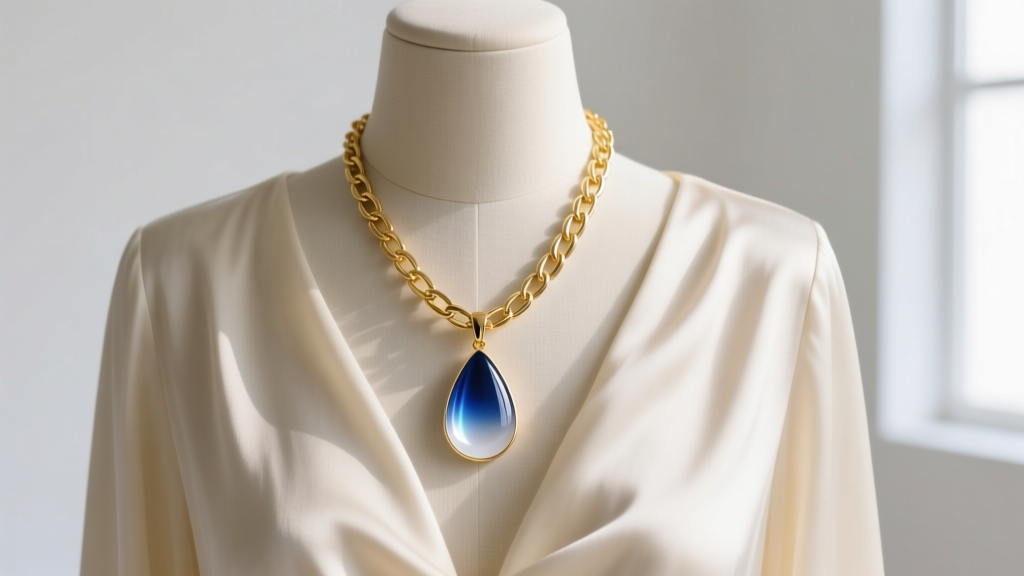
A common mistake buyers make when gifting a bespoke pendant is underestimating the weight of the piece. Enamel and resin require a solid metal base, often making the pendant surprisingly heavy. Pairing a heavy guilloché pendant with a delicate 0.8mm chain will result in the chain snapping or the pendant flipping backward awkwardly.
Chain Pairing Guidelines
- Lightweight Cold Enamel (Under 5g): A 1.0mm to 1.2mm sterling silver or 14k gold cable chain is sufficient. Cable chains offer a classic look and allow the colorful pendant to remain the focal point.
- Medium Vitreous Enamel (5g - 12g): Opt for a 1.5mm to 1.8mm box chain or wheat chain. Box chains provide excellent structural integrity and reflect light beautifully, complementing the glass-like finish of vitreous enamel.
- Heavy Statement Pieces (12g+): Use a 2.0mm to 2.5mm rope or Figaro chain. Ensure the bail (the loop connecting the pendant to the chain) is lined with a protective metal sleeve to prevent the enamel from chipping against the chain links.
The Customization Process: What to Expect
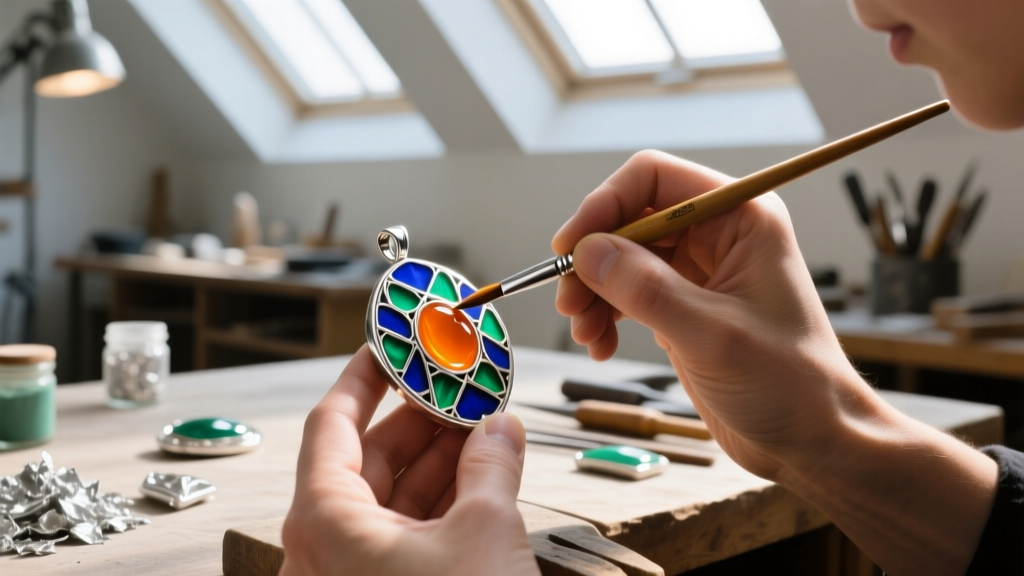
Ordering a bespoke colouring necklace is an involved process that requires lead time. If you are planning this for a specific holiday or anniversary, you must account for the artisan's workflow. According to the Victoria and Albert Museum's archives on jewelry craftsmanship, traditional enamel work requires multiple firing stages. A single vitreous enamel pendant may require up to six separate kiln firings to build the depth of color and prevent cracking during the cooling process.
Expect a lead time of 6 to 10 weeks for custom vitreous pieces. Cold enamel and UV resin pieces can often be completed in 2 to 4 weeks. Always ask the jeweler for a "color proof"—a small cured resin or glass swatch mailed to you before the final piece is set, ensuring the bespoke hue perfectly matches your vision.
Care, Maintenance, and Pitfalls
To ensure your gifted colouring necklace remains an heirloom, the recipient must be educated on proper care. The number one enemy of both vitreous enamel and cold resin is thermal shock and ultrasonic vibration.
Crucial Care Rules
- Never Use Ultrasonic Cleaners: The high-frequency vibrations can shatter vitreous glass enamel and cause cold resin to detach from the metal base. The Gemological Institute of America (GIA) consistently warns against using ultrasonic machines on any porous or layered jewelry.
- Avoid Chemical Exposure: Chlorine in swimming pools and harsh household cleaners will permanently cloud the surface of UV-cured resins and dull the finish of the metal base.
- Cleaning Method: Use only a soft, lint-free microfiber cloth and warm soapy water (mild dish soap). Gently wipe the surface and dry immediately to prevent water spots on the glass-like finish.
A bespoke colouring necklace is more than just an accessory; it is a wearable piece of art, imbued with personal meaning and masterful technique. By understanding the differences between kiln-fired glass and modern resins, selecting the appropriate chain gauge, and matching the technique to the milestone, you can gift a piece of jewelry that will be cherished for a lifetime.


