Chino Necklace Troubleshooting: Fix Links & Clasps
Is your chino necklace tangling, tarnishing, or breaking? Discover expert troubleshooting tips to fix clasps, restore links, and prevent skin discoloration.

Understanding the Vulnerabilities of the Chino Chain
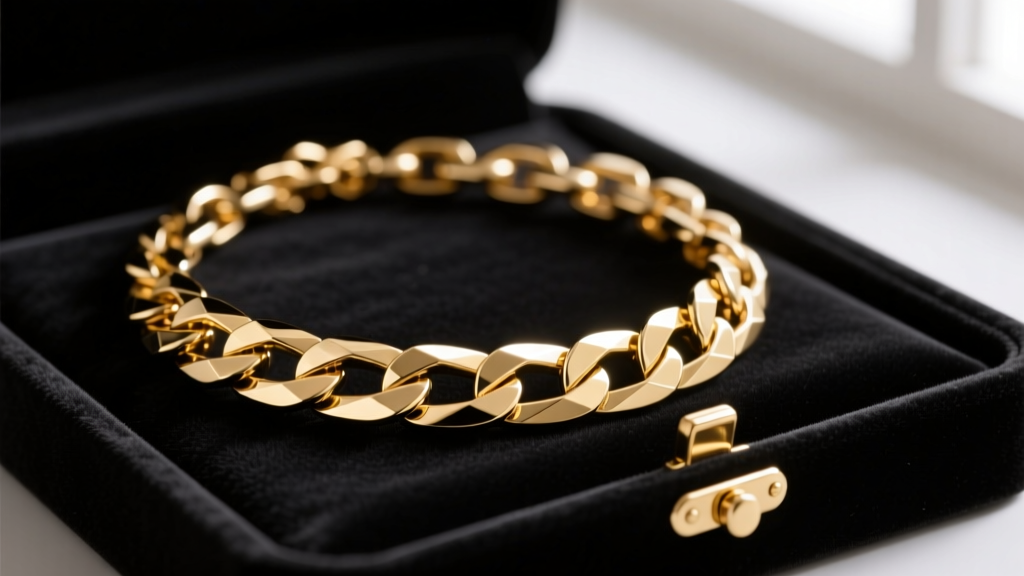
The chino necklace is a staple in both classic and urban jewelry collections, celebrated for its flat, interlocking links that sit flush against the skin and catch the light beautifully. Often featuring a diamond-cut bevel, the chino link offers a bold, reflective surface that rivals the Cuban curb. However, the very geometry that makes the chino chain so visually striking also introduces specific structural vulnerabilities. Because the links are wide and flat, they are highly susceptible to kinking, edge scratching, and stress-induced stretching.
Furthermore, the weight distribution of a thick chino necklace places immense lateral tension on the clasp and the terminal jump rings. If you are experiencing issues with your chain—ranging from skin discoloration and clasp failure to stubborn tangles and stretched links—you are not alone. This comprehensive troubleshooting guide will walk you through the metallurgy, mechanics, and maintenance required to restore and protect your chino necklace.
Problem 1: Skin Discoloration and Tarnishing
One of the most frequent complaints regarding gold chino chains is the dreaded "green neck" effect or rapid tarnishing of the metal. This is rarely an issue with the gold itself, but rather a chemical reaction involving the alloy metals and your body chemistry.
The Metallurgy of Tarnishing
Pure 24k gold is entirely hypoallergenic and will never tarnish, but it is far too soft to be fashioned into a durable chino link. Therefore, jewelers alloy gold with metals like copper, silver, zinc, and nickel. According to the Gemological Institute of America (GIA), the lower the karatage, the higher the percentage of these reactive base metals. When the copper in 10k or 14k gold reacts with the lactic acid and salts in your sweat, it creates copper chloride, which manifests as a green or black residue on your skin.
| Material Grade | Tarnish Risk | Primary Cause | Troubleshooting Solution |
|---|---|---|---|
| 24k / 22k Solid Gold | None | N/A | Wipe with microfiber; no chemical reaction. |
| 18k Solid Gold | Very Low | Minor copper oxidation | Clean weekly with mild dish soap to remove sweat buildup. |
| 14k / 10k Solid Gold | Moderate | High copper/silver content reacting to skin acids | Apply a jewelry sealant or rhodium plate the inner links. |
| Gold-Plated Brass | High | Plating wears off, exposing highly reactive brass core | Re-plate the chain or retire it; avoid wearing during exercise. |
Hollow vs. Solid Construction
Many affordable chino necklaces are manufactured using hollow links to reduce gram weight and cost. Hollow links are often filled with resin or left empty. If the outer gold layer on a hollow chain is compromised by a micro-scratch, moisture becomes trapped inside the link, accelerating internal oxidation that is impossible to polish away. If your hollow chino chain is turning dark from the inside out, professional ultrasonic cleaning will not help; the chain must be chemically stripped and re-plated by a master jeweler.
Problem 2: Clasp Failure and Security Risks
The chino link is inherently heavy. A standard 20-inch, 10mm solid gold chino necklace can easily weigh between 60 and 90 grams. Relying on a standard spring-ring or a small lobster clasp for a chain of this mass is a critical failure point. The lateral tension caused by the chain's weight will eventually warp the clasp's internal spring mechanism or pull the terminal jump ring apart.
Upgrading to a Box Clasp with Safety Figures
To troubleshoot and prevent catastrophic clasp failure, you must upgrade to a diamond-cut box clasp equipped with a double figure-8 safety catch. The box clasp utilizes a V-shaped tension tongue that clicks securely into a reinforced square housing, distributing the chain's weight across a wider surface area rather than relying on a tiny internal spring.
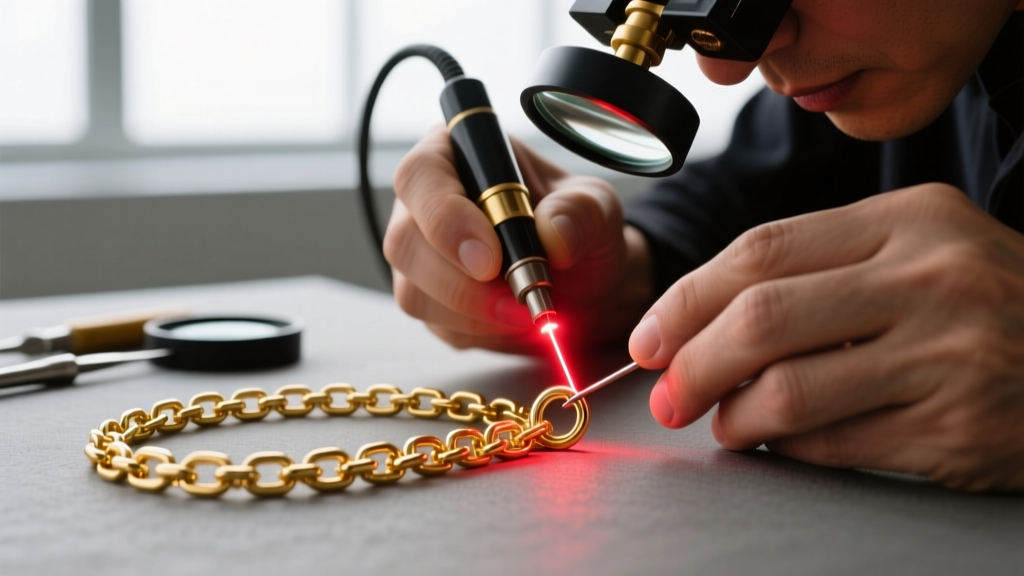
The figure-8 safety catches (the small wire loops that hinge on one side of the clasp and hook onto a button on the other side) act as a redundant security measure. If the primary tongue fails or is accidentally depressed, the figure-8 wires will catch the chain before it falls. When taking your chain to a jeweler for a clasp upgrade, ensure they use laser welding to attach the new terminal rings. Traditional torch soldering can melt the delicate, flat edges of the adjacent chino links, permanently scarring the chain's pattern.
Problem 3: Link Stretching, Kinking, and Tangling
Because chino links are wide and lie flat, they do not articulate with the same fluid, multi-directional flexibility as a rope or cable chain. If a chino necklace is folded sharply or caught on an object, the links can kink, bend, or stretch out of their geometric alignment.
How to Safely Untangle and Realign a Kinked Chain
Never pull forcefully on a tangled chino necklace. Pulling will cause the interlocking links to bind against each other, resulting in severe stress fractures at the solder joints. Instead, follow this professional troubleshooting method:
- Lubricate the Knot: Lay the chain flat on a clean, hard surface. Apply a small amount of baby powder or talcum powder directly to the kinked area to reduce friction between the flat metal surfaces.
- Use Precision Tools: Take two sewing needles or fine-tipped awls. Insert the tips into the center of the knotted links and gently wiggle them in opposite directions to loosen the bind.
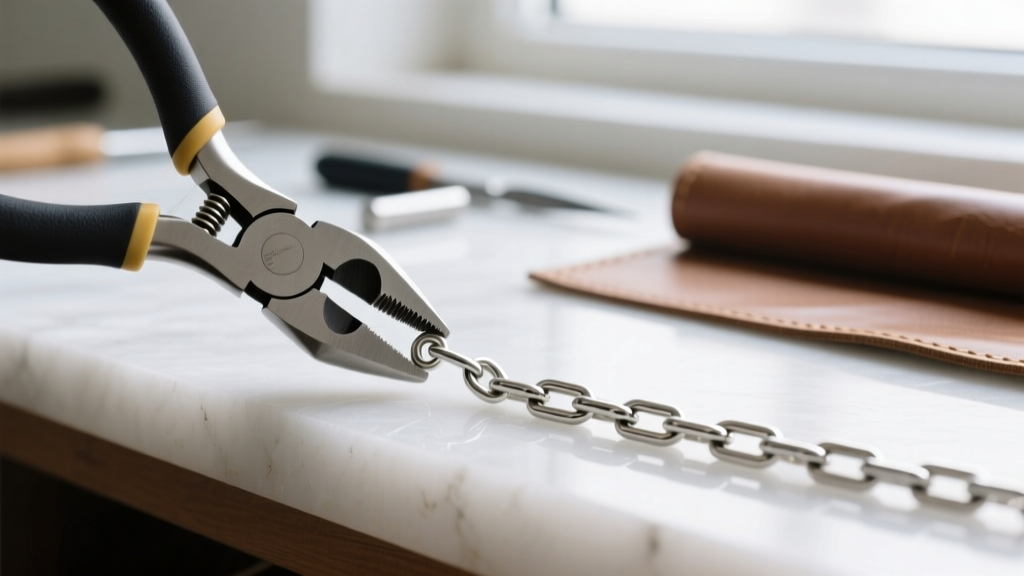
- Realign Stretched Links: If a link has been stretched into an oval shape, do not use standard steel pliers, as they will mar the diamond-cut finish. Use two pairs of flat-nose pliers fitted with nylon jaws. Grip the distorted link gently and apply micro-squeezes to coax the metal back into its original rectangular geometry.
Daily Maintenance and Professional Repair
Proper maintenance is the ultimate troubleshooting tool for preserving the structural integrity and visual brilliance of your chino necklace. The flat, polished surfaces of the links act like mirrors, meaning they show fingerprints, skin oils, and micro-scratches more readily than textured chains.
The Dangers of Ultrasonic Cleaners
While ultrasonic cleaners are excellent for solid cable chains, they can be highly destructive to chino necklaces, particularly hollow or semi-solid variations. The high-frequency acoustic cavitation bubbles generated by the ultrasonic waves can violently shake loose the delicate solder joints that hold the flat links together. Furthermore, if your chino chain features any resin-filled hollow links, the heat generated by the ultrasonic process can melt the internal resin, causing the links to collapse.
Safe Cleaning Protocol
According to Jewelers of America, the safest and most effective way to clean flat-link chains is manually. Follow this protocol:
- Mix a few drops of phosphate-free dish soap (like Dawn) into a bowl of lukewarm water.
- Submerge the chino necklace for 5 to 10 minutes to loosen sebum and dead skin cells trapped between the flush links.
- Use a baby toothbrush with ultra-soft bristles to gently sweep along the seams of the interlocking links. Do not scrub aggressively against the diamond-cut bevels.
- Rinse thoroughly under distilled water to prevent hard water spots, and pat dry with a lint-free microfiber cloth.
Storage to Prevent Kinking
Never toss a chino necklace into a jewelry box drawer. The weight of the chain will cause it to fold upon itself, leading to stubborn kinks. Always hang your chino necklace on a dedicated jewelry arbor or a padded hook. If you must travel with the chain, lay it completely flat in a dedicated leather roll, or thread one end of the chain through a plastic drinking straw and re-clasp it. This rigid housing prevents the chain from bending or tangling during transit.
Final Thoughts on Chino Chain Longevity
A well-crafted chino necklace is a lifetime investment that commands attention and elevates any wardrobe. By understanding the specific metallurgical and mechanical challenges of the flat interlocking link design, you can proactively troubleshoot issues before they result in permanent damage. Whether you are upgrading to a secure box clasp, utilizing nylon-jaw pliers to fix a stretched link, or simply adjusting your cleaning regimen to avoid ultrasonic damage, these expert strategies will ensure your chino chain remains pristine, secure, and brilliantly reflective for decades to come.


