Aunt and Niece Necklace Guide: Metals, Meanings & Styles
Discover how to choose the perfect aunt and niece necklace. Our expert guide covers metal grades, chain styles, and meaningful pendant designs.

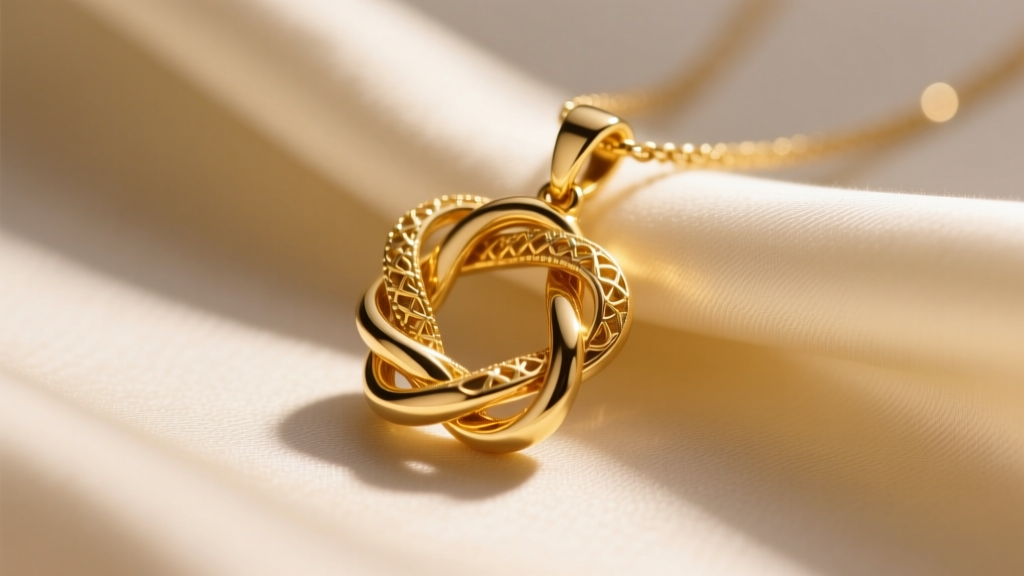
The bond between an aunt and her niece is a unique tapestry of mentorship, friendship, and unconditional love. In 2026, the tradition of gifting an aunt and niece necklace has evolved far beyond generic, mass-produced heart pendants. Today's discerning buyers are seeking heirloom-quality pieces that combine deep symbolic meaning with rigorous metallurgical standards. Whether you are shopping for a newborn's welcome gift or a milestone 16th birthday present, understanding the anatomy of fine jewelry is critical to making an investment that survives the test of time.
The Emotional Weight of the Aunt-Niece Bond
Unlike maternal jewelry, which often focuses on the immediate mother-child tether, an aunt and niece necklace represents a chosen, supportive relationship. It is a symbol of the "safe harbor" an aunt provides. When selecting a piece, the design should reflect this nuanced dynamic. Avoid overly juvenile motifs if the niece is a teenager; instead, opt for sophisticated, layered symbolism that she will be proud to wear into adulthood. The most successful pieces balance sentimental engraving with minimalist, everyday aesthetics.
Decoding Pendant Styles: Beyond the Basic Heart
While interlocking hearts remain popular, the modern jewelry market offers vastly superior alternatives that convey connection without relying on clichés.
Interlocking Rings and Sailor Knots
For interlocking ring pendants, ensure the individual rings are soldered closed. Unsoldered jump rings will eventually pull apart under the tension of daily wear, leading to lost pendants. A sailor's knot or a continuous Celtic weave represents an unbreakable bond and provides excellent structural integrity because the metal is cast as a single, continuous piece.
Birthstone Integrations and Mohs Hardness
Incorporating birthstones adds a deeply personal touch, but you must consider the GIA's Mohs Hardness Scale. If your niece is under 10, avoid pearls (Mohs 2.5) or opals (Mohs 5.5) for daily wear pendants, as they will scratch and crack during playground activities. Opt for sapphires or rubies (Mohs 9), which easily survive the impacts of an active lifestyle. For a subtle approach, use tiny 1.5mm bezel-set accent stones rather than large prong-set gems that can catch on clothing.
Compass and Directional Motifs
A compass pendant symbolizes guidance and finding one's way, perfectly encapsulating the aunt's role as a mentor. Look for pendants with functional or deeply engraved cardinal directions, ideally cast in solid metal rather than hollow-stamped, which dents easily.
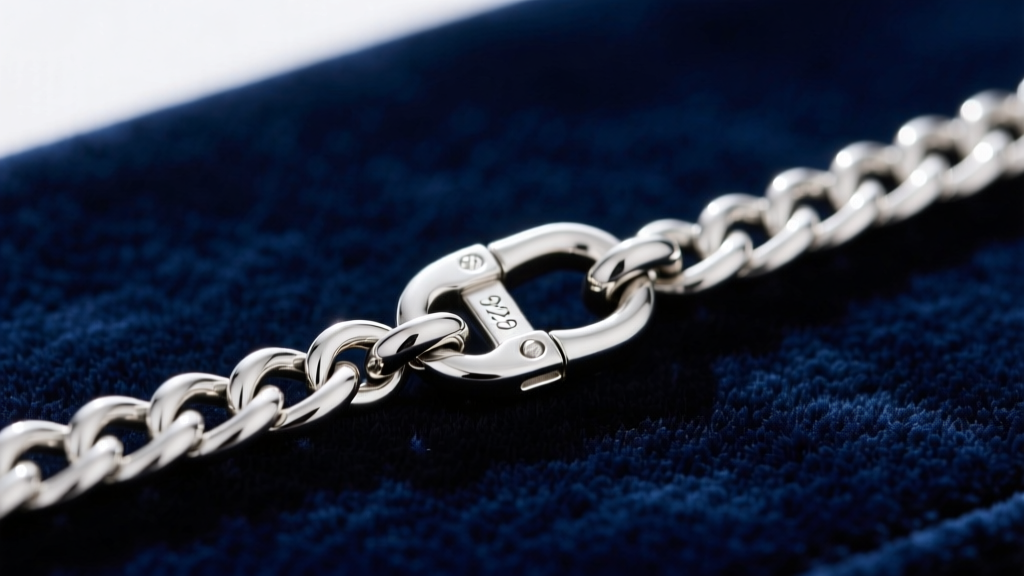
Metallurgy 101: Choosing the Right Alloy for Daily Wear
The longevity of an aunt and niece necklace is entirely dependent on the base metal. According to standards outlined by Jewelers of America, understanding alloy compositions prevents premature tarnishing and skin irritation.
| Metal Grade | Composition | Tarnish Resistance | Avg. Price Range |
|---|---|---|---|
| 925 Sterling Silver | 92.5% Silver, 7.5% Copper | Low (Requires Rhodium Plating) | $45 - $120 |
| 14k Yellow Gold | 58.5% Gold, Silver/Copper | High | $250 - $600 |
| 18k Rose Gold | 75% Gold, Copper/Silver | High (Patina develops) | $400 - $850 |
| PT950 Platinum | 95% Platinum, 5% Ruthenium | Extreme (Hypoallergenic) | $800 - $1,500+ |
Expert Warning on White Gold: Standard 14k white gold contains nickel to achieve its color. When the factory-applied rhodium flash plating wears off after 12-18 months, it exposes the nickel alloy, frequently causing contact dermatitis on the sensitive skin of the neck. For sensitive skin, demand PT950 platinum or palladium-white gold alloys.
Chain Anatomy: Selecting a Durable Link
The chain is the weakest point of any necklace. A beautiful pendant is useless if the chain snaps. Here is how the top three chain styles perform in real-world scenarios:
- Box Chains: Composed of square links, these offer high tensile strength and a brilliant, reflective surface. However, they are prone to permanent kinking if bent sharply or slept in.
- Rolo Chains: Featuring uniform, round interlocking links, rolo chains offer the best snag resistance. They glide over hair and clothing, making them the premier choice for young nieces who are active and prone to pulling on their jewelry.
- Wheat (Spiga) Chains: Woven in a braided pattern, these are incredibly strong and rarely break. The trade-off is that the textured surface can occasionally catch on fine, loose hair.
Always verify the wire gauge. For a lightweight pendant (under 3 grams), a 1.0mm to 1.2mm chain is sufficient. For heavier gemstone pendants, upgrade to a 1.5mm or 2.0mm gauge to prevent metal fatigue at the clasp connection point.
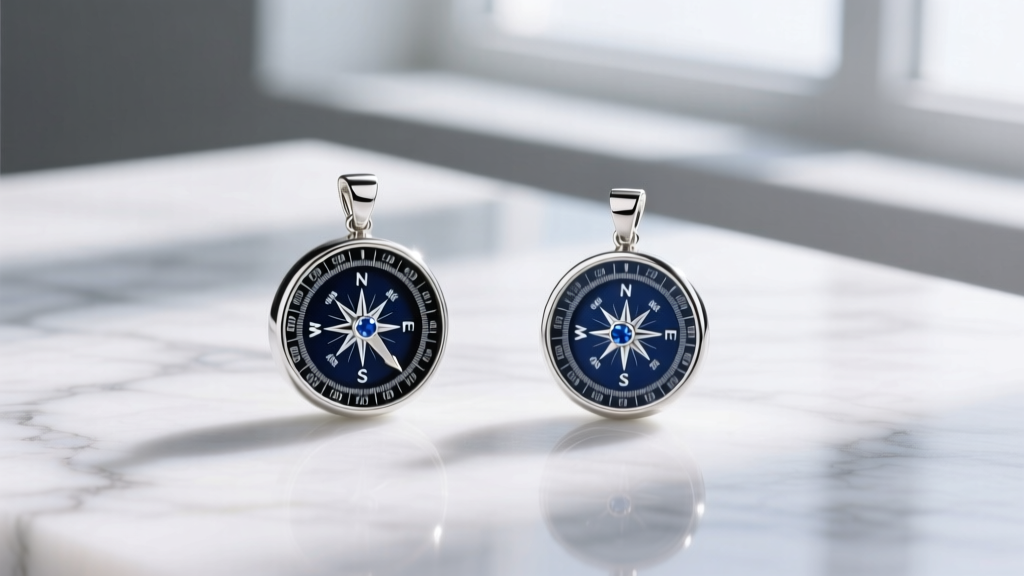
Sizing and Proportions: Getting the Drop Length Right
Nieces grow, and necklines change. A rigid, fixed-length chain is a poor investment for a child or teenager. Always purchase a necklace with an adjustable extender chain—typically a 16-inch base chain with a 2-inch extender. This allows the piece to sit perfectly on a child's collarbone and be lengthened to an 18-inch drop as she grows into adulthood, accommodating deeper necklines and layering trends.
For the aunt's matching piece, an 18-inch or 20-inch chain is generally the most flattering, resting comfortably below the clavicle and avoiding the high-neck friction zone that causes premature chain wear.
Expert Troubleshooting: Clasp Failures and Allergies
The clasp is the most common failure point in fine jewelry. Avoid spring ring clasps at all costs. They rely on a microscopic internal spring that easily fails, and their small circular shape makes them nearly impossible to operate with one hand or for anyone with limited dexterity.
Instead, insist on a lobster claw clasp. The lever mechanism is robust, and the larger surface area provides a secure grip. For premium pieces, look for a "safety catch"—a secondary figure-eight wire that loops over the jump ring, ensuring the pendant is not lost even if the primary clasp mechanism fails.
Final Verdict: Where to Invest Your Budget
When buying an aunt and niece necklace, allocate the majority of your budget toward the chain's structural integrity and the metal's purity rather than the sheer carat weight of accent stones. A solid 14k gold rolo chain with a minimalist, soldered-knot pendant will outlast a heavily gemstone-encrusted, hollow-stamped silver piece by decades. By prioritizing metallurgical quality and thoughtful, age-agnostic design, you ensure the necklace remains a cherished daily wearable rather than a forgotten trinket in a jewelry box.


