Expert Care and Cleaning Tips for Effy Necklaces
Discover expert care, cleaning, and maintenance tips for Effy necklaces. Learn how to safely clean 14k gold, diamonds, and delicate colored gemstones.

Effy Jewelry is globally renowned for its vibrant gemstone palettes, intricate pave diamond settings, and signature 14k gold Panther motifs. However, the very complexity that makes Effy necklaces so captivating also makes them uniquely vulnerable to improper cleaning and daily wear. From the delicate shared prongs of a pave diamond halo to the fracture-filled nature of natural emeralds, maintaining these pieces requires a highly specific, scientifically grounded approach. In this comprehensive 2026 guide, we break down the exact metallurgical and gemological protocols required to clean, store, and preserve your Effy necklaces without causing microscopic damage or irreversible clouding.
Understanding the Metallurgy and Gemology of Effy Pieces
Before applying any cleaning solution, it is critical to understand the materials that constitute your specific Effy necklace. Effy predominantly utilizes 14k gold (yellow, white, and rose) and sterling silver, accented with natural diamonds and a wide spectrum of colored gemstones.
The 14k Gold Alloy Vulnerability
Pure 24k gold is too soft for fine jewelry, so Effy uses 14k gold, which contains 58.5% pure gold alloyed with metals like copper, silver, and zinc. While this increases durability, it introduces a severe vulnerability: stress corrosion cracking. When 14k gold alloys are exposed to chlorine (found in swimming pools, hot tubs, and harsh household bleach), the chlorine attacks the copper and zinc molecules at a microscopic level. Over time, this causes the alloy to become brittle, leading to catastrophic prong failure and lost diamonds. Never clean your Effy necklaces with chlorine-based solutions, and always remove them before swimming.
White Gold and Rhodium Plating
If your Effy necklace is crafted in 14k white gold, it is important to remember that white gold is naturally yellowish. It achieves its bright, silvery-white appearance through a microscopic flash of rhodium plating. Aggressive polishing cloths, ultrasonic cavitation, and harsh chemical dips will strip this rhodium layer prematurely, revealing the duller alloy beneath and requiring an expensive professional replating.
The Universal Safe-Cleaning Protocol
For standard Effy necklaces featuring 14k gold and natural, untreated diamonds, the following step-by-step protocol is the safest and most effective method to restore brilliance without risking structural damage.
- Prepare the Solution: Fill a small glass bowl with lukewarm distilled water. Add three drops of a mild, phosphate-free, and lotion-free dish soap (such as original blue Dawn). Avoid soaps with added moisturizers, which leave a cloudy film on diamond pavilions.
- Soak: Submerge the necklace for exactly 15 to 20 minutes. This allows the surfactant to break down the sebum (body oils), dead skin cells, and cosmetic residues trapped beneath the pave settings.
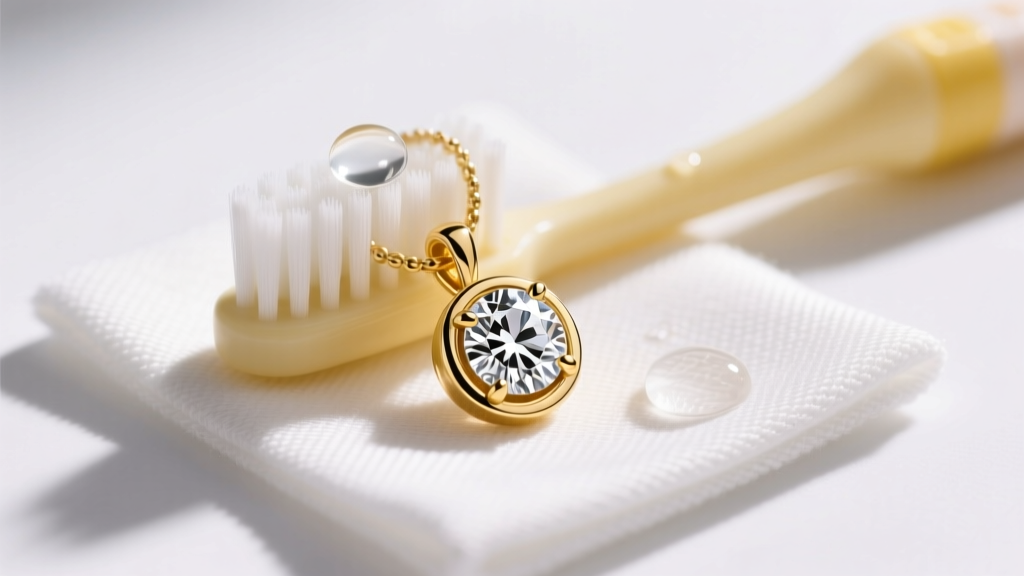
- Agitate Gently: Using a brand-new, ultra-soft baby toothbrush, gently sweep the bristles across the jewelry. Crucial Technique: Do not scrub in circles. Use gentle, straight strokes from the back of the setting toward the front to push debris out from under the diamond culets.
- Rinse and Dry: Rinse the necklace under a gentle stream of lukewarm distilled water over a plugged sink (to prevent accidental loss). Pat dry with a lint-free microfiber cloth. Never use paper towels, as the wood fibers can cause microscopic scratches on softer gold alloys and leave lint trapped in the prongs.
Critical Warnings for Colored Gemstones and Pearls
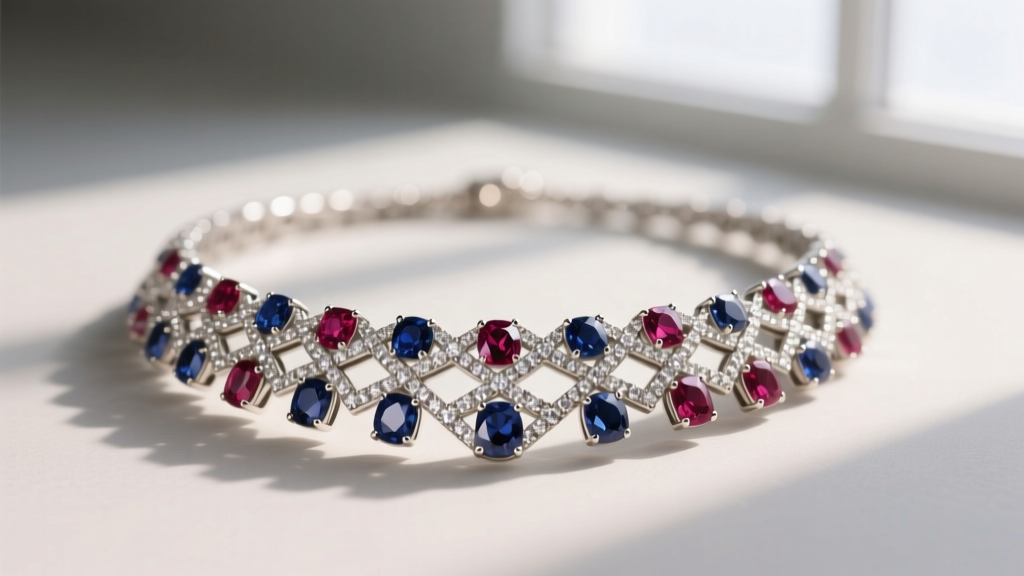
Effy is famous for its bold use of colored gemstones, including emeralds, sapphires, rubies, amethysts, and opals. The universal cleaning protocol outlined above can be highly destructive to many of these stones. According to the Gemological Institute of America (GIA), different gemstones possess vastly different physical properties and treatment histories that dictate their care.
The Emerald and Opal Danger Zone
Over 90% of natural emeralds on the market are fracture-filled with cedar oil or synthetic resins to improve clarity. If you place an Effy emerald necklace into an ultrasonic cleaner, the high-frequency sound waves create microscopic bubbles that collapse (cavitation). This localized shockwave and heat will literally boil the oil out of the emerald, leaving it looking cloudy, white, and heavily fractured. Similarly, opals contain up to 20% water; heat from steam cleaners or prolonged soaking can cause them to craze (crack internally).
Gemstone Cleaning Safety Matrix
Use the following data table to determine the safety of mechanical and thermal cleaning methods for the specific gemstones in your Effy necklace.
| Gemstone Type | Mohs Hardness | Ultrasonic Safe? | Steam Safe? | Specific Vulnerability & Care Note |
|---|---|---|---|---|
| Diamond | 10 | Yes (usually) | Yes | Fracture-filled diamonds can cloud. Stick to manual brushing. |
| Sapphire / Ruby | 9 | Yes | Yes | Heat-treated stones are safe. Avoid if fracture-filled with lead glass. |
| Emerald | 7.5 - 8 | NO | NO | Oils will be destroyed. Clean only with a damp, soapy cloth. |
| Amethyst / Citrine | 7 | Yes | NO | Prolonged heat or intense UV light can cause color fading. |
| Opal / Pearl | 5.5 - 6.5 | NO | NO | Highly porous. Wipe only with a dry, soft cloth. Never soak. |
For Effy necklaces featuring pearls or opals, bypass all liquids. Simply wipe the stones gently with a dry, untreated microfiber cloth after each wear to remove acidic perspiration, which can permanently etch the surface of pearls over time.
Daily Maintenance and Advanced Storage Strategies
Proper care extends far beyond the cleaning process; how you store and wear your Effy necklaces dictates their long-term structural integrity.
Combating Tarnish and Micro-Scratches
Sterling silver and lower-karat gold alloys are prone to tarnishing when exposed to sulfur compounds in the air. To combat this, store your Effy necklaces in individual, airtight polyethylene ziplock bags. For an added layer of protection, include a 3M anti-tarnish strip or a piece of Pacific Silvercloth inside the bag. These materials actively absorb sulfur and hydrogen sulfide gases before they can react with the copper in your jewelry alloys.
The "Last On, First Off" Rule
Cosmetics, perfumes, and hairsprays contain alcohols and volatile organic compounds (VOCs) that can degrade the polish on gold and damage porous gemstones. Always apply your beauty products and allow them to dry completely before putting on your necklace. Conversely, your necklace should be the very first thing you take off when you return home, preventing it from being exposed to evening skincare routines or acidic cooking fumes.
Professional Servicing and Rhodium Replating
Even with meticulous at-home care, mechanical wear is inevitable. The Jewelers of America recommends having fine jewelry professionally inspected every 12 to 18 months. For Effy necklaces, this is particularly crucial for two reasons:
- Prong Tightening: Effy's signature pave settings utilize dozens of microscopic shared prongs. Daily friction against clothing can slowly wear these prongs down. A jeweler can check the gallery wire and tighten the prongs under a microscope before a diamond is lost.
- Black Rhodium Preservation: Many pieces in the Effy Panther collection utilize black rhodium plating to create contrast and highlight the animal motifs. Unlike white rhodium, black rhodium cannot be easily polished or re-dipped without risking the loss of the intricate textural details. If your black rhodium begins to wear, consult a specialized master jeweler who has experience with localized electroplating rather than attempting to buff it yourself.
By respecting the specific metallurgical and gemological properties of your Effy necklaces, you ensure that their vibrant colors and brilliant diamond accents remain as striking as the day they were unboxed. Ditch the harsh chemical dips and ultrasonic machines, and embrace the gentle, precise cleaning protocols that fine jewelry demands.


