How to Style a Traditional Nigerian Necklace for Modern Events
Learn how to style, layer, and care for a traditional Nigerian necklace. Expert tips on weight distribution, coral grades, and modern neckline pairing.

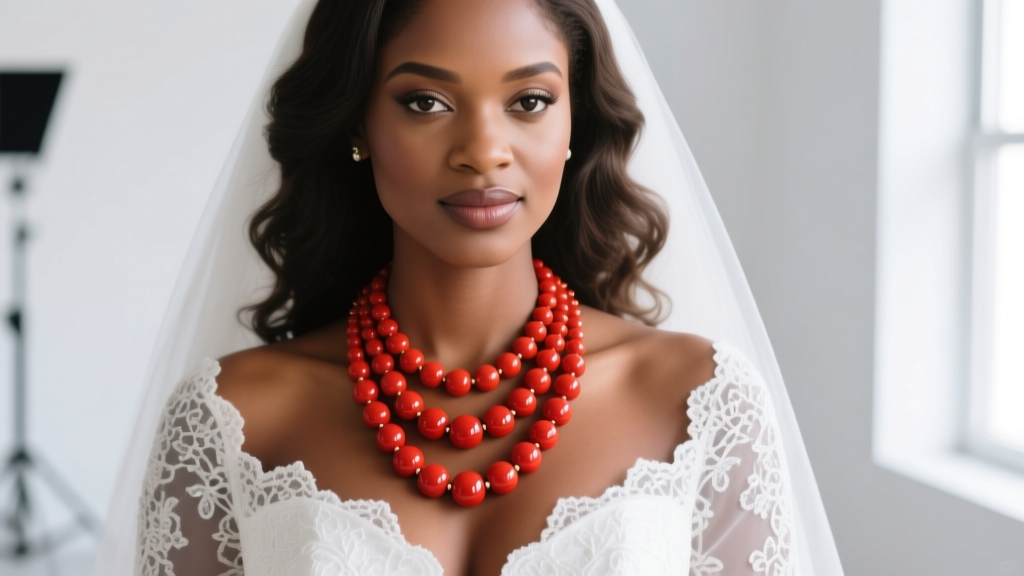
The traditional Nigerian necklace—often recognized by its striking, multi-strand red coral beads—is a masterpiece of cultural heritage and sartorial elegance. Historically revered by the Edo people as Akka and by the Yoruba as Iyun, these pieces were once strictly reserved for royalty and high-ranking chiefs. Today, they are a staple in modern Nigerian weddings, galas, and global haute couture. However, styling a heavy, porous, and culturally significant piece for contemporary events requires more than just slipping it over your head. As we navigate 2026's bridal and gala trends, the focus has shifted toward blending heritage pieces with modern silhouettes while preserving the integrity of the beads.
This comprehensive guide will walk you through the exact steps to prep, layer, and maintain your Nigerian necklace, ensuring it sits perfectly and safely against your skin.
Understanding the Anatomy and Materials
Before styling, you must understand what you are wearing. Genuine Mediterranean coral is composed of calcium carbonate (CaCO3), giving it a Mohs hardness of just 3.5 to 4.0. This makes it highly susceptible to scratching, chemical damage, and heat. Because a standard 5-strand necklace featuring 12mm beads can weigh upwards of 450 grams, the stringing material and clasp are just as critical as the beads themselves.
| Material Type | Average Bead Size | Weight (5-Strand) | Porosity & Care Level | Market Price Range |
|---|---|---|---|---|
| Genuine Mediterranean Coral | 10mm - 14mm | 350g - 500g | Highly Porous (Requires strict care) | $1,500 - $5,000+ |
| Dyed Howlite (Coral Simulant) | 8mm - 12mm | 400g - 600g | Low Porosity (Moderate care) | $80 - $250 |
| Resin / Acrylic Blend | 12mm - 16mm | 150g - 250g | Non-Porous (Low maintenance) | $30 - $120 |
Step-by-Step Guide: Prepping Your Neck and Neckline
Wearing a 400-gram beaded necklace directly against bare skin for eight hours can cause friction burns, discoloration of the beads from skin oils, and severe neck fatigue. Follow these steps to prepare your canvas.
Step 1: Skin Protection and Weight Distribution
Never apply perfume, setting spray, or acidic body lotions immediately before putting on a genuine coral Nigerian necklace. The acids and alcohols will degrade the calcium carbonate polish over time. Instead, apply a barrier. Use a lightweight, non-greasy primer or a specialized jewelry barrier film on your collarbones. For weight distribution, consider wearing a thin, velvet-lined choker underneath the coral strands. The velvet grips the beads, preventing them from sliding and pulling on your skin, while distributing the 450g load across a wider surface area.
Step 2: Choosing the Right Neckline
The architectural volume of a multi-strand Nigerian necklace demands a neckline that frames it without competing. According to the Smithsonian National Museum of African Art, traditional beadwork is meant to signify status and draw the eye upward. To achieve this with modern gowns:
- Sweetheart Neckline: The ideal canvas. The dip in the center allows the shortest strand (usually 14-16 inches) to sit flush against the skin, while the longer strands cascade into the negative space.
- Off-the-Shoulder / Bardot: Excellent for exposing the collarbone, but ensure the longest strand does not catch on the fabric's hem.
- Halter / High-Neck: Avoid these entirely. The friction between the coral beads and a high fabric collar will scratch the beads and ruin the garment's threading.
Layering Techniques: Blending Heritage with Contemporary Jewelry
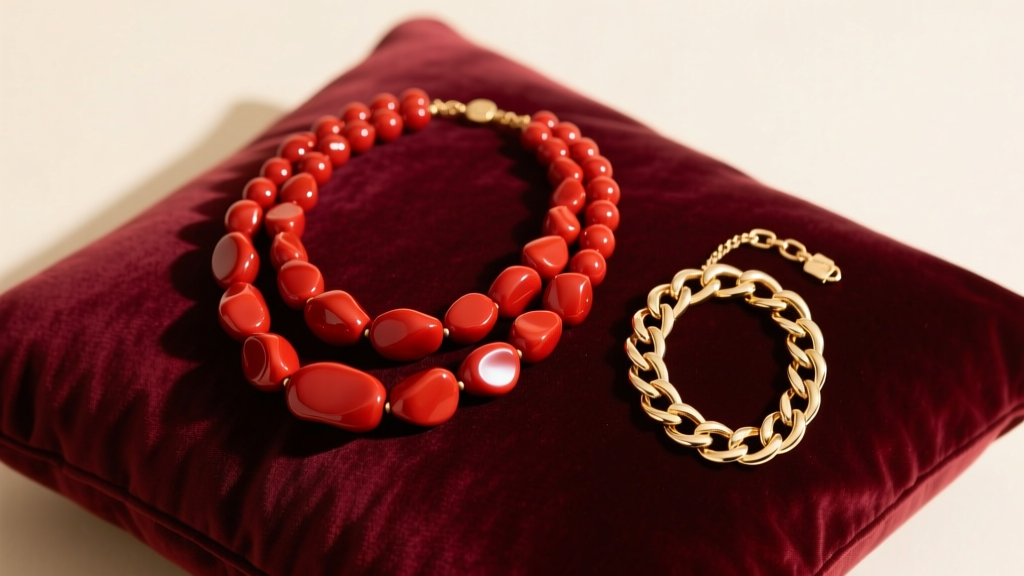
In 2026, the rigid rules of wearing traditional beads exclusively with traditional attire (like the Aso Oke or George wrapper) have evolved. Fashion stylists are now layering Nigerian necklaces with contemporary metallic chains for fusion gala looks. To do this without looking cluttered, use the Anchor-Contrast-Filler framework.
The Golden Rule of Coral Layering: Never let metallic chains rub directly against genuine coral beads. The metal will act like a file against the 3.5 Mohs hardness of the coral, leaving permanent gray scuff marks. Always use a fabric barrier or space them with a 2-inch gap.
The 3-Tier Layering Framework
- The Anchor (14 inches): Your innermost coral strand. This sits tight to the neck.
- The Contrast (18 inches): A chunky, modern 18k gold paperclip chain or a thick silver Cuban link. This provides a metallic break between the heavy coral and the outer layers.
- The Filler (22+ inches): The remaining coral strands, allowed to drape loosely over the metallic chain and onto the bodice of the dress.
Maintenance: Cleaning and Storing Porous Coral Beads
Proper maintenance is non-negotiable for genuine coral. The Gemological Institute of America (GIA) explicitly warns against using ultrasonic cleaners, steamers, or commercial jewelry dips on organic gems like coral, pearl, and amber. The vibrations can shatter the beads, and the chemicals will strip their natural luster.
The 3-Step Post-Wear Cleaning Routine
- Wipe Down: Immediately after removing the necklace, wipe each strand with a dry, untreated microfiber cloth to remove skin oils and sweat.
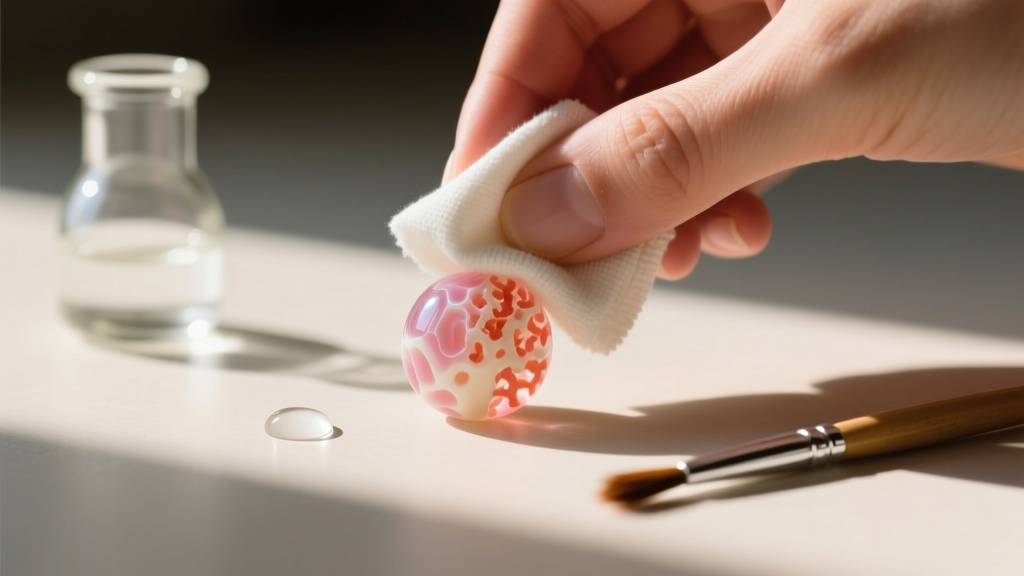
- Damp Polish (Monthly): If the beads look dull, slightly dampen a soft cloth with distilled water (never tap water, as chlorine and fluoride can react with the stone) and gently buff the beads. Dry immediately.
- Restringing: A heavy Nigerian necklace puts immense tension on its stringing material. If your piece is strung on traditional cotton or silk, it must be restrung every 12 to 18 months. For modern wear, have a jeweler restring the beads on a 0.024-inch nylon-coated stainless steel beading wire with crimp beads, which will not stretch or rot from humidity.
Troubleshooting Common Wear Issues
Even with perfect preparation, heavy beaded necklaces present physical challenges. Here is how to troubleshoot the most common issues on the day of your event.
Issue: The Clasp Keeps Slipping to the Front
The Cause: The weight of the front strands pulls the necklace downward, causing the back clasp to migrate forward, especially if you are dancing or moving frequently.
The Fix: Abandon traditional hook-and-eye clasps. Upgrade your necklace with a neodymium magnetic clasp encased in a silicone safety sleeve. The magnet holds the weight securely, while the silicone sleeve provides friction against the skin of your nape, anchoring the clasp at the back of your neck. Alternatively, attach a small, discreet silicone earring back or jewelry stopper behind the clasp to grip the skin.
Issue: The Strands are Tangling and Bunching
The Cause: Multi-strand necklaces often feature a single clasp where all strands are looped together, allowing them to twist over one another.
The Fix: Use a multi-strand separator clasp (a rectangular clasp with individual hooks for each strand). If you cannot restring the piece before your event, use tiny, clear silicone jewelry spacers between the strands at the nape of the neck to keep them fanned out and parallel.
Issue: Skin Discoloration Under the Beads
The Cause: If you are wearing a dyed howlite or resin simulant rather than genuine coral, the dye can bleed when exposed to sweat and body heat, leaving red or orange streaks on your collarbone.
The Fix: Test your beads before the event by rubbing them with a cotton swab dipped in rubbing alcohol. If color transfers, the beads are dyed. You must seal the beads with a light coat of clear, jewelry-safe acrylic spray, or wear a sheer, skin-toned mesh turtleneck underneath the necklace to act as a physical barrier.
Mastering the art of wearing a Nigerian necklace is about respecting its history while engineering its wearability. By understanding the material properties of coral, upgrading your stringing and clasps, and strategically pairing the piece with modern necklines, you can carry this magnificent cultural artifact with absolute confidence and comfort.


