Gifting a Tarnished Sterling Silver Necklace: A Restoration Guide
Learn how to safely restore and gift a tarnished sterling silver necklace for milestone occasions. Expert cleaning methods and heirloom presentation tips.

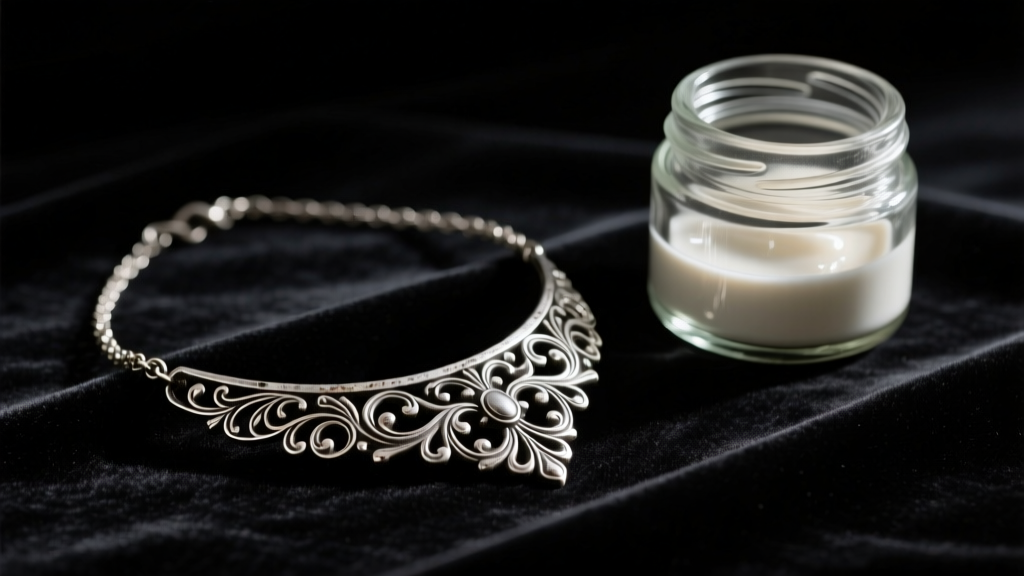
In 2026, the shift towards sustainable, circular fashion has made gifting restored estate jewelry significantly more desirable than buying mass-produced new pieces. There is a profound emotional weight to presenting an heirloom or vintage find, but discovering a tarnished sterling silver necklace in an inherited collection or at an estate sale can initially feel like a setback. However, tarnish is not permanent damage; it is simply a surface-level chemical reaction. With the right metallurgical knowledge and careful technique, you can safely strip away decades of oxidation and reveal the brilliant, reflective luster beneath, transforming a forgotten accessory into a breathtaking, occasion-ready gift.
The Emotional Weight of Gifting Restored Silver
When you gift a restored piece of vintage silver, you are not just giving a necklace; you are gifting a narrative. Unlike contemporary fast-fashion jewelry, estate pieces carry the hallmarks of historical craftsmanship, from hand-forged Art Deco clasps to intricate Edwardian filigree work. Giving a tarnished sterling silver necklace that you have personally researched, carefully cleaned, and thoughtfully presented demonstrates a level of effort and intentionality that a brand-new, store-bought item simply cannot match. It signals to the recipient that you value heritage, sustainability, and the unique imperfections that come with a piece that has lived a previous life.
Understanding Tarnish: Chemistry and Composition
To safely restore a piece, you must first understand what you are dealing with. Sterling silver is an alloy composed of 92.5% pure silver and 7.5% other metals, almost always copper. Pure silver is highly resistant to tarnish, but the copper added for structural durability is highly reactive. When copper and silver are exposed to hydrogen sulfide and moisture in the atmosphere, they form silver sulfide ($Ag_2S$), which manifests as the yellowish, brown, or black film we call tarnish.
According to the Gemological Institute of America (GIA), it is crucial to distinguish between destructive tarnish and intentional oxidation. Many vintage pendants and chain links feature 'oxidized' or 'blackened' recesses designed to highlight intricate engraving and provide visual contrast. If you aggressively polish or dip these pieces, you will strip the intentional patina, flattening the design and significantly reducing the necklace's aesthetic and monetary value.
Evaluating the Piece Before Cleaning
Before applying any cleaning method, inspect the necklace under a bright LED loupe. Look for structural weaknesses, such as worn jump rings, compromised solder points on the clasp, or thinning chain links. Tarnish can sometimes mask micro-fractures in the metal. If the chain feels brittle or the clasp mechanism is loose, take it to a professional bench jeweler for laser welding before attempting any chemical restoration.
Safe Restoration Techniques for Gifting
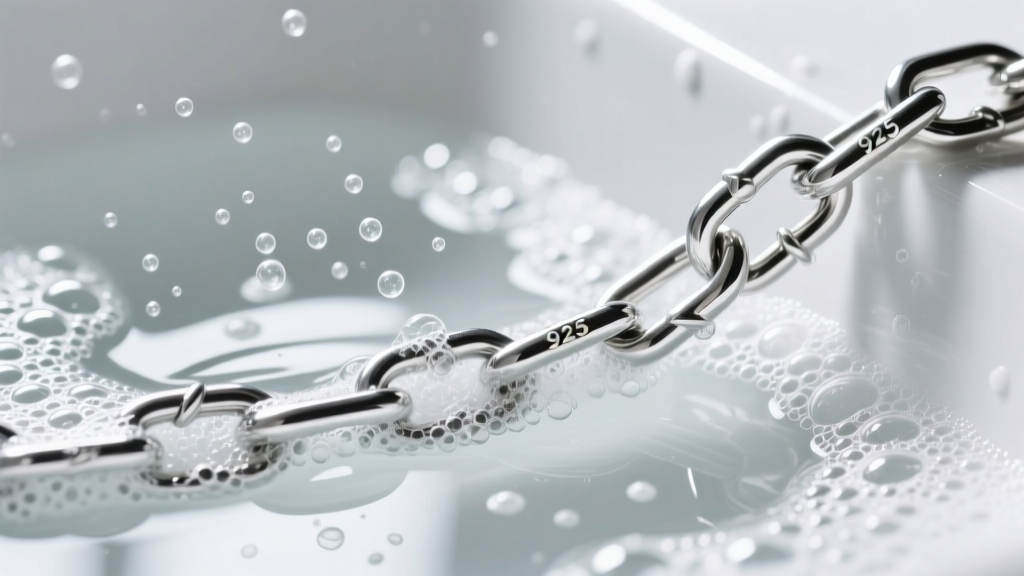
There are several ways to remove silver sulfide, but they are not all created equal. Abrasive polishes remove a microscopic layer of the actual silver along with the tarnish, which can degrade delicate antique patterns over time. The safest, most effective method for a solid 925 silver chain without porous gemstones is the electrochemical reduction bath. This method reverses the chemical reaction, converting the silver sulfide back into pure silver without removing any metal.
The Electrochemical Reduction Bath
- Line a glass or ceramic bowl with heavy-duty aluminum foil, shiny side up.
- Place the tarnished sterling silver necklace in the bowl, ensuring it physically touches the aluminum foil.
- Sprinkle 2 tablespoons of baking soda and 1 tablespoon of non-iodized salt over the jewelry.
- Pour boiling water into the bowl until the necklace is fully submerged. You will immediately see bubbling and smell a faint sulfur (rotten egg) odor as the silver sulfide transfers from the silver to the aluminum.
- Leave it for 3 to 5 minutes, then remove with wooden tongs, rinse thoroughly in distilled water, and pat dry with a microfiber cloth.
Cleaning Method Comparison Chart
| Cleaning Method | Best Used For | Gemstone Safety | Risk Level |
|---|---|---|---|
| Electrochemical Bath | Solid 925 chains, plain pendants | Unsafe for porous stones | Low (if no stones) |
| Commercial Silver Dip | Heavy, uniform tarnish | Highly destructive to all stones | High (leaves residue) |
| Microfiber Polishing Cloth | Light surface tarnish, daily upkeep | Safe for all gemstones | Very Low |
| Professional Ultrasonic | Deep crevices, diamond accents | Unsafe for emeralds, opals, pearls | Medium (vibration damage) |
Critical Gemstone Warning: The Smithsonian Museum Conservation Institute strictly advises against submerging porous or organic gemstones in any liquid or chemical bath. If your vintage necklace features pearls, turquoise, malachite, lapis lazuli, opals, or coral, you must clean the silver components manually using a Q-tip and a gentle, non-ammonia silver polish, carefully avoiding the stones. These materials are highly porous and will absorb chemicals, leading to irreversible discoloration or structural crumbling.
Occasion Matching: When to Give Restored Silver
Matching the restored piece to the right occasion elevates the gift from a simple accessory to a meaningful milestone marker.
- 50th Wedding Anniversaries: Silver is the traditional gift for a 25th anniversary, but a restored vintage piece from the era of the couple's wedding year is a profound, highly personalized gift for a 50th or 60th milestone.
- Graduations and Coming of Age: Gifting a restored heirloom locket or a sturdy vintage curb chain symbolizes the passing of wisdom and family history to the next generation as they enter adulthood.
- Sympathy and Remembrance: Presenting a cleaned and polished piece inherited from a passed loved one serves as a beautiful, wearable memorial, allowing the recipient to keep a tangible piece of their family history close to their heart.
Sourcing Authenticated Tarnished Silver
If you do not have a family heirloom to restore, the estate market is ripe with opportunities. In 2026, raw, heavily tarnished Edwardian-era 925 silver chains can be sourced on estate marketplaces and auction sites for $25 to $60. Fully restored Art Deco pendants with verified maker's marks typically range from $180 to $450. Always look for the '925' stamp, or older British hallmarks like the Lion Passant, to verify authenticity before purchasing a tarnished piece. Avoid pieces marked 'EPNS' (Electroplated Nickel Silver), as the electrochemical bath will strip the thin silver plating right off the base metal.
Presentation and Packaging for Heirloom Gifts
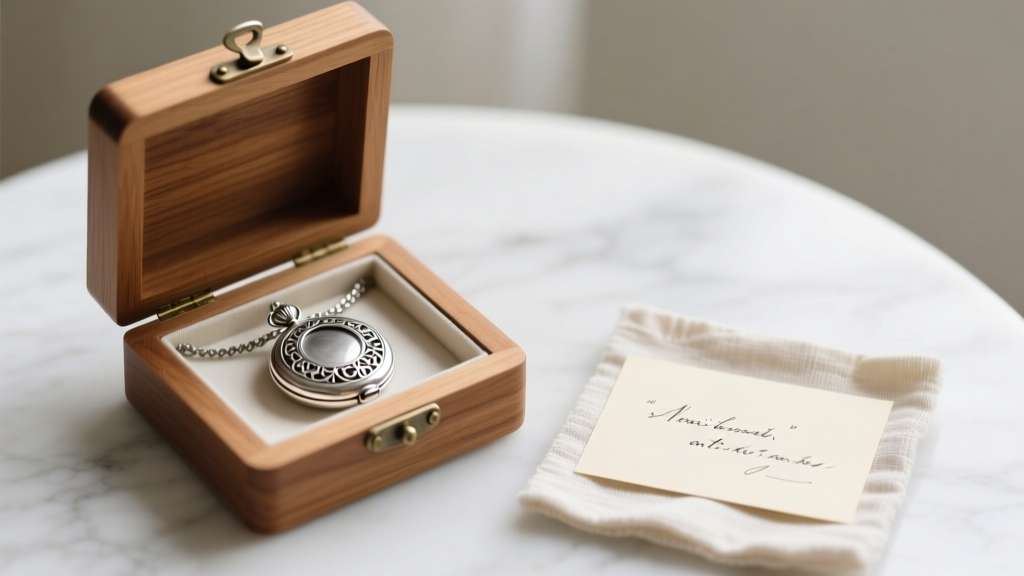
Once your tarnished sterling silver necklace has been beautifully restored, proper presentation is vital to prevent immediate re-tarnishing and to honor the piece's history. Do not use standard cardboard jewelry boxes, as the adhesives and wood pulps emit sulfur-bearing gases that accelerate oxidation.
Instead, invest in a presentation box lined with Pacific cloth or treated anti-tarnish flannel. These fabrics are embedded with microscopic silver particles that act as a sacrificial anode, absorbing ambient sulfur before it can reach your gifted necklace. Include a small, handwritten note detailing the necklace's origins, its estimated decade of creation, and the care you took to restore it. This final touch of provenance transforms a simple jewelry gift into an unforgettable historical experience.


