2026 Birthday Necklace Trends: Custom Birthstone Styles
Discover 2026 birthday necklace trends. Explore lab-grown birthstones, zodiac layering, and custom pendant styles for meaningful, modern gifting.

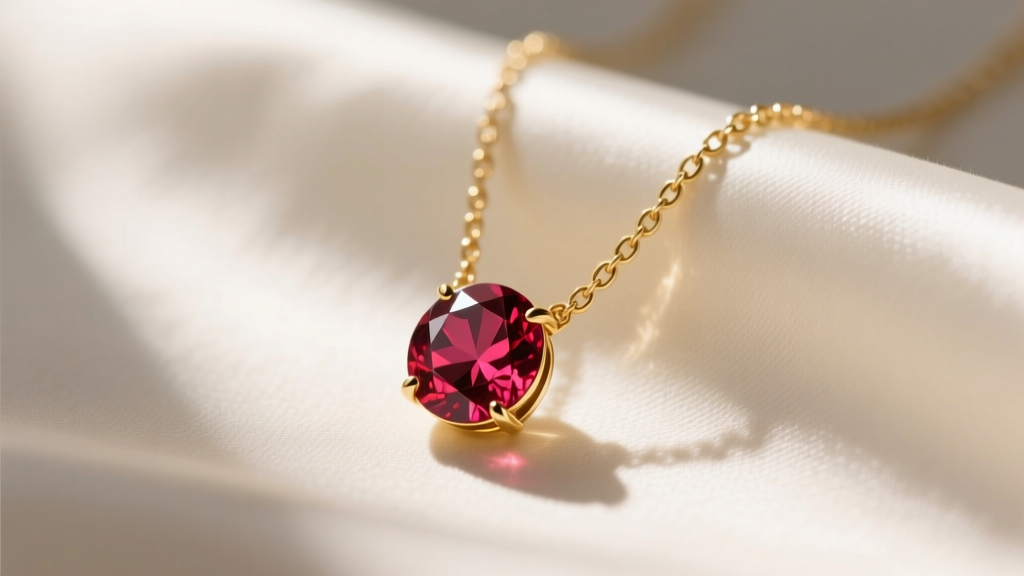
The Evolution of the Birthday Necklace in 2026
The concept of the birthday necklace has undergone a radical transformation. Gone are the days of generic, mall-kiosk pendants featuring opaque, low-grade synthetic stones set in flimsy plated brass. In 2026, the birthday necklace has evolved into a hyper-personalized, investment-grade accessory that bridges the gap between fine jewelry and sentimental storytelling. Modern consumers are no longer satisfied with a simple birthstone drop; they demand bespoke layering pieces, ethically sourced gemstones, and durable metal alloys that can withstand daily wear.
According to industry analyses highlighted by Vogue, the shift toward 'meaningful minimalism' has driven a 40% increase in custom zodiac and birth-month layering sets over the past two years. Today’s style-savvy gifters are looking for pieces that tell a nuanced story—combining a wearer's birth month, astrological sign, and personal aesthetic into a single, cohesive stack. This guide breaks down the material science, gemstone grading, and styling frameworks you need to curate or purchase the ultimate birthday necklace this year.
Material Science: Choosing the Right Chain and Setting
The foundation of any enduring birthday necklace is its chain and setting mechanics. A common failure mode in sentimental jewelry is chain stretching or clasp failure, particularly when supporting a dense gemstone pendant. For a 2026 birthday necklace intended for daily wear, the chain must balance delicate aesthetics with structural integrity.
Chain Width and Clasp Mechanics
For pendants weighing between 1.5 and 3.0 carats, a chain width of 1.2mm to 1.5mm is the industry sweet spot. Cable chains and paperclip chains dominate the 2026 market due to their alternating link structures, which resist kinking better than traditional snake or box chains. Furthermore, the clasp must be proportionate. A standard 4mm spring-ring clasp is insufficient for heavier birthstone pendants; instead, look for a 5mm or 6mm lobster clasp with a reinforced jump ring. This ensures the necklace remains secure during active wear and prevents the pendant from sliding off the chain if the jump ring is accidentally pulled.
When selecting the metal alloy, 14k solid gold (58.5% pure gold) remains the superior choice for everyday birthday necklaces. While 18k gold offers a richer yellow hue, its higher purity makes it softer and more prone to scratching and warping over time. For white gold, ensure the piece is rhodium-plated to prevent the underlying yellow-copper alloys from showing through, and always verify that the alloy is nickel-free to prevent contact dermatitis.
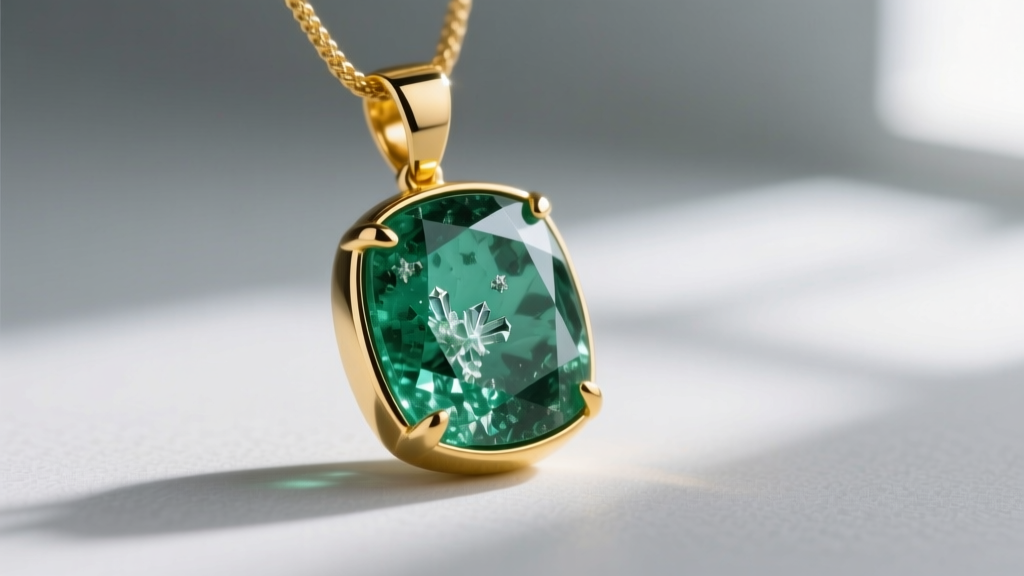
2026 Gemstone Matrix: Natural vs. Lab-Grown Birthstones
The most significant disruption in the birthday necklace market is the mainstream acceptance of lab-grown gemstones. Historically, birthstone jewelry relied on heavily treated natural stones to keep prices accessible. For example, natural emeralds (May) are almost universally treated with cedar oil to mask fractures, while natural rubies (July) are frequently heat-treated to improve color saturation. In 2026, lab-grown alternatives created via hydrothermal synthesis or flux-growth methods offer identical chemical, physical, and optical properties without the need for fracture-filling treatments.
Consulting the GIA Gem Encyclopedia confirms that lab-grown stones possess the exact same Mohs hardness and refractive index as their mined counterparts. Below is a comparative matrix of popular birthstones to help you navigate pricing and durability for a daily-wear birthday necklace.
| Gemstone (Month) | Mohs Hardness | Natural Price (1ct) | Lab-Grown Price (1ct) | Common Treatments |
|---|---|---|---|---|
| Garnet (January) | 6.5 - 7.5 | $150 - $500 | $50 - $120 | Rarely treated |
| Amethyst (February) | 7.0 | $50 - $150 | $20 - $60 | Heat-treated |
| Emerald (May) | 7.5 - 8.0 | $1,500 - $5,000+ | $300 - $800 | Oil/Resin filled |
| Ruby (July) | 9.0 | $2,000 - $8,000+ | $400 - $1,000 | Heat-treated |
| Sapphire (September) | 9.0 | $1,000 - $4,000+ | $300 - $900 | Heat/Beryllium treated |
Note: For active individuals, prioritize gemstones with a Mohs hardness of 8 or above (like Rubies and Sapphires) to prevent micro-abrasions from daily environmental dust, which contains quartz particles (Mohs 7).
The Constellation Layering Technique
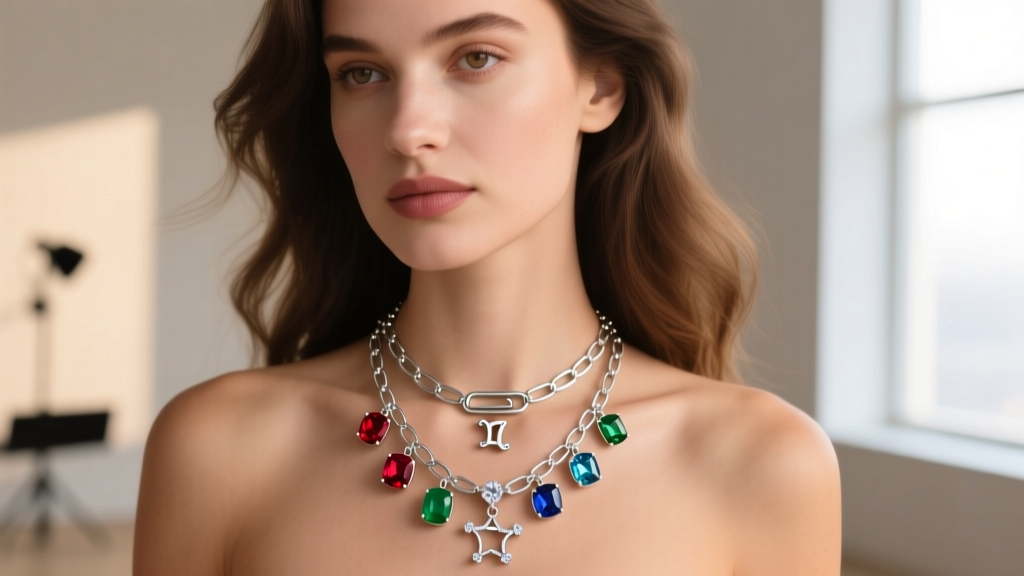
A single pendant is no longer the standard for a 2026 birthday necklace presentation. The prevailing trend is the 'Constellation Cluster'—a curated stack that combines a primary birthstone pendant with secondary zodiac or initial charms. This approach allows for a highly customized look that adapts to various necklines and occasions.
The Rule of Thirds in Necklace Stacking
To achieve a balanced, professional layering effect without the chains tangling, jewelry stylists recommend the Rule of Thirds, which mandates a minimum two-inch drop between each layer. For a standard birthday necklace stack, the blueprint is as follows:
- Layer 1 (The Anchor): A 14-inch or 15-inch solid gold choker or delicate chain, featuring a small, bezel-set diamond or initial charm.
- Layer 2 (The Focal Point): A 16-inch to 17-inch chain holding the primary birthstone pendant. Bezel settings are highly recommended here, as they protect the gemstone's girdle from chipping and prevent prongs from catching on knitwear or silk.
- Layer 3 (The Narrative): An 18-inch to 20-inch paperclip or satellite chain featuring a zodiac constellation map or a secondary birth flower engraving.
Sourcing, Hallmarks, and Red Flags
When investing in a fine jewelry birthday necklace, verifying authenticity and ethical sourcing is paramount. The FTC Jewelry Guides strictly regulate how precious metals and gemstones are marketed, yet misleading terminology still permeates the e-commerce space. To ensure you are purchasing a high-quality piece, look for the following indicators of excellence:
- Hallmarking: Authentic pieces will bear a stamp indicating metal purity, such as '14K', '585', '18K', or '750', alongside the manufacturer's registered trademark. Unstamped jewelry sold as 'solid gold' is a major red flag.
- Disclosure of Synthetics: If a stone is lab-grown, the seller must clearly disclose this. Terms like 'simulated', 'created', or 'eco-friendly' without the explicit words 'lab-grown' or 'synthetic' often indicate glass or cubic zirconia imitations, which lack the refractive brilliance of true birthstones.
- Setting Quality: Inspect the prongs or bezel under magnification. Prongs should be smooth, evenly spaced, and flush against the gemstone's crown. Rough or snagging prongs indicate poor quality control and will eventually lead to stone loss.
Final Verdict: Curating the Ultimate Gift
The 2026 birthday necklace is a testament to the jewelry industry's pivot toward thoughtful, durable, and scientifically sound craftsmanship. By prioritizing 14k solid gold chains with secure lobster clasps, opting for lab-grown gemstones to ensure ethical sourcing and superior clarity, and employing the Rule of Thirds for modern layering, you can curate a gift that transcends fleeting trends. Whether you are selecting a deep red lab-grown ruby for a July birthday or a vibrant, un-oiled emerald for May, focusing on structural integrity and personal narrative will guarantee the necklace remains a cherished staple in the wearer's daily rotation for decades to come.


