Troubleshooting Your Heartbeat Cross Necklace: Fixes & Care
Is your heartbeat cross necklace tangling, flipping, or tarnishing? Discover expert troubleshooting tips to fix chain issues and clean intricate EKG lines.

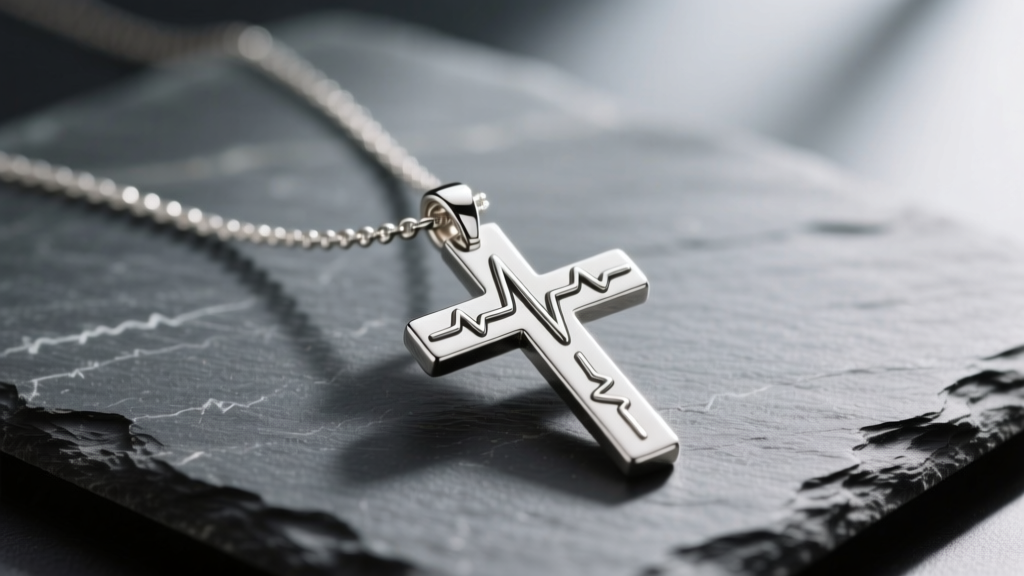
The heartbeat cross necklace is a profoundly symbolic piece of jewelry, merging the spiritual grounding of the cross with the vital, life-affirming pulse of an EKG line. However, from a jewelry design and engineering perspective, this specific silhouette is a structural nightmare. The jagged peaks of the heartbeat line create natural snag points, while the asymmetrical weight distribution guarantees that the pendant will constantly flip upside down. Furthermore, the deep, narrow crevices where the EKG line intersects the cross become magnets for sebum, lotion, and environmental tarnish.
If you are struggling with a tangled, tarnished, or broken heartbeat cross pendant, you are not alone. In this comprehensive troubleshooting guide, we will break down the mechanical failure points of this specific design and provide actionable, expert-level solutions to restore and maintain your necklace.
The Structural Vulnerabilities of EKG Cross Pendants
Unlike a traditional solid cross pendant, a heartbeat cross features extended, thin horizontal arms that mimic an electrocardiogram spike. These extended prongs act as levers. When the pendant catches on a knit sweater, a seatbelt, or even long hair, the torque applied to the thinnest part of the casting can easily exceed the tensile strength of the metal, resulting in a snapped prong.
Additionally, many mass-market heartbeat cross necklaces are produced using die-striking or cheap cast zinc alloys. These manufacturing methods leave microscopic porosity in the metal, making the sharp EKG peaks brittle. To prevent catastrophic failure, you must assess the thickness of your pendant's EKG line. If the horizontal spikes are thinner than 1.5 millimeters, you must treat the piece as delicate fine jewelry rather than everyday wear.
Solving the Pendant Flipping and Slippage Dilemma
The most common complaint regarding heartbeat cross necklaces is the pendant constantly flipping over, hiding the cross and showing the flat back of the EKG line. This happens because the cross element is usually heavier and wider than the trailing heartbeat line, creating an off-center center of gravity.
Actionable Fixes for Flipping:
- Install a Silicone Pendant Stay: Thread a tiny, 2mm clear silicone O-ring onto your chain, positioning it exactly one inch away from the bail on either side. This creates friction and physical barriers that prevent the pendant from sliding into the curve of your neck, which is the primary trigger for flipping.
- Upgrade to a High-Friction Chain: Smooth chains like snake or herringbone allow the bail to slide freely. Swap your chain for a 1.2mm to 1.5mm box chain or rolo chain. The interlocking, flat-faced links create micro-friction that helps anchor the bail in the center of your collarbone.
- Counterweight the Bail: If you are working with a custom jeweler, ask them to solder a small, decorative metallic bead to the back of the pendant's bail. This shifts the center of gravity backward, forcing the front of the cross to lay flush against your skin.
Deep Cleaning Intricate Heartbeat Grooves
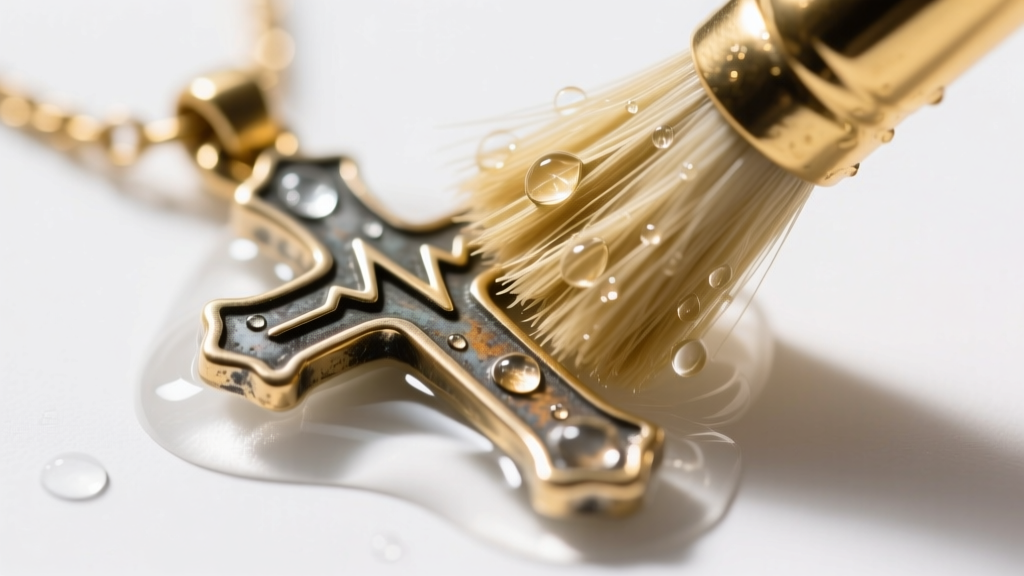
The sharp angles and deep grooves of the heartbeat line trap dead skin cells, cosmetic oils, and soap scum. Over time, this buildup creates a dull, grayish film that obscures the metal's polish and accelerates oxidation, particularly in sterling silver pieces.
According to the Gemological Institute of America (GIA), harsh chemical dips and liquid silver cleaners should be avoided on intricate jewelry, as they can strip rhodium plating and leave a chalky residue in deep crevices. Instead, use a targeted mechanical cleaning approach.
The Expert Cleaning Protocol:
- Prepare a Degreasing Bath: Mix warm water with a few drops of mild, phosphate-free dish soap (like Dawn). Avoid moisturizing soaps, which leave a film.
- Soak and Loosen: Submerge the heartbeat cross necklace for exactly 10 minutes. Do not exceed this, especially if the cross features pave-set gemstones, as prolonged soaking can weaken the adhesive.
- Agitate with a Baby Toothbrush: Use an ultra-soft baby toothbrush or a specialized jewelry brush with soft brass bristles. Brush along the horizontal path of the EKG line, not against it, to dislodge debris from the sharp corners without bending the prongs.
- The Alcohol Rinse: Rinse with distilled water, then dip the pendant briefly in 90% isopropyl alcohol. This displaces the water from the microscopic crevices, preventing water spots and accelerating the drying process.
Pro Tip: Never use an ultrasonic cleaner on a heartbeat cross necklace that features oxidized (blackened) detailing in the EKG grooves. The high-frequency vibrations will strip the intentional patina, leaving the piece looking flat and overly bright.
Material Failure Points and Prevention
The longevity of your heartbeat cross necklace is entirely dependent on the metallurgical properties of the alloy used. Because the EKG design requires thin, extended arms, the metal must possess high tensile strength and resistance to stress corrosion cracking. Below is a troubleshooting matrix for the most common materials used in these pendants.
| Material Grade | Common Failure Mode | Troubleshooting & Prevention |
|---|---|---|
| 316L Surgical Steel | Chain snapping at the clasp due to heavy pendant weight; pendant itself rarely breaks. | Upgrade to a 2.0mm steel rope chain. Use a silicone O-ring to protect the clasp spring from excessive tension. |
| 925 Sterling Silver | Rapid tarnishing in EKG grooves; bending of the horizontal heartbeat prongs. | Store in an anti-tarnish cloth pouch. Avoid wearing during high-sweat activities. Have a jeweler apply a nano-ceramic coating. |
| 14k Gold Vermeil | Gold layer wearing off the raised peaks of the heartbeat line, exposing the silver core. | Remove before showering or swimming. Do not polish with abrasive cloths; use only a microfiber cloth to wipe down. |
| Zinc Alloy (Brass base) | Catastrophic snapping at the EKG intersection due to casting porosity and metal fatigue. | Not repairable. Prevent by upgrading to solid metals. Avoid purchasing unverified, ultra-cheap cast versions. |
For those seeking a piece that requires minimal troubleshooting, the Jewelers of America recommends investing in solid 14k or 18k gold, or platinum, as these metals offer the superior durability required for the delicate, extended geometry of an EKG cross design.

Professional Repair: Laser Welding Broken EKG Prongs
If the thin horizontal spike of your heartbeat cross has already snapped, traditional soldering is rarely a viable option. A standard jeweler's torch applies broad, ambient heat that can melt the surrounding intricate details, warp the cross, or destroy any heat-sensitive gemstones set in the piece.
Instead, you must seek out a bench jeweler equipped with a laser welder. Laser welding uses a highly focused, microscopic beam of light to fuse metal exactly at the break point without transferring heat to the rest of the pendant. The jeweler will use a matching filler wire (e.g., 14k yellow gold wire for a gold pendant) to rebuild the broken EKG peak. After welding, the joint is filed, sanded with progressively finer grits (up to 8000 grit), and polished with a rouge wheel to make the repair entirely invisible.
When to Retire the Piece
If your heartbeat cross necklace is made of a base metal alloy (like zinc or pewter) and has suffered a structural break, it cannot be welded. The metal will simply vaporize or crumble under the laser. In these cases, the most cost-effective solution is to have the bail cut off and the broken pendant repurposed into a keychain or bag charm, while investing in a higher-quality, solid-metal replacement for your chain.
Final Thoughts on Maintenance
A heartbeat cross necklace is a beautiful testament to faith and vitality, but its complex geometry demands respect and proper care. By upgrading your chain gauge to prevent flipping, utilizing targeted mechanical cleaning to preserve the EKG grooves, and understanding the limitations of your specific metal alloy, you can ensure your pendant remains a pristine, everyday staple for years to come. Inspect the thin horizontal prongs monthly for micro-fractures, and address them with a professional laser welder before a complete break occurs.


