How to Style and Tie a Gold Diamond Lariat Necklace
Master the gold diamond lariat necklace. Learn step-by-step tying techniques, neckline pairings, and expert material specs for lasting elegance.

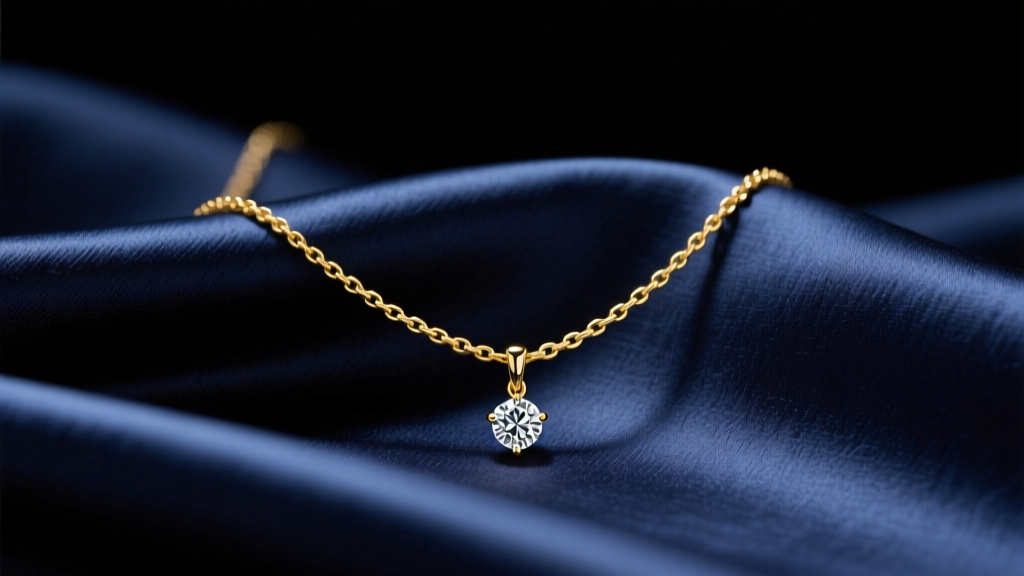
The gold diamond lariat necklace is a masterclass in versatile elegance. Unlike traditional clasped necklaces that sit at a fixed length, lariats offer a dynamic, adjustable silhouette that can transform an outfit from boardroom-appropriate to evening-ready in seconds. However, their open-ended design requires specific styling techniques, an understanding of chain mechanics, and careful material selection to ensure longevity. In this comprehensive 2026 guide, we break down the exact anatomy, tying methods, and metallurgical specifications you need to master the lariat.
The Anatomy of a Lariat Necklace
Before you can style a lariat, you must understand its structural variations. A true lariat lacks a traditional clasp and instead relies on gravity, friction, or a sliding mechanism to stay in place. There are three primary configurations:
- The Y-Chain (Lasso Style): Features a fixed junction (often a soldered jump ring or a diamond station) where the chain splits. One end drops down, and the other is threaded through a loop or ring at the junction.
- The T-Bar Lariat: Consists of a single, continuous chain with a horizontal bar (the 'T') at one end and a large loop or diamond-encrusted circle at the other. The bar is fed through the loop to secure the necklace.
- The Slide Pendant Lariat: A continuous chain where a diamond-set tube or bezel slides freely along the entire length of the gold chain, allowing for infinite adjustability without any knots.
Understanding which type you own dictates how you tie it and what necklines it will complement best.
Step-by-Step Guide: 4 Ways to Tie and Drape Your Lariat
The beauty of a gold diamond lariat necklace lies in its adaptability. Here are four distinct ways to style your piece, depending on the occasion and your chain type.
1. The Classic Lasso (Best for Y-Chains)
- Drape the necklace evenly around your neck so both ends hang down your chest.
- Take the loose tail end and thread it through the fixed loop or diamond station at the Y-junction.
- Pull the tail down to your desired length—typically resting between the sternum and the navel.
- Adjust the back of the chain to sit flush against your nape to prevent the lariat from sliding forward.
2. The Asymmetric Side-Drape (Best for T-Bar Lariats)
- Place the chain around your neck, letting the loop end rest on your left collarbone.
- Bring the T-bar end across your chest and feed it through the loop from the top down.
- Instead of centering the drop, pull the T-bar so the loop sits off-center, near your right shoulder.
- Let the remaining chain and T-bar drape elegantly down your back or over one shoulder for an avant-garde, editorial look.
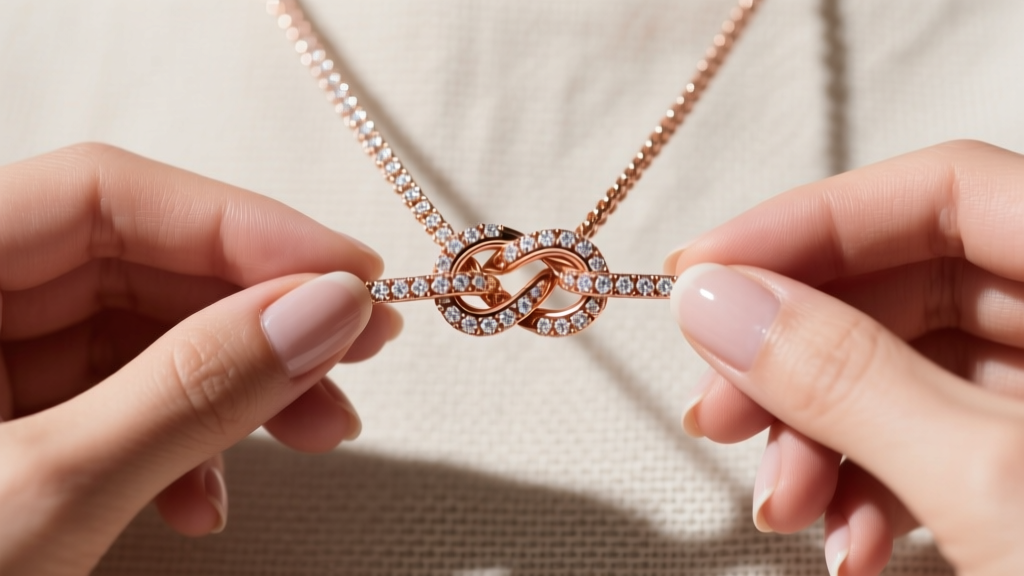
3. The Double-Wrap Choker (Best for Long, Thin Chains)
- Start with a lariat that is at least 45 inches in total length.
- Wrap the chain around your neck twice, creating a layered choker effect.
- Let the two remaining ends hang down the center of your chest.
- Tie a loose, single overhand knot with the two ends about three inches below your collarbone, allowing the diamond drops to peek out from the knot.
4. The Hidden Stopper Cinch (Best for Slide Pendants)
- Thread the chain through your slide pendant to your desired V-depth.
- If the pendant is heavy and keeps sliding down, take a clear silicone earring back or a specialized jewelry stopper bead.
- Thread both ends of the chain through the silicone stopper and slide it up to meet the base of the diamond pendant.
- This creates friction, locking the pendant in place while remaining virtually invisible against the skin.
Matching Your Lariat to Specific Necklines
A lariat can clash or harmonize depending on the garment's cut. Use this structural mapping to pair your gold diamond lariat necklace with the right wardrobe staples.
| Neckline Type | Ideal Lariat Length (Drop) | Recommended Tie Style | Diamond Drop Size |
|---|---|---|---|
| Deep V-Neck | 20 - 24 inches | Classic Lasso (follows the V) | 0.25ct - 0.50ct Solitaire |
| Crew Neck / T-Shirt | 16 - 18 inches | Double-Wrap or High Knot | Pavé Stations / Melee |
| Turtleneck | 26 - 30 inches | Long Asymmetric Drape | Heavy T-Bar or Large Bezel |
| Off-the-Shoulder | 14 - 16 inches | Choker Wrap (tied at nape) | Delicate Y-Chain |
Material Specs: Choosing the Right Gold and Diamonds
When investing in a lariat, the metallurgical and gemological specifications are vastly different from a standard pendant necklace due to the constant friction and movement of the chain. According to the Gemological Institute of America (GIA), understanding gold alloys is critical for jewelry that experiences high mechanical wear.
14k vs. 18k Gold for Lariats
While 18k gold (75% pure gold) offers a richer, warmer hue, it is significantly softer than 14k gold (58.5% pure gold). In a Y-chain lariat, the chain constantly rubs against the interior of the jump ring or diamond station. Over a period of 3 to 5 years of daily wear, an 18k gold chain can experience micro-abrasions, thinning the wire and increasing the risk of snapping. For lariats, 14k gold is the superior choice due to its higher tensile strength and resistance to friction wear.
Diamond Setting and Quality
The setting of the diamond drop is just as crucial as the gold. Bezel settings are highly recommended for the terminal drop of a lariat. Prong settings, particularly 4-prong or 6-prong designs, have a high profile that will inevitably catch on the chain loop or your clothing, which can bend the prongs and loosen the diamond. A smooth, low-profile bezel ensures the diamond glides through the chain without snagging.
Regarding diamond quality, the GIA Diamond Grading Report standards suggest that for melee diamonds (under 0.10ct) used in chain stations, SI1-SI2 clarity and G-H color provides excellent value without visible inclusions. However, for the main solitaire drop (0.25ct to 0.75ct), you should target VS2 clarity and F-G color to ensure the stone is eye-clean and reflects maximum brilliance against the skin.
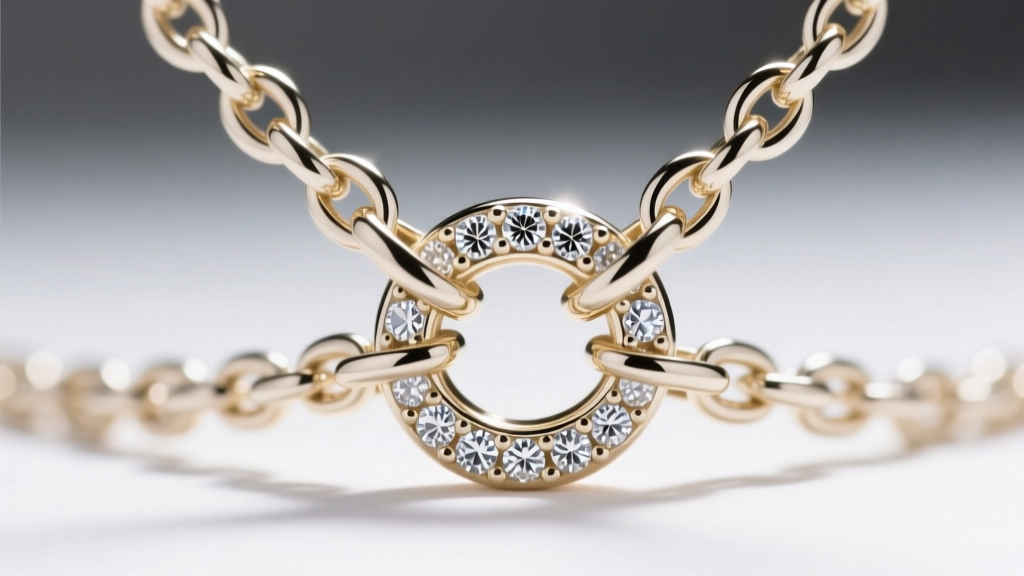
Chain Selection: Avoiding the 'Box Chain' Trap
Not all gold chains are engineered for lariat mechanics. The physical structure of the chain dictates how smoothly it slides and how well it resists kinking.
- Cable Chain (Recommended): The classic oval-link cable chain is the gold standard for lariats. The smooth, rounded edges of the links allow for frictionless sliding through jump rings and resist catching on body hair or fine fabrics.
- Rolo Chain (Recommended): Similar to cable but with rounder, thicker links. Excellent for heavier diamond drops as it provides substantial tensile strength.
- Box Chain (Avoid): Box chains are constructed from folded square links. While they look beautiful in a static display, they are notorious for kinking when bent at sharp angles. When used in a lariat, the repeated folding and sliding will quickly cause the links to crush and snag, rendering the chain irreparable.
- Snake Chain (Avoid): The tightly interlocked plates of a snake chain trap oils, lotions, and skin cells. More importantly, once a snake chain kinks at the Y-junction from being pulled at an angle, the structural integrity is permanently compromised.
Troubleshooting Common Lariat Issues
Even with the perfect gold diamond lariat necklace, wearers often encounter functional annoyances. Here is how to solve them with professional jeweler insights.
Problem: The Chain Keeps Slipping Too Low
The Fix: If your Y-chain drops too far down your torso, the chain links may be too polished or the diamond drop too light to create adequate friction. Visit a local jeweler and have them solder a tiny, 2mm gold bead onto the chain exactly where you want the drop to rest. This acts as a permanent, elegant physical stopper that won't damage the chain like silicone or rubber alternatives might over time.
Problem: The T-Bar Won't Stay Through the Loop
The Fix: This usually happens when the loop diameter is too large relative to the T-bar, or the chain is too lightweight to hold tension. You can solve this by wrapping the chain around the loop twice before letting it drop, creating a friction-lock. Alternatively, a jeweler can swap the T-bar for a slightly wider custom-cast bar, or add a small diamond accent to the bar to increase its physical dimensions and weight.
Care and Maintenance for Adjustable Chains
Maintaining a lariat requires a different regimen than a standard necklace. Because the chain is constantly moving through a localized friction point (the slide or Y-ring), that specific area will accumulate microscopic gold dust, skin oils, and environmental grit.
Cleaning Protocol: Avoid ultrasonic cleaners for lariats that feature tension settings or fracture-filled diamonds, as the high-frequency vibrations can loosen the stones. Instead, use a soft-bristled baby toothbrush and a solution of warm water with a single drop of mild, ammonia-free dish soap. Gently brush the interior of the Y-ring and the chain links immediately adjacent to it. Rinse thoroughly and dry with a microfiber cloth to prevent water spots on the gold.
Storage: Never store a lariat in a tangled pile. The weight of the diamond drop can pull and stretch the delicate gold links if left hanging improperly. Store the necklace laid flat in a velvet-lined drawer, or hang it from a specialized multi-prong jewelry stand that supports the entire length of the chain, preventing the drop from pulling the links taut.
"A well-crafted lariat is less about the jewelry itself and more about the architecture of how it interacts with the body. The right balance of chain weight, drop mass, and friction mechanics turns a simple gold line into a kinetic sculpture." — Master Jeweler & Appraiser
By understanding the precise mechanics of your gold diamond lariat necklace, from the karat weight of the gold to the aerodynamics of the diamond setting, you elevate it from a mere accessory to a versatile, lifelong staple in your fine jewelry wardrobe.


