The Best Chain Necklace Types for 2026 Layering Trends
Discover the top chain necklace types dominating 2026 trends. Learn how to layer rope, Cuban, and snake chains with expert styling and gauge tips.

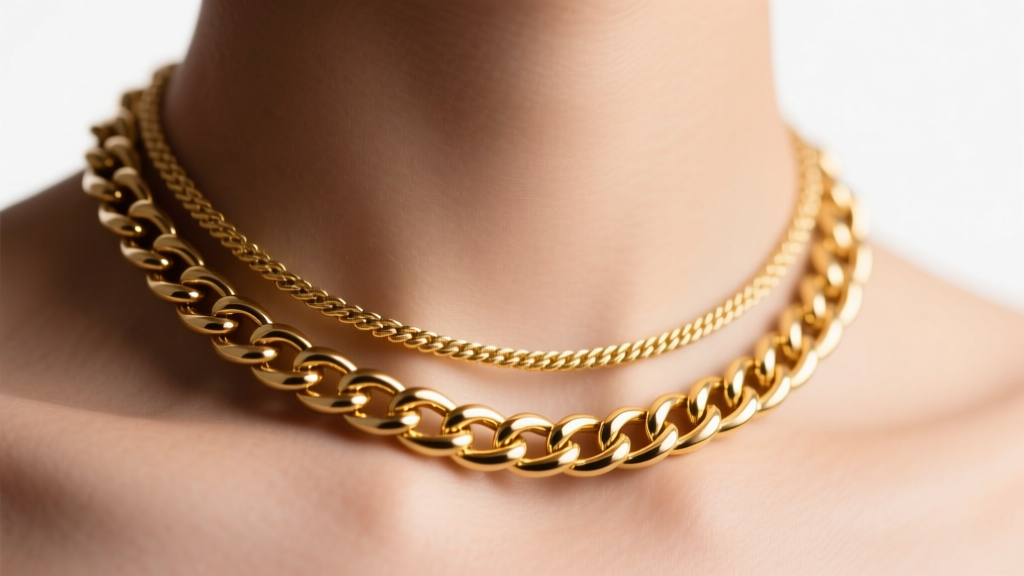
The Evolution of Chain Necklace Types in 2026
The jewelry landscape has shifted dramatically as we navigate 2026. The era of the single, barely-there pendant is officially over, replaced by an architectural approach to layering. Today's collectors and style enthusiasts are treating their necklines as curated galleries, mixing varying weights, textures, and metallic finishes. Understanding the nuances of different chain necklace types is no longer just a jeweler's trade secret—it is a fundamental styling skill. According to market analysis by National Jeweler, consumer demand for modular, stackable chain styles has surged by 34% over the last eighteen months, driven by a desire for personalized, gender-fluid maximalism.
However, throwing random chains together often results in a tangled, visually cluttered mess. Mastering the art of the neckline requires a deep understanding of link geometry, gauge thickness, and tensile strength. Below, we break down the dominant chain necklace types defining the 2026 aesthetic, complete with technical specifications and expert layering frameworks.
The Big Three: Dominant Chain Necklace Types This Year
1. The Hollow Cuban Link (Maximalism Meets Wearability)
The Cuban link remains the undisputed king of statement chains, but the 2026 iteration prioritizes wearability over sheer mass. Traditional solid 10mm 14k gold Cubans can weigh upwards of 65 grams, causing neckline fatigue and stretching the nape of the neck. To combat this, top jewelers are utilizing advanced electroforming and resin-core techniques to create hollow Cuban links. These maintain the aggressive, interlocking visual footprint of a 10mm chain but drop the weight to a comfortable 18-22 grams. Failure Mode: Hollow chains are susceptible to crushing if subjected to heavy blunt impact, so they should be removed during high-impact activities.
2. The Diamond-Cut Rope Chain (The Light Catcher)
While a standard rope chain relies on twisted wire for its spiral effect, the diamond-cut rope chain features flat facets chiseled into the links. This creates a high-refraction surface that mimics the sparkle of pavé diamonds without the gemstone cost. In 2026, the 2.5mm to 3.5mm diamond-cut rope is the premier choice for hosting heavy gemstone pendants. Technical Note: Avoid rope chains under 2.0mm for pendant hosting; the micro-solder points on ultra-fine ropes are prone to fracturing under the pendulum stress of a swinging pendant.
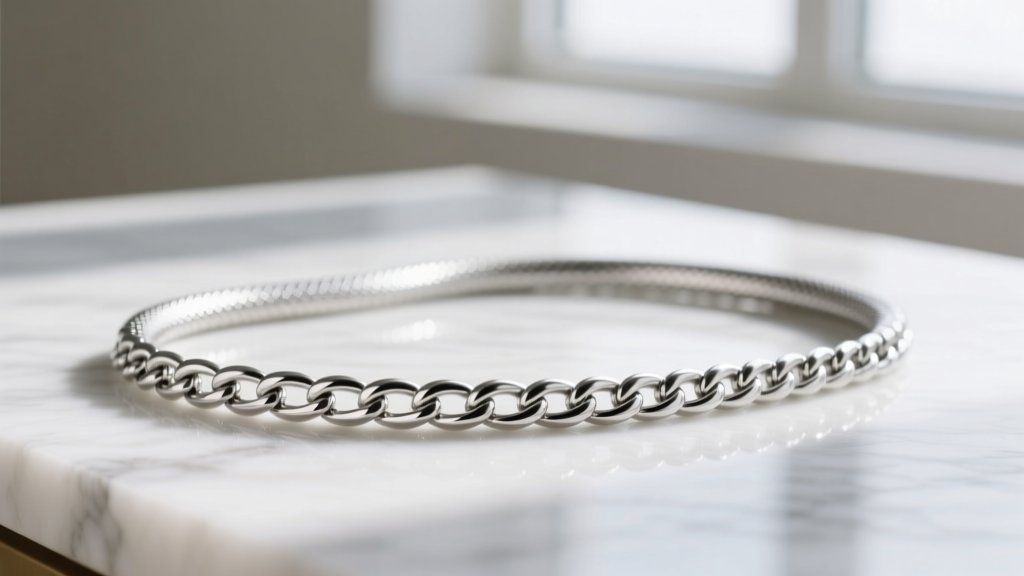
3. The Micro-Box Chain (The Structural Anchor)
Composed of interlocking square links, the box chain offers a sleek, geometric contrast to the organic curves of rope and Cuban links. Ranging from 1.2mm to 1.8mm, the micro-box chain is the foundational anchor of any 2026 layering stack. Its 90-degree link geometry provides exceptional tensile strength compared to similarly sized snake or omega chains. Drawback: The tight, square joints are notorious for catching fine body hair or delicate silk threads, making them less ideal for wearing over unlined garments or directly on bare skin without proper maintenance.
Technical Breakdown: Gauge, Durability, and Pricing
Choosing the right chain necklace type requires balancing visual weight with structural integrity. The table below outlines the technical specifications for the most popular styles in solid 14k gold.
| Chain Type | Standard Gauge/Width | Tensile Strength | Avg. Price (14k Solid) | Best Use Case |
|---|---|---|---|---|
| Cuban Link | 4mm - 12mm | High | $1,200 - $4,500+ | Standalone or outer layer |
| Rope Chain | 2mm - 5mm | Medium | $600 - $2,100 | Mid-layer, pendant hosting |
| Box Chain | 1mm - 2.5mm | High | $350 - $900 | Base layer, delicate pendants |
| Snake Chain | 1.5mm - 3mm | Low | $400 - $1,100 | Sleek solo wear (prone to kinking) |
Masterclass: Layering Different Chain Necklace Types
"The secret to a flawless stack isn't just about mixing metals; it's about creating a hierarchy of texture and weight. You need an anchor, a core, and a statement." — Elara Vance, Lead Jewelry Stylist
To achieve the coveted 2026 curated neckline, follow this three-tier layering framework:
- The Anchor (15-16 inches): Start with a 1.2mm Micro-Box or Snake chain. This sits high on the collarbone and provides a delicate, feminine baseline. Keep it bare or add a microscopic 3mm bezel-set diamond.
- The Core (18-20 inches): This is your pendant host. Use a 3mm Diamond-Cut Rope chain. The spiral texture bridges the gap between the geometric anchor and the heavy statement piece. The 18-inch length ensures it rests perfectly in the sternal notch.
- The Statement (22-24 inches): Finish with an 8mm Hollow Cuban Link. The matinee length allows it to drape over the core layer without tangling, providing a bold, structural border to the stack.
Pro-Tip: To prevent the varying link geometries from interlocking and tangling throughout the day, invest in a unified multi-strand clasp or use individual silicone necklace detangler rings at the nape of your neck.
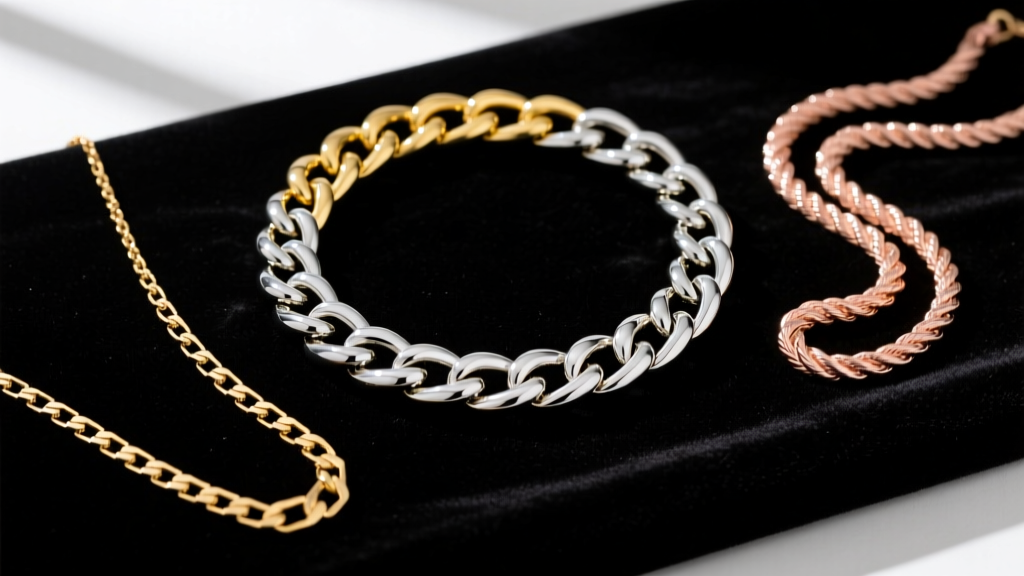
Material Grades and Failure Modes
When investing in chain necklace types, understanding material grades is critical to avoiding premature degradation. The Gemological Institute of America (GIA) notes that 14k gold (58.5% pure gold) remains the superior choice for daily-wear chains due to its alloy composition, which provides significantly higher scratch and dent resistance compared to 18k gold (75% pure gold).
For budget-conscious buyers, 316L surgical stainless steel offers incredible durability and hypoallergenic properties, typically ranging from $40 to $90. However, if you opt for gold vermeil, you must verify the micron thickness. True vermeil requires a sterling silver base and a minimum of 2.5 microns of gold plating. Flash-plated chains (under 0.5 microns) will experience friction failure at the clasp and neck-contact points within three to six months, exposing the oxidizing brass base metal beneath.
Final Verdict on Chain Necklace Types
The 2026 jewelry zeitgeist demands intentionality. By understanding the specific gauge requirements, tensile strengths, and visual weights of different chain necklace types, you can build a modular collection that transitions seamlessly from a structured boardroom look to an avant-garde evening aesthetic. Prioritize structural integrity in your anchor pieces, and let the diamond-cut ropes and hollow Cubans do the heavy lifting in your style narrative.


