Best Knots for Necklaces: Cord Materials & Tying Techniques Guide
Discover the best knots for necklaces based on cord material. Compare silk, nylon, and leather properties for secure, durable jewelry.
The Physics of Necklace Knots: Why Material Matters
When a handmade necklace fails, the break rarely occurs in the middle of the cord. Almost universally, the failure point is the knot. Understanding the best knots for necklaces requires a deep dive into material science, specifically the coefficient of friction, tensile strength, and material memory. A knot that holds securely in natural silk may slip and unravel in synthetic nylon or ultra-high-molecular-weight polyethylene (UHMWPE).
Every cord material reacts differently to the bending and compressive forces of a knot. Natural fibers like silk and cotton have microscopic scales that grip each other, creating high friction. Synthetics like C-Lon nylon or Dyneema are incredibly strong but possess smooth surfaces that resist friction, meaning standard knots will easily capsize (slip apart) under the dynamic load of a swinging pendant. To choose the right knotting technique, you must first understand the physical properties of your stringing material.
Material Comparison: Silk vs. Nylon vs. Leather vs. Synthetic
Before selecting from the various knots for necklaces, you must match the cord to the pendant's weight and the bail's hole size. Below is a technical comparison of the most common necklace cord materials used by professional jewelers and artisans.
| Material | Diameter Range | Tensile Strength | Knot Security | Best Knot Type |
|---|---|---|---|---|
| Griffin Silk | 0.2mm - 1.05mm | Low (3-8 lbs) | Excellent (High Friction) | Overhand, Surgeon's |
| C-Lon / S-Lon Nylon | 0.11mm - 0.9mm | High (8-22 lbs) | Moderate (Slippery) | Surgeon's, Square (with glue) |
| Greek Leather | 1.5mm - 5.0mm | Very High (40+ lbs) | Good (Pliable) | Lark's Head, Sliding Square |
| Dyneema / Kevlar | 0.5mm - 2.0mm | Extreme (100+ lbs) | Poor (Zero Friction) | Double Fisherman's, Crimps |
According to stringing guidelines from Fire Mountain Gems, silk remains the gold standard for pearl knotting because its natural grip prevents knots from loosening over time. However, for heavy stone pendants, modern micro-braided nylons offer the necessary tensile strength, provided you use friction-enhancing knots and appropriate adhesives.
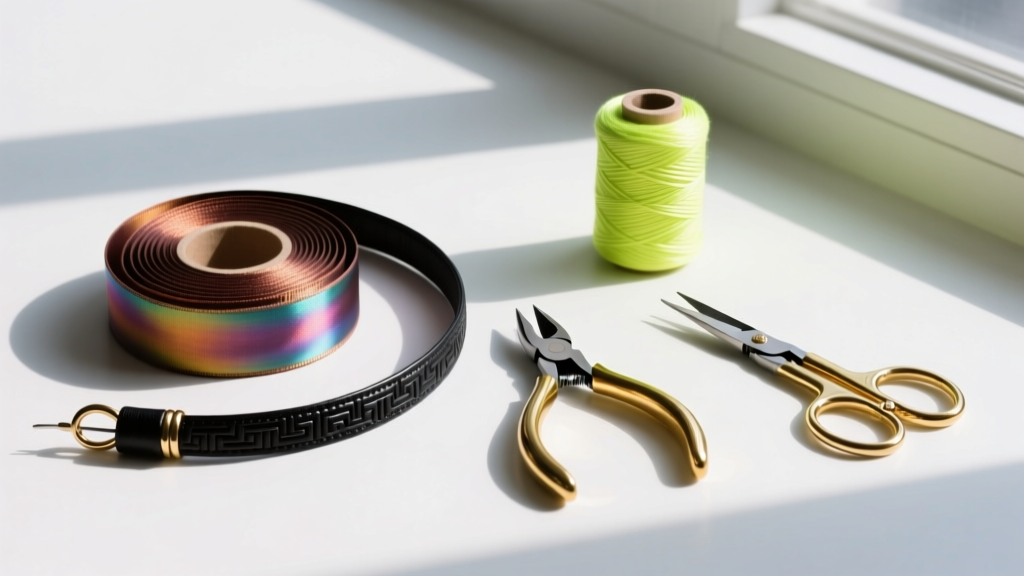
Top 4 Essential Knots for Necklaces (And When to Use Them)
Not all knots are created equal. The structural integrity of your necklace depends on using the correct knot for your specific cord material and pendant bail.
1. The Surgeon’s Knot (For High-Slip Synthetics)
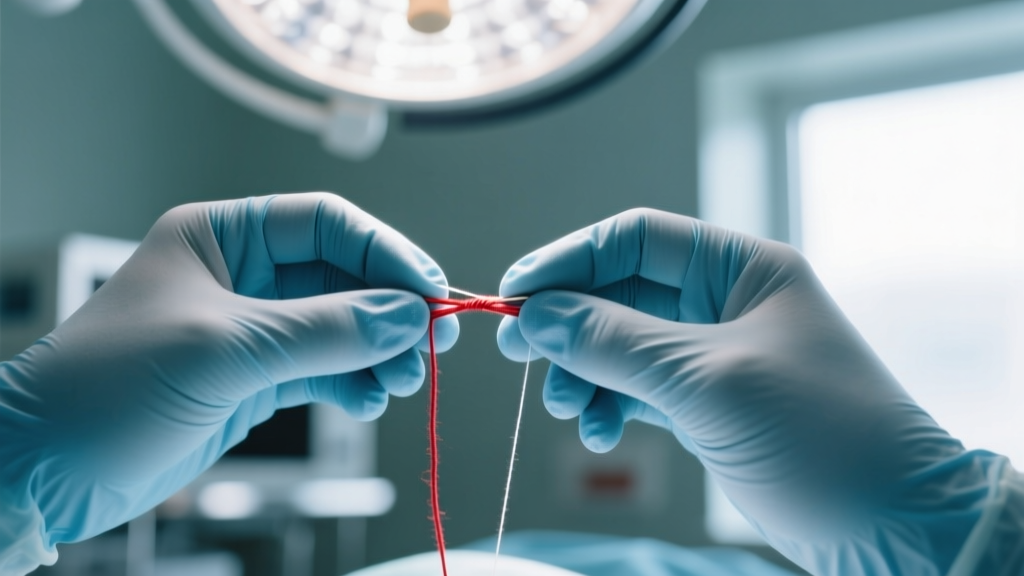
The standard overhand knot is insufficient for smooth nylon or polyester cords. The Surgeon’s knot adds an extra twist on the first pass, effectively doubling the surface area friction before the final locking pull. This is the absolute best choice for securing clasps on C-Lon or S-Lon nylon threads. The added twist prevents the knot from capsizing while you apply a micro-drop of flexible adhesive.
2. The Lark’s Head / Cow Hitch (For Leather and Thick Cords)
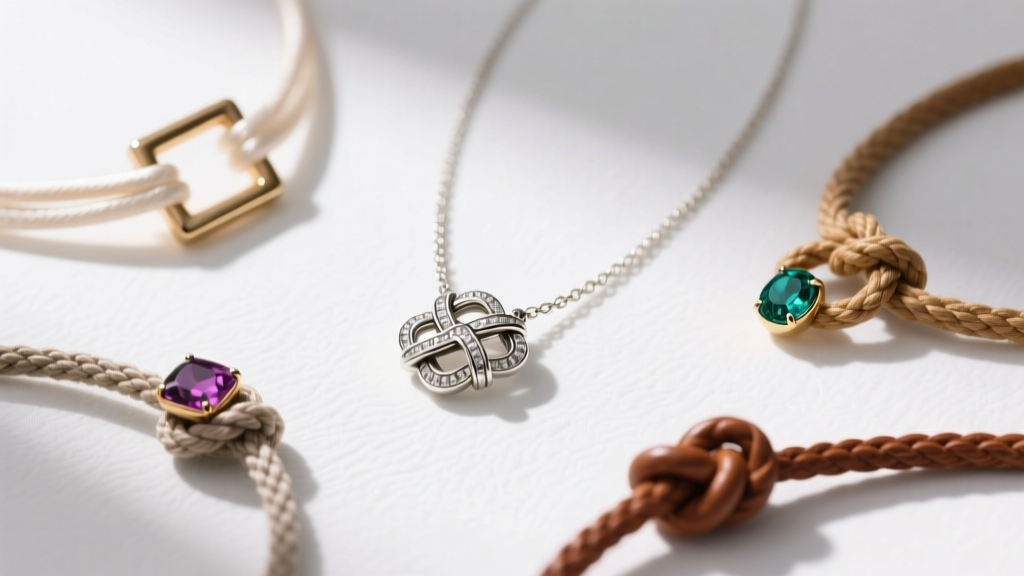
When working with 2mm to 4mm Greek leather or waxed cotton, threading the cord through a pendant bail and tying a bulky knot looks unprofessional. The Lark’s Head knot (also known as a Cow Hitch) folds the cord in half, loops it through the bail, and pulls the tails through the resulting loop. It sits flat against the pendant and distributes weight evenly across both sides of the leather, preventing premature stretching or tearing.
3. The Overhand Loop (For Silk and Pearl Knotting)
When stringing pearls or heavy gemstone beads on silk, the traditional overhand knot is tied between each bead. This prevents bead-on-bead abrasion and ensures that if the silk snaps, you only lose one pearl. Professional stringers use a specialized knotting tool or a twisted needle to push the silk flush against the bead before pulling the knot tight, ensuring zero gaps.
4. The Sliding Square Knot (For Adjustable Macrame Cords)
For modern, minimalist pendants on waxed linen or leather, the sliding square knot allows the wearer to adjust the necklace length from choker to matinee. By using a separate, thinner piece of cord (like 0.5mm nylon) to tie the square knot over the two main necklace tails, you create a friction-based clasp that holds firm under the pendant's weight but yields when pulled intentionally.
Matching Cord Diameter to Pendant Weight
A common mistake when selecting knots for necklaces is ignoring the relationship between cord gauge and pendant mass. A knot tied in a 1mm cord holding a 50-gram pendant will experience immense shear stress at the bend radius, leading to internal fiber failure long before the knot itself unties.
- Under 15 grams (Lightweight): Use 0.5mm to 1.0mm silk or nylon. Standard overhand or surgeon's knots are sufficient.
- 15 to 40 grams (Medium): Use 1.5mm to 2.0mm leather, waxed cotton, or braided nylon. Utilize Lark's Head or double-wrap knots.
- Over 40 grams (Heavy Statement Pieces): Use 3.0mm+ leather, steel wire, or UHMWPE. Avoid traditional knots entirely; opt for mechanical crimps, wire wrapping, or specialized heavy-duty fishing knots like the Double Fisherman's bend.
The Rio Grande jewelry resource library emphasizes that the bend radius of a knot reduces the overall tensile strength of any cord by up to 50%. Therefore, always rate your cord's breaking strength at double the actual weight of your pendant to account for the dynamic shock load of daily wear.
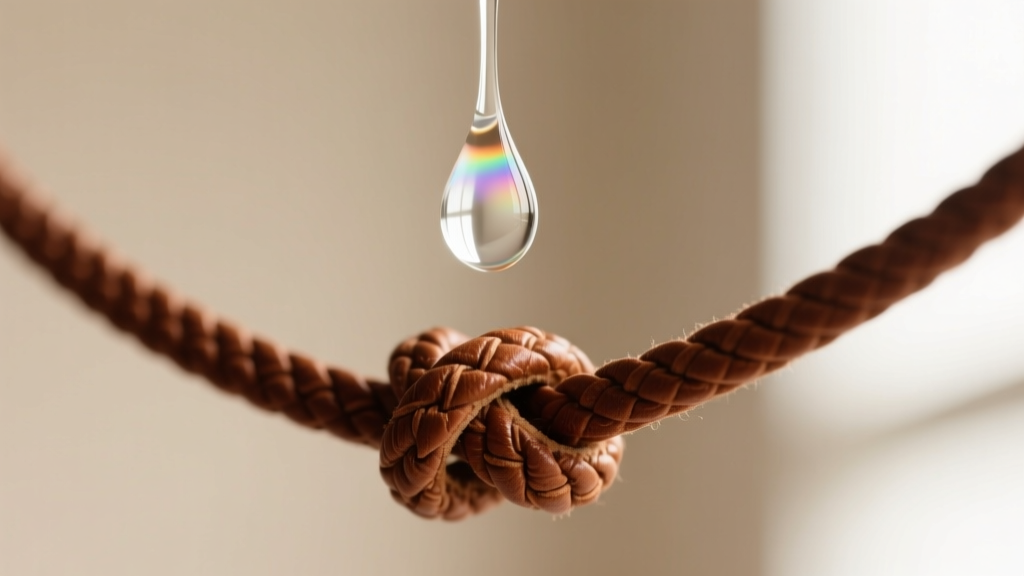
Pro Tips for Securing and Finishing Your Knots
Tying the knot is only half the battle; securing it against environmental factors, body oils, and friction is what separates amateur crafting from professional jewelry design.
Expert Rule of Thumb: Never use cyanoacrylate (Super Glue) on nylon or silk cords. The exothermic curing reaction can literally melt synthetic fibers, and the resulting brittle plastic joint will snap under flex stress. Always use a flexible, precision-tip adhesive like GS Hypo Cement or a specialized flexible jewelry epoxy.
For synthetic cords like nylon, melting the tail ends with a thread zapper or a lighter creates a microscopic plastic bead that physically prevents the tail from pulling back through the knot. However, this technique should never be used on natural fibers like silk, cotton, or leather, which will simply char, weaken, and break. For natural fibers, trim the tail to 2mm and saturate the knot with a flexible fabric glue, allowing it to cure for a full 24 hours before wearing.
Conclusion
Mastering the best knots for necklaces is an exercise in matching material physics to structural design. By understanding the friction properties of silk, the tensile limits of nylon, and the pliability of leather, you can select the exact knotting technique required to keep your pendants secure. Whether you are tying a delicate surgeon's knot on a pearl strand or a robust Lark's Head on a heavy leather choker, respecting the material's properties will ensure your jewelry stands the test of time.
For further reading on gemstone care and stringing materials, consult the Gemological Institute of America (GIA) guides on pearl maintenance and silk degradation.