How to Choose the Best Necklace Stand Display for Your Collection
Discover how to choose the perfect necklace stand display for your collection. Learn about materials, bust shapes, and jewelry care in our beginner guide.

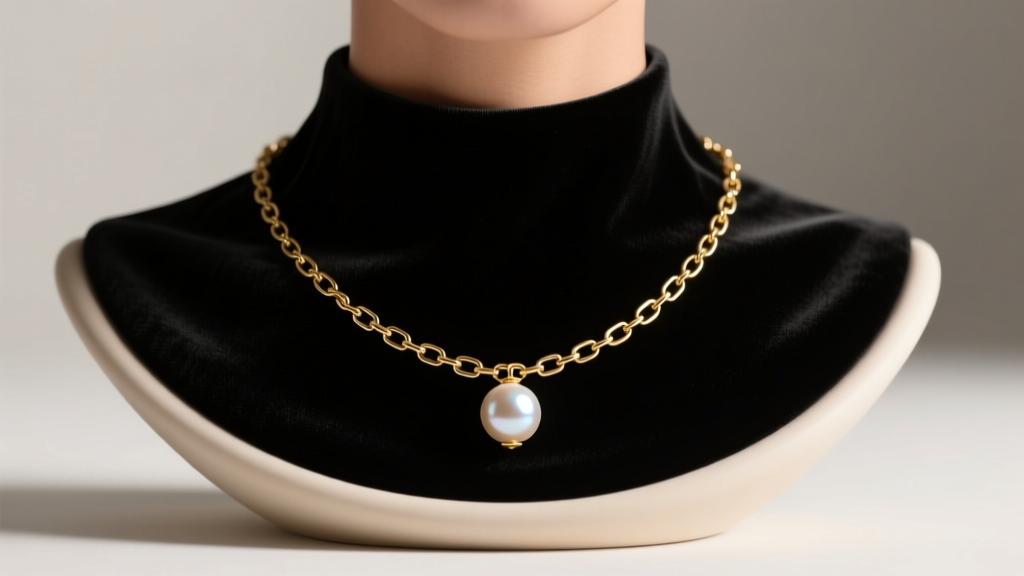
Whether you are a seasoned jewelry collector, an independent metalsmith, or simply someone tired of untangling a massive knot of chains every morning, investing in a high-quality necklace stand display is a game-changer. While tossing necklaces into a lined jewelry box seems convenient, it is actually one of the fastest ways to degrade your pieces. Chains kink, delicate clasps snag on gemstone settings, and improper storage environments accelerate tarnishing.
In this comprehensive beginner-friendly guide, we will explore the material science, structural proportions, and practical nuances of selecting the ideal necklace stand display. By understanding how different metals interact with display surfaces, you can protect your investment while showcasing your collection beautifully.
The Hidden Dangers of Improper Necklace Storage
Before diving into display types, it is crucial to understand why a proper necklace stand display is a functional necessity, not just an aesthetic choice. The primary enemy of any chain necklace is gravity combined with friction.
- Link Distortion: Heavy chains, such as a 50-gram stainless steel or solid gold Cuban link, exert significant downward force. Hanging them on flimsy wire hooks or laying them in cramped compartments can cause the links to stretch and permanently distort over time.
- Work Hardening and Kinking: Delicate chains like box or snake chains are prone to kinking. Once a snake chain kinks, the metal undergoes work hardening, making it brittle and highly susceptible to snapping. A contoured bust display supports the entire length of the chain, preventing sharp bends.
- Accelerated Tarnishing: Storing silver in a humid, enclosed box without anti-tarnish strips leads to rapid oxidation. A display stand keeps the jewelry in open air, which, when paired with a low-humidity room, actually slows down the sulfur-induced tarnishing process compared to trapped, stagnant air.
According to the Gemological Institute of America (GIA), proper storage and display are critical to preventing scratches and environmental damage, particularly for softer metals and porous gemstones like pearls or opals.
Material Chemistry: What Touches Your Jewelry?
The surface material of your necklace stand display directly interacts with your jewelry. Cheap displays can actually cause chemical reactions that pit or tarnish your pieces. Here is a breakdown of common display materials and their chemical safety profiles.
Velvet and Felt
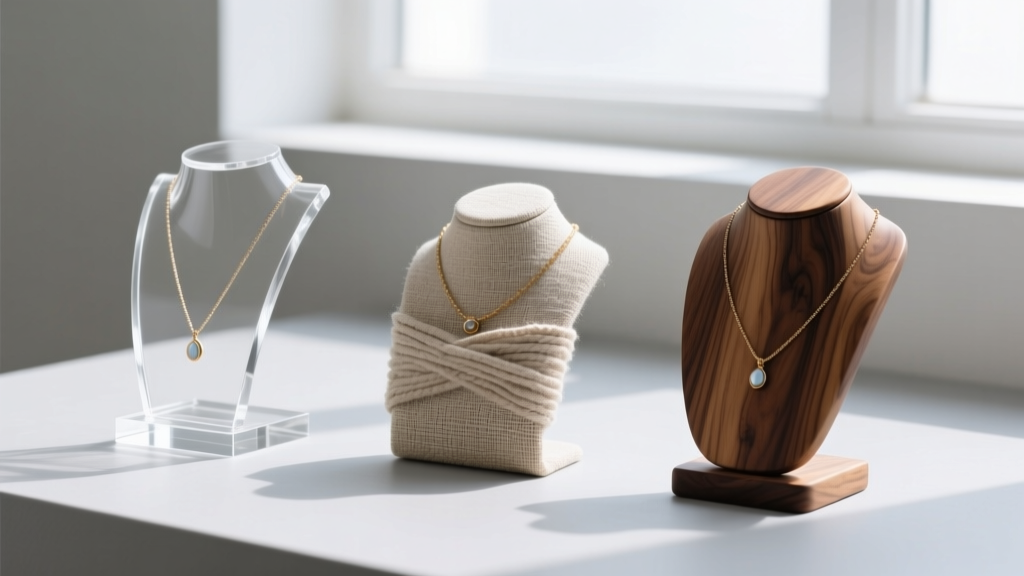
Velvet is the industry standard for luxury displays, but not all velvet is created equal. Cheap, mass-produced velvet often uses acidic dyes and synthetic backings that off-gas volatile organic compounds (VOCs). Over time, these acids can cause micro-pitting in sterling silver and degrade the silk threads in pearl necklaces. Always look for acid-free, archival-quality velvet or 100% cotton velvet dyed with reactive, pH-neutral dyes.
Acrylic and Polycarbonate
Clear acrylic stands offer a modern, minimalist look that keeps the focus entirely on the jewelry. Acrylic is chemically inert, meaning it will not react with gold, silver, or platinum. However, acrylic is prone to generating static electricity, which can attract dust to your jewelry. Furthermore, low-grade acrylic can yellow when exposed to prolonged UV sunlight.
Wood
Wooden busts provide a beautiful, organic aesthetic, but raw, unsealed wood is highly problematic for jewelry. Woods like oak and cedar naturally emit acetic acid and tannins, which will rapidly tarnish silver and damage porous gems. If you choose a wooden necklace stand display, ensure it is heavily sealed with a non-reactive polyurethane finish or lined with an acid-free barrier.
Material Comparison Chart
| Material | Chemical Safety | Best For | Average Price Range |
|---|---|---|---|
| Archival Velvet | Excellent (if acid-free) | High-end retail, pearls, soft metals | $35 - $85 |
| Cast Acrylic | Excellent (Inert) | Modern homes, craft fairs, photography | $20 - $50 |
| Sealed Walnut/Oak | Good (Must be sealed) | Rustic aesthetics, heavy statement pieces | $40 - $120 |
| Raw Linen/Cotton | Very Good | Everyday home organization, boho styles | $15 - $40 |
| Wire/Metal Grid | Poor (Scratch risk) | Temporary craft market hanging only | $10 - $25 |
Proportions and Bust Heights: Matching the Stand to the Chain
A common beginner mistake is buying a single, generic bust and expecting it to drape all necklace lengths correctly. The visual appeal and physical support of a necklace stand display depend heavily on matching the bust height to the chain length.
14 to 15-Inch Busts (Choker & Collar Height)
These shorter displays are designed specifically for chokers (14-16 inches) and collar necklaces (12-13 inches). They feature a pronounced, tight curvature at the top to mimic the base of the human neck. Using a 20-inch chain on a 14-inch bust will cause the chain to pool awkwardly at the base, hiding the pendant and creating stress on the lower links.
16 to 18-Inch Busts (Princess Length)
This is the most versatile size and the standard for the "princess" length (17-19 inches), which rests right on the collarbone. If you only buy one necklace stand display, make it an 18-inch bust. It provides enough surface area to showcase standard pendants, lockets, and layered chain combinations without the chains hanging off the bottom edge.
20 to 24-Inch Busts (Matinee & Opera Length)
For longer matinee (20-24 inches) and opera (28-36 inches) chains, you need a taller, more elongated torso display. These displays mimic the drape of the upper chest, allowing long pearl strands or heavy pendant chains to fall naturally without folding over themselves.
The Problem with Wire and Grid Stands
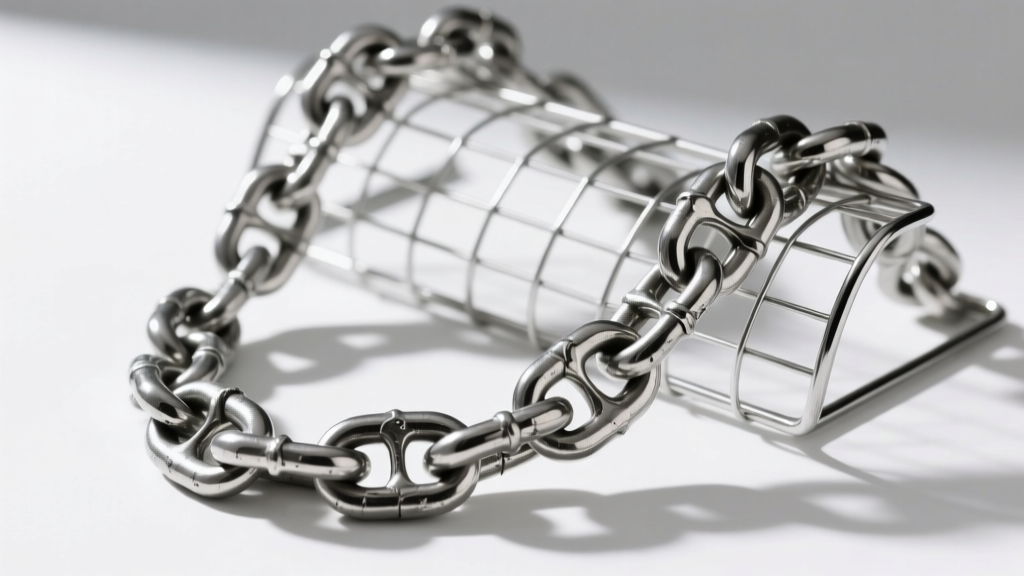
Wire grid stands and metal "T-bar" holders are ubiquitous at craft fairs and flea markets due to their low cost and high capacity. However, from a jewelry care perspective, they are highly problematic.
When a polished metal chain rests against a bare metal wire, the friction creates micro-scratches. This is especially devastating for high-polish sterling silver, 22k or 24k gold (which are exceptionally soft), and rhodium-plated white gold. Furthermore, the narrow gauge of the wire concentrates the weight of the necklace onto a single point, which can bend the top link of the chain or distort the jump ring holding your pendant. If you must use a wire stand for a temporary market display, wrap the contact points in archival-quality heat-shrink tubing or acid-free cotton tape to create a protective barrier.
Base Stability and Center of Gravity
A beautiful bust is useless if it tips over every time you place a heavy chain on it. The London Assay Office emphasizes that physical damage from jewelry falling is a leading cause of bent prongs and chipped stones.
When evaluating a necklace stand display, check the base-to-height ratio. A heavy solid brass or stainless steel chain (weighing 100+ grams) will easily topple a lightweight, hollow acrylic stand. Look for displays with weighted bases—often achieved through a solid wood base, a metal internal armature, or a wide, flared footprint. For tall 24-inch displays, a base width of at least 6 to 8 inches is recommended to maintain a stable center of gravity.
Photography and Retail: Managing Glare and Contrast
If you are using your necklace stand display to photograph jewelry for an online store or social media, the surface finish is just as important as the material. Glossy surfaces, including polished wood or high-gloss painted ceramics, will reflect your studio lights or ring light, creating distracting hotspots in your images and reflecting onto the jewelry itself.
Opt for matte or suede finishes. Matte black velvet absorbs light, making diamonds and white gold pop with maximum contrast. Conversely, a matte cream or light grey linen stand provides a soft, diffused bounce light that is ideal for photographing yellow gold and warm-toned gemstones like citrine or garnet without washing out their color.
Maintenance: Cleaning Your Display Stands
Your display stands require maintenance to ensure they do not transfer dirt or oils back onto your clean jewelry.
- Velvet: Use a soft-bristled lint brush or a piece of velvet-fabric tape to lift dust and skin oils. Never use liquid cleaners on velvet, as water spots will ruin the nap of the fabric.
- Acrylic: Wipe down with a microfiber cloth and a dedicated acrylic cleaner (like Novus Plastic Clean). Never use ammonia-based glass cleaners like Windex, as ammonia will cause acrylic to cloud and craze (develop micro-fractures) over time.
- Wood: Dust with a dry microfiber cloth. If the sealed wood needs polishing, use a hard wax like carnauba, but ensure it is fully buffed and cured before placing jewelry back on the stand to prevent wax transfer to your chains.
Final Thoughts on Building Your Display Collection
Choosing the right necklace stand display is an exercise in balancing aesthetics, material science, and physical proportions. By investing in acid-free fabrics, chemically inert plastics, or properly sealed woods, you are actively preserving the structural integrity and finish of your jewelry. Start with a high-quality 18-inch matte velvet bust for your everyday pieces, and expand your collection with specialized heights and materials as your jewelry wardrobe grows. Your necklaces deserve to be seen, not tangled in the dark.


