Troubleshooting a Tarnished 14k Gold Plated Necklace
Is your 14k gold plated necklace turning green or fading? Learn expert troubleshooting tips to clean, restore, and extend the life of your gold plating.

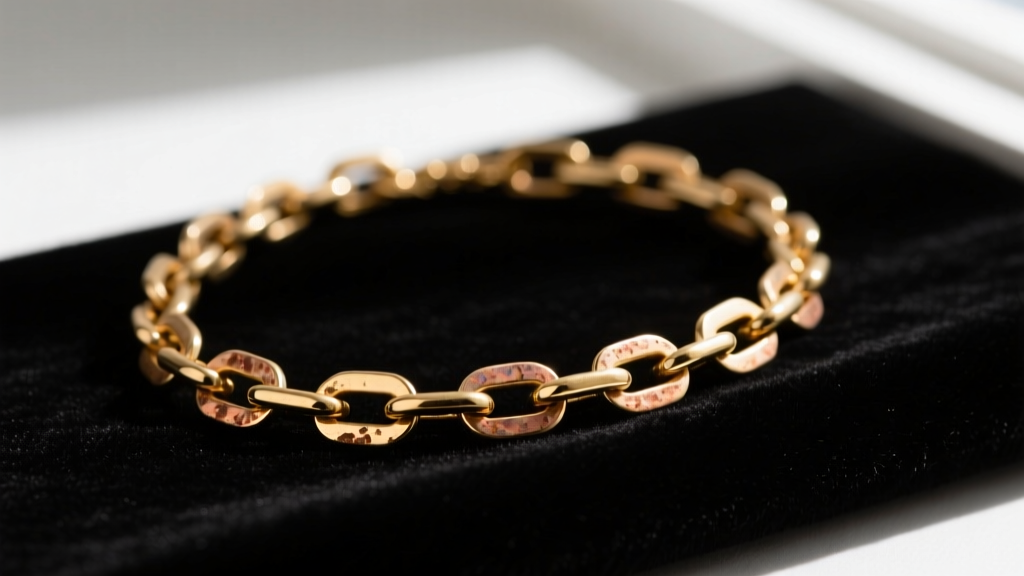
There is a unique frustration that comes with reaching for your favorite 14k gold plated necklace, only to find it looking dull, brassy, or leaving a green ring around your neck. Unlike solid gold, plated jewelry requires a specific maintenance protocol to combat the inevitable wear of its microscopic gold layer. Whether you are dealing with patchy fading, structural chain weakness, or galvanic skin reactions, understanding the metallurgy behind your necklace is the first step toward effective restoration. In this comprehensive troubleshooting guide, we break down the exact failure modes of gold plating and provide actionable, expert-level solutions to extend the lifespan of your favorite pieces.
The Anatomy of Plating Failure: Why Your Necklace is Fading
To troubleshoot a failing 14k gold plated necklace, you must first understand its construction. Gold plating involves using an electrical current to bond a microscopically thin layer of 14k gold to a base metal core. According to the Federal Trade Commission (FTC), the durability of this layer is measured in microns. Flash-plated jewelry typically features a gold layer of less than 0.175 microns—barely enough to survive a few weeks of daily wear. Standard gold plating ranges from 0.5 to 1.0 microns, while heavy gold plating (often seen in high-end vermeil) requires a minimum of 2.5 microns over a sterling silver base.
The base metal is equally critical. Brass and copper are the most common cores for affordable fashion jewelry due to their malleability and low cost. However, when the 14k gold layer wears thin, these reactive metals are exposed to oxygen and moisture, leading to rapid oxidation. Stainless steel is a more stable, hypoallergenic base, but its hardness makes it difficult for the gold ions to bond securely, often resulting in flaking rather than smooth fading. Understanding your necklace's base metal dictates which troubleshooting methods will actually work without causing further chemical damage.
Troubleshooting Common 14k Gold Plated Necklace Issues
Issue 1: The "Green Skin" Reaction
If your 14k gold plated necklace is leaving a green or black smudge on your collarbone, you are experiencing a galvanic reaction. Human sweat has a pH ranging from 4.5 to 7.0, making it mildly acidic. When the gold plating wears away at high-friction points (like the back of the neck), the acidic sweat interacts with the copper or brass base metal, creating copper chloride. This salt compound is green and easily transfers to the skin. To solve this, you must neutralize the reaction. Wipe the back of the necklace chain with a soft cloth dampened with distilled water and a drop of mild, pH-neutral dish soap after every wear. For a permanent barrier, apply a specialized jewelry sealant like Jeweler’s Skin Protectant, avoiding cheap clear nail polishes which yellow, chip, and trap moisture against the base metal.
Issue 2: Patchy Fading and Spotting
Patchy fading rarely happens evenly. It usually occurs where the necklace rubs against clothing, or where chemical agents have degraded the gold layer. Perfumes, lotions, and hairsprays contain alcohols and emulsifiers that break down the microscopic gold bonds. If your pendant is spotted, it is likely due to chemical splashing. The Gemological Institute of America (GIA) notes that household chemicals can permanently alter the surface tension of plated metals. To prevent spotting, always adhere to the 'last on, first off' rule: put your necklace on after your cosmetics have fully dried, and remove it before showering or swimming in chlorinated water, which will strip a 0.5-micron plating layer in a matter of days.
Issue 3: Chain Snagging and Weak Links
Plating issues aren't always cosmetic; they can be structural. If your chain is catching on your skin or snagging on fabrics, the plating process itself may have caused hydrogen embrittlement in the base metal links, or the jump rings were improperly soldered before plating. Inspect the clasp and the jump ring connecting it to the chain. If the gap in the jump ring has widened, use two pairs of flat-nose jewelry pliers to gently twist the ring closed laterally. Never pull the ring apart outward, as this weakens the metal's structural memory and will cause the ring to snap under the weight of the pendant.
The Restoration Protocol: Step-by-Step Recovery
When your necklace has lost its luster, aggressive polishing will only accelerate the loss of the remaining gold. You must use a non-abrasive recovery method. Never use baking soda, toothpaste, or commercial silver dips, as these contain harsh particulates or sulfur-stripping acids that will instantly dissolve a 14k gold plated layer.
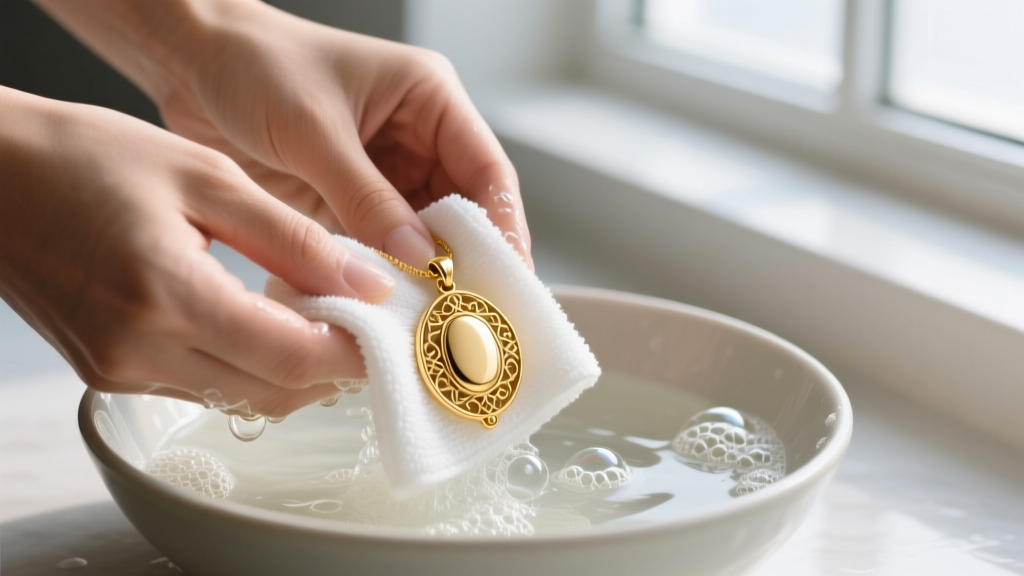
- Step 1: Prepare a lukewarm bath using distilled water and three drops of ammonia-free dish soap (like Dawn Free & Clear).
- Step 2: Submerge the necklace for exactly three minutes. Do not exceed this time, as prolonged water exposure can seep into the microscopic pores of the plating and oxidize the base metal from the inside out.
- Step 3: Gently agitate the water. Do not scrub the chain with a toothbrush, even a soft-bristled one, as the bristles act as micro-scratches on the gold surface.
- Step 4: Rinse briefly under a gentle stream of distilled water.
- Step 5: Lay the necklace flat on a lint-free microfiber cloth and pat dry. Use a cool setting on a hair dryer to ensure no moisture remains in the clasp mechanisms.
Plating Thickness and Durability Comparison Chart
Understanding the micron thickness of your necklace helps set realistic expectations for its lifespan and dictates how aggressively you can clean it.
| Plating Category | Thickness (Microns) | Typical Base Metal | Estimated Daily Wear Lifespan |
|---|---|---|---|
| Flash Plated | < 0.175 µm | Brass, Zinc Alloy | 1 - 3 Months |
| Standard Plated | 0.5 - 1.0 µm | Brass, Stainless Steel | 6 - 12 Months |
| Heavy Plated | 1.5 - 2.4 µm | Sterling Silver, Brass | 1 - 3 Years |
| Gold Vermeil | 2.5+ µm | Sterling Silver (Required) | 3 - 5+ Years |
When to Replate vs. Replace: A Cost-Benefit Analysis
Eventually, no amount of cleaning can restore a 14k gold plated necklace that has completely worn through to the base metal. At this juncture, you must decide between replating and replacing.
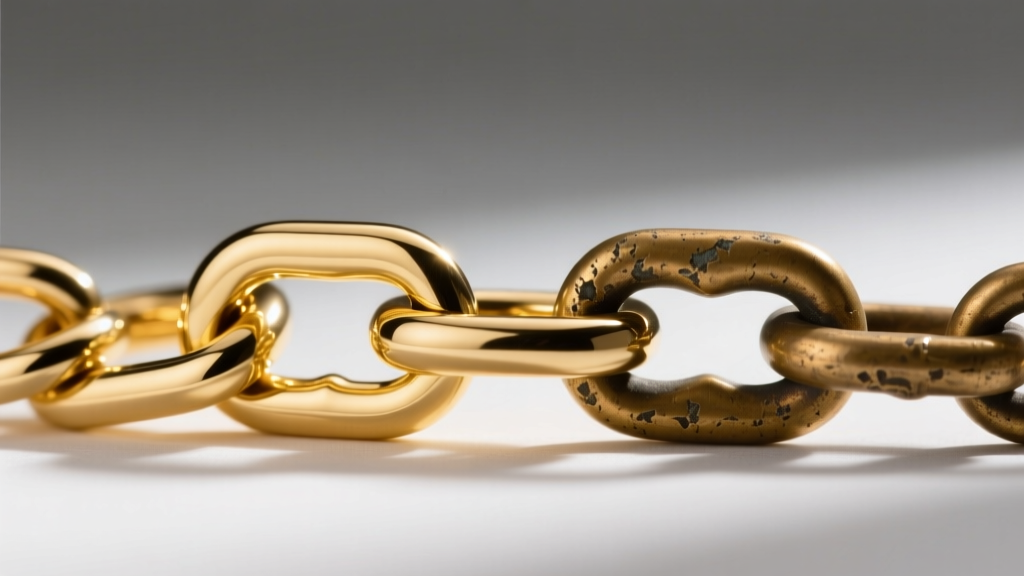
Professional electroplating services typically charge between $45 and $120 for a standard chain and pendant, depending on the complexity of the piece and the desired micron thickness. If your necklace holds sentimental value or features a high-quality sterling silver or surgical steel base, replating is a highly cost-effective way to restore it to factory condition. The jeweler will strip the remaining oxidized gold, polish the base metal, and apply a fresh 2.0-micron layer of 14k gold. However, if the base metal is cheap brass or zinc alloy, the cost of replating will far exceed the original retail value of the item. In these cases, it is more economical to recycle the piece and invest in gold vermeil or solid gold for your next purchase.
Expert Tip: Before sending a piece to a jeweler for replating, ask if they use a nickel strike layer. While nickel helps gold adhere to difficult base metals like stainless steel, it is a common contact allergen. If you have sensitive skin, request a palladium or copper strike instead.
Preventative Maintenance and Storage Architecture
How you store your 14k gold plated necklace when it is not on your neck is just as critical as how you clean it. Leaving jewelry on a bathroom counter exposes it to high humidity and aerosolized chemicals. Instead, utilize a dedicated jewelry box with anti-tarnish lining, which contains activated carbon or silver sulfide-absorbing compounds. Store each necklace individually in a sealed, zip-lock polyethylene bag with a small silica gel desiccant packet. This creates a micro-climate with near-zero humidity, effectively pausing the oxidation process of the underlying base metal and preserving the 14k gold plating for years of extended wear. By combining proper storage with gentle, non-abrasive cleaning protocols, you can easily double or triple the functional lifespan of your plated jewelry collection.


