Y Necklace Silver Guide: Sterling vs Argentium Properties
Discover how silver grades impact your Y necklace. Compare sterling vs. Argentium silver properties, tensile strength, and tarnish resistance.

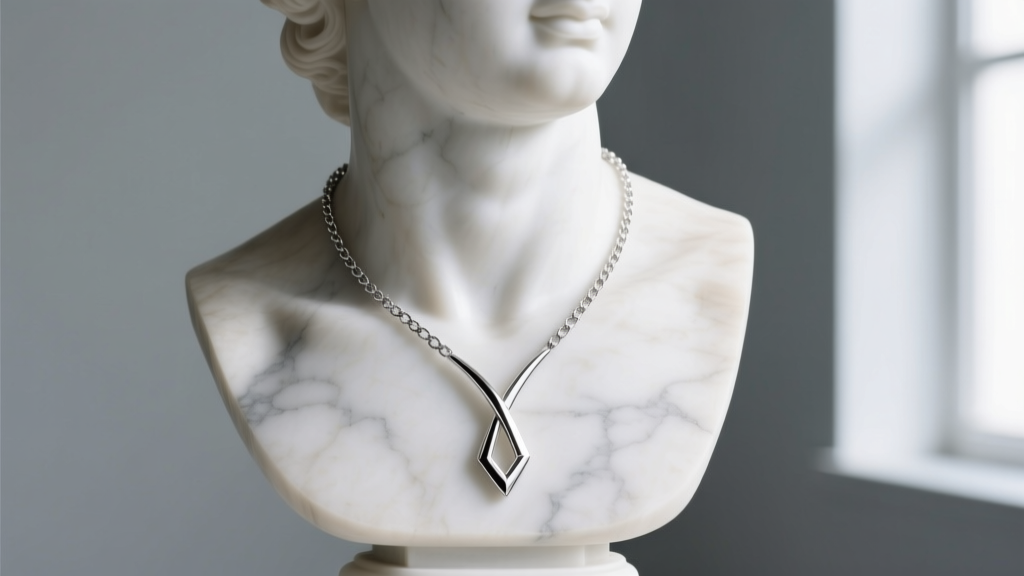
The Anatomy of a Silver Y-Necklace: Where Stress Meets Style
The Y-necklace, often referred to as a lariat or drop necklace, is a masterclass in structural jewelry design. Unlike a standard choker or princess-length chain that distributes weight evenly around the cervical spine, a Y-necklace introduces a secondary gravitational vector. The vertical drop chain pulls downward from a central junction, creating continuous shear stress on the connecting jump rings and the slide mechanism. When evaluating a y necklace silver design for everyday wear, understanding the metallurgical properties of the silver used is not just a matter of aesthetics—it is a matter of structural integrity.
The friction generated at the Y-intersection, combined with the natural oils and environmental pollutants trapped in the chain crevices, makes material selection critical. According to The Silver Institute, silver's inherent malleability requires precise alloying to withstand the mechanical friction of a sliding drop chain. In this comprehensive guide, we dissect the material properties of Sterling, Argentium, and plated silver to help you choose a Y-necklace that will not tarnish, snap, or deform under its own weight.
Material Breakdown: Sterling vs. Argentium vs. Plated
Sterling Silver (925): The Industry Standard
Sterling silver is an alloy consisting of 92.5% pure silver and 7.5% copper. The addition of copper increases the Vickers hardness (HV) from roughly 25 (in fine silver) to about 60-70, providing the necessary tensile strength for chain links. However, copper is highly reactive. When exposed to sulfur compounds in the air and human sweat, the copper in sterling silver forms copper sulfide, resulting in the black tarnish that plagues Y-necklaces. Because the Y-junction rests against the sternum—a high-sweat area—sterling Y-necklaces require frequent polishing to prevent the tarnish from degrading the microscopic surface of the slide ring.
Argentium Silver: The Tarnish-Resistant Upgrade
Argentium silver replaces a portion of the copper alloy with germanium (typically 93.5% or 96% silver). According to the Gemological Institute of America (GIA), the germanium reacts with oxygen to form a transparent, self-healing layer of germanium dioxide on the surface. This layer acts as an impenetrable barrier against tarnish-causing sulfur. For a Y-necklace, Argentium is vastly superior. The slide mechanism of a Y-necklace creates micro-abrasions every time the wearer adjusts the drop length. In sterling silver, these abrasions expose fresh copper to the air, accelerating tarnish. In Argentium, the germanium oxide layer instantly reforms, keeping the friction point smooth and bright.
Silver-Plated: The Hidden Costs of Fast Fashion
Plated silver Y-necklaces feature a brass or copper core coated with a microscopic layer of pure silver, usually between 0.5 to 1.5 microns thick. While initially brilliant, the friction point where the vertical drop chain passes through the horizontal collarbone ring will wear through this plating within weeks of daily use. Once the brass core is exposed, the necklace loses its structural cohesion at the most critical stress point, often leading to snapping. Furthermore, exposed brass reacting with skin acids will leave a green residue on the wearer's chest.
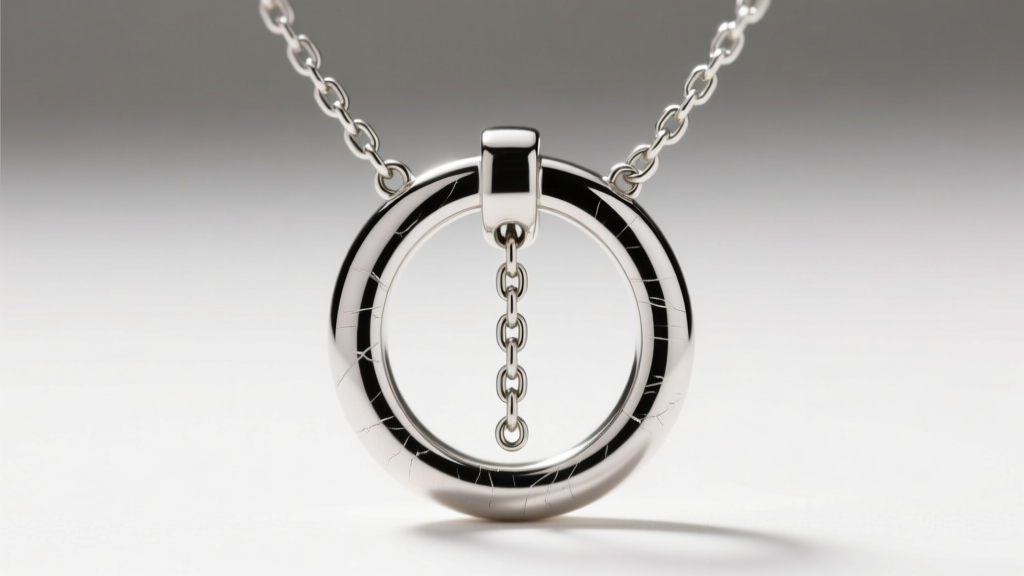
Comparative Data: Tensile Strength & Tarnish Rates
To understand why material grade dictates the lifespan of a lariat necklace, review the metallurgical data below. This table highlights the physical properties that directly impact the durability of the Y-junction.
| Material Grade | Composition | Vickers Hardness (HV) | Tarnish Resistance | Avg. Price Range |
|---|---|---|---|---|
| Fine Silver (999) | 99.9% Ag | 25 (Too soft) | Excellent | N/A (Not used for chains) |
| Sterling Silver (925) | 92.5% Ag, 7.5% Cu | 60 - 70 | Moderate (Requires polishing) | $45 - $120 |
| Argentium Silver (935) | 93.5% Ag, Cu, Ge | 80 - 90 (Hardened) | Exceptional (Self-healing) | $85 - $220 |
| Silver-Plated | Brass core, 0.5µm Ag | Depends on core | Poor (Wears at friction points) | $15 - $35 |
Chain Weaves and the Y-Drop Mechanism
The structural success of a y necklace silver piece relies heavily on the chain weave selected for both the main collarbone chain and the vertical drop. Not all weaves handle the directional pull of a Y-necklace equally well.
- Box Chains: Composed of square, interlocking links, box chains offer the highest tensile strength and resist kinking. They are the ideal choice for the vertical drop, as they lay flat against the sternum and resist the twisting forces that occur when the wearer moves.
- Snake Chains: While sleek and modern, snake chains are composed of tightly joined wavy rings that form a flexible tube. They are notoriously prone to kinking at the Y-junction if bent at a sharp angle. If a snake chain kinks, the structural integrity is permanently compromised, and the chain will eventually snap at the crease.
- Cable Chains: The classic oval-link cable chain is highly durable and easy to repair. However, the open links can catch on the slide ring if the wire gauge is too thin. For Y-necklaces, a cable chain should be no thinner than 1.2mm (roughly 16-gauge) to prevent the slide ring from slipping between the links and warping them.
Critical Failure Points in Y-Necklace Design
When inspecting a silver Y-necklace, a trained jeweler will immediately look for specific failure modes inherent to this silhouette:
- The Vertex Jump Ring: The single jump ring connecting the left chain, right chain, and drop chain bears the brunt of the tensile load. In high-quality pieces, this jump ring must be soldered shut. If it is merely pushed closed, the vertical drop will eventually pull the ring open, dropping the pendant.
- Slide Ring Friction: In designs where the drop chain slides freely through a ring on the main chain, the interior diameter of the slide ring must be perfectly smoothed. Any microscopic burrs left from the casting process will act like a file, slowly shaving away the silver from the drop chain until it snaps.
- Clasp Weight Imbalance: A Y-necklace naturally pulls the clasp forward toward the front of the neck. To counteract this, expert designers use a heavier, larger lobster clasp or add a small silver counterweight tag near the clasp to anchor the back of the neck.
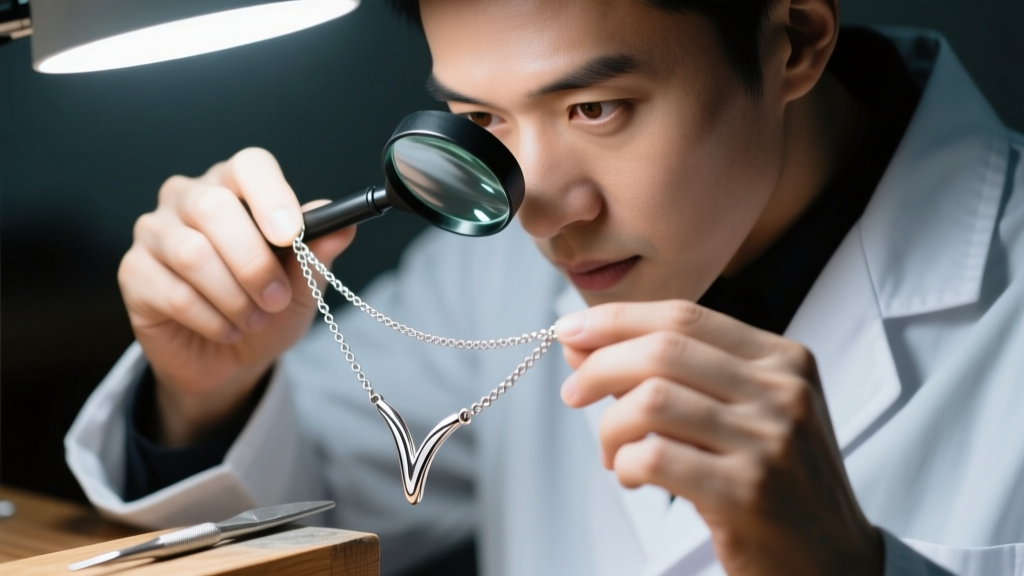
How to Maintain the Y-Junction and Drop Chain
Maintaining a silver Y-necklace requires a different approach than standard chains due to the complex geometry of the junction. Avoid ultrasonic cleaners for Y-necklaces featuring soldered vertex joints; the high-frequency vibrations can fatigue the solder over time, leading to microscopic fractures. Instead, rely on chemical or manual cleaning methods tailored to your silver type.
For Sterling Silver, use a specialized silver polishing cloth infused with micro-abrasives and anti-tarnish agents. Focus heavily on the Y-junction, where skin oils and perfumes accumulate, accelerating copper oxidation. Do not use harsh liquid silver dips on sterling Y-necklaces, as the chemical residue can become trapped in the tight links of the drop chain, causing delayed, severe tarnishing.
For Argentium Silver, maintenance is remarkably simple. Because the germanium oxide layer prevents sulfur bonding, a simple wipe with a soft, lint-free microfiber cloth and warm soapy water is usually sufficient to restore its brilliant white luster. Avoid using traditional silver polishing cloths on Argentium, as the abrasives can actually strip away the protective germanium layer, defeating its primary advantage.
Final Verdict: Which Silver Grade Should You Buy?
If you are investing in a y necklace silver piece intended for daily wear, Argentium silver is the undisputed champion. The initial premium in price (typically 30% to 50% more than sterling) is quickly offset by the elimination of polishing routines and the extended lifespan of the slide mechanism. The self-healing tarnish resistance ensures that the high-friction Y-junction remains smooth and structurally sound for decades.
However, if you are purchasing a vintage piece or prefer the traditional warmth of Sterling Silver (925), ensure that the vertical drop chain is constructed from a box or thick cable weave, and verify that the vertex jump ring is soldered shut. By understanding the metallurgical realities of silver alloys and the unique mechanical stresses of the lariat silhouette, you can select a Y-necklace that is not only a striking fashion statement but a lasting feat of jewelry engineering.


