2026 Pasquatch Necklace Buying Guide: What to Look For
Discover how to choose the perfect Pasquatch necklace. Our 2026 buying guide covers mesh grades, clasp types, pricing, and authentic craftsmanship markers.

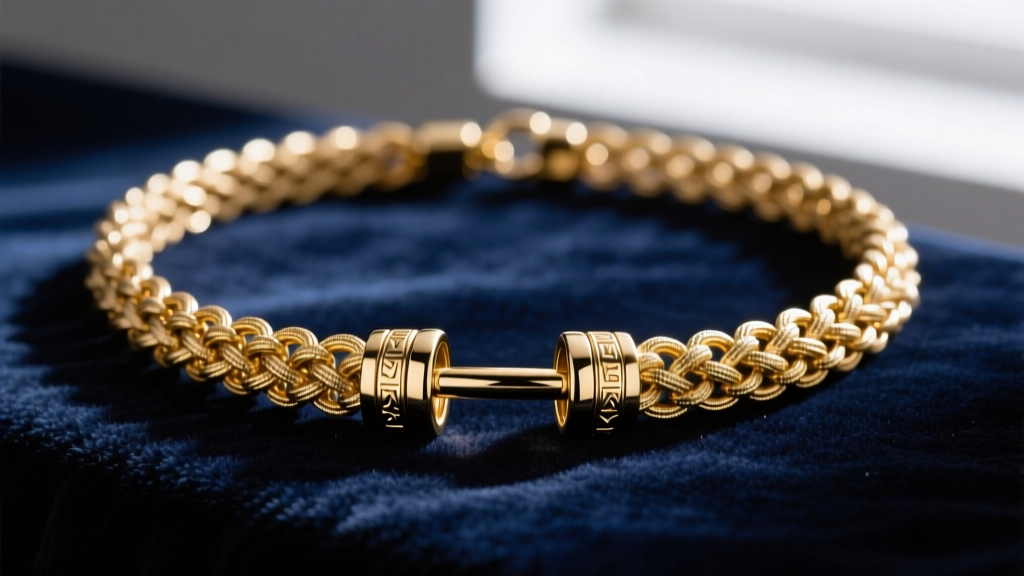
The Pasquatch necklace represents a pinnacle of artisan metalworking, celebrated for its fluid, fabric-like drape and brilliant light reflection. Originating from heritage Southern Italian goldsmithing traditions, this specific tubular mesh weave has evolved into a highly sought-after luxury staple. However, as its popularity surges in 2026, the market has become saturated with mass-produced imitations that lack the structural integrity and metallurgical quality of authentic pieces. Whether you are investing in a solid 18k gold heirloom or a high-quality vermeil everyday piece, understanding the precise mechanics of the Pasquatch weave is critical to making an informed purchase.
Understanding the Pasquatch Weave and Heritage
Unlike standard foxtail, snake, or omega chains, a true Pasquatch necklace is constructed using a complex tubular mesh technique. Hundreds of micro-interlocking rings are woven around a flexible interior spine. In vintage pieces, this core was often a braided silk or nylon thread, but modern 2026 iterations utilize advanced braided titanium or flexible memory-metal alloys to prevent interior degradation while maintaining the signature "liquid gold" movement.
The hallmark of the Pasquatch style is its high reflectivity and seamless surface. When laid flat on a table, an authentic Pasquatch chain should pool like liquid rather than holding a rigid shape. This fluidity is what allows the necklace to contour perfectly to the collarbone, creating an elegant, continuous ribbon of metal that catches the light from every angle.
Metal Grades and Mesh Density: The LPI Standard
When evaluating a Pasquatch necklace, the most critical technical specification is the mesh density, measured in Links Per Inch (LPI). A low LPI results in a stiff, scaly chain that is highly prone to kinking and catching on clothing. According to Jewelers of America craftsmanship guidelines, premium woven mesh chains require meticulous link alignment to ensure structural longevity.
| Quality Tier | Metal Purity | Mesh Density (LPI) | Core Material | Estimated Price Range |
|---|---|---|---|---|
| Artisan Heritage | 18k Solid Gold (750) | 50+ LPI | Braided Titanium | $3,500 - $8,000+ |
| Mid-Tier Luxury | 14k Solid Gold (585) | 40 - 49 LPI | Memory-Metal Alloy | $1,200 - $2,800 |
| Premium Vermeil | 925 Silver + 3μm Gold | 30 - 39 LPI | Nylon-Braided Core | $250 - $600 |
| Fast Fashion Imitation | Brass + Flash Plating | Under 30 LPI | Rigid Wire Core | $40 - $120 |
For a genuine Pasquatch experience, never settle for a chain with an LPI below 40. The tighter the weave, the more durable the necklace and the more luxurious the drape. Always verify the metal purity stamp; authentic pieces will bear a 750 (18k) or 585 (14k) hallmark, usually located on the small jump ring connecting the mesh to the clasp, adhering to GIA's gold purity standards.
Inspecting the Signature Barrel Clasp
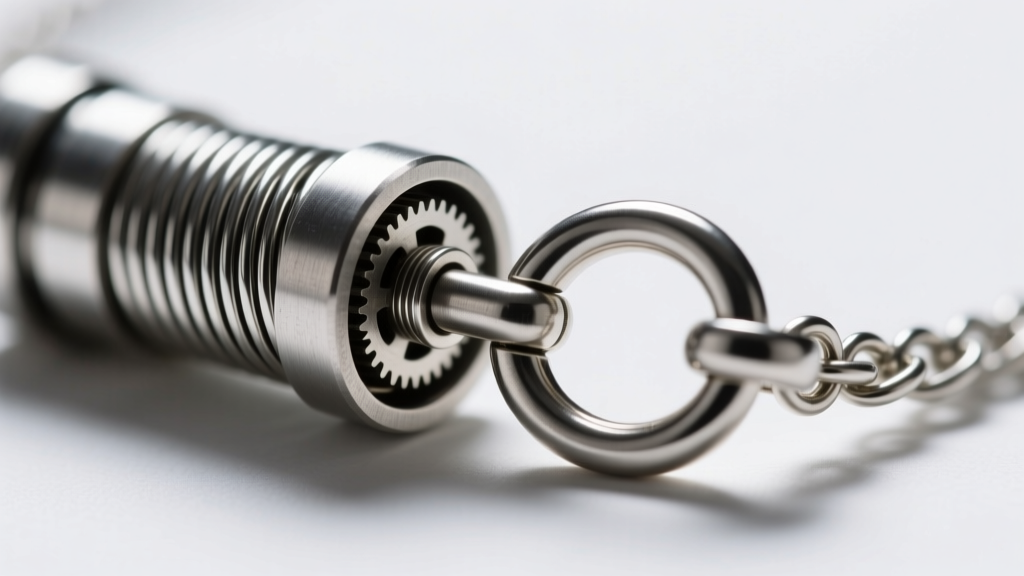
The clasp is the most common point of failure in woven mesh jewelry. A true Pasquatch necklace is relatively heavy due to the density of the metal weave, meaning a standard lobster clasp is entirely insufficient. Authentic designs utilize a specialized ornate barrel clasp equipped with a dual-tension internal spring mechanism.
What to Look For in the Clasp:
- Dual-Tension Springs: The tongue of the clasp should feature two distinct V-shaped springs that compress and snap audibly into the barrel's internal groove.
- Figure-8 Safety Catch: Because the mesh is heavy and slippery, a secondary wire safety latch (shaped like the number 8) must hinge over the barrel joint. If a seller claims the internal spring is "strong enough" without a safety catch, walk away.
- Swivel Jump Rings: The jump rings connecting the mesh tube to the barrel clasp must swivel freely. If they are soldered rigidly, the twisting motion of daily wear will eventually snap the mesh tube at the connection point.
Pricing Tiers and Value Assessment
Navigating the pricing landscape of Pasquatch necklaces requires an understanding of raw material weight and labor intensity. Hand-weaving a single 18-inch Pasquatch chain can take a master goldsmith upwards of 40 hours.
"The value of a Pasquatch chain isn't just in the gold weight; it's in the tensile engineering. A poorly woven mesh will collapse on itself and kink irreparably within months. You are paying for the structural geometry as much as the precious metal."
— Master Goldsmith & Metallurgy Consultant
When shopping, weigh the necklace if possible. A standard 4mm wide, 18-inch solid 14k Pasquatch chain should weigh between 18 and 24 grams. If the piece feels suspiciously light for its volume, it is likely a hollow-core imitation or a base metal wrapped in a microscopic layer of gold foil.
Styling and Neckline Pairings
The high-reflectivity of the Pasquatch weave makes it a statement piece that requires deliberate styling. Because the mesh acts like a mirror, it draws the eye directly to the neckline and collarbone.
Ideal Necklines:
- Deep V-Necks: A 16-inch or 18-inch Pasquatch chain perfectly traces the inner line of a V-neck blouse, elongating the neck and providing a striking contrast against bare skin or matte fabrics.
- Scoop and Boat Necks: Shorter 14-inch choker-length Pasquatch necklaces sit beautifully above the collarbone, framing the face without competing with the garment's hemline.
- Off-the-Shoulder: The fluid drape of the mesh complements the horizontal lines of off-the-shoulder tops, adding a vertical element of luxury.
Avoid: High turtlenecks, lace collars, or heavily textured knits. The micro-links of the Pasquatch weave can easily snag on loose threads or rough textiles, which can pull the mesh out of alignment and cause permanent kinking.

Care, Maintenance, and Troubleshooting
Woven mesh jewelry requires specialized care. The dense interlocking rings easily trap skin oils, lotions, and cosmetic powders, which will quickly dull the chain's signature liquid shine.
Routine Cleaning Protocol
Never use ultrasonic cleaners on a Pasquatch necklace. The high-frequency vibrations can loosen the internal tension of the weave and degrade the core spine. Instead, soak the chain in a solution of warm water and a few drops of mild, phosphate-free dish soap for ten minutes. Gently agitate the mesh using a soft-bristled baby toothbrush, moving strictly in the direction of the weave. Rinse with distilled water and lay flat on a microfiber cloth to dry.
Troubleshooting Kinks and Snags
If your Pasquatch necklace develops a kink, do not attempt to bend it back into place with your fingers or pliers. Woven mesh work-hardens when bent, and manual manipulation will cause the micro-links to snap. Furthermore, traditional torch soldering cannot be used to repair a Pasquatch chain, as the heat will melt the surrounding mesh and destroy the flexible core. Repairs must be performed by a jeweler utilizing a precision laser welder, which can fuse the broken link without transferring heat to the adjacent structure. Always store your necklace flat or hanging vertically to prevent gravity-induced tangling.


