The Ultimate Birthstone and Initial Necklace Buying Guide
Discover how to choose the perfect birthstone and initial necklace. Learn about metal grades, gemstone durability, chain lengths, and layering tips.

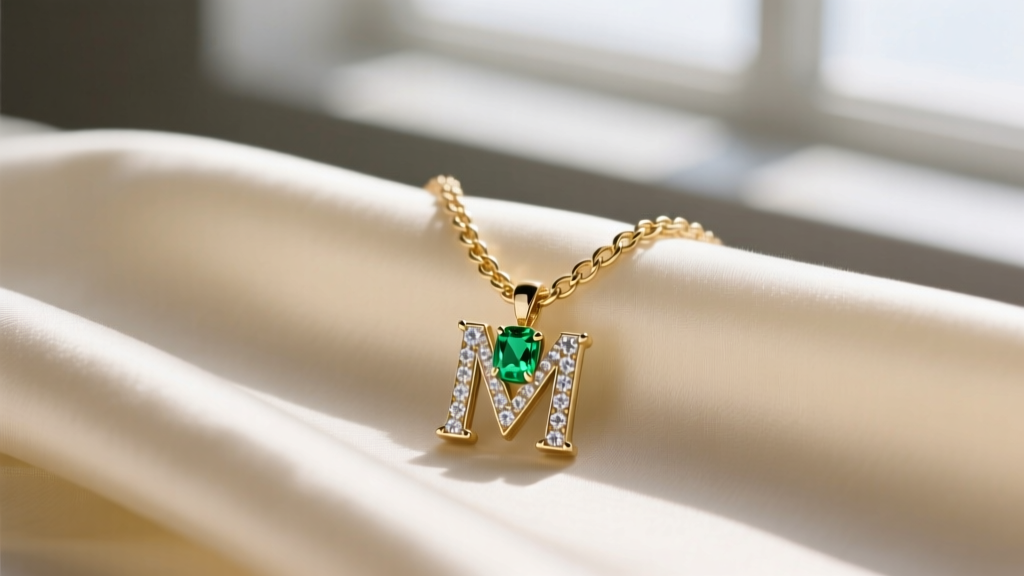
The shift toward hyper-personalization has completely redefined fine jewelry trends as we navigate 2026. Among the most enduring and emotionally resonant styles is the birthstone and initial necklace. No longer confined to simple, mass-produced charms, today’s personalized pendants are masterclasses in bespoke styling, combining sentimental value with high-end metallurgy and gemology. However, the market is flooded with options ranging from $20 fast-fashion baubles to $2,000 solid gold heirlooms. This comprehensive buying guide cuts through the noise, providing you with the exact specifications, material grades, and structural insights needed to invest in a piece that will last a lifetime.
Decoding the Anatomy of a Birthstone and Initial Necklace
A high-quality personalized necklace is a sum of its parts. When evaluating a birthstone and initial necklace, you must scrutinize the metal purity, the gemstone origin, and the setting mechanics. Many online retailers obscure these details behind marketing buzzwords like "premium gold" or "authentic crystals." Here is what you actually need to look for.
Metal Purity and Plating Grades
The foundation of your necklace dictates its longevity, hypoallergenic properties, and resistance to tarnish. For daily wear, the Vickers hardness of the metal is critical. While 18k gold (75% pure gold) offers a richer, warmer hue, it is relatively soft and prone to scratching. 14k solid gold (58.3% pure gold) is the industry gold standard for pendant necklaces because its alloy mix provides superior structural integrity to hold gemstone prongs securely.
If you are shopping on a budget, you will encounter gold vermeil and gold-plated options. According to the Federal Trade Commission (FTC), true gold vermeil must consist of a sterling silver (.925) base coated with at least 2.5 microns of 10k, 14k, or 18k gold. Avoid "gold-plated brass" or "gold-filled" pieces if you have sensitive skin, as the underlying copper and zinc alloys will oxidize and cause discoloration once the microscopic outer layer wears away.
Gemstone Selection: Mohs Scale and Origin
Birthstones vary wildly in their physical durability. The Gemological Institute of America (GIA) utilizes the Mohs scale of mineral hardness to rank gemstones. When selecting a birthstone for a necklace that will be worn daily, hardness is paramount. Necklaces are subject to accidental impacts against desks, doorways, and mirrors.
- High Durability (Mohs 8-10): Ruby, Sapphire, and Diamond. Ideal for everyday, worry-free wear.
- Moderate Durability (Mohs 7-7.5): Emerald, Garnet, and Amethyst. Require mindful wear; emeralds in particular are heavily included and can fracture if struck.
- Low Durability (Mohs 2.5-6.5): Pearl, Opal, and Moonstone. These are porous or water-rich stones that can be damaged by perfumes, lotions, and even sweat. They should be set in protective bezels rather than exposed prong settings.
Furthermore, decide between natural and lab-created stones. Lab-created birthstones (like hydrothermal emeralds or flame-fusion rubies) possess the exact same chemical and optical properties as their mined counterparts but are free of structural inclusions, making them significantly more durable for active lifestyles.
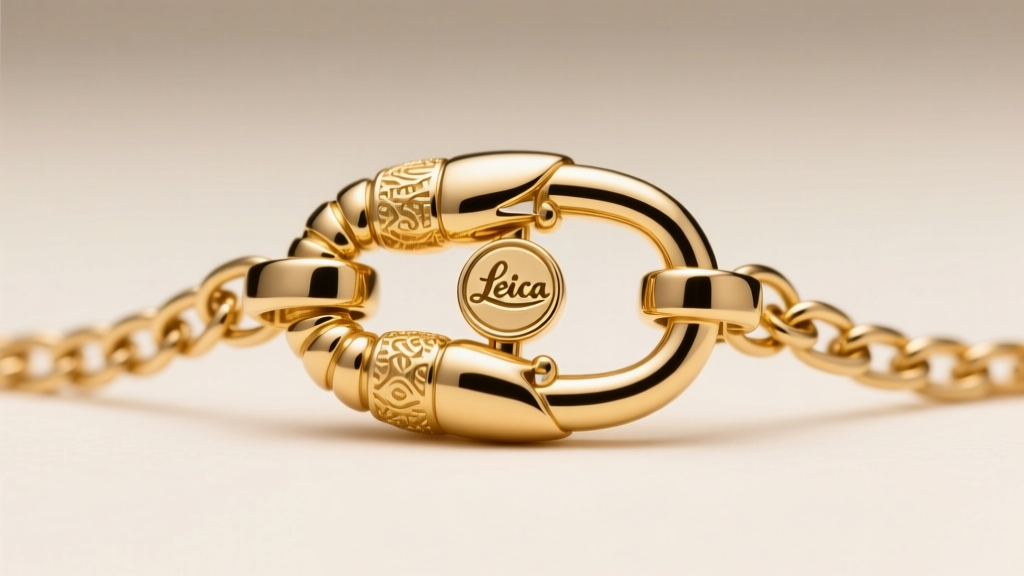
Chain Styles and Clasp Mechanics: What Actually Lasts?
The pendant is only as secure as the chain it hangs from. A common failure point in personalized jewelry is the chain snapping at the jump ring or the clasp failing. For a birthstone and initial necklace, the chain must balance delicate aesthetics with tensile strength.
| Chain Type | Recommended Thickness | Durability Profile | Best For |
|---|---|---|---|
| Cable Chain | 1.0mm - 1.2mm | Moderate. Links can stretch if caught. | Lightweight initial pendants and small bezel-set stones. |
| Box Chain | 1.2mm - 1.5mm | High. Interlocking square links resist snapping. | Heavier solid gold letter pendants and multiple charms. |
| Rope Chain | 1.5mm - 2.0mm | Very High. Twisted links distribute weight evenly. | Statement pieces and layering anchors. |
| Curb Chain | 1.2mm - 1.8mm | High. Flat, interlocking links lay flush against the skin. | Modern, minimalist initial pendants. |
Always inspect the clasp. Spring ring clasps are inexpensive and common on delicate chains, but their internal springs frequently fail or become difficult to operate with one hand. A lobster clasp is vastly superior, offering a secure, self-closing mechanism that will protect your investment. Ensure the jump ring connecting the clasp to the chain is soldered shut; an open jump ring is a guaranteed point of failure.
Typography and Diamond Melee Quality
When selecting the initial component of your necklace, typography matters. The three dominant font families in 2026 jewelry design are:
- Classic Serif: Evokes a timeless, editorial look with varied stroke widths. Best suited for solid gold or silver without diamond accents, as the intricate serifs can get lost under pave settings.
- Modern Sans-Serif: Clean, uniform lines. This is the ideal canvas for diamond-encrusted initials, as the consistent width allows for precise melee stone placement.
- Script/Cursive: Highly romantic but structurally vulnerable. The thin connecting loops between letters are prone to bending.
If you opt for a diamond-encrusted initial, inquire about the melee diamonds. Reputable jewelers use single-cut or full-cut natural or lab-grown diamonds in the SI1-SI2 clarity and G-H color range. Avoid retailers who use "diamond chips" or ungraded promotional stones, which often appear cloudy, gray, or heavily included, severely diminishing the pendant's light return.
Sizing, Proportions, and Neckline Pairing
The visual impact of a birthstone and initial necklace relies heavily on chain length and pendant proportion. Standard chain lengths dictate where the pendant rests on the décolletage:
- 14-15 Inches (Choker/Collarbone): Perfect for high-neck blouses, crew necks, and off-the-shoulder tops. Keeps the initial and birthstone tight to the base of the throat for a modern, choker-like effect.
- 16-18 Inches (Princess): The most versatile length. The pendant will rest just below the collarbone, making it visible above V-necks, scoop necks, and button-down shirts.
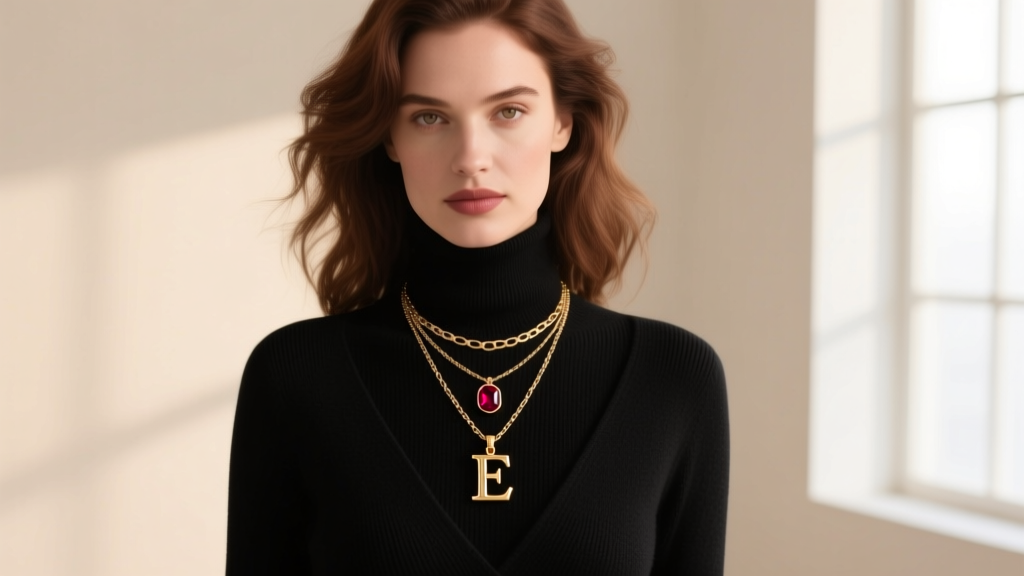
- 20-22 Inches (Matinee): Ideal for layering over sweaters, turtlenecks, or deep-V dresses. Allows the birthstone to act as a focal point over fabric.
"The golden rule of layering a birthstone and initial necklace is to maintain a minimum two-inch gap between chains. Pair a 16-inch diamond initial pendant with an 18-inch bezel-set birthstone to prevent the charms from tangling and scratching one another."
Red Flags to Avoid When Shopping Online
Protect your investment by walking away from listings that exhibit these warning signs:
- Vague Metal Disclosures: If a listing says "Gold Tone" or "Gold Plated" without specifying the base metal (e.g., brass, pewter, or sterling silver), assume it will tarnish within months.
- Glued-In Gemstones: Birthstones should be mechanically secured via prong, bezel, or channel settings. Adhesive degrades over time when exposed to body heat, cosmetics, and water, leading to lost stones.
- Hollow-Back Pendants: Some manufacturers hollow out the back of initial pendants to save on gold weight. These "semi-solid" pieces are easily dented and cannot be polished or repaired by a bench jeweler.
Care and Maintenance for Longevity
To keep your personalized necklace in pristine condition, adopt a strict "last on, first off" policy. Apply your perfumes, hairsprays, and lotions before putting on your jewelry. When removing the necklace, gently wipe the birthstone and gold with a microfiber cloth to remove sebum and environmental oils. Store the piece in an anti-tarnish pouch or a dedicated jewelry box compartment to prevent the chain links from micro-scratching the gemstone. For an annual refresh, a professional ultrasonic cleaning (safe for diamonds, rubies, and sapphires, but never for emeralds or opals) will restore the initial pendant's original brilliance.


