The Ultimate Black Coral Bead Necklace Gift Guide (2026)
Discover how to choose, authenticate, and gift a genuine black coral bead necklace. Our 2026 guide covers ethics, sizing, and occasion matching.

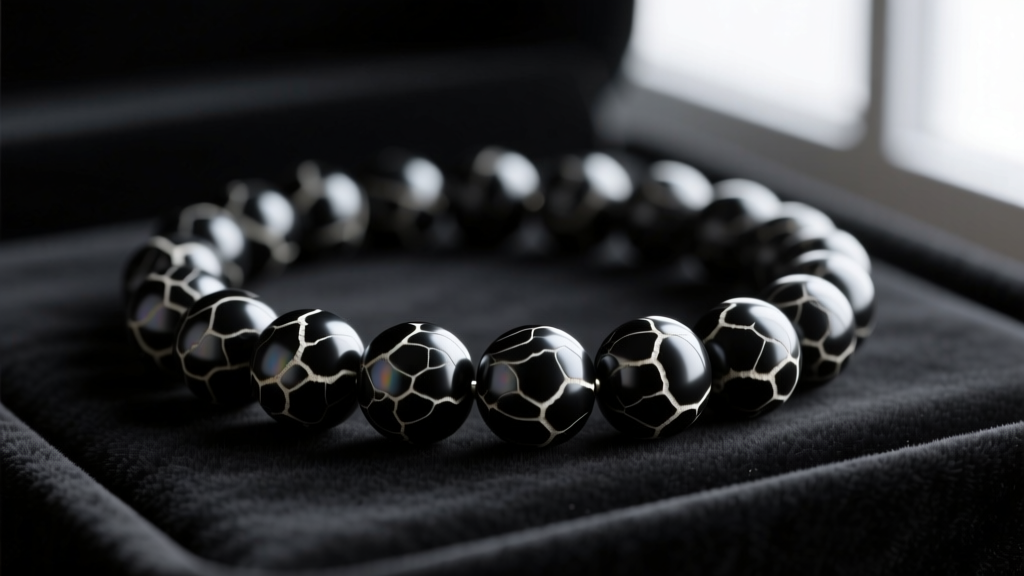
Why a Black Coral Bead Necklace Makes a Striking Gift
In the landscape of fine jewelry gifting, few pieces command the room quite like a genuine black coral bead necklace. Unlike traditional calcareous corals (which are composed of calcium carbonate and typically present in white, pink, or red hues), black coral belongs to the order Antipatharia. Its structure is entirely protein-based, primarily consisting of conchiolin—the same organic compound found in tortoiseshell and rhinoceros horn. This unique biological makeup grants black coral a distinct, warm matte luster, a lightweight feel against the skin, and an organic flexibility that makes it a dream to wear.
As we navigate the 2026 jewelry market, gift-givers are increasingly prioritizing pieces that offer both profound aesthetic impact and a compelling narrative. A black coral bead necklace delivers exactly that. It is a gift that speaks to a recipient with a refined, slightly unconventional taste—someone who appreciates the deep, abyssal origins of organic gems over the predictable sparkle of mined diamonds. However, gifting black coral requires a sophisticated understanding of ethical sourcing, authentication, and proper care to ensure your present is both legal and long-lasting.
The CITES Factor: Navigating Ethics and Authenticity
You cannot gift black coral responsibly without understanding the legal and ethical frameworks surrounding it. Due to overharvesting in the 20th century, all black coral species are listed under Appendix II of the Convention on International Trade in Endangered Species (CITES Appendices). This means international trade is strictly regulated to prevent species extinction.
In the United States, the Lacey Act and the Endangered Species Act heavily penalize the import or sale of illegally harvested coral. The only legally and sustainably harvested black coral in the US comes from the deep waters of Hawaii, specifically Antipathes dichotoma. Hawaiian black coral is strictly managed by the state, requiring divers to harvest only mature colonies (at least one inch in base diameter) and leaving the root intact for regeneration. When purchasing a black coral bead necklace as a gift, you must demand a certificate of origin or a CITES export permit if buying internationally. If a vendor cannot provide documentation proving the coral was legally harvested and traded, walk away. Gifting undocumented coral not only supports ecological destruction but can also result in severe federal fines for the recipient if they attempt to travel across borders with it.

How to Spot Genuine Black Coral vs. Dyed Imitations
The market is flooded with counterfeit black coral. Unscrupulous vendors often pass off dyed buffalo horn, stained bone, or even black glass as genuine coral. Because black coral is protein-based, it possesses specific physical properties that imitations cannot perfectly replicate. Use this decision framework to authenticate your potential gift:
| Diagnostic Feature | Genuine Black Coral | Dyed Horn / Bone | Glass / Plastic |
|---|---|---|---|
| Surface Texture (10x Loupe) | Shows fine, concentric tree-ring striations and tiny longitudinal grooves. | Shows parallel grain lines or Haversian canals (tiny dots in bone). | Completely smooth, or shows mold marks and gas bubbles. |
| Temperature to Touch | Warm to the touch; adapts to skin temperature almost instantly. | Slightly warm, but takes longer to adjust than coral. | Cold to the touch; takes a long time to warm up against the skin. |
| Specific Gravity (Weight) | Lightweight (SG ~1.3 - 1.5). Feels surprisingly light for its size. | Moderate weight, slightly heavier than coral. | Glass is very heavy (SG ~2.5+); plastic is unnaturally light. |
| Acetone Swab Test | No color transfer. The dark color is natural throughout. | Often transfers black or brown dye onto the cotton swab. | No color transfer, but acetone may melt or cloud plastic. |
Note: The traditional 'hot pin' test (touching a heated needle to an inconspicuous area to smell for burning hair/protein) is highly effective for distinguishing coral from plastic, but it is destructive. Never use this on a finished bead necklace you intend to gift.
Sizing, Lengths, and Bead Diameters
Selecting the right dimensions is crucial for the necklace to suit the recipient's personal style and wardrobe. Black coral beads are typically cut into round or barrel shapes and range from 4mm to 14mm in diameter.
- 6mm Beads (The Delicate Strand): Ideal for layering or for recipients who prefer subtle, minimalist jewelry. A 6mm strand drapes elegantly and works beautifully under a blouse or with a V-neckline.
- 8mm Beads (The Classic Standard): The most versatile and popular choice for gifting. An 8mm black coral bead necklace provides enough visual weight to stand alone as a statement piece without feeling overwhelming.
- 10mm to 12mm Beads (The Bold Statement): Reserved for high-fashion, avant-garde, or gothic aesthetics. These heavy beads require robust silk knotting and a reinforced clasp to support the tensile weight.
For lengths, an 18-inch Princess length is the safest bet for a gift, as it rests perfectly on the collarbone and suits almost all necklines. If the recipient frequently wears high-necked garments or turtlenecks, opt for a 24-inch Matinee length to allow the dark beads to rest visibly against the fabric.
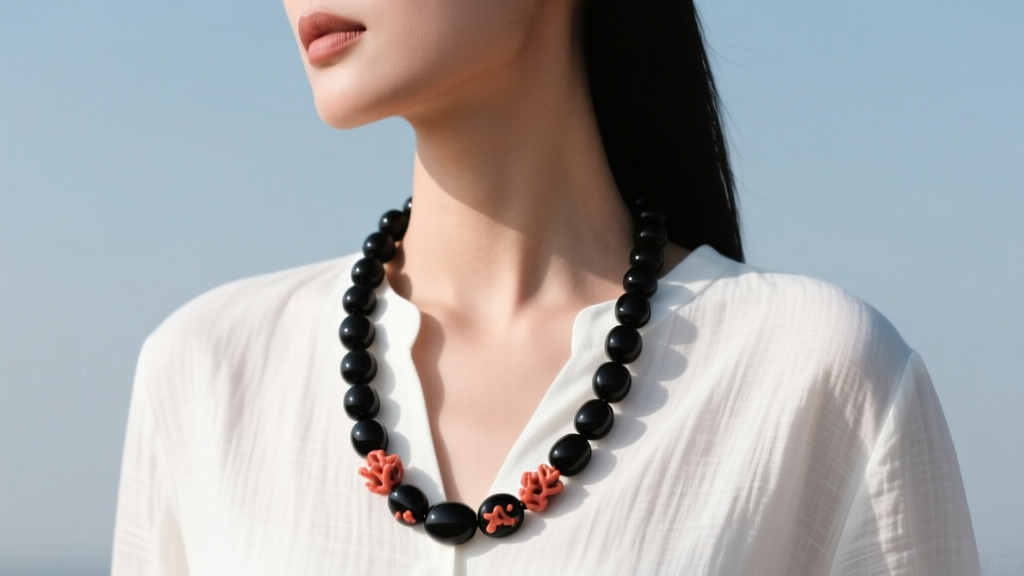
Occasion Matching: Who and When to Gift
A black coral bead necklace is not a generic gift; it is a highly specific gesture that aligns with particular milestones and aesthetics.
The 35th Wedding Anniversary
Traditionally, the 35th anniversary is the 'Coral Anniversary.' While red or pink coral is the standard, modern couples often prefer the sleek, gender-neutral, and sophisticated appeal of black coral. It serves as a striking, modern interpretation of the traditional gift, symbolizing deep, enduring roots.
Milestone Birthdays and Alternative Bridal Parties
For a 40th, 50th, or 60th birthday, black coral offers an organic, earthy alternative to traditional gemstone pendants. Furthermore, in 2026, alternative and gothic-themed weddings are highly popular. Gifting matching black coral bead necklaces to a bridal party provides a moody, elegant accessory that photographs beautifully against ivory or blush wedding attire, offering a stark, artistic contrast.
Care, Maintenance, and Failure Modes
Because black coral is an organic, protein-based material, it is highly susceptible to environmental damage if improperly cared for. Including a care guide with your gift will demonstrate deep thoughtfulness and ensure the necklace survives for generations.
The Desiccation Threat: The most common failure mode for black coral is cracking due to extreme dryness. Never store a black coral necklace in a sealed plastic bag or a bank safe deposit box with desiccant packets. The protein requires a minimal amount of ambient humidity to remain flexible. If the beads desiccate, they will split along their natural concentric growth rings.
Chemical Sensitivity: Black coral will permanently lose its luster and become brittle if exposed to harsh chemicals. Advise the recipient to apply perfumes, hairsprays, and lotions before putting on the necklace. It must never be cleaned in an ultrasonic cleaner or with commercial jewelry dips. The only safe cleaning method is wiping the beads gently with a soft, slightly damp cloth and allowing them to air dry.
Stringing Integrity: Genuine black coral beads should be individually hand-knotted on silk or high-grade nylon thread to prevent bead-on-bead friction, which can wear down the drill holes over time. Silk degrades with exposure to skin oils and sweat, so the necklace should be professionally restrung every three to five years if worn frequently.
Final Thoughts on Pricing and Value
As of 2026, a genuine, legally sourced 8mm Hawaiian black coral bead necklace (18 inches) typically retails between $450 and $900, depending on the perfection of the bead matching and the quality of the clasp hardware (14k or 18k gold is recommended to match the value of the coral). If you encounter a 'black coral' strand selling for $40 on a cruise ship or an online marketplace, it is almost certainly dyed horn or glass. By investing in authenticated, ethically sourced black coral, you are gifting a rare piece of oceanic history that respects both the environment and the recipient's impeccable taste.


