Black Dress and Necklace Pairings: Jewelry Care Guide
Discover expert cleaning and maintenance tips for the jewelry in your favorite black dress and necklace pairings. Keep pearls, gold, and diamonds pristine.

The Hidden Hazards of the Classic Black Dress and Necklace Combo
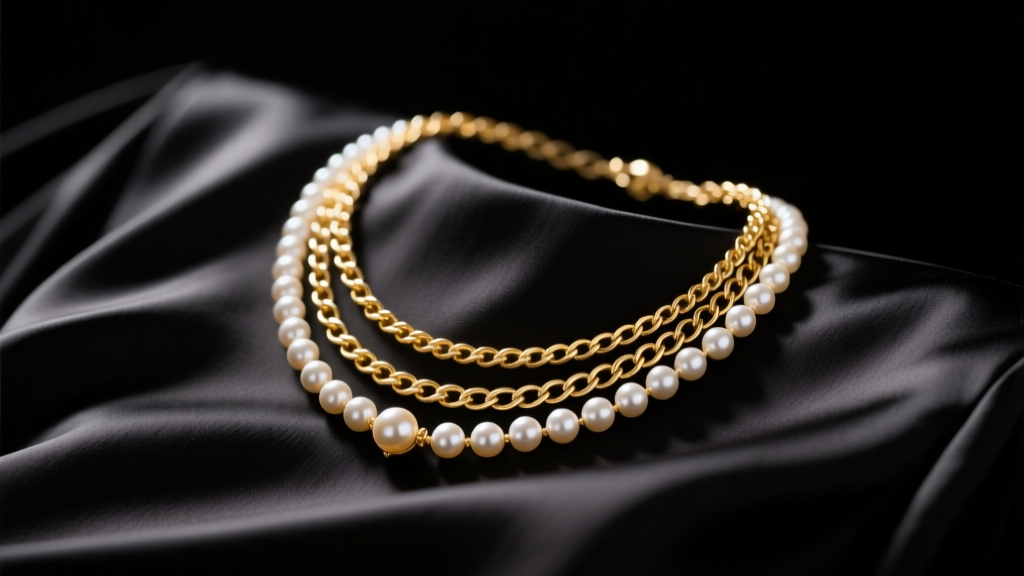
The iconic black dress and necklace combination is a cornerstone of evening wear, but this specific pairing introduces unique maintenance challenges that most jewelry owners overlook. Dark fabrics—particularly silk, velvet, and heavy crepe—act as visual black holes for jewelry tarnish and oil transfer. When you wear a silver or gold chain against a black backdrop, the fabric can hide the early yellowing stages of tarnish or the dulling of gemstones until the damage is severe. Furthermore, the dyes in black textiles can sometimes transfer onto porous gems or oxidized metal finishes if the wearer perspires.
Beyond the fabric itself, the context of wearing a black dress usually implies evening events, which involve heavy cosmetics, setting sprays, and alcohol-based perfumes. These chemical agents are highly corrosive to fine jewelry. Understanding the material science behind your pieces is the first step in preserving the brilliance of your favorite black dress and necklace pairings for decades to come.
Material-Specific Cleaning Protocols
Different metals and gemstones react uniquely to the environment of an evening out. A one-size-fits-all cleaning approach will permanently damage delicate pieces. Here is how to maintain the specific materials most commonly paired with evening wear.
Pearls and Porous Gems (The LBD's Best Friend)
Pearls are organic gemstones composed primarily of calcium carbonate, making them exceptionally vulnerable to the acids in human sweat and the alcohol in perfume. According to the Gemological Institute of America (GIA), prolonged exposure to these substances will etch the nacre, leaving the pearls dull and chalky.
- Routine Care: After every wear, gently wipe the pearls with a lint-free, slightly damp microfiber cloth to remove skin oils and cosmetic residue.
- Deep Cleaning: Never submerge knotted pearl necklaces in water, as this weakens the silk thread. Instead, use a cotton swab dipped in distilled water to clean around the drill holes.
- What to Avoid: Ultrasonic cleaners and steamers will shatter pearls and strip their natural luster instantly.
High-Karat Gold and Platinum Chains
While platinum and 18k or 14k gold are highly resistant to tarnish, they are magnets for sebum (skin oil) and lotion buildup. This microscopic layer of grime traps light, making a diamond or gold pendant look cloudy against the stark contrast of a black dress.
- The Soak Method: Mix a few drops of phosphate-free dish soap (like Dawn) into a bowl of lukewarm water. Let the chain soak for 15 minutes.
- Agitation: Use an extra-soft baby toothbrush to gently sweep the bristles behind the pendant setting and along the chain links where dead skin cells accumulate.
- Drying: Pat dry with a microfiber cloth. Avoid paper towels, as their wood pulp fibers can cause micro-scratches on high-polish gold.
Oxidized and Sterling Silver Pendants
Sterling silver (92.5% pure silver alloyed with copper) tarnishes when the copper reacts with hydrogen sulfide in the air and human sweat. Because black clothing hides the early stages of silver tarnish, you may not notice the corrosion until it turns black and begins flaking onto your dress.
For intentional oxidized silver (where the dark crevices are part of the design), never use liquid silver dips, as they will strip the dark patina. Instead, use a treated jeweler's rouge polishing cloth, rubbing only the raised, high-polish areas of the metal to restore contrast.
Fabric Protection: Preventing Snags and Stains
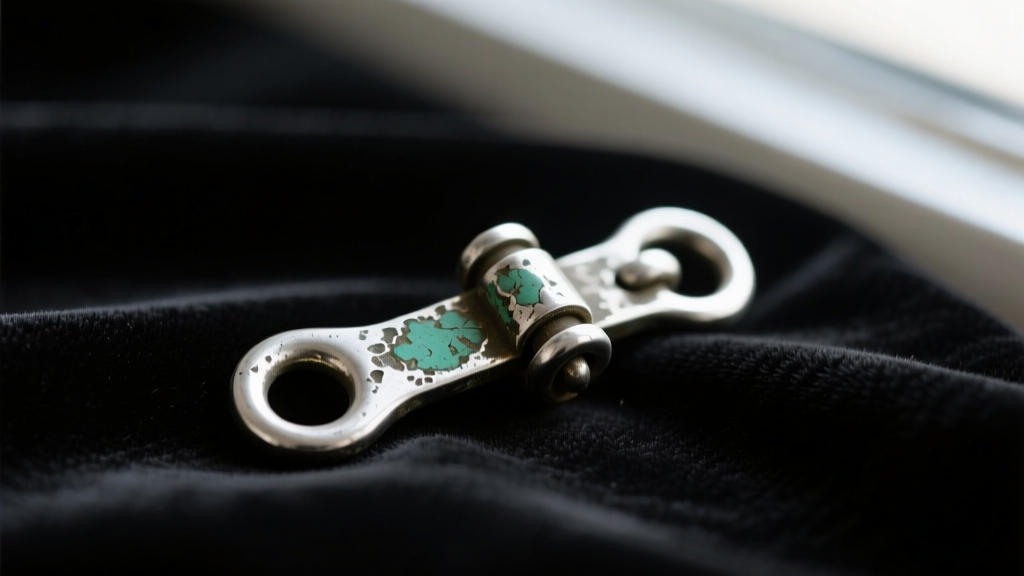
The hardware of your necklace is just as important as the chain itself when styling a black dress and necklace look. Delicate evening fabrics like silk charmeuse, chiffon, and velvet are easily ruined by abrasive or poorly designed jewelry clasps. The Victoria and Albert Museum emphasizes that mechanical damage from jewelry is a leading cause of textile degradation in historical garments, a rule that applies to your modern wardrobe as well.
| Clasp Type | Fabric Risk Level | Best Suited For | Maintenance Tip |
|---|---|---|---|
| Lobster Claw | Medium | Medium-weight crepe, cotton blends | Check the tiny spring lever for sharp burrs that can catch silk threads. |
| Spring Ring | Low | Delicate silk, chiffon, satin | Ensure the ring closes flush; a misaligned gap will slice through fine fibers. |
| Magnetic Clasp | High | Heavy wools, structured fabrics | Keep away from velvet, as the strong magnets can pinch and permanently crush the pile. |
| Box Clasp with Safety | Very Low | All delicate evening fabrics | Wipe the tongue mechanism with rubbing alcohol to remove oils that cause it to slip. |
The Chemistry of Wear: Last On, First Off
The golden rule of jewelry maintenance is 'last on, first off,' but the chemical reasoning behind this is rarely explained. When preparing for an event, your skin is layered with moisturizers, foundation, and setting sprays. These products contain solvents, silicones, and alcohols. If you put your necklace on before applying these products, the aerosolized chemicals will settle directly into the microscopic crevices of your gemstone settings and pearl drill holes.
By putting your necklace on after your cosmetics have fully dried and set, you prevent a chemical film from bonding to the metal. Conversely, taking the necklace off first when you return home prevents you from dragging the chain through your hair and skin oils, which accumulate heavily on the neck and shoulders after hours of wear.
Emergency Cleaning on the Go
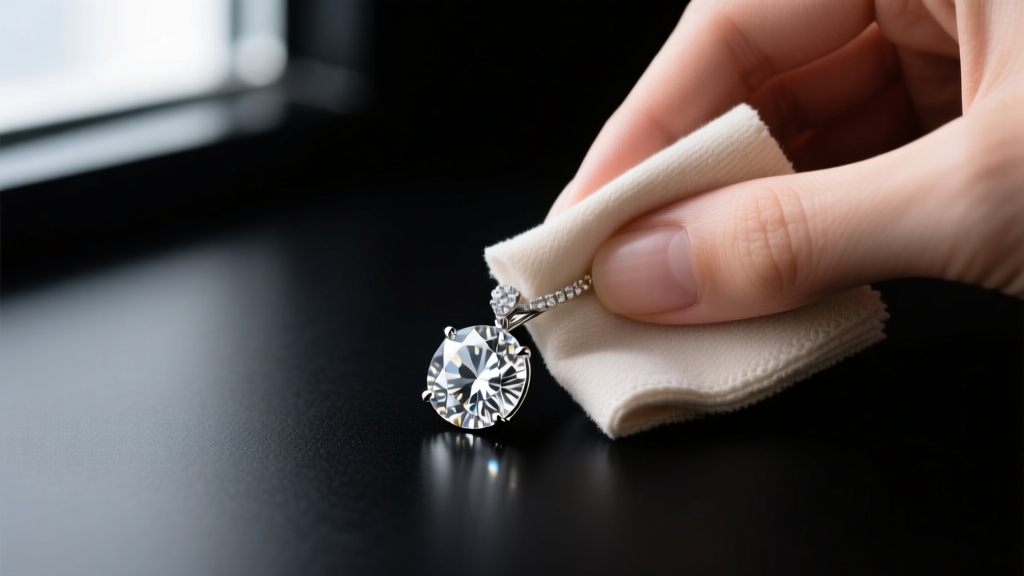
Even with meticulous preparation, a night out can leave your jewelry looking dull. Body oils transferred from the chest area can make a diamond or moissanite pendant look opaque, completely ruining the high-contrast sparkle against a black dress.
Never use hand sanitizer to clean your jewelry at a gala. The high alcohol concentration and added glycerin will leave a sticky residue on porous stones like emeralds, opals, and turquoise, and can dry out the natural oils in organic gems. Instead, carry a specialized jewelry lens pen or a dry, untreated microfiber cloth in your clutch. A quick, gentle buff of the gemstone's table (top facet) will remove the oil layer and instantly restore the stone's light refraction without the need for liquids.
Proper Storage Post-Event
How you store your jewelry after an evening out dictates its longevity. Never toss a necklace worn with a black dress into a communal jewelry box. The residual perfume and sweat on the chain can transfer to other pieces, and the clasps will inevitably tangle, causing mechanical stress to the links. Store each piece individually in an anti-tarnish flannel pouch or a ziplock bag with a silica gel packet to absorb ambient moisture and halt the oxidation process before your next wear.


