Messika Move Necklace Care: Cleaning & Maintenance Guide
Learn expert cleaning and maintenance tips for your Messika Move necklace. Protect the sliding diamond motif and 18k gold from daily wear.

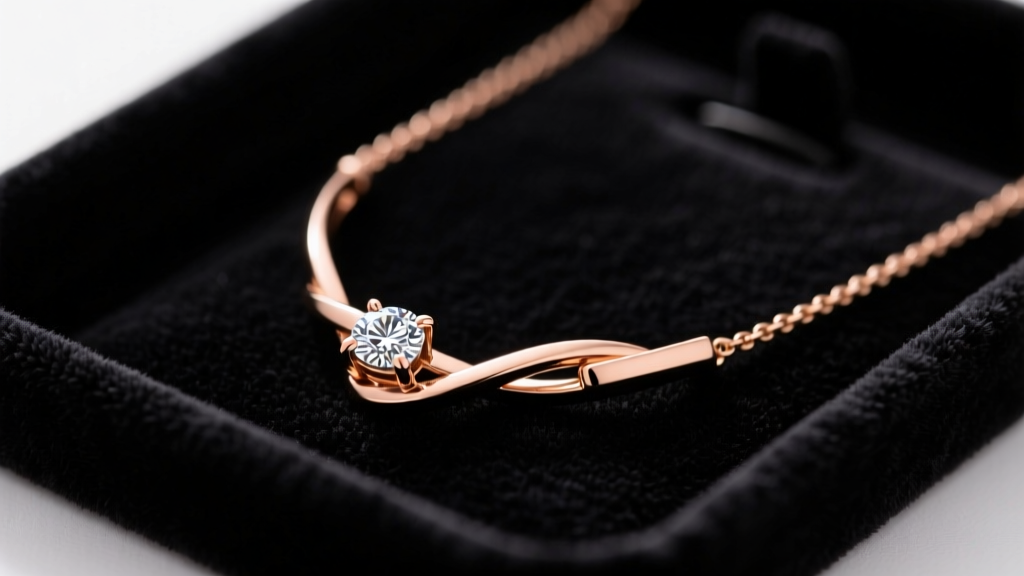
The Anatomy of the Messika Move Necklace: Why It Demands Special Care
The Messika Move necklace is an undisputed icon of modern fine jewelry, celebrated for its kinetic sliding diamond motif and sleek, contemporary lines. However, the very engineering that makes this piece so captivating also introduces unique maintenance challenges. Unlike a static pendant resting flat against the collarbone, the Move collection features a dynamic sliding mechanism. This means the diamond-encrusted motif is in constant, deliberate friction with the 18k gold wire or chain track beneath it. Understanding the metallurgy and mechanical vulnerabilities of your Messika Move necklace is the first step in preserving its brilliance and structural integrity for decades to come.
Messika exclusively utilizes 18k gold (750 purity), which consists of 75% pure gold and 25% alloy metals like copper, silver, and zinc. While pure 24k gold is far too soft for daily wear jewelry, the 18k alloy provides the necessary tensile strength to support the weight of the sliding diamonds. Yet, 18k gold still ranks relatively low on the Mohs hardness scale compared to the diamonds it holds. Over time, the friction of the sliding motif can cause micro-abrasions on the gold track, creating tiny grooves that trap skin oils, cosmetic residues, and environmental dust.
The Friction Factor: Identifying Vulnerabilities in the Sliding Track
When you adjust the sliding motif to sit perfectly in your neckline, you are essentially dragging a diamond-encrusted gold carriage across a polished gold rail. Diamonds rank as a 10 on the Mohs scale, making them the hardest natural substance on earth. Gold, conversely, is quite malleable. If microscopic dust particles—especially silica or diamond dust from other jewelry—become trapped between the motif and the track, they act as an abrasive paste. This accelerates the wear on the gold wire, potentially leading to a loss of polish and, in extreme cases of neglect, structural thinning of the track.
Furthermore, diamonds are highly oleophilic, meaning they naturally attract and hold onto grease and oils. The intricate pavé settings found in models like the Move Pavé or Move Color feature dozens of micro-prongs holding melee diamonds. These tiny crevices are magnets for hand creams, sebum, and perfume. When oil coats the surface of a diamond, it disrupts the stone's ability to refract light, causing your once-brilliant Messika Move necklace to appear cloudy and dull within just a few days of continuous wear.
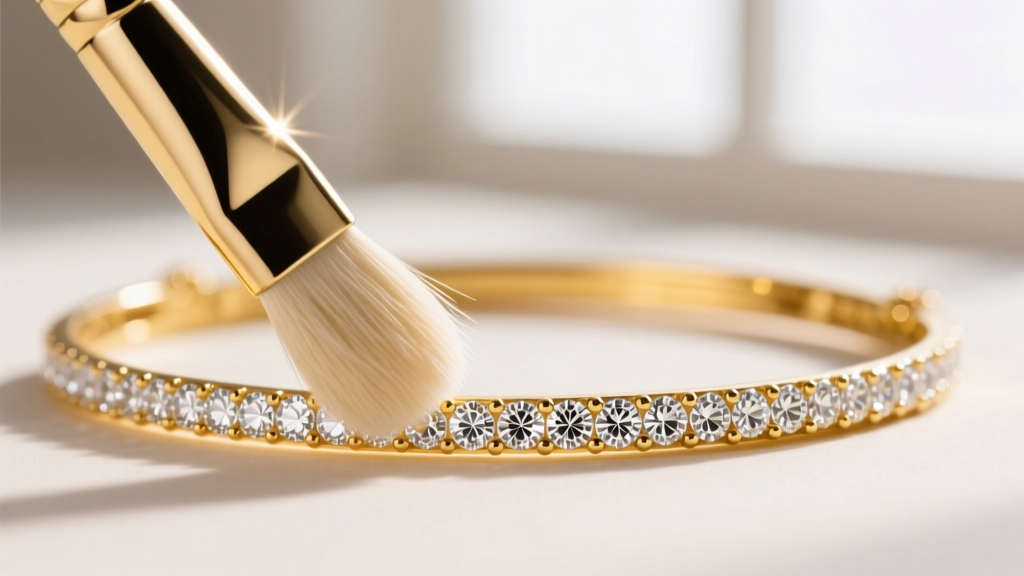
Step-by-Step Cleaning Protocol for the Move Collection
To safely remove oleophilic buildup without damaging the delicate micro-prongs of the pavé settings, you must abandon harsh chemical dips and adopt a meticulous, manual cleaning routine. Follow this expert-approved protocol every two to three weeks, depending on your wear frequency.
1. Prepare a Gentle Surfactant Solution
Fill a small glass bowl with warm distilled water. Tap water contains trace minerals and chlorine that can leave microscopic water spots on 18k gold or degrade the rhodium plating on white gold models. Add exactly two drops of a mild, phosphate-free liquid dish soap (such as original blue Dawn). The surfactants in the dish soap will break the molecular bonds of the oils clinging to the diamonds without attacking the gold alloys.
2. The Soak and Loosen Phase
Submerge your Messika Move necklace in the solution for exactly 15 minutes. Do not exceed this time, as prolonged soaking can soften the adhesives sometimes used in conjunction with micro-prongs in complex pavé settings. After 15 minutes, the oils will have emulsified and lifted away from the diamond culets (the bottom points of the stones).
3. Precision Brushing
Using an extra-soft baby toothbrush or a dedicated jewelry brush with natural bristles, gently agitate the soapy water around the sliding motif. Pay special attention to the underside of the diamond carriage and the interior of the gold track. Never apply heavy downward pressure; let the bristles and the surfactant do the work. Brush in the direction of the gold grain to avoid creating cross-hatch micro-scratches.
4. Rinsing and Drying
Rinse the necklace under a gentle stream of lukewarm distilled water. Ensure the drain is securely plugged. Pat the piece dry with a lint-free microfiber cloth. Avoid paper towels or cotton balls, as their fibers can snag on the micro-prongs of the pavé diamonds, potentially bending them and loosening the stones.
Maintenance Matrix: Model-Specific Care Requirements
Not every Messika Move necklace is constructed identically. The presence of enamel, alternative gemstones, or varying diamond densities dictates specific care modifications. Review the matrix below to tailor your maintenance routine to your exact model.
| Messika Move Model | Primary Materials | Cleaning Frequency | Specific Vulnerabilities & Care Notes |
|---|---|---|---|
| Move Classic | 18k Gold, Single Diamond | Bi-weekly | Most durable. The single diamond and solid gold track can withstand standard soapy cleaning. Polish the gold track with a soft jeweler's cloth monthly. |
| Move Pavé | 18k Gold, Pavé Diamonds | Weekly | High oil retention in pavé settings. Requires meticulous underside brushing. Never use ultrasonic cleaners, as vibrations can loosen the micro-prongs. |
| Move Color | 18k Gold, Diamonds, Enamel | Weekly | The colored enamel inlay is sensitive to thermal shock and harsh chemicals. Avoid hot water and alcohol-based cleaners, which can cause the enamel to craze or dull. |
| Move Noa / Addicted | 18k Gold, Multiple Motifs | Bi-weekly | Multiple sliding elements increase the risk of tangling and chain kinking. Clean each motif individually while keeping the chain taut to prevent stress on the links. |
The Ultrasonic Cleaner Trap: What to Avoid
Many jewelry owners mistakenly believe that ultrasonic cleaners are the ultimate solution for diamond jewelry. While they are excellent for solitaire diamond rings, they are profoundly dangerous for your Messika Move necklace, particularly the pavé variations. Ultrasonic cleaners work by generating high-frequency sound waves that create microscopic cavitation bubbles in the liquid. When these bubbles collapse, they produce intense localized shockwaves.
In a pavé setting, where dozens of tiny diamonds are held by minuscule beads of gold, these shockwaves can easily rattle the stones loose from their seats. Furthermore, the intense vibrations can cause the sliding motif to violently rattle against the gold track, leading to severe impact scratching and potential warping of the delicate wire. According to the Gemological Institute of America (GIA), while diamonds themselves are impervious to ultrasonic waves, the settings holding them are not. Always stick to manual, gentle cleaning methods for kinetic jewelry pieces.
Professional Servicing and Rhodium Maintenance
Even with impeccable at-home care, the mechanical nature of the Messika Move necklace necessitates professional oversight. We recommend scheduling a boutique visit every 18 to 24 months. During this service, a master jeweler will inspect the micro-prongs under magnification to ensure no diamonds are at risk of escaping the sliding carriage.
If you own a white gold Messika Move necklace, you must also factor in rhodium maintenance. White gold is naturally a pale, slightly yellowish alloy. To achieve the brilliant, mirror-like silver finish, it is plated with rhodium, a rare platinum-group metal. The constant friction of the sliding motif will inevitably wear away the rhodium plating on the track over time, revealing the warmer alloy beneath. A professional jeweler can safely polish out the micro-abrasions on the track and re-plate the piece with a fresh layer of rhodium, restoring its factory-new luminosity. For comprehensive brand-specific servicing guidelines, always refer to the official Messika Care Guide.
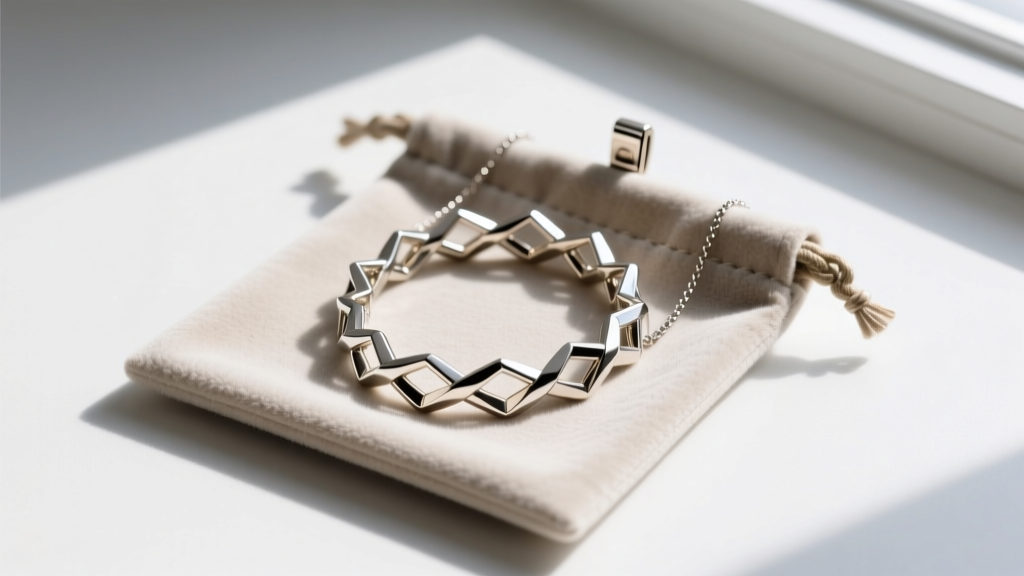
Strategic Storage: Preventing the 'Hammer Effect'
How you store your Messika Move necklace when it is not adorning your neck is just as critical as how you clean it. The sliding diamond motif is dense and heavy relative to the delicate chain or wire it rests upon. If you toss the necklace into a communal jewelry box, the heavy motif will act like a hammer against the finer chain links every time the box is moved, causing dents, kinks, and accelerated wear.
Expert Storage Tip: Before placing your necklace in its storage pouch, slide the diamond motif to the exact center of the track. This balances the weight distribution and prevents the motif from sliding back and forth during transit. Always secure the lobster clasp to prevent the chain from tangling into microscopic knots, which are notoriously difficult to undo without stressing the gold links.
Store the necklace flat in its original suede-lined presentation box or a dedicated anti-tarnish pouch. Suede and microfiber provide a soft barrier that prevents airborne sulfur compounds from reacting with the copper alloys in the 18k gold, thereby preventing tarnish and preserving the warm, radiant finish of your iconic Messika piece.


