How to Layer a Sapphire Necklace: Step-by-Step Guide
Learn how to layer a sapphire necklace with our step-by-step guide. Master lengths, metal pairings, and neckline matching for flawless 2026 styling.

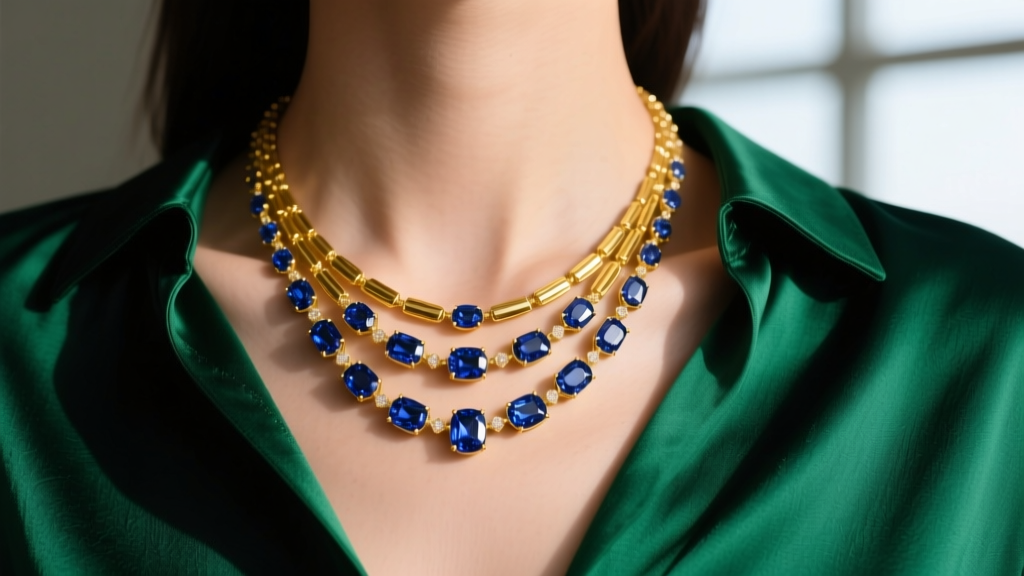
The Art of the Sapphire Layer
Many buyers initially search for a saphire necklace due to common spelling errors, but understanding the gemological reality of corundum is what separates casual shoppers from informed collectors. Sapphires, ranking at a formidable 9 on the Mohs scale of hardness, are exceptionally durable. This makes them one of the few precious gemstones—alongside diamonds and rubies—that can withstand the friction of daily layering without significant abrasion. Softer stones like opals (5.5-6.5) or emeralds (7.5-8, often heavily included) risk chipping and scratching when stacked. In this comprehensive step-by-step guide, we will break down exactly how to build, space, and maintain a layered sapphire necklace stack that balances visual weight, metal integrity, and structural longevity.
Step 1: Selecting the Anchor Sapphire Pendant
Every successful layered stack requires an anchor piece to ground the visual weight. For a sapphire necklace, your anchor should feature a stone between 1.5 and 3.0 carats. Anything smaller will get lost in a multi-strand stack; anything larger risks looking overly formal or top-heavy for daytime wear. When selecting the setting, prioritize a bezel or semi-bezel mount over traditional four-prong settings. A bezel setting wraps a continuous rim of metal around the girdle of the sapphire, protecting the most vulnerable edge from impact against other chains and pendants. If you prefer the light performance of a prong setting, ensure the prongs are V-tipped at the corners of the stone to prevent snagging on knitwear.
Step 2: Calculating the Golden Ratio for Lengths
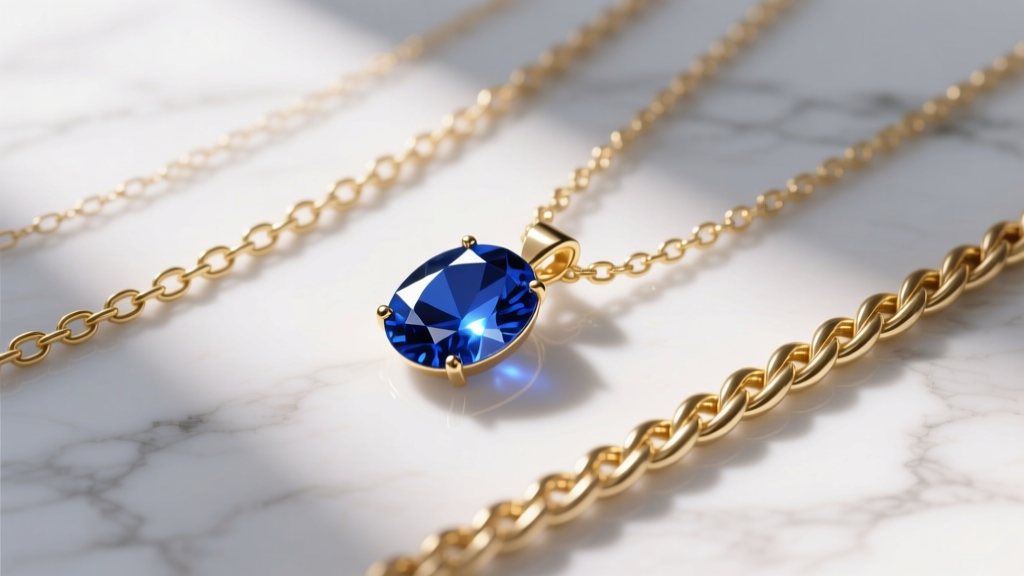
The most common mistake in necklace layering is insufficient spacing, which leads to constant tangling and a cluttered aesthetic. To achieve a cascading effect, you must adhere to a strict minimum 2-inch length differential between adjacent chains. Below is the optimal framework for a three-piece sapphire stack:
| Layer Position | Length | Chain Style & Gauge | Pendant Weight |
|---|---|---|---|
| Anchor (Bottom) | 18 to 20 inches | 18-gauge Box Chain | 1.5ct - 3.0ct Sapphire |
| Mid-Layer | 16 inches | 20-gauge Cable Chain | 0.5ct Diamond or Sapphire |
| Top-Layer | 14 inches | 22-gauge Rope Chain | Minimalist Gold Bar or Solitaire |
The 18-gauge box chain provides the necessary tensile strength to support a 3-carat sapphire pendant without stretching, while the delicate 22-gauge rope chain sits flush against the collarbone without pulling on the skin.
Step 3: Mixing Metals and Color Theory
Sapphires are remarkably versatile when paired with different metal alloys. The color of your gold will fundamentally alter the perception of the sapphire's hue. Yellow gold (14k or 18k) creates a high-contrast, vintage-inspired look that emphasizes the velvety, saturated blue of Ceylon sapphires. White gold or platinum provides a seamless, icy aesthetic that enhances the brilliance of the stone, particularly if the sapphire is surrounded by a micro-pave diamond halo. Rose gold offers a warm, romantic contrast, which is especially effective when layering with alternative sapphire colors like padparadscha (pink-orange) or teal sapphires. According to the American Gem Trade Association (AGTA), buyers should always request full treatment disclosure, as the metal pairing should complement the natural or heat-treated state of the gem without masking its inherent color zoning.
Step 4: Matching Necklines to Sapphire Layers
A perfectly layered sapphire necklace can be ruined if it fights with the geometry of your clothing. Use this framework to match your stack to your wardrobe:
- The Crew Neck: The high, horizontal line of a crew neck requires a longer anchor (20+ inches) to break up the fabric and elongate the torso. Avoid 14-inch chokers here, as they will sit awkwardly on the collar seam.
- The V-Neck: This is the ideal canvas for an 18-inch princess length. The sapphire pendant should sit precisely in the negative space of the V, drawing the eye downward without overlapping the fabric edges.
- The Button-Down Shirt: Leave the top two buttons undone and layer a 14-inch choker with an 18-inch sapphire drop. The structured collar frames the layers beautifully, creating a sophisticated, intellectual aesthetic.
- The Scoop Neck: Avoid necklaces that perfectly trace the curve of the neckline. Instead, use a Y-chain or lariat style that drops vertically to intersect the horizontal curve of the scoop.

Troubleshooting: Clasps, Tangles, and Stone Security
When layering necklaces, the mechanical failure points are just as critical as the aesthetic ones. The most common failure in lightweight jewelry is the spring ring clasp. The internal tension spring degrades over time, or the microscopic lever snaps off under pressure. For any sapphire pendant exceeding 2.5 carats (approximately 0.5 grams of stone weight plus the metal setting), always upgrade to a 10mm or 12mm lobster claw clasp. Lobster claws feature a solid internal mechanism that is far less prone to catastrophic failure. Furthermore, to prevent the dreaded 'chain twist' where chains wrap around each other, use a multi-strand clasp separator at the nape of the neck, or ensure you strictly follow the 2-inch length differential rule mentioned in Step 2.
Step 5: Cleaning and Maintaining Your Sapphires
Maintaining the adamantine luster of your corundum requires specific care protocols. According to the Gemological Institute of America (GIA), warm soapy water and a soft-bristled brush are the safest cleaning methods for sapphires. However, a critical warning is necessary: while ultrasonic cleaners are generally safe for standard heat-treated blue sapphires, they can shatter fracture-filled or lattice-diffused stones. The high-frequency vibrations exploit microscopic fissures in the crystal lattice, potentially causing the stone to crack or the filler to cloud. Always verify your stone's treatment report from a reputable gemological lab before using ultrasonic or steam cleaners. For routine maintenance, a drop of mild, phosphate-free dish soap in lukewarm water, followed by a gentle scrub with a baby toothbrush and a pat-down with a microfiber cloth, will safely remove sebum and cosmetic buildup from behind the sapphire's pavilion.
Final Thoughts on Sapphire Styling
Layering a sapphire necklace is an exercise in balancing geology and geometry. By respecting the Mohs hardness of the stone, selecting appropriate chain gauges, and adhering to strict length differentials, you create a stack that is not only visually striking but structurally sound for decades of daily wear. Whether you are styling a classic blue Ceylon sapphire or a modern teal Montana stone, these step-by-step principles will ensure your jewelry performs as brilliantly as the gems themselves.


