Magnetic Heart Necklace Guide: Styles, Materials & Care
Discover how to choose the perfect magnetic heart necklace. Learn about materials, clasp strengths, chain lengths, and care tips in our beginner guide.

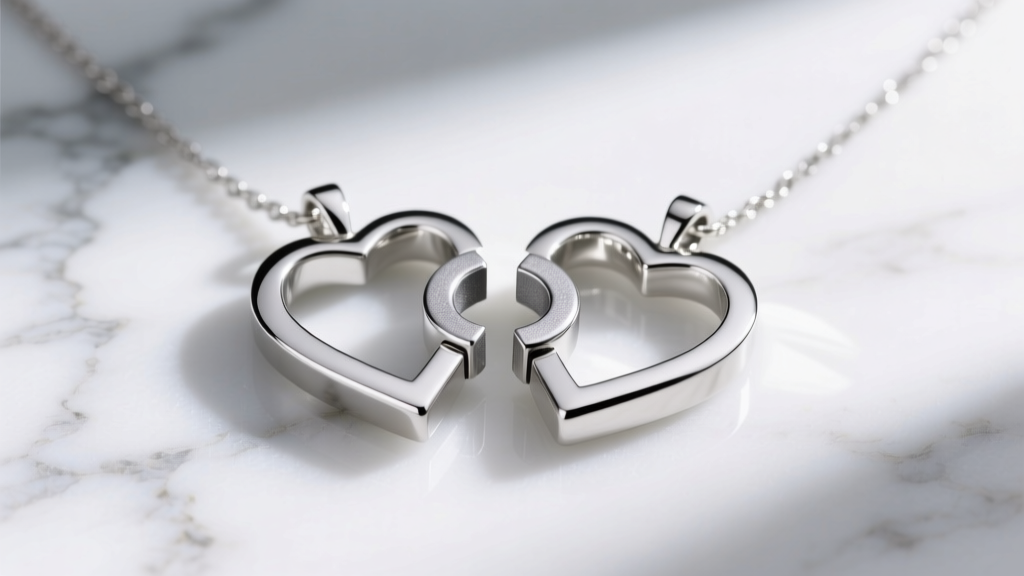
The Evolution of the Magnetic Heart Necklace
Once considered a novelty item reserved for middle school hallways, the magnetic heart necklace has undergone a massive design renaissance. In 2026, advancements in micro-magnet encasement and hypoallergenic metal casting have transformed this symbolic piece into a staple of fine, everyday jewelry. Whether you are buying a matching set for a long-distance relationship or treating yourself to a modern puzzle pendant, understanding the mechanics and materials is crucial.
How the Magnetic Connection Actually Works
A high-quality magnetic heart necklace relies on precision engineering. The pendant is split into two interlocking halves, each housing a small, powerful magnet. The challenge for jewelers is securing the magnet without exposing it to skin oils and moisture, which can cause corrosion. Premium brands use CNC-machined bezels that are laser-welded shut, creating a waterproof seal around the magnet core. Cheaper alternatives rely on epoxy resin, which can yellow or crack over time.
When examining the split line, you will encounter two main designs: the straight cut and the puzzle cut. A straight cut relies entirely on the magnet's shear force to stay together. A puzzle cut features a small mechanical groove and protrusion that interlock before the magnets engage. For active wearers, the puzzle cut is vastly superior, as it prevents the pendant from sliding apart during lateral movements.
Neodymium vs. Ceramic: Understanding Magnet Grades
The strength of your necklace's connection depends entirely on the magnet grade. According to K&J Magnetics, the industry standard for jewelry is Neodymium Iron Boron (NdFeB).
- N42 Grade: The most common choice for delicate heart pendants. It offers a pull force of roughly 2.5 pounds, providing a secure snap that won't accidentally detach during normal movement, but will break apart if pulled forcefully (preventing chain breakage).
- N52 Grade: The strongest commercially available neodymium grade. With a pull force exceeding 4 pounds, it is used in heavier, chunkier statement pieces.
- Ceramic (Ferrite): Rarely used in modern fine jewelry due to its bulkiness and weak pull force (under 0.5 pounds). Avoid pendants using ceramic magnets, as they will frequently pop open.
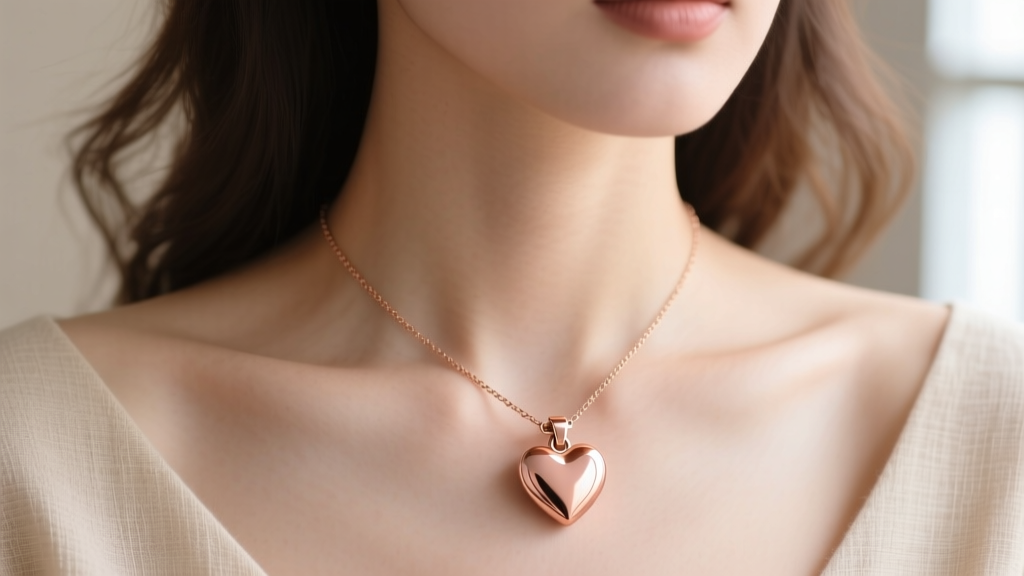
Choosing the Right Metal Alloy
Because the magnetic joint sits directly against the sternum—a high-sweat area—metal choice is paramount for preventing contact dermatitis. The Gemological Institute of America (GIA) emphasizes the importance of understanding metal alloys for sensitive skin. Here is how the most common materials compare in the current market:
| Metal Type | Durability | Hypoallergenic? | Average Price Range |
|---|---|---|---|
| 925 Sterling Silver | Medium (scratches easily) | Yes (if nickel-free) | $45 - $120 |
| 316L Surgical Steel | High (tarnish resistant) | Yes (low nickel release) | $25 - $60 |
| 14k Gold Vermeil | Medium (plating can wear) | Yes (must be over silver) | $80 - $180 |
| Solid 14k Gold | Very High | Yes | $350 - $800+ |
Pro Tip: If you opt for gold vermeil, check the plating thickness. A standard flash plating is only 0.175 microns and will wear off the magnetic friction point in months. Look for heavy vermeil with a minimum thickness of 2.5 microns to ensure longevity.
Chain Selection: Gauge and Length
The chain must be robust enough to handle the sudden snap of the magnets connecting, which can create micro-shocks on the links.
Optimal Chain Gauges
Avoid ultra-fine chains (0.8mm or thinner). The ideal gauge for a magnetic heart pendant, which typically weighs between 5 and 9 grams, is a 1.2mm to 1.5mm cable or box chain. Box chains are particularly recommended because their flat, interlocking links distribute the magnetic snap tension more evenly than round cable links.
Furthermore, pay close attention to the jump ring connecting the pendant to the chain. Because the magnetic halves are frequently pulled apart, the jump ring experiences repetitive stress. Look for pendants that feature a soldered jump ring or a heavy-duty split ring, rather than a simple open loop that can easily be pried apart by the magnetic tension over time.
Finding the Right Length
- 16 Inches (Choker): Sits tightly at the base of the neck. Best for smaller, minimalist heart pendants (under 15mm).
- 18 Inches (Princess): The universal standard. Rests perfectly on the collarbone, allowing the heart to sit in the upper sternum hollow.
- 20 to 24 Inches (Matinee): Ideal for layering over clothing or for men's magnetic heart necklaces, which tend to feature heavier, wider pendant designs.
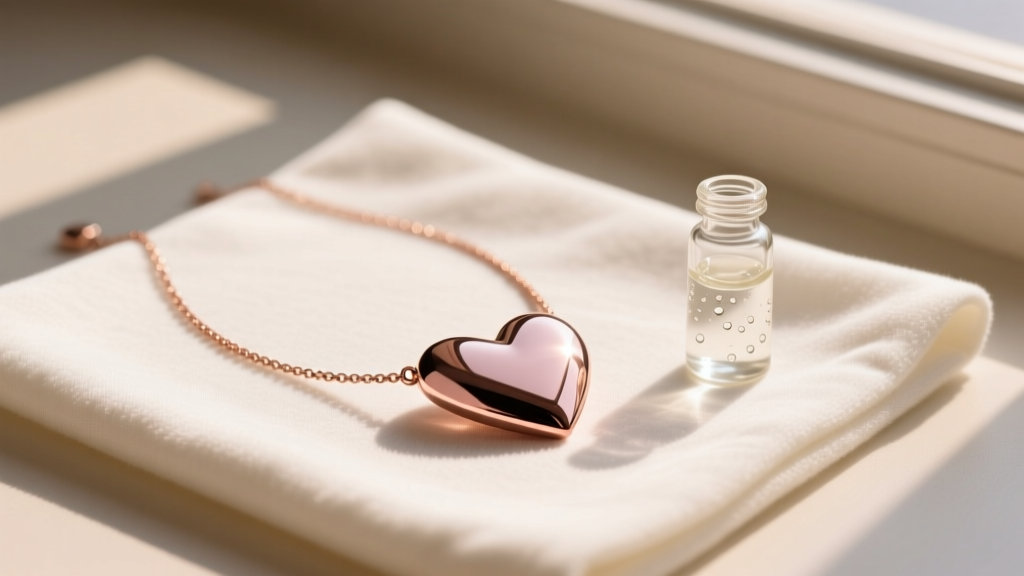
Care, Cleaning, and Demagnetization Myths
There is a persistent myth that everyday electronics or hot water will demagnetize your necklace. Neodymium magnets have a maximum operating temperature of around 80°C (176°F) and a Curie temperature (where they permanently lose magnetism) of 310°C (590°F). Your hot shower will not demagnetize the pendant.
However, you must be careful with ultrasonic jewelry cleaners. The high-frequency vibrations can shatter the brittle neodymium core inside its casing or degrade the epoxy seal, leading to rust. Instead, clean your magnetic heart necklace using a few drops of mild dish soap, warm water, and a soft baby toothbrush. Dry it immediately with a microfiber cloth to prevent water spots on the magnetic seam.
Safety Warning: While safe for most, strong N52 neodymium magnets can interfere with pacemakers, ICDs, and magnetic stripe credit cards. Always keep your necklace at least six inches away from sensitive medical devices and avoid resting the pendant directly against your wallet.
Styling and Gifting Framework
The magnetic heart necklace is inherently interactive, making it the ultimate gifting piece for couples, best friends, or parent-child duos. In 2026, the trend has shifted toward asymmetrical styling—where one half of the heart features a textured, hammered finish, while the other half is high-polish. When the two halves connect, the contrast creates a striking visual dynamic.
When gifting a magnetic heart necklace, presentation matters. Because the piece is meant to be separated, consider having the two halves engraved with complementary coordinates, initials, or dates before wrapping. Many jewelers offer laser engraving on the flat back of the pendant casing. Ensure the engraving depth does not exceed 0.2mm to avoid compromising the structural integrity of the metal shell housing the magnet.
For a modern, layered look, pair your 18-inch magnetic heart pendant with a 22-inch plain rope chain and a 14-inch delicate satellite chain. This creates a cascading effect that draws the eye directly to the magnetic connection point, turning a sentimental keepsake into a high-fashion statement.
The Golden Rule of Magnetic Jewelry: Always store your magnetic heart necklace clasped together in a soft pouch. If left unclasped in a jewelry box, the exposed magnets will attract loose metal dust, filings, and other chains, which are incredibly difficult to clean out of the magnetic seam.


