Antique Shell Necklace Repair: Troubleshooting & Care Guide
Learn how to troubleshoot, clean, and restring your antique shell necklace. Expert tips on preventing calcium flaking and identifying vintage fakes.

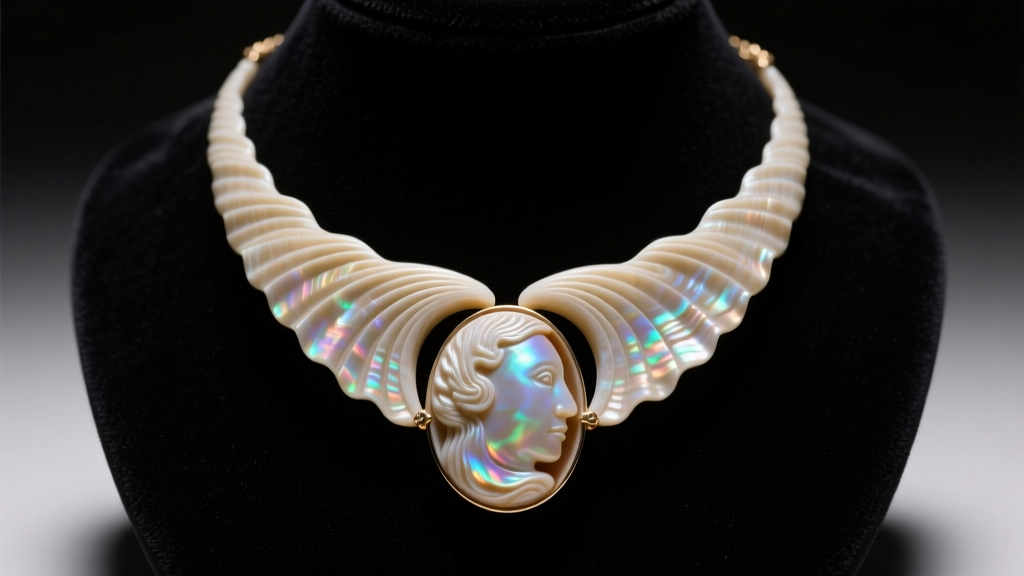
The Unique Vulnerabilities of Antique Shell Jewelry
Antique shell necklaces, whether they feature intricate Victorian cameos, Art Deco carved puka, or indigenous wampum, are crafted from one of nature's most delicate materials. Unlike silicates or metals, shell is an organic-inorganic composite. It consists primarily of calcium carbonate (in the form of aragonite or calcite crystals) bound together by a protein matrix called conchiolin. On the Mohs hardness scale, shell ranks between 2.5 and 3.5, making it highly susceptible to scratching, chemical erosion, and structural fatigue over decades of wear.
When you inherit or acquire an antique shell necklace, you are not just managing a piece of jewelry; you are acting as a custodian for a biologically derived artifact. The most common failure modes in vintage shell jewelry stem from the degradation of the conchiolin protein, which dries out and shrinks over time, leading to delamination, chalking, and micro-fractures. Understanding the specific chemistry of your piece is the first step in effective troubleshooting and preservation.
Troubleshooting Common Shell Degradation Issues
Chalking and Flaking (Calcium Carbonate Breakdown)
Chalking appears as a dull, powdery white film on the surface of the shell, while flaking involves the physical peeling of the nacreous layers. This is almost always caused by acid erosion. Human sweat has a naturally acidic pH (typically between 4.5 and 7.0), and prolonged contact with the skin, combined with exposure to modern perfumes and lotions, slowly dissolves the calcium carbonate matrix.
The Fix: Do not attempt to polish chalky shell with abrasive jeweler's rouge or baking soda, as this will strip away the remaining nacre. Instead, gently wipe the piece with a microfiber cloth dampened with distilled water. To seal and protect the surface, apply a microscopically thin layer of museum-grade microcrystalline wax, such as Renaissance Wax. This creates a stable, non-yellowing barrier against skin acids and ambient humidity without altering the shell's natural luster.
Micro-Fractures and Brittle Edges
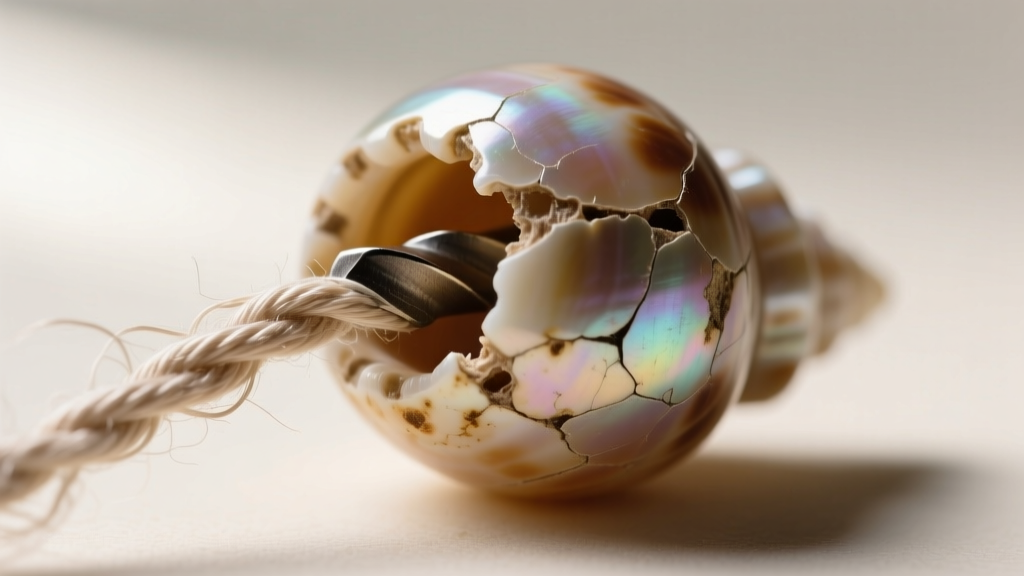
If your antique shell necklace features carved elements, you may notice hairline cracks along the high-relief edges. These micro-fractures occur when the necklace is subjected to rapid environmental humidity shifts or physical impact. As of 2026, the consensus among jewelry conservators is to avoid commercial superglues (cyanoacrylates), which off-gas acids as they cure and will further degrade the calcium structure.
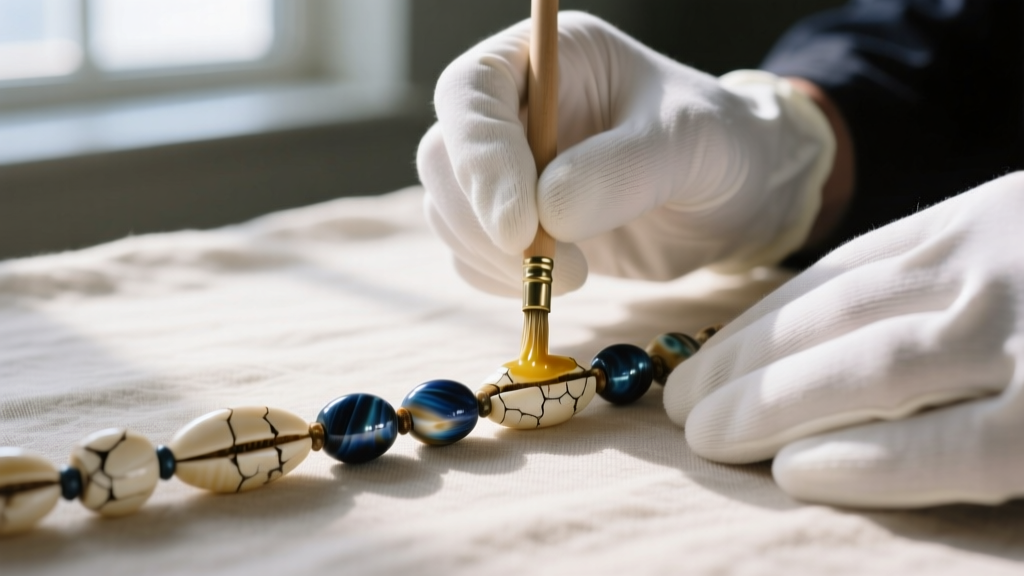
The Fix: For active flaking or loose fragments, conservation-grade Paraloid B-72 dissolved in a mild solvent is the gold standard. According to guidelines published by the American Institute for Conservation (AIC), Paraloid B-72 is chemically stable, reversible, and does not yellow over time. Apply it with a fine-tipped sable brush directly into the fracture line, holding the piece in place until the solvent flashes off.
The Safe Cleaning Protocol for Vintage Nacre and Carved Shell
Cleaning an antique shell necklace requires a strict departure from modern jewelry cleaning habits. The porous nature of the conchiolin matrix means that harsh chemicals will penetrate the stone and cause irreversible internal damage.
- NEVER use ultrasonic cleaners: The high-frequency cavitation bubbles will shatter the microscopic aragonite platelets, turning a glossy cameo completely matte and chalky in seconds.
- NEVER use ammonia or bleach: Alkaline solutions break down the conchiolin protein binder, causing the shell layers to separate and peel.
- AVOID commercial silver dips: If your shell is set in sterling silver, dipping the entire piece will ruin the shell. Clean the metal settings separately using a localized polishing cloth.
The Recommended Method: Use a soft, clean goat-hair makeup brush to dislodge dust from carved crevices. If the piece is heavily soiled, use a single drop of pH-neutral, non-ionic conservation soap (like Orvus WA Paste) diluted in distilled water. Wipe gently with a damp cotton swab, and immediately dry with a lint-free cloth. For more comprehensive care instructions, the Gemological Institute of America (GIA) provides excellent baseline guidelines for organic gemstones.
Restringing Fragile Antique Shells: A Step-by-Step Framework
One of the most frequent issues with vintage shell bead necklaces is strand breakage. Antique shells were often drilled by hand or with early lapidary equipment, resulting in drill holes that are irregular, hourglass-shaped, and possess razor-sharp interior edges. Over decades, these sharp edges act like tiny saws, shearing through traditional stringing materials.
| Stringing Material | Pros for Antique Shell | Cons & Failure Modes | Best Use Case |
|---|---|---|---|
| Griffin Natural Silk | Historically accurate; drapes beautifully; traditional knotting. | Shreds rapidly against sharp, irregular antique drill holes. | Smooth, well-worn cameos or pendants with large, polished bail holes. |
| Dacron / Polyester Thread | High tensile strength; resists abrasion better than silk. | Stiffer drape; requires larger needle eyes for knotting. | Antique puka or wampum beads with moderately abrasive holes. |
| Braided Polyethylene (e.g., Power Pro) | Extreme cut-resistance; virtually immune to sharp hole edges. | Does not knot traditionally; requires specialized crimps or bead tips. | Heavily worn, irregularly drilled vintage shell beads prone to snapping. |
| Flexible Beading Wire (49-strand) | Maximum durability; excellent drape for heavy strands. | Historically inaccurate; requires crimp beads which can damage fragile shell edges if placed too close. | Heavy, multi-strand antique shell collars or statement pieces. |
Pro-Tip for Restringing: If you must use traditional silk for historical accuracy, you must knot between every single bead to prevent total loss if the strand snaps. Additionally, consider using a micro-drop of jeweler's epoxy to line the interior of the drill hole before stringing, creating a smooth buffer that protects the thread from abrasive calcium edges.
Authentication: Spotting Celluloid and Resin Fakes
The market for antique shell necklaces is flooded with early plastics. In the late 19th and early 20th centuries, celluloid and early phenolic resins were manufactured specifically to mimic the appearance of carved shell and ivory. Troubleshooting a suspected fake requires careful observation without resorting to destructive testing.
Visual and Tactile Indicators
Genuine antique shell features natural growth lines, often resembling the fine, cross-hatched grain of wood or subtle concentric bands. Under a 10x jeweler's loupe, you should see microscopic irregularities and variations in translucency. Celluloid, conversely, often exhibits a uniform, swirling 'mold' pattern that looks too perfect. Furthermore, shell feels noticeably cooler to the touch than early plastics due to its higher thermal conductivity.
The UV Fluorescence Test
Using a standard 365nm UV flashlight is a non-destructive way to troubleshoot authentication. Genuine calcium carbonate shell typically fluoresces a dull, chalky white or pale yellow under long-wave UV light. Celluloid and early Bakelite often fluoresce in varying shades of milky blue, green, or orange, depending on the specific chemical plasticizers used during their manufacture.
Thermal Testing (Proceed with Caution)
While the traditional 'hot pin test' is widely cited, conservation experts strongly advise against it, as it leaves permanent burn marks on valuable antiques. A safer alternative is to rub the piece vigorously with your thumb until it generates friction heat, or hold it under warm (not hot) water. Genuine shell will emit a faint, calcium-like scent, whereas celluloid will release a distinct odor of camphor, and modern resins will smell like burnt chemicals.
Storage and Environmental Controls
How you store your antique shell necklace when it is not being worn is just as critical as how you clean it. Shell requires a stable environment to prevent the conchiolin matrix from desiccating and cracking.
- Humidity: Maintain a relative humidity (RH) between 45% and 55%. Storing shell in airtight plastic bags with silica gel packets will completely dehydrate the organic proteins, leading to catastrophic flaking.
- Light Exposure: Prolonged exposure to direct UV sunlight will bleach the natural pigments in carved cameos and wampum, turning vibrant pinks and deep purples into a lifeless, chalky white.
- Isolation: Always store your shell necklace in a soft, unbleached cotton pouch, separate from harder gemstones and metal jewelry that could scratch its 2.5 Mohs surface.
When to Consult a Professional Conservator
While routine cleaning and basic restringing can be managed at home with the right materials, certain scenarios demand professional intervention. If your antique shell necklace exhibits active delamination (where the top nacreous layer is lifting away from the base like a blister), severe structural cracking across the primary carving, or if it is mounted in a complex, historic metalwork setting that requires cleaning, do not attempt DIY repairs.
"Organic gemstones like shell, coral, and pearl require a fundamentally different approach than crystalline stones. The goal of conservation is always stabilization and reversibility, ensuring that any intervention we make today can be safely undone by the conservators of tomorrow."
— Principles of Organic Gemstone Conservation, Journal of the American Institute for Conservation
By understanding the unique biological makeup of your antique shell necklace and applying these targeted troubleshooting techniques, you can halt degradation, restore its natural beauty, and ensure it survives for another century of wear. Treat the calcium carbonate and conchiolin with the respect it demands, and your vintage piece will remain a stunning, wearable artifact of history.


