Ultimate Care Guide for Your Tibetan Turquoise Necklace
Learn how to safely clean, store, and maintain your Tibetan turquoise necklace. Expert tips on avoiding damage, polishing silver, and preserving color.

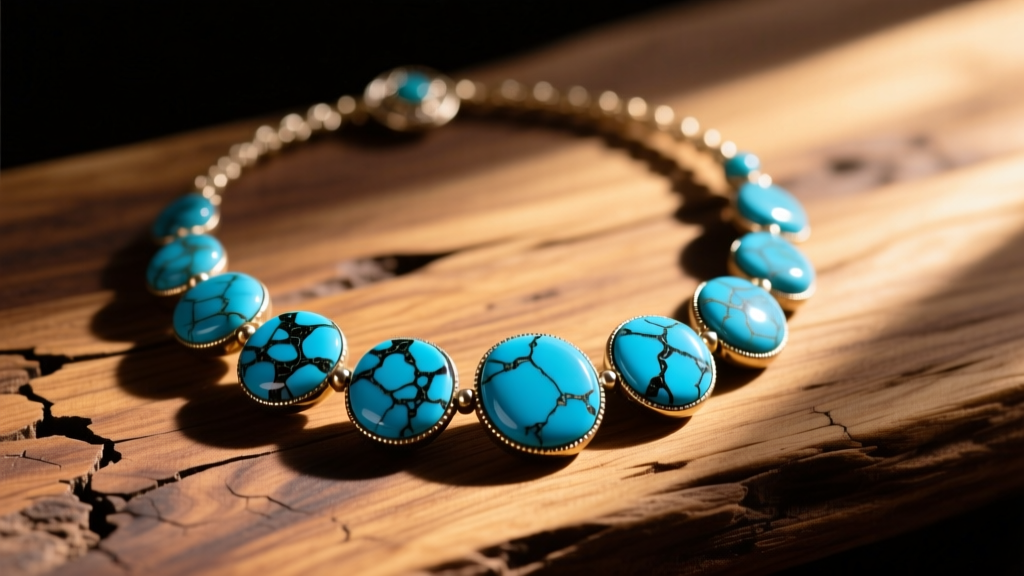
A Tibetan turquoise necklace is more than just a piece of jewelry; it is a wearable artifact characterized by its striking blue-green hues and intricate, dark spiderweb matrix. Whether your piece features genuine Himalayan turquoise, historically traded stones, or high-quality stabilized variants, this porous gemstone demands a highly specific care regimen. Unlike diamonds or sapphires, turquoise is a delicate, hydrous phosphate mineral that can permanently alter in color, crack, or degrade if exposed to the wrong chemicals or environmental conditions.
In this comprehensive guide, we break down the exact mineralogy of Tibetan turquoise, outline a safe step-by-step cleaning protocol, and provide expert frameworks for maintaining both the stone and its metal settings for decades to come.
The Unique Mineralogy of Tibetan Turquoise
To understand how to care for your necklace, you must first understand the stone's physical vulnerabilities. According to the Mindat mineralogical database, turquoise ranks between 5 and 6 on the Mohs hardness scale. This makes it softer than quartz (which is ubiquitous in household dust) and highly susceptible to scratching.
More importantly, turquoise is inherently porous. Unstabilized, natural Tibetan turquoise acts like a microscopic sponge. It readily absorbs skin oils, lotions, perfumes, and even acidic sweat. Over time, this absorption can cause the stone's vibrant sky-blue or teal color to shift to a dull, muddy green. Furthermore, many modern turquoise stones undergo stabilization—a process where epoxy or polymer resins are injected into the stone to enhance its durability and color. While stabilization protects against oil absorption, it makes the stone highly vulnerable to heat and harsh solvents, which can melt or cloud the resin.
The Golden Rules of Daily Wear and Prevention
The most effective maintenance strategy for a Tibetan turquoise necklace is preventative. Adopting the following habits will drastically reduce the need for deep cleaning and prevent irreversible chemical damage.
- The "Last On, First Off" Rule: Always put your necklace on after applying cosmetics, perfumes, hairspray, and lotions. Remove it immediately upon returning home before applying skincare or washing your face.
- Avoid Ultrasonic and Steam Cleaners: Never place turquoise in an ultrasonic jewelry cleaner. The high-frequency vibrations can easily shatter the stone along its natural matrix veins or separate it from the stabilization resin. Steam will similarly degrade the stone's internal moisture balance.
- Beware of Skin pH: Highly acidic skin can cause natural turquoise to oxidize and turn green over time. If you know you have acidic sweat, limit wearing the necklace directly against bare skin during hot weather or exercise.
- Water Exposure: Remove the necklace before swimming. Chlorine in pools and salt in ocean water are highly corrosive to both the porous stone and the metal bezels holding it.
Step-by-Step Cleaning Protocol
When your necklace accumulates everyday grime, skin oils, or environmental dust, you must clean it using a gentle, non-invasive method. The Gemological Institute of America (GIA) strictly recommends warm, soapy water for turquoise, but the technique matters just as much as the solution.

What You Will Need
- Distilled water (tap water contains minerals and chlorine that can leave spots)
- pH-neutral, dye-free dish soap (e.g., original blue Dawn)
- Two ultra-soft microfiber cloths
- A clean, baby-soft toothbrush or a dedicated makeup blending brush
The Damp Cloth Method (For Light Soil)
- Mix a single drop of pH-neutral dish soap into a bowl of lukewarm distilled water.
- Dampen the first microfiber cloth in the solution and wring it out until it is only slightly moist—never dripping wet.
- Gently wipe the surface of the Tibetan turquoise beads or pendants. Do not scrub aggressively, as dust particles trapped on the cloth can act as an abrasive and scratch the 5-6 Mohs surface.
- Use the second, completely dry microfiber cloth to immediately buff the stone dry. Leaving moisture on the surface can lead to water spotting or seep into micro-fissures.
The Soft Brush Method (For Heavy Grime in Crevices)
If dirt is trapped in the deep matrix veins or around the bezel setting, use the baby-soft toothbrush. Dip the brush in the soapy distilled water, shake off the excess, and gently flick the bristles over the crevices. Do not apply downward pressure. Immediately dry the area with a clean microfiber cloth or use a hairdryer on the cool setting to blow moisture out of the tight spaces.
Cleaning Metal Settings Without Harming the Stone
Tibetan turquoise necklaces are frequently set in sterling silver, brass, or copper. These metals oxidize and tarnish, creating a dark rim around the stone. The challenge is removing the tarnish without letting chemical silver polishes touch the turquoise, which will permanently stain or strip the stone's polish.
| Cleaning Agent | Safe for Metal? | Safe if it Touches Turquoise? | Best Use Case |
|---|---|---|---|
| Silver Polishing Cloth | Yes | No (mild abrasives can dull stone) | Quick, light tarnish removal on flat silver surfaces. |
| Liquid Silver Dip | Yes | Absolutely Not (causes severe chemical burns to stone) | Never use on jewelry with porous gemstones. |
| Baking Soda Paste | Yes | No (highly abrasive, alters stone pH) | Heavy brass/silver tarnish (apply with extreme caution). |
| Q-tip with Mild Polish | Yes | Safe if carefully avoided | Precision cleaning of bezels and wire-wrapping crevices. |
The Q-Tip Precision Technique: To clean tarnished silver bezels surrounding your turquoise, apply a tiny amount of non-ammonia silver polish to a cotton swab. Carefully trace the metal edge, ensuring the swab is damp, not wet, so no liquid bleeds onto the stone. Wipe the metal clean with a separate dry swab immediately.
Proper Storage and Humidity Control
How you store your Tibetan turquoise necklace when it is not being worn is just as critical as how you clean it. Turquoise contains structural water; if kept in an excessively dry environment (such as a safety deposit box or near a radiator), the stone can dehydrate, leading to a phenomenon known as "crazing," where a network of fine cracks appears on the surface.
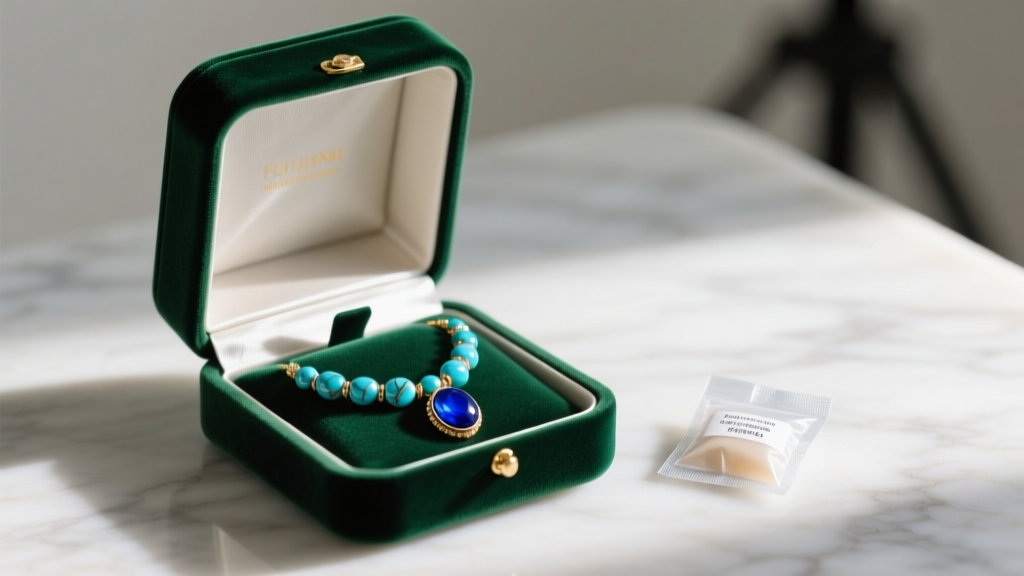
Expert Storage Tip: Store your necklace in an airtight ziplock bag or a sealed jewelry box to protect the silver from sulfur in the air. Include a small silica gel packet to control ambient humidity and prevent metal tarnish, but never let the silica packet touch the turquoise directly, as it can draw moisture out of the stone too rapidly.
Additionally, always store your necklace separately from harder gemstones. Diamonds, rubies, sapphires, and even quartz will easily scratch the surface of Tibetan turquoise if they rub together in a shared jewelry box. Use individual soft flannel pouches or a compartmentalized, velvet-lined box.
Troubleshooting Common Issues
The Stone is Turning Green
If your natural, unstabilized turquoise is shifting from blue to green, it is likely absorbing oils and acids from your skin. While some collectors appreciate this "patina" as a sign of a living stone, you can halt the process by strictly adhering to the "Last On, First Off" rule and wiping the stone with a dry, clean cloth immediately after every wear.
Cloudy or Sticky Resin (Stabilized Stones)
If your stone feels tacky or looks cloudy, the stabilization resin may be degrading due to heat exposure or contact with alcohol-based solvents (like hand sanitizer or perfume). Unfortunately, resin damage cannot be reversed at home. The necklace must be sent to a professional lapidary to be re-stabilized or re-polished.
Cracking or Crazing
Fine surface cracks indicate dehydration or thermal shock. If you notice crazing, stop wearing the necklace immediately to prevent the stone from fracturing entirely. Store it in a room with stable, moderate humidity (around 40-50%) and consult a jeweler about applying a specialized, gem-safe micro-crystalline wax to seal the fissures.
Conclusion
Maintaining a Tibetan turquoise necklace requires a shift in mindset from standard jewelry care. By respecting the stone's porosity, avoiding harsh chemical cleaners, utilizing precision tools for metal polishing, and managing storage humidity, you ensure that the striking blue-green hues and intricate matrix patterns remain vibrant. Treat your turquoise with the specialized care it demands, and it will remain a breathtaking, wearable piece of history for generations.


