Linda Necklace Evil Dead: Replica Material Guide 2026
Discover the best materials for a Linda necklace Evil Dead replica. Compare sterling silver, brass, and steel for durability, patina, and screen accuracy.

The Cult of the Cabin: Why Material Matters for Prop Replicas
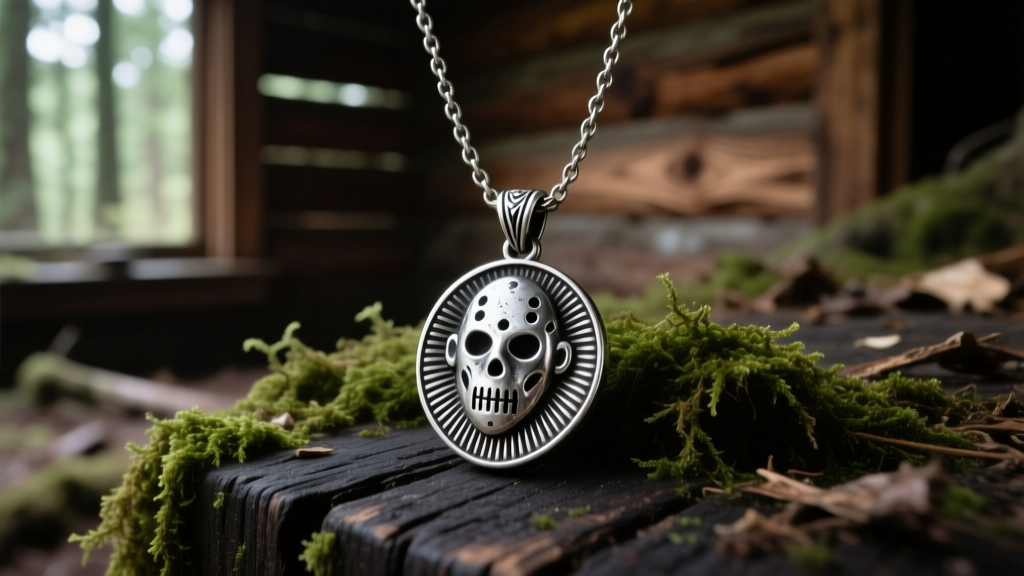
For horror aficionados and collectors of practical effects memorabilia, the linda necklace evil dead replica remains one of the most sought-after wearable props from Sam Raimi’s 1981 cult classic. Originally worn by Betsy Baker in her iconic role as Linda, the pendant and its accompanying chain have become synonymous with the gritty, lo-fi aesthetic of the 'cabin in the woods' subgenre. However, as of 2026, the market is flooded with replicas ranging from cheap, mass-produced trinkets to high-end, screen-accurate metallurgical masterpieces. Choosing the right material is not just about visual accuracy; it dictates the piece's tensile strength, skin reactivity, and how it ages over time. In this comprehensive guide, we break down the exact material properties you need to consider before investing in a replica.
Metallurgical Breakdown: Comparing Replica Alloys
The base metal of any pendant determines its weight, casting fidelity, and long-term wearability. Below is a comparative analysis of the most common metals used in horror prop replication.
| Material | Alloy Composition | Tensile Strength | Tarnish Profile | Price Range (USD) |
|---|---|---|---|---|
| Zamak (Zinc Alloy) | Zinc, Aluminum, Magnesium, Copper | Low (Brittle) | Pitting / White rust | $15 - $35 |
| Cartridge Brass | 70% Copper, 30% Zinc (C26000) | Medium-High | Dark brown / Verdigris | $45 - $85 |
| 925 Sterling Silver | 92.5% Silver, 7.5% Copper | Medium (Malleable) | Black Silver Sulfide | $120 - $250 |
| 316L Surgical Steel | Iron, Chromium, Nickel, Molybdenum | Very High | None (Passive layer) | $40 - $70 |
The Problem with Zamak and Zinc Alloys
Many entry-level replicas found on mass-market e-commerce platforms are cast from Zamak. While Zamak allows for highly detailed, inexpensive casting, it suffers from severe structural limitations. It is highly susceptible to 'white rust' (zinc oxide) when exposed to the slightly acidic pH of human sweat. Furthermore, Zamak lacks the tensile strength to support heavy pendant bails, often resulting in micro-fractures at the stress points where the chain connects to the pendant.
Brass: The Ideal 'Gritty' Horror Aesthetic
For collectors who want their jewelry to look like it survived a night in a possessed Tennessee cabin, cartridge brass (C26000) is the superior choice. Brass naturally oxidizes when exposed to moisture and oxygen, developing a rich, dark brown patina. According to metallurgical standards, the 70/30 copper-zinc ratio provides excellent cold-working properties, meaning the pendant can be stamped or die-struck with sharp, screen-accurate details without cracking. However, buyers with nickel or copper sensitivities should note that prolonged skin contact with raw brass can cause contact dermatitis or leave a temporary green stain on the sternum.
925 Sterling Silver: The Premium Collector's Standard
High-end prop replicators typically utilize 925 sterling silver. As noted by the Silver Institute, the addition of 7.5% copper to pure silver provides the necessary hardness for daily wear while maintaining the brilliant luster of the precious metal. Sterling silver replicas of the Linda necklace offer the best balance of heirloom-quality durability and intrinsic value. The primary maintenance concern is the formation of silver sulfide (tarnish) when exposed to atmospheric sulfur, which can be easily managed with a treated polishing cloth.
Chain Gauges and Tensile Failure Points
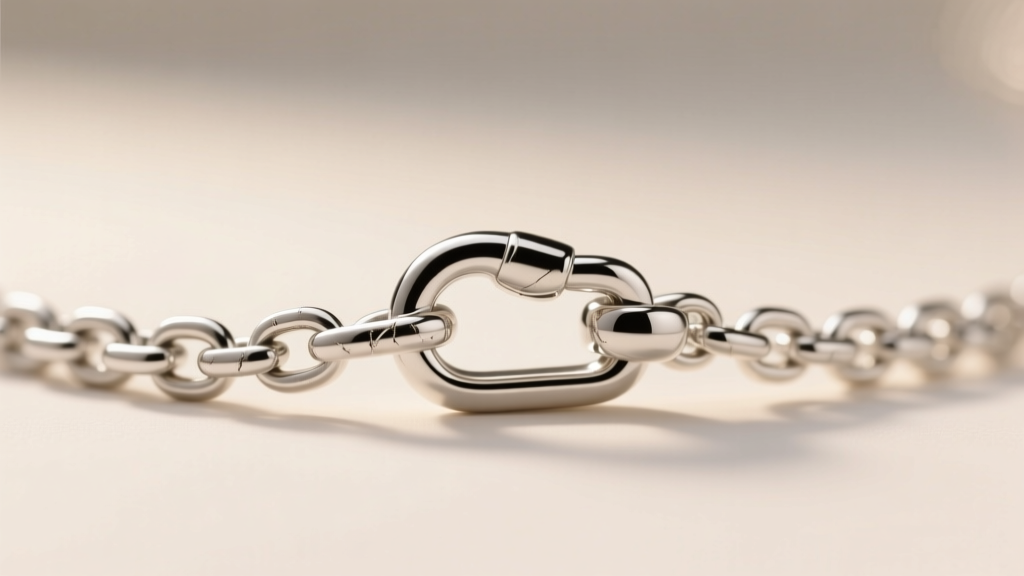
A pendant is only as secure as the chain that holds it. The original 1981 prop utilized a relatively thin, lightweight chain, but modern replicas intended for daily wear require structural upgrades. The most common failure point in prop replica necklaces is the clasp mechanism and the jump ring connecting the clasp to the chain.
- Chain Gauge: Avoid chains thinner than 20-gauge (0.81mm). For a pendant of this size, a 16-gauge (1.29mm) to 14-gauge (1.63mm) rolo or cable chain is optimal. This thickness provides a tensile strength capable of withstanding accidental snags without the links pulling apart.
- Jump Rings: Ensure the jump ring holding the pendant is soldered closed. Open jump rings, even thick ones, will eventually warp and drop the pendant when subjected to the lateral torque of daily movement.
- Clasp Mechanics: Discard standard spring-ring clasps. The internal steel spring in cheap spring rings is prone to corrosion and failure. Upgrade to a 10mm or 12mm cast lobster clasp, which utilizes a thicker internal spring and a more robust locking lever.
Gemstone Simulants and Inlay Materials
Depending on the specific interpretation of the linda necklace evil dead prop you are sourcing, some replicas feature central inlays or simulated gemstones. When evaluating these, it is crucial to look at the Mohs hardness scale to ensure the stone will not scratch or cloud over time.
'When sourcing screen-accurate prop jewelry, the refractive index (RI) of the simulant is just as important as its durability. Glass simulants often fail to capture the depth required for high-definition photography, whereas modern Cubic Zirconia offers an RI of 2.15, closely mimicking natural diamonds and premium period stones.' — GIA Gem Encyclopedia
If your replica features a red or dark inlay, insist on synthetic corundum (Mohs 9) or high-grade CZ (Mohs 8.5). Avoid epoxy resin inlays, which sit at a mere Mohs 2.5 and will quickly become scuffed and opaque from friction against clothing.
Artificial Aging vs. Pristine Maintenance
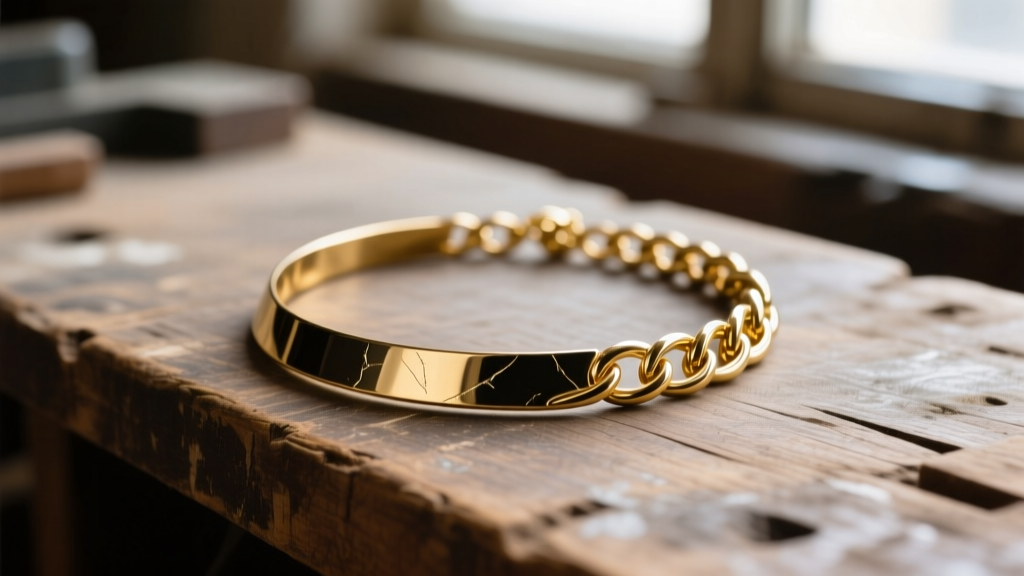
The beauty of horror memorabilia is that it doesn't always need to look brand new. In fact, a slightly distressed finish often enhances the screen-accurate vibe of the linda necklace evil dead piece. If you purchase a raw brass or copper-alloy replica, you can artificially age it using a simple liver of sulfur solution. By diluting the compound in warm water and submerging the pendant for 30 to 60 seconds, you can force a deep, oxidized black or brown patina. You can then use 1000-grit sandpaper to lightly buff the high-relief areas, creating a striking contrast that mimics decades of wear.
Conversely, if you opt for a 925 sterling silver or rhodium-plated version and wish to maintain its pristine, out-of-the-box shine, store it in an airtight anti-tarnish bag with a silica gel desiccant packet. Never use abrasive silver dips on oxidized replicas, as these harsh chemicals will strip the intentional darkening from the crevices, ruining the three-dimensional contrast of the casting.
Final Verdict: Choosing Your Replica
Ultimately, the best material for your replica depends on your intentions. If you are building a display piece or a budget cosplay, a heavy Zamak cast will suffice visually. For cosplayers who want an authentic, weathered look that evolves with wear, C26000 brass is unmatched in its aesthetic payoff. However, for the serious collector who demands a piece of jewelry that can be worn daily in 2026 without fear of structural failure or skin irritation, investing in a 925 sterling silver casting paired with a 14-gauge soldered rolo chain is the definitive choice. By understanding the metallurgy and mechanics behind these props, you ensure that your piece of horror history survives the test of time.


