Black Leather Rope Necklace: The Ultimate Buying Guide
Discover how to choose the perfect black leather rope necklace. Learn about leather grades, cord thickness, clasp types, and pendant pairing in our guide.

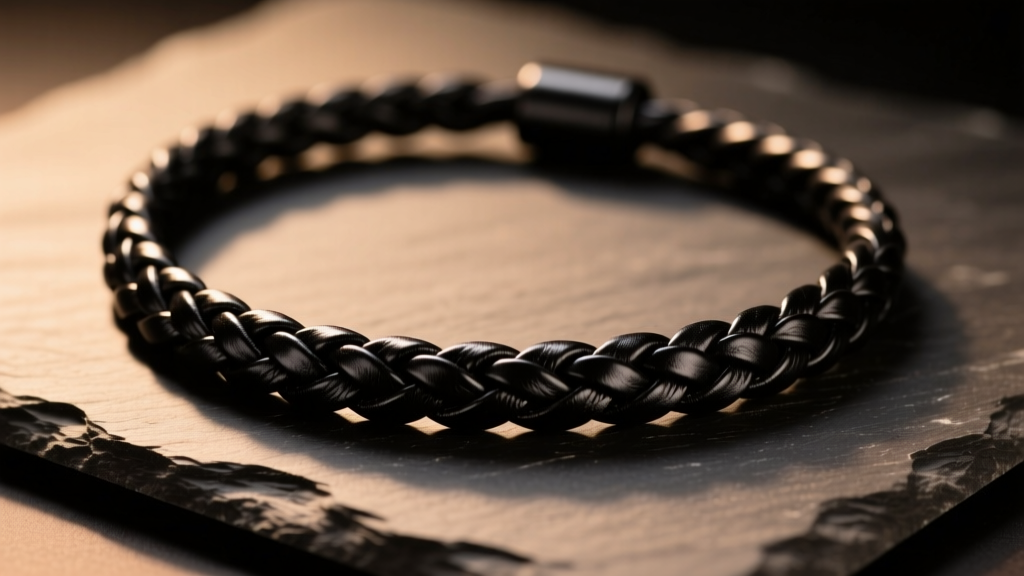
Why the Black Leather Rope Necklace Remains a Wardrobe Staple
In the evolving landscape of jewelry trends, the black leather rope necklace has cemented its status as a transcendent accessory. Moving far beyond the surf-inspired trends of the early 2000s, modern leather cords in 2026 are engineered for sophistication, durability, and versatile layering. Whether you are suspending a heavy sterling silver talisman or wearing a minimalist 2mm cord bare, leather offers an organic warmth that metal chains simply cannot replicate. However, the market is flooded with subpar bonded leathers and fragile clasps. This comprehensive buying guide will dissect the anatomy of a high-quality leather rope necklace, equipping you with the technical knowledge to make an informed purchase.
Decoding Leather Grades and Tanning Methods
Not all 'leather' is created equal. The terminology used by jewelry brands can be deliberately misleading. Understanding the exact grade and tanning process is the first step in avoiding a necklace that will peel, snap, or cause contact dermatitis.
The Leather Hierarchy
- Full-Grain Leather ($45–$120): The highest quality available. It includes the entire thickness of the hide, retaining the natural grain and imperfections. Full-grain ropes are incredibly strong, water-resistant, and develop a rich, personalized patina over time. This is the gold standard for daily wear.
- Top-Grain Leather ($30–$70): The outermost layer is sanded down to remove imperfections, resulting in a uniform, sleek finish. While slightly less durable than full-grain and incapable of developing a true patina, top-grain offers a refined, consistent look that pairs well with formal pendants.
- 'Genuine Leather' ($10–$25): A deceptive marketing term. In the leather industry, this refers to split leather or bonded scraps glued together and painted black. These ropes lack structural integrity, frequently snapping under the weight of heavy pendants, and should be avoided for long-term wear.
- Vegan/PU Leather ($15–$30): Polyurethane wrapped around a cotton or polyester core. While cruelty-free, PU leather inevitably peels and cracks within 12 to 18 months of exposure to skin oils and friction.
Chrome vs. Vegetable Tanning
According to the Leather Working Group, the tanning process drastically alters the necklace's behavior. Chrome-tanned leather is softer, more flexible right out of the box, and highly water-resistant. However, cheap chrome-tanning can leave residual heavy metals that irritate sensitive skin. Vegetable-tanned leather, treated with natural tree bark tannins, is initially stiffer but molds perfectly to the wearer's neck over a few weeks. It is inherently hypoallergenic and eco-friendly, making it the preferred choice for those with metal or chemical sensitivities.
Cord Thickness and Pendant Pairing Matrix
Selecting the correct millimeter (mm) thickness is crucial for both aesthetic balance and structural safety. A cord that is too thick will look clumsy with a delicate pendant, while a cord that is too thin will snap under a heavy statement piece. Below is the definitive pairing matrix used by professional jewelers.
| Cord Thickness | Best For | Max Pendant Weight | Required Bail Size |
|---|---|---|---|
| 1.5mm - 2mm | Delicate charms, layering, minimalist bare wear | Up to 12 grams | Inner diameter > 3mm |
| 3mm - 4mm | Standard daily wear, medium gemstones, dog tags | 12 to 30 grams | Inner diameter > 5mm |
| 5mm - 6mm | Chunky statement pieces, heavy silver/bronze talismans | 30 to 60+ grams | Inner diameter > 8mm |
Pro Tip: The inner diameter of your pendant's bail must always be at least 1.5 times the thickness of the leather cord to prevent friction wear and tearing at the drape point.
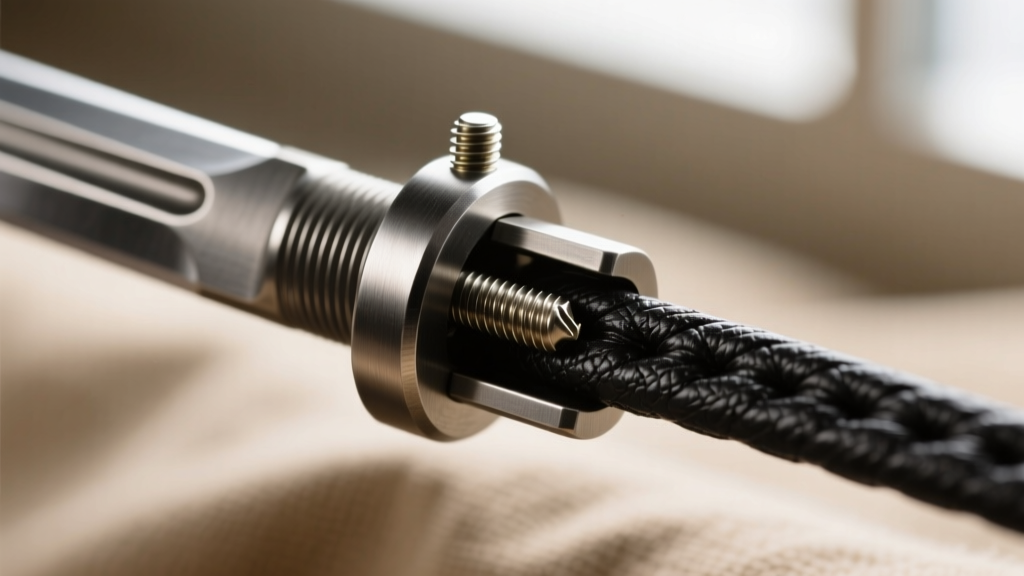
Hardware and Clasps: Identifying Hidden Failure Points
The leather itself rarely breaks first; the hardware is almost always the weak link. When evaluating a black leather rope necklace, scrutinize the clasp and the end-caps (the metal cylinders where the clasp attaches to the leather).
Clasp Mechanisms Ranked
- Bayonet / Screw-Thread Clasp (Top Tier): The most secure option for heavy pendants. One side of the clasp screws into the other via precision threading. It cannot accidentally pop open when snagged on clothing.
- Magnetic Neodymium Clasp (Mid Tier): Sleek and incredibly easy to put on with one hand. However, strong magnets can attract steel particles from your environment, and a sharp tug on a heavy pendant can cause the magnets to separate.
- Lobster Claw (Low Tier): The cheapest and most common. The internal spring mechanism is prone to failure, and the small jump rings used to attach it to the leather end-caps frequently pull apart under stress.
End-Cap Attachment Methods
Look closely at how the metal end-caps are secured to the leather. Crimped end-caps use physical pressure to bite into the leather; over time, this cuts the fibers and causes the cord to slip out. Glued end-caps rely on cyanoacrylate or epoxy, which can become brittle and shatter in cold weather. The superior method is a pin-and-glue system, where a small metal pin is driven through the leather and the metal cap, then secured with jeweler's epoxy. For the ultimate custom fit, suppliers like Rio Grande offer screw-on end-caps that allow you to swap out leather cords without replacing the hardware.
Sizing Guide for Different Necklines
Leather does not drape exactly like metal chain; it has more body and stiffness, meaning it sits higher and more rigidly on the collarbone. Use this sizing framework to achieve your desired look:
- 14 to 16 Inches (Choker/Collar): Sits snugly at the base of the neck. Ideal for 2mm cords worn bare or with tiny, flush-set gemstone slides. Best paired with V-necks or off-the-shoulder tops.
- 18 Inches (Princess): The universal standard. Rests perfectly on the collarbone. This length accommodates most medium-sized pendants and works seamlessly over crew necks or button-down shirts.
- 20 to 24 Inches (Matinee): Drops to the sternum. Essential for 5mm+ thick ropes and heavy statement pendants. Perfect for layering over thick knitwear or wearing outside a t-shirt for a rugged, bohemian aesthetic.

Care, Conditioning, and Troubleshooting
A high-quality full-grain black leather rope necklace can last decades if properly maintained. Leather is a porous, organic material that reacts to its environment.
The Golden Rules of Leather Care
- Avoid Water Immersion: Showering or swimming with your leather rope will cause the fibers to swell, stretch, and eventually rot. If it gets wet, let it air dry at room temperature—never use a hair dryer, as heat bakes the moisture out and causes immediate cracking.
- Condition Bi-Annually: Skin oils and environmental dryness strip the hide. Every six months, apply a micro-drop of jojoba oil or a specialized beeswax-based leather balm. Rub it in with your thumbs, let it absorb for an hour, and buff off the excess with a microfiber cloth.
- Mind the Chemicals: Apply perfumes, colognes, and hairsprays before putting on your necklace. The alcohol and synthetic compounds in cosmetics will rapidly degrade the black dye and strip the leather's natural finish.
Troubleshooting: Stiffness and Kinking
If your new vegetable-tanned leather rope feels stiff or holds kinks from shipping, do not forcefully bend it, as this can fracture the inner core. Instead, lay it flat on a table and gently roll it between your palms for a few minutes. The natural heat and friction will relax the fibers. For persistent kinks, hang the necklace in the bathroom while you take a hot shower; the ambient steam will gently relax the hide without waterlogging it.
A premium black leather rope necklace is not just a jewelry finding; it is an evolving accessory that records the wearer's history through its patina, softness, and drape. Invest in full-grain quality and secure hardware, and it will outlast any metal chain in your collection.


