Black Onyx Necklace Value: 2026 Pricing & Buying Guide
Discover the true value of a black onyx necklace in 2026. Compare pricing tiers, uncover dyed agate treatments, and learn how to buy smart.

The Gemological Reality: Natural vs. Treated Onyx
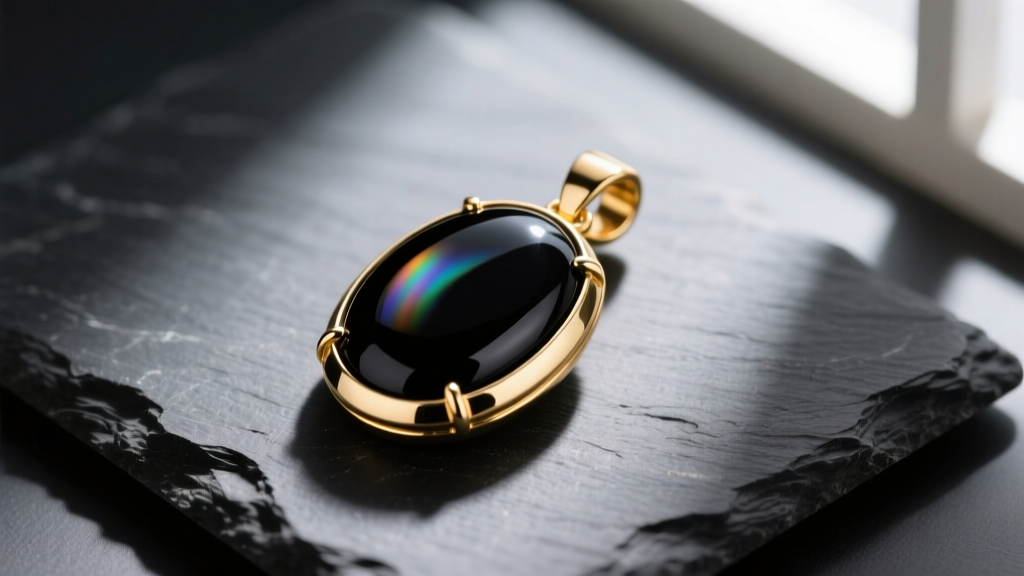
When shopping for a black onyx necklace, the most critical factor influencing value is the stone's origin. True, naturally occurring black onyx is exceptionally rare. According to the Gemological Institute of America (GIA), the vast majority of commercial black onyx on the market is actually gray or white chalcedony (agate) that has undergone a permanent color enhancement. This process, known as carbonization, involves soaking the porous stone in a sugar solution and then treating it with sulfuric acid to carbonize the sugars, resulting in a deep, uniform black.
Does this treatment make the stone "fake"? No. The gemological community accepts this practice, and it has been used since Roman times. However, it fundamentally dictates the budget you should allocate. You are paying for a semi-precious, treated agate, not a rare gemstone. Therefore, a black onyx necklace should be priced based on its craftsmanship, metal weight, and lapidary precision, rather than the intrinsic rarity of the stone itself. Natural, untreated black onyx commands a massive premium and is usually only found in high-end estate jewelry or specialized collector markets.
2026 Market Pricing: What Should You Actually Pay?
To assess the true value of a black onyx necklace, we must segment the market into distinct tiers. Pricing in 2026 reflects the rising costs of precious metals, meaning the setting often holds more intrinsic value than the cabochon. Use this table as your baseline for negotiation and budget assessment.
| Tier | Material & Metal | Construction Quality | Fair Price Range (2026) |
|---|---|---|---|
| Fast Fashion | Dyed agate, brass base, flash gold plating (0.1 microns) | Glued settings, hollow chains, prone to rapid tarnishing | $15 – $45 |
| Demi-Fine | Treated agate, solid 925 sterling silver or gold vermeil | Secure bezel settings, durable box or cable chains | $60 – $180 |
| Fine Artisan | Premium treated agate or natural onyx, solid 14k/18k gold | Custom lapidary cuts, seamless soldered jump rings, heavy clasps | $400 – $1,200+ |
| Vintage/Art Deco | Onyx or French jet, platinum or 18k white gold, diamond accents | Hand-engraved milgrain, calibre-cut stones, museum quality | $2,500 – $15,000+ |
If a contemporary brand is charging $350 for a simple black onyx pendant on a gold vermeil chain, you are paying a massive markup for the logo. True value in the demi-fine space caps around $180 unless the piece features intricate hand-engraving or diamond melee accents.
Evaluating the Metal: The Hidden Cost Multiplier
Because the stone itself is relatively inexpensive, the metal hardware is where the actual budget and value assessment of a black onyx necklace lies. Black onyx is dense and heavy; a substantial 30mm cabochon pendant can easily weigh 15 to 20 grams. This weight requires structural integrity that cheap metals cannot provide.
The Vermeil Trap
Many mid-tier brands market "gold onyx necklaces" using vermeil. By FTC guidelines, gold vermeil must be a minimum of 2.5 microns of gold plated over a sterling silver base. However, the friction from a heavy onyx pendant rubbing against the chain, combined with skin oils, will wear through 2.5 microns of gold on the bail and clasp within 12 to 18 months of daily wear. If you are spending over $150, demand solid 10k or 14k gold, or accept that a vermeil piece is a temporary fashion accessory, not a long-term investment.
Construction & Failure Modes: Assessing Long-Term Value
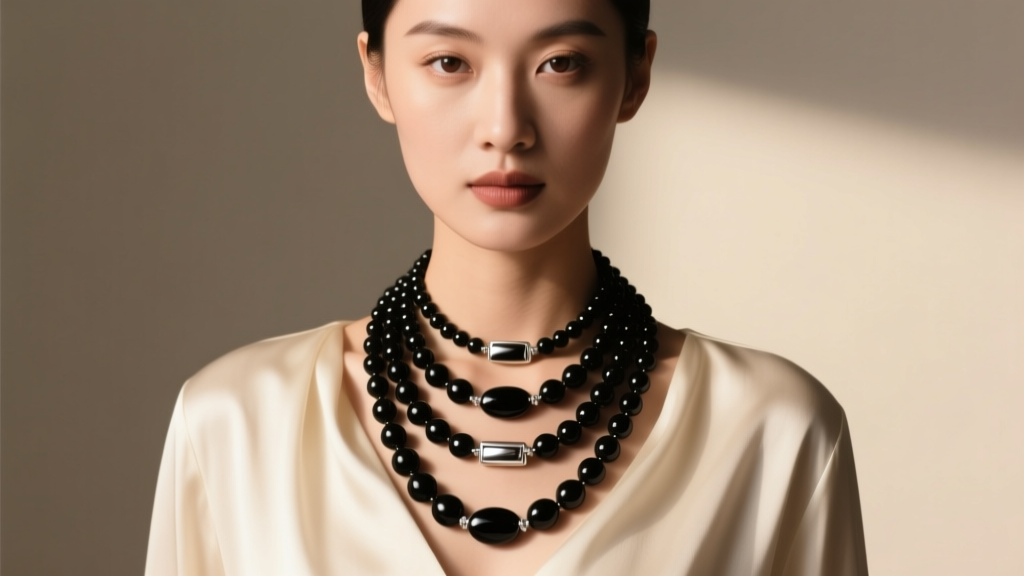
Onyx ranks at a 6.5 to 7 on the Mohs hardness scale, as noted by the mineral database Mindat.org. While it is relatively hard, it lacks cleavage and is highly susceptible to chipping along the edges if struck against a hard surface. How the stone is set is a primary indicator of the necklace's overall value and the jeweler's expertise.
- The Bezel Requirement: A high-value black onyx necklace will almost always feature a full or partial bezel setting. The metal rim protects the vulnerable girdle of the cabochon. If you see an onyx pendant held in by four delicate prongs, walk away. Prongs leave the edges exposed to catastrophic chipping and indicate mass-production shortcuts.
- Epoxy vs. Soldered Bails: In budget tiers, the bail (the loop connecting the pendant to the chain) is often glued to the back of the stone with jewelry epoxy. Over time, exposure to perfumes, sweat, and ultrasonic cleaners will degrade the epoxy, causing the heavy pendant to snap off and fall. Always inspect the bail; it should be mechanically anchored into a metal plate that is either soldered to the bezel cup or integrated into the setting.
- Chain Weight Ratios: A heavy onyx pendant requires a chain that can support at least three times its weight. Snake chains and thin herringbone chains will kink and snap under the pendulum effect of a swinging onyx stone. Look for solid cable, wheat, or box chains with a minimum thickness of 1.5mm for pendants over 10 grams.
Beaded Black Onyx Necklaces: A Different Value Matrix
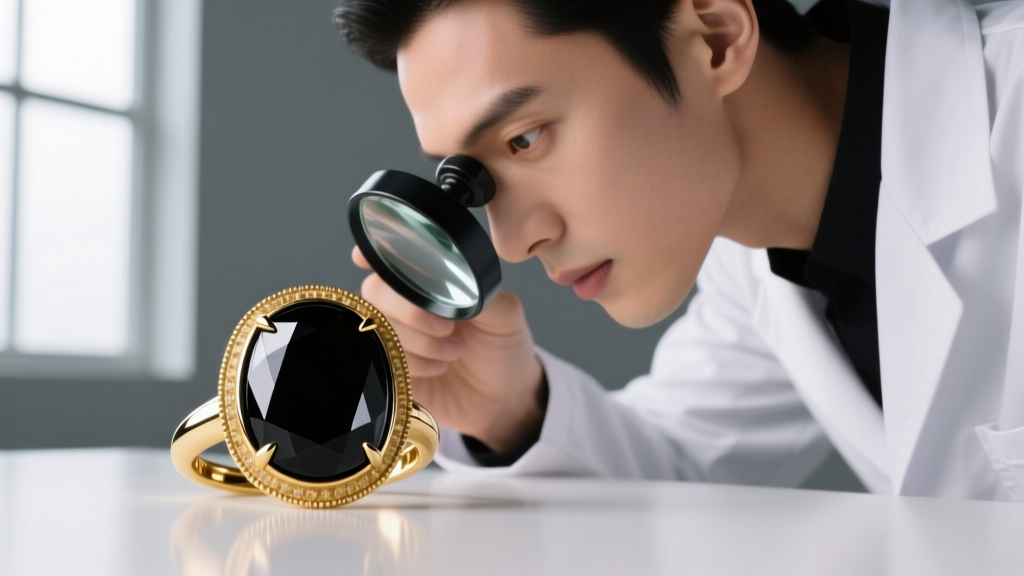
When evaluating a beaded black onyx necklace rather than a single pendant, the value shifts from metalwork to lapidary consistency. Drilling holes through treated agate creates stress points. In cheap strands, the beads are often unevenly drilled, leading to a crooked drape and internal friction that saws through the stringing wire.
What to Look For in Beaded Strands
Run your fingers along the strand. The beads should feel perfectly round or smoothly faceted without sharp edges around the drill holes. High-value strands are knotted on silk or strung on multi-strand nylon-coated steel wire with crimp beads covered by metal crimp covers. If the strand is strung on cheap elastic or monofilament, the structural integrity is compromised, and the necklace should not exceed $30 in value, regardless of the bead size.
Care & Longevity: Protecting Your Investment
To maintain the value and glassy luster of your black onyx necklace, you must avoid common cleaning mistakes. Because most onyx is treated and slightly porous, ultrasonic cleaners are strictly prohibited. The high-frequency vibrations can cause micro-fractures along the drill holes or stress points in the cabochon, while the heat and chemicals can strip the carbonized finish, leaving the stone with a dull, grayish, or mottled appearance.
Instead, clean your onyx with a soft, lint-free microfiber cloth and mild soapy water. Dry it immediately. Store the necklace in a soft pouch separate from diamonds or sapphires, which can easily scratch the onyx's polished surface during transit.
"The true value of a black onyx necklace isn't found in the rarity of the stone, but in the architectural integrity of its setting and the quality of the precious metals holding it in place. Buy the craftsmanship, not just the color."
The Final Verdict
A black onyx necklace remains a timeless, versatile staple in any jewelry wardrobe. By understanding that you are likely purchasing a beautifully treated agate, you can free yourself from inflated "rare gemstone" pricing. Focus your budget on solid 925 silver or 14k gold hardware, secure bezel settings, and precision lapidary work. When you evaluate the piece through the lens of construction and metal weight, you can confidently identify the necklaces that offer genuine, lifelong value in today's market.


