Black String Necklace Materials: The Ultimate Guide
Compare silk, nylon, leather, and cotton for your black string necklace. Discover durability, water resistance, and the best cord for pendants.

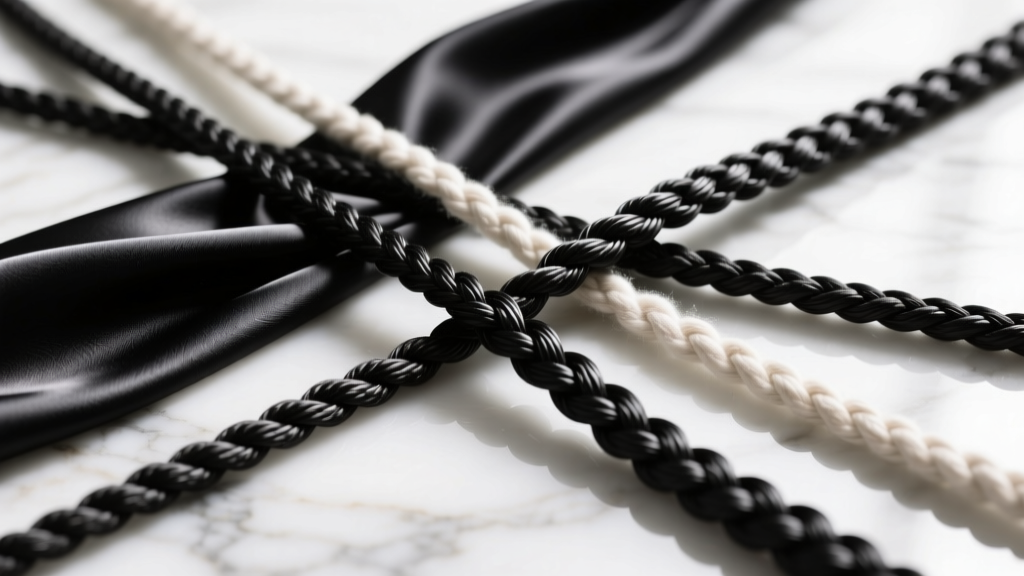
The Architecture of the Black String Necklace
When selecting a black string necklace, most buyers focus entirely on the pendant or the clasp, treating the cord as an afterthought. However, from a structural engineering perspective, the string is the single most critical point of failure in your jewelry. A heavy silver or gemstone pendant places continuous tensile stress on the cord, while environmental factors like sweat, UV radiation, and friction slowly degrade the fibers over time.
Understanding the material properties of your necklace cord is essential for longevity, safety, and aesthetic drape. Whether you are stringing a 5-gram minimalist charm or a 40-gram statement piece, choosing the right black string necklace material dictates how long the piece will survive daily wear. In this guide, we break down the four primary cord materials—silk, nylon, leather, and cotton—analyzing their tensile strength, environmental resistance, and knot security.
The Big Four: Material Breakdown
Silk: The Traditionalist's Choice
Silk has been the premier stringing material for centuries, prized for its luxurious drape and soft feel against the skin. Brands like Griffin offer pre-cut silk cords with integrated needles, typically ranging from 0.40mm (Size 2) to 0.90mm (Size 8). However, silk is a natural protein fiber, making it highly vulnerable to the acidic pH of human sweat (which typically ranges from 4.5 to 7.0). The enzymes and salts in perspiration break down the fibroin proteins, causing the cord to weaken and eventually snap without warning. Furthermore, silk loses up to 20% of its tensile strength when wet. For a black string necklace, silk is best reserved for lightweight pendants under 15 grams and occasional wear rather than daily, active use.
Nylon: The Modern Workhorse
Synthetic nylon cords, particularly specialized brands like C-Lon and S-Lon, represent the gold standard for modern jewelry stringing. Nylon is a polyamide, meaning it is entirely hydrophobic—it does not absorb water, sweat, or oils. A standard 0.9mm C-Lon nylon cord boasts an impressive tensile strength of roughly 12 pounds, making it capable of supporting heavy gemstone pendants with ease. Nylon is also highly resistant to UV degradation and chemical exposure. The primary drawback is its stiffness compared to silk, and its tendency to fray if cut without a hot knife. When working with nylon, jewelers use a thread zapper or a lighter to melt the ends, fusing the fibers to prevent unraveling.
Leather and Suede: The Rustic Aesthetic
Leather offers a rugged, organic aesthetic that pairs beautifully with raw crystals, turquoise, and oxidized metals. When shopping for a black leather string necklace, pay close attention to the animal hide and the cut. Kangaroo leather possesses a significantly higher tensile strength than cowhide due to its dense, uniform fiber structure, allowing for thinner, stronger cords (1.0mm to 1.5mm). Cowhide is more common but requires a thicker gauge (2.0mm or more) to safely hold heavy pendants. Leather is highly susceptible to moisture; prolonged exposure to water or heavy sweating will cause the hide to stiffen, crack, and eventually rot. It is strictly a dry-wear material.
Cotton and Hemp: The Eco-Friendly Option
Waxed cotton and hemp cords are staples in macramé and bohemian jewelry designs. The wax coating (often beeswax or paraffin) provides a temporary barrier against moisture and helps the cord hold complex macramé knots. However, cotton is a cellulose fiber that is highly prone to UV fading and microbial degradation if trapped against damp skin. While a high-quality waxed black cotton cord looks beautiful on day one, the black dye will inevitably fade to a charcoal grey with prolonged sun exposure, and the wax will attract dust and skin cells over time, requiring regular replacement.
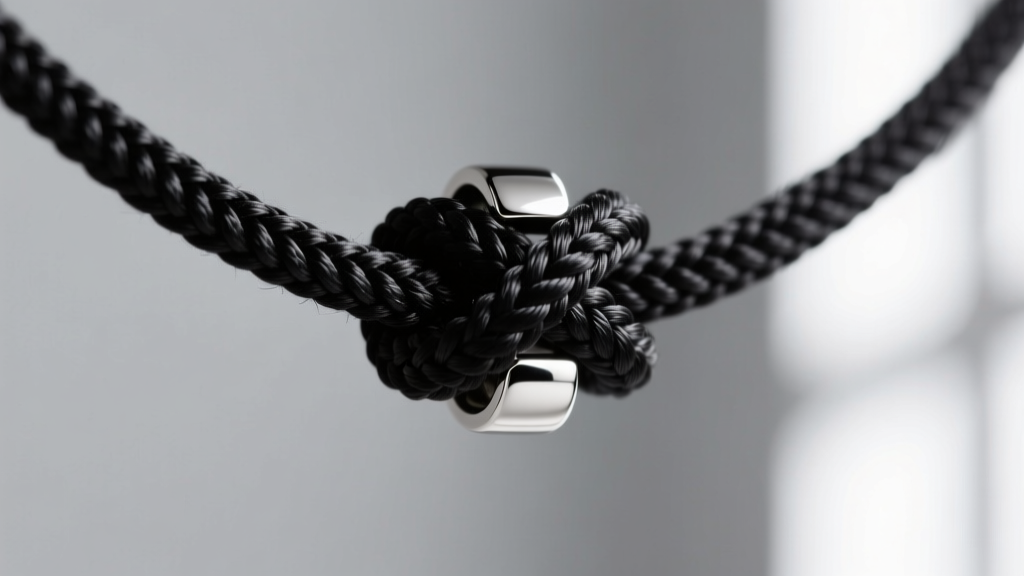
Tensile Strength & Pendant Weight Matrix
To help you match your pendant to the correct cord, consult the structural matrix below. These values represent safe working loads, not absolute breaking points, ensuring a safety margin for sudden movements or snags.
| Material | Standard Gauge | Safe Working Load | Water Resistance | Best Application |
|---|---|---|---|---|
| Silk (Griffin) | 0.70mm (Size 6) | Up to 15g | Poor (Weakens when wet) | Lightweight pearls, occasional wear |
| Nylon (C-Lon) | 0.90mm | Up to 80g | Excellent (Hydrophobic) | Heavy gemstones, daily wear, beach |
| Kangaroo Leather | 1.50mm | Up to 120g | Poor (Rots if wet) | Rustic pendants, dry environments |
| Waxed Cotton | 1.00mm | Up to 30g | Moderate (Wax degrades) | Macramé, adjustable sliding knots |
Environmental Degradation: Sweat, Sebum, and UV
The environment resting against your collarbone is remarkably hostile to jewelry materials. Human sebum (skin oil) contains squalene and triglycerides that can slowly break down the wax coatings on cotton and the natural oils in leather. According to the Gemological Institute of America (GIA), organic materials require meticulous cleaning to prevent the buildup of acidic oils that degrade structural integrity.
For active individuals who sweat heavily, nylon is the only viable black string necklace material. Silk will rot from the inside out, often snapping at the clasp loop where sweat accumulates. Leather will absorb the moisture, leading to a stiff, brittle texture that cracks under the bending stress of neck movement. If you insist on wearing leather or silk, you must remove the necklace before showering, swimming, or exercising, and wipe it down with a dry, soft cloth after every wear.
Chlorine from swimming pools is particularly devastating to organic fibers. While nylon can withstand brief exposure to chlorinated water, silk and leather will suffer immediate chemical burns at the microscopic level, compromising the cord's load-bearing capacity within minutes. Always remove your necklace before entering a pool or hot tub.

Knot Security and Clasp Integration
A cord is only as secure as its knot. Different materials require entirely different termination techniques, a fact often overlooked by amateur stringers. According to the Fire Mountain Gems Encyclopedia, matching the knot to the fiber's friction coefficient is vital for preventing pendant loss.
- The Double Surgeon's Knot: Essential for nylon and silk. The extra twist creates immense friction, preventing the slippery synthetic or smooth natural fibers from pulling through. For nylon, a tiny drop of G-S Hypo Cement (which uses capillary action to seep into the fibers without making them brittle) should be applied to the knot.
- The Lark's Head Knot: The standard for attaching pendants to leather and thick cotton cords. It distributes the weight evenly across the cord's width, preventing the sharp edge of a metal bail from slicing into the leather.
- The Sliding Square Knot: Used exclusively with cotton, hemp, or thin nylon to create adjustable macramé closures. Avoid using this knot with thick leather, as the friction will shave the hide and weaken the structural core.
Never use cyanoacrylate (Super Glue) on nylon or silk cords. Cyanoacrylate cures into a hard, brittle plastic that will crack when the necklace flexes, often taking the cord fibers with it. Always opt for flexible, jewelry-specific adhesives like E6000 or G-S Hypo Cement.
When terminating a nylon cord into a metal clasp, consider using a crimp cover and a wire guardian rather than tying directly to the jump ring. Metal-on-nylon friction acts like a microscopic saw, eventually severing the cord. A wire guardian creates a smooth, protective metal loop that extends the lifespan of the necklace by years.
Expert Verdict: Which Cord Should You Buy?
If you are designing or purchasing a black string necklace for daily, worry-free wear, 0.9mm black nylon (C-Lon or S-Lon) is the undisputed champion. It offers superior tensile strength, total immunity to sweat and water damage, and excellent UV resistance, ensuring the deep black color will not fade over time. Reserve silk for high-end, lightweight pearl or jade pendants worn on special occasions, choose kangaroo leather for rugged, masculine aesthetics in dry climates, and utilize waxed cotton strictly for adjustable macramé designs. By respecting the material science of your necklace cord, you ensure your pendant stays exactly where it belongs.


