Blood Drop Necklace Value Guide: Is It Worth the Price?
Is a blood drop necklace worth the investment? We break down pricing tiers, material grades, and stone quality to help you find true value.

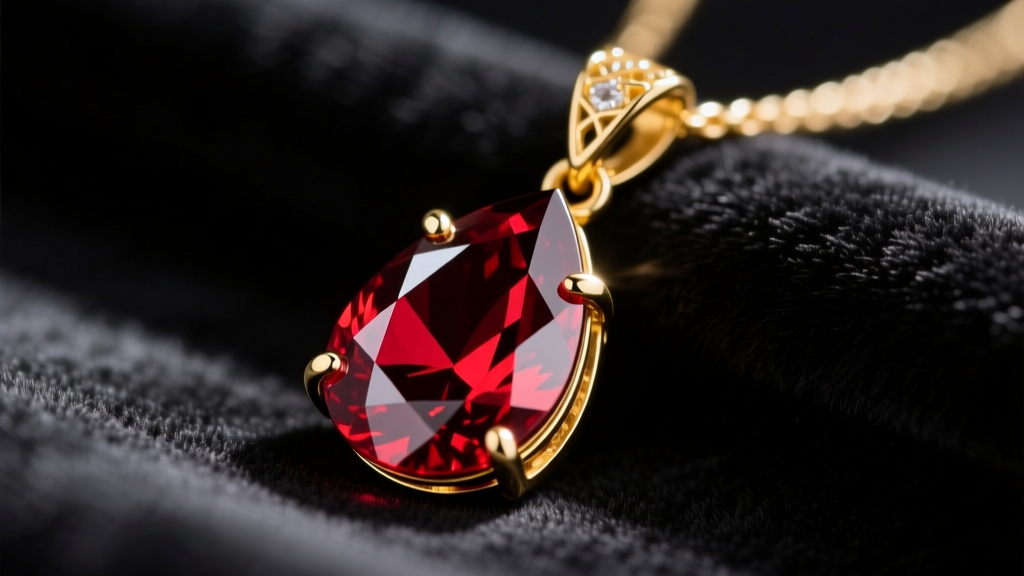
The blood drop necklace—characterized by its teardrop-shaped red gemstone, enamel, or resin pendant—has transitioned from a niche gothic subculture staple to a mainstream romantic and alternative fashion essential. Whether you are drawn to the dramatic flair of a deep crimson ruby or the vintage allure of a garnet teardrop, the market is currently flooded with options ranging from $15 fast-fashion pieces to $5,000 fine jewelry investments. But how do you determine if the price tag reflects genuine material value or merely brand markup?
In this comprehensive value assessment, we deconstruct the anatomy, metallurgy, and gemology of the blood drop necklace. By understanding the exact material grades, stone origins, and structural failure points, you can confidently navigate the 2026 jewelry market and invest in a piece that offers true longevity and aesthetic return.
The Anatomy of a Teardrop Pendant
Before assessing price, it is crucial to understand what dictates the manufacturing cost of a blood drop pendant. The value is not just in the red stone; it is in how the stone is secured and suspended.
- The Cut: True teardrop stones are typically cut as pear brilliants (faceted for light return) or briolettes (fully faceted, 3D drops). Briolettes require more raw carat weight and specialized drilling, increasing the baseline cost.
- The Bail: The bail connects the pendant to the chain. A standard loop bail is cheaper to produce but forces the pendant to hang rigidly. A hidden bail (where the chain threads directly through a drilled hole or a concealed back-loop) allows the blood drop to hang naturally, mimicking a real falling drop, but requires precision lapidary work.
- The Setting: Prong settings (usually 3 or 4 prongs for a pear cut) maximize light exposure but can snag on fabrics. Bezel settings offer superior protection for the delicate 'point' of the teardrop but require more precious metal, driving up the price.
Price Tier Breakdown & Value Assessment
To accurately assess value, we must segment the market into three distinct tiers. The following table outlines what you should realistically expect from your budget in the current market.
| Tier | Price Range | Base Metal | Red Material | Expected Lifespan | Value Rating |
|---|---|---|---|---|---|
| Costume / Fast Fashion | $15 - $45 | Zinc Alloy, Brass | Red Glass, Resin, Enamel | 6 - 12 Months | Poor (High tarnish/skin reaction risk) |
| Demi-Fine | $60 - $180 | 925 Sterling Silver, Gold Vermeil | Lab-Grown Ruby, Rhodolite Garnet | 2 - 5 Years | Excellent (Best balance of cost/quality) |
| Fine Jewelry | $800 - $3,500+ | Solid 14k / 18k Gold, Platinum | Natural Pigeon Blood Ruby, Fine Garnet | Generational | Good (High markup, but retains intrinsic value) |
Material Deep Dive: Decoding the 'Blood' Element
The most significant variable in the pricing of a blood drop necklace is the material used to achieve the signature crimson hue. Unscrupulous sellers often use ambiguous terms like 'red crystal' or 'simulated ruby' to mask cheap materials.
Natural vs. Lab-Grown Stones
According to the Gemological Institute of America (GIA), natural rubies with a deep, saturated 'pigeon blood' red hue are exceptionally rare and command premium prices, often exceeding $10,000 per carat for unheated stones. If you find a natural ruby blood drop necklace under $500, the stone is likely heavily included, fractured, or lead-glass filled—a treatment that severely compromises durability and value.
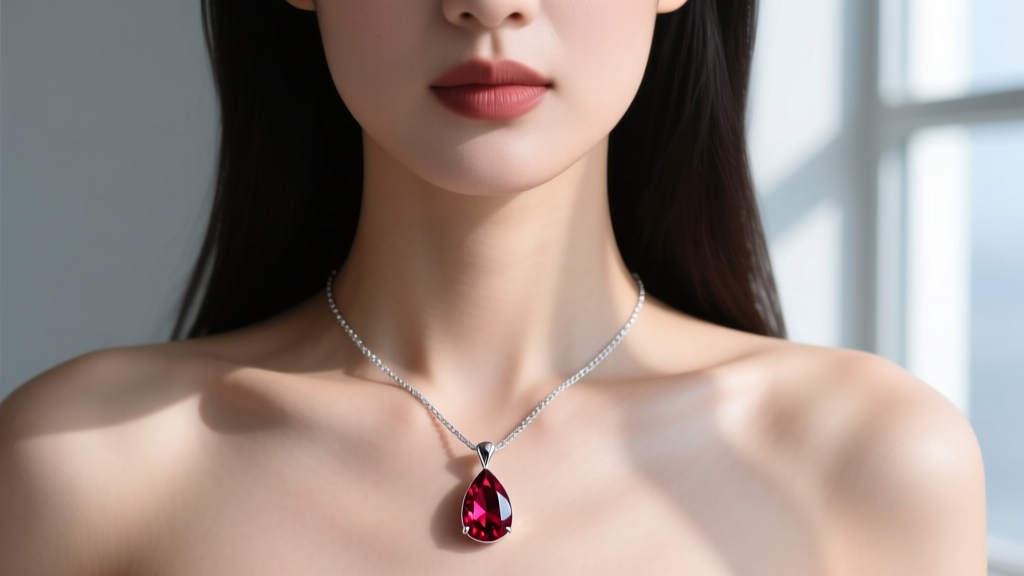
For the demi-fine tier ($60-$180), lab-grown rubies and natural garnets are the smartest purchases. Lab-grown rubies possess the exact same chemical composition (corundum) as natural rubies but are created in controlled environments, resulting in flawless clarity and vivid saturation at a fraction of the cost. Alternatively, Rhodolite garnet offers a naturally occurring purplish-red hue that is highly durable (7-7.5 on the Mohs scale) and requires no artificial enhancement, making it a premier choice for ethically sourced, budget-friendly blood drop pendants.
Enamel and Resin Alternatives
In the costume tier, the 'drop' is often made of cold enamel or epoxy resin. While visually striking, these materials are prone to micro-scratches, UV yellowing (in cheaper resins), and chipping if dropped on hard surfaces. If purchasing an enamel piece, ensure the brand uses guilloché or vitreous enamel (fired glass), which is vastly more durable than painted cold enamel.
Chain Quality: The Hidden Cost Factor
A pendant is only as good as the chain that holds it. Many brands offset the cost of a decent pendant by pairing it with a substandard chain. When evaluating a blood drop necklace, scrutinize the chain type and clasp.
- Cable Chains: The gold standard for teardrop pendants. The simple round or oval links allow the pendant bail to glide smoothly, ensuring the drop always faces forward. Look for cable chains with a wire thickness of at least 1.0mm to support the weight of a solid stone pendant.
- Box Chains: Visually appealing but structurally problematic. Box chains are notorious for kinking permanently if bent, and their square links act like tiny gears that catch and pull fine hair. Avoid box chains for heavy teardrop pendants.
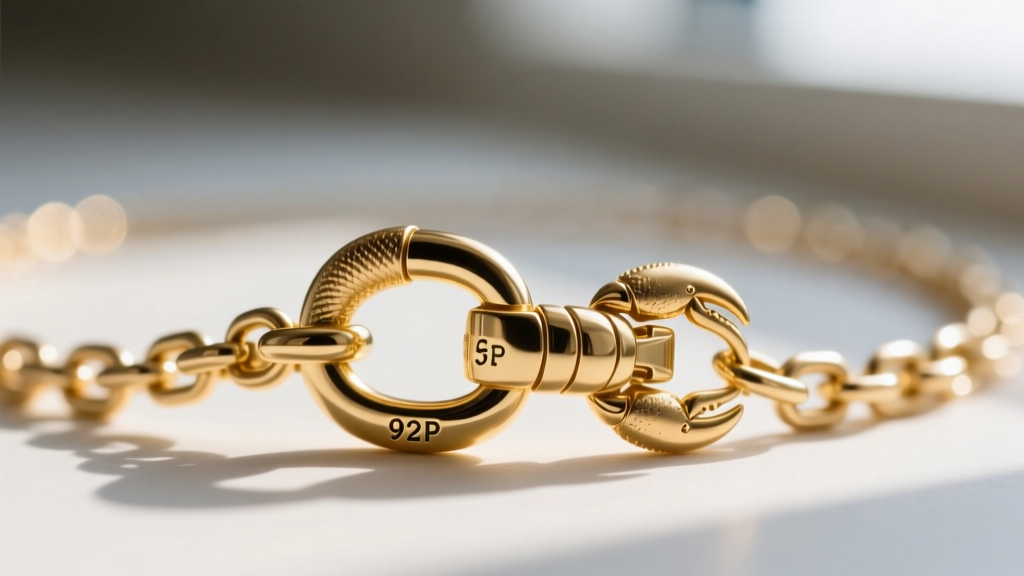
- The Clasp: A genuine value indicator is the clasp. High-quality demi-fine and fine pieces will use a lobster clasp with a sturdy internal spring mechanism. Cheap pieces use spring ring clasps, which are difficult to operate and prone to snapping under the pendulum weight of a teardrop stone.
Metallurgy and Plating Standards
If you are buying a gold-toned blood drop necklace in the $50 to $150 range, you are likely looking at gold vermeil or gold plated jewelry. It is vital to know the difference to avoid overpaying.
The Federal Trade Commission (FTC) and international jewelry standards dictate that for a piece to be legally classified as Gold Vermeil, it must have a base of 925 Sterling Silver and be plated with at least 10k gold with a minimum thickness of 2.5 microns. This thickness ensures the plating can withstand years of friction and skin oils before wearing through to the silver beneath.
Conversely, 'Gold Plated' or 'Gold Dipped' jewelry often uses a brass or copper base with a microscopic layer of gold (less than 0.5 microns). These pieces will tarnish, turn your skin green due to copper oxidation, and degrade within months of daily wear. Always check the product specifications for the exact base metal and micron thickness before purchasing.
Red Flags: How to Spot Overpriced Costume Pieces
When shopping online, marketing jargon can obscure poor material quality. Protect your budget by watching out for these deceptive descriptors:
- 'Tibetan Silver' or 'Antique Silver': These are not real silver. They are typically base metal alloys (often containing zinc, copper, and sometimes dangerous levels of lead or nickel) that have been oxidized to look dark and vintage. They pose allergy risks and lack intrinsic value.
- 'Simulated Ruby' or 'Cherry Crystal': This is red glass or dyed quartz. While glass can be pretty, it should never command a price higher than $20.
- Missing Weight Specifications: Fine and demi-fine jewelers proudly list the carat weight of the stone and the gram weight of the metal. If the listing only provides vague dimensions (e.g., '1-inch pendant') without material weight, it is likely hollow or made of lightweight resin.
Final Verdict: Which Tier Should You Buy?
The true value of a blood drop necklace lies squarely in the Demi-Fine category. By allocating a budget of $80 to $150, you can secure a piece featuring a genuine 925 sterling silver base, a thick 2.5-micron 14k gold vermeil plating, and a precision-cut lab-grown ruby or natural rhodolite garnet. This tier provides the luxurious, romantic aesthetic of the teardrop motif with the structural integrity and hypoallergenic properties required for daily wear.
Avoid the ultra-cheap costume tiers unless you are purchasing strictly for a one-time event or cosplay, as the rapid degradation of base metals and glass stones offers a poor return on investment. Conversely, unless you are a serious gem collector seeking unheated natural corundum, the massive markup on fine jewelry tier rubies is better invested in expanding a diverse, high-quality demi-fine collection.


