Blue Eye Necklace Meaning: Care, Cleansing & Glass Maintenance
Discover the blue eye necklace meaning and learn expert care tips to clean, protect, and energetically cleanse your glass or enamel Nazar amulet.

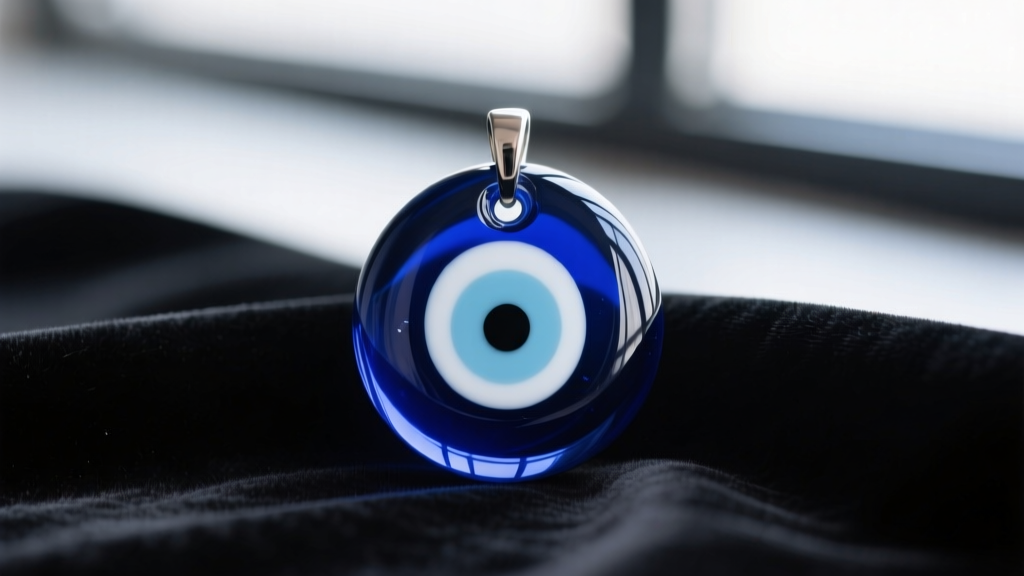
The blue eye necklace, universally recognized as the Nazar amulet, carries profound cultural and spiritual weight. Understanding the blue eye necklace meaning—a historic shield against malevolent glares, jealousy, and negative energy—is only half the journey. Preserving its physical and energetic integrity requires specialized care that bridges ancient tradition with modern gemological science. Whether your pendant is crafted from traditional layered cobalt glass or modern cold enamel, improper maintenance can degrade the materials and, symbolically, compromise its protective function.
The Material Anatomy: Glass, Enamel, and Vermeil
To properly care for a Nazar pendant, you must first identify its construction. Authentic Turkish Nazar boncuğu are crafted from layered cobalt glass, hand-poured while molten to create the iconic concentric circles. However, much of the contemporary fashion jewelry market utilizes cold enamel (an epoxy resin) painted over a brass or sterling silver base to mimic this look.
This distinction is critical for maintenance. Vitreous (kiln-fired) glass and enamel are highly durable, but cold enamel is essentially a hardened plastic. According to the Gemological Institute of America (GIA), epoxy-based enamels are highly vulnerable to solvents, extreme heat, and prolonged UV exposure, which can cause the blue pigment to yellow or the resin to peel away from the metal setting.
Physical Cleaning Protocols for Nazar Pendants
Because the blue eye necklace meaning is rooted in clarity and vision, keeping the "eye" free of oils and cloudiness is paramount. However, the layered structure of glass and the fragility of cold enamel dictate a gentle approach.
What to Avoid
- Ultrasonic Cleaners: The high-frequency cavitation bubbles generated by ultrasonic machines can exploit micro-fractures in layered glass, causing the pendant to shatter internally.
- Steam Cleaners: Temperatures exceeding 150°F (65°C) will soften cold enamel, causing it to warp or detach from the metal bezel.
- Ammonia and Bleach: These harsh chemicals will strip the protective rhodium plating off sterling silver settings and permanently cloud the surface of cobalt glass.
The Safe Cleaning Method
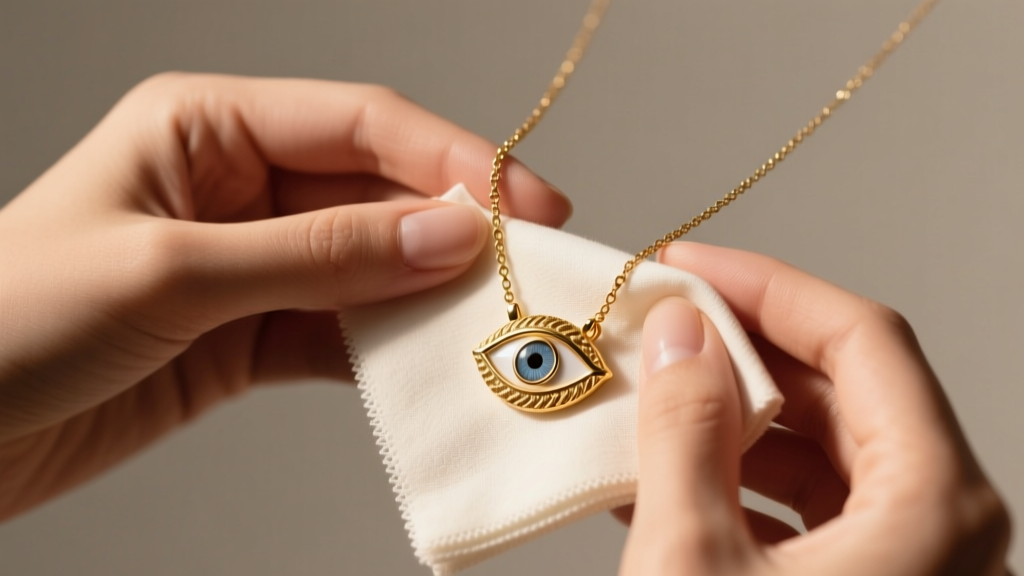
Prepare a solution of lukewarm distilled water and a single drop of pH-neutral dish soap (such as Dawn). Submerge the pendant for no more than three minutes. Use a ultra-soft, baby-hair brush to gently sweep away sebum and lotion buildup from the crevices where the glass meets the metal bezel. Rinse with distilled water to prevent hard water spots, and pat dry with a lint-free microfiber cloth.
Cleaning Agent Compatibility Chart
Use the following matrix to ensure you are not inadvertently damaging your specific pendant material during routine maintenance.
| Cleaning Agent | Cobalt Glass | Cold Enamel (Epoxy) | Gold Vermeil | Sterling Silver |
|---|---|---|---|---|
| Mild Soap & Distilled Water | Safe | Safe | Safe | Safe |
| Ultrasonic Cleaner | Risk of Shattering | Will Detach | Safe (if solid) | Safe |
| Jewelry Dip (Ammonia) | Causes Clouding | Dissolves Resin | Strips Gold | Safe |
| Polishing Cloth (Impregnated) | Safe | Causes Scratching | Strips Vermeil | Safe |
Chain and Clasp Maintenance
The chains paired with evil eye pendants—typically delicate box chains or cable chains—bear the brunt of physical stress. The lobster clasp, a mechanical component, is the most frequent point of failure. Over time, dead skin cells, dust, and lotion accumulate inside the clasp's spring mechanism, causing it to stick or fail to close completely.
To maintain the clasp, use a wooden toothpick to gently dislodge debris from the hinge. Apply a microscopic drop of synthetic sewing machine oil (never use WD-40, which contains solvents that degrade metal alloys over time) to the spring joint. Work the clasp open and closed several times to distribute the lubricant, then wipe away any excess oil to prevent it from attracting more dirt.
Energetic Cleansing: Honoring the Blue Eye Necklace Meaning
The core of the blue eye necklace meaning is its function as a spiritual sponge. In Mediterranean and West Asian folklore, the Nazar absorbs malicious intent and envy directed at the wearer. From a maintenance perspective, this means the amulet requires regular "energetic resetting" to prevent it from becoming spiritually saturated.
Methods for Energetic Resetting
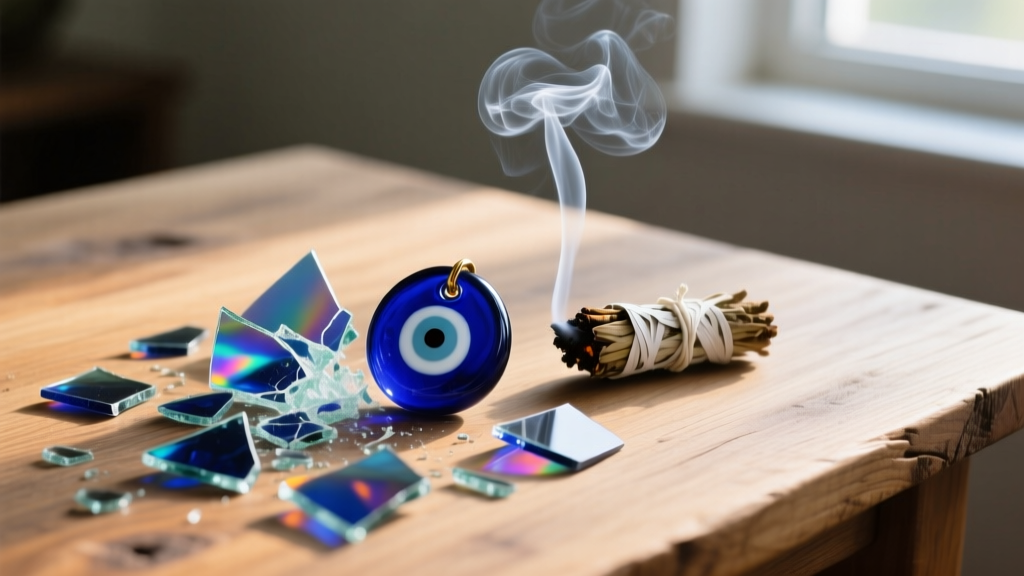
- Smoke Cleansing: Pass the necklace through the smoke of burning rosemary or white sage. The smoke particles bind to stagnant energy without leaving a physical residue on the glass or metal.
- Selenite Charging: Rest the pendant on a slab of raw selenite overnight. Selenite is a self-cleansing crystal that operates at a high vibrational frequency, ideal for resetting protective amulets.
- Lunar Bathing: Place the necklace on a windowsill during a full moon. The ultraviolet light and lunar energy are traditionally believed to wash away absorbed negativity.
What to Do When the Nazar Breaks
One of the most vital aspects of the blue eye necklace meaning involves its eventual destruction. If your glass or enamel Nazar pendant cracks or shatters while you are wearing it or storing it, folklore dictates that it has successfully intercepted a massive wave of negative energy or the "evil eye" directed at you. It has fulfilled its purpose.
Do not attempt to glue a broken Nazar back together; doing so is considered bad luck and traps the absorbed negativity within the fractured glass. Instead, the pieces must be respectfully disposed of. The traditional method is to bury the shards in the earth, returning the protective energy to the ground, or to cast them into a body of flowing water, such as a river or stream, allowing the current to carry the negativity away. Never throw a broken Nazar into a standard household trash receptacle.
Archival Storage and Humidity Control
When you are not wearing your blue eye necklace, proper storage is essential to prevent the metal from tarnishing and the glass from scratching. According to conservation guidelines from institutions like the Metropolitan Museum of Art, enamel and glass should be stored in stable, low-humidity environments.
Store the necklace in an individual, airtight polyethylene ziplock bag. Avoid PVC plastics, which off-gas sulfur compounds that rapidly accelerate the tarnishing of sterling silver and copper alloys. Include a 3M anti-tarnish strip and a small silica gel desiccant packet inside the bag to absorb ambient moisture. Keep the bag in a dark jewelry box, as prolonged exposure to direct sunlight can degrade the chemical bonds in cold enamel, leading to irreversible fading of the iconic blue pigment.
By combining meticulous physical cleaning with mindful energetic maintenance, you ensure that your blue eye necklace remains a pristine, powerful, and beautiful talisman for years to come.


