The 2026 Blue Gem Necklace Gift Guide by Occasion
Discover the ultimate 2026 blue gem necklace gift guide. Match sapphires, aquamarines, and tanzanites to milestones with expert setting and chain advice.

The Psychology and Power of Blue Gemstones
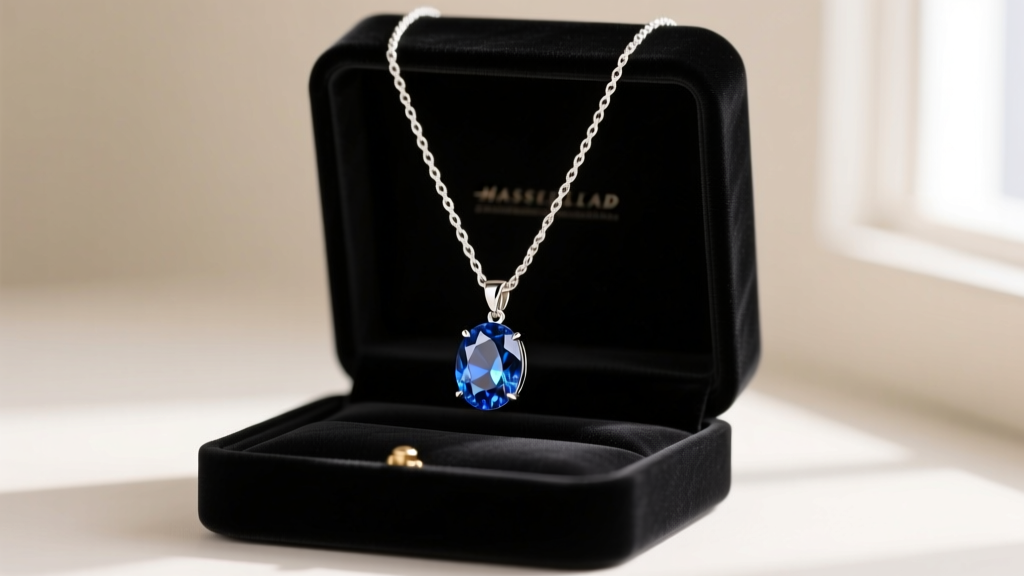
Gifting jewelry is an exercise in storytelling, and few narratives are as universally compelling as those told through blue gemstones. In color psychology, blue represents trust, depth, tranquility, and unwavering loyalty. As we navigate the 2026 jewelry market, consumers are moving away from generic diamond solitaires and leaning heavily into meaning-driven, personalized gifting. A carefully selected blue gem necklace is no longer just an accessory; it is a wearable milestone.
However, the term 'blue gem' encompasses a vast spectrum of mineral families, each with distinct physical properties, market values, and care requirements. Gifting a fragile tanzanite to an active outdoorsman without a protective setting is a recipe for heartbreak, just as pairing a heavy lapis lazuli pendant with a microscopic 0.8mm chain guarantees a broken clasp. This guide provides a masterclass in matching the right blue gemstone, setting, and chain architecture to the specific occasion and recipient.
Gemstone Durability Matrix: What Survives Daily Wear?
Before selecting a stone based purely on its hue, a savvy gift-giver must evaluate its toughness. Hardness (scratch resistance) and toughness (resistance to chipping and breaking) are not the same. Below is the essential 2026 durability matrix for popular blue gemstones, referencing data from the Gemological Institute of America (GIA).
| Gemstone | Mohs Hardness | Cleavage / Toughness | Ideal Setting Style | 2026 Price Range (1ct) |
|---|---|---|---|---|
| Blue Sapphire | 9.0 | No cleavage; Excellent | Prong, Bezel, Tension | $800 - $6,000+ |
| Aquamarine | 7.5 - 8.0 | Distinct cleavage; Moderate | Bezel, Halo, V-Prong | $150 - $600 |
| Tanzanite | 6.0 - 7.0 | Perfect cleavage; Poor | Full Bezel, Deep Halo | $400 - $1,500 |
| London Blue Topaz | 8.0 | Perfect basal cleavage; Poor | Bezel, Channel | $25 - $80 |
| Lapis Lazuli | 5.0 - 6.0 | No cleavage; Fair (porous) | Bezel, Cabochon wrap | $10 - $100 (per piece) |
Expert Insight: Notice that London Blue Topaz shares a Mohs rating of 8.0 with Aquamarine, yet its toughness is vastly inferior due to perfect basal cleavage. A sharp knock against a marble countertop can split a topaz cleanly in half. For daily-wear pendants, sapphire remains the undisputed king of durability, second only to diamond.
Occasion Matching: The 2026 Gifting Framework
Matching the gemstone to the milestone elevates the gift from a mere object to a profound gesture. Here is how to align specific blue gems with life's most significant moments.
1. The Milestone Anniversary: Blue Sapphire
Traditionally associated with the 5th and 45th wedding anniversaries, the blue sapphire is the ultimate symbol of marital fidelity. In 2026, the market has seen a massive surge in demand for Montana Sapphires. Unlike traditional Ceylon or Kashmir stones, Montana sapphires offer complete mine-to-market traceability, appealing to eco-conscious millennials and Gen Z buyers. Their slightly teal-green undertones provide a modern, earthy alternative to the classic royal blue. Gifting Tip: Pair a 1.5-carat oval Montana sapphire with a platinum bezel setting to ensure the stone survives decades of daily wear.
2. The Career Pivot or Graduation: Aquamarine
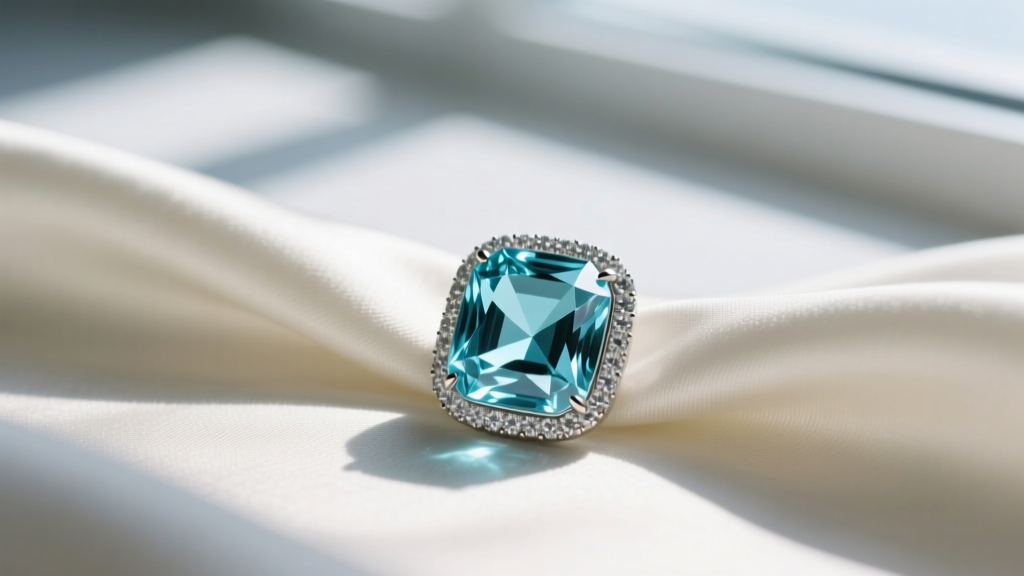
Aquamarine, the blue variety of beryl, has long been associated with clarity of mind, courage, and safe travels. It is the perfect talisman for a recent college graduate entering the corporate world or a partner launching a startup. The most prized color is a deep, moderately strong blue, though the market is currently flooded with pale, washed-out stones. Gifting Tip: Insist on an 'Santa Maria' or 'Espirito Santo' color grade when shopping. Because aquamarine forms in large crystals, you can easily gift a stunning 3-to-5 carat emerald-cut pendant without breaking the bank, making a bold, high-impact statement.
3. The 'Push Present' or Rare Achievement: Tanzanite
Tanzanite is found in only one place on Earth: a five-square-mile mining area near Mount Kilimanjaro. With deep-shaft mining becoming increasingly dangerous and expensive, high-quality tanzanite is facing a severe supply squeeze, pushing premium prices up significantly over the last three years. Gifting tanzanite says, 'This achievement is rare, and so are you.' Its trichroic nature means it flashes blue, violet, and burgundy depending on the lighting. Gifting Tip: Because of its perfect cleavage, never gift a tanzanite pendant in a standard four-prong setting. Always opt for a thick 18k yellow gold bezel that completely wraps the girdle of the stone to prevent edge-chipping.
Chain Gauges and Setting Mechanics
A $2,000 pendant is only as secure as the $50 chain holding it. The most common failure point in necklace gifting is a mismatched chain-to-pendant weight ratio.
- Under 3 Grams (Small Sapphires, Topaz): A 1.0mm to 1.2mm cable or box chain in 14k gold is sufficient. Ensure the clasp is a spring-ring or small lobster claw.
- 3 to 8 Grams (Medium Aquamarines, Tanzanite): Step up to a 1.5mm wheat chain or a reinforced rolo chain. Wheat chains distribute weight evenly across their woven links, preventing the 'kinking' that plagues snake chains.
- Over 8 Grams (Large Cabochons, Heavy Lapis): You need a 2.0mm+ chain with a heavy-duty lobster clasp. Consider a 14k or 18k solid gold Figaro chain for maximum tensile strength.
'The bail—the loop connecting the pendant to the chain—is the unsung hero of necklace architecture. For heavy blue gems, avoid soldered jump rings. Always look for a solid, cast bail or a European-style hinged bail that allows the pendant to sit flat against the sternum without flipping.'
The Buyer's Checklist: Treatments and Disclosures
The American Gem Society (AGS) mandates strict disclosure of gemstone treatments. When shopping for a blue gem necklace, use this checklist to ensure you are paying for what you actually get:
- Sapphire: Standard heat treatment is universally accepted and permanent. However, beware of beryllium lattice diffusion, a process that introduces foreign elements to create blue color in otherwise worthless pale stones. Diffused sapphires should be 60-80% cheaper than naturally colored ones.
- Tanzanite: Over 95% of tanzanite on the market is heat-treated to remove brownish undertones and reveal the signature violet-blue. This is stable and expected.
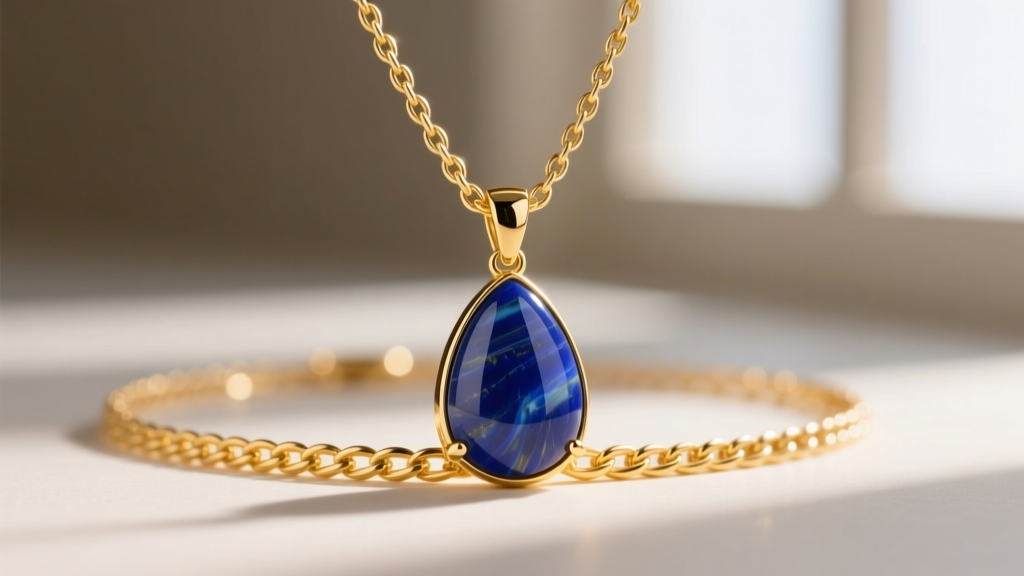
- Lapis Lazuli: High-quality lapis is a deep, uniform royal blue with flecks of golden pyrite. Lower-grade lapis is often dyed. The Test: Wipe the stone with a cotton swab dipped in nail polish remover or rubbing alcohol. If the swab turns blue, the stone has been artificially dyed.
- London Blue Topaz: The deep, inky blue of London Topaz does not exist in nature. It is created by irradiating colorless topaz. While perfectly safe to wear (the radiation dissipates long before it reaches the retail market), it is a treated stone and should be priced accordingly.
Final Gifting Verdict
Selecting the perfect blue gem necklace requires balancing aesthetic desires with mineralogical realities. For the active recipient who will never take the piece off, a heat-treated blue sapphire in a platinum bezel on a 1.5mm wheat chain is an indestructible heirloom. For the fashion-forward graduate, a massive emerald-cut aquamarine set in 18k yellow gold offers unparalleled red-carpet glamour. By understanding the specific gravity, cleavage planes, and market treatments of these stunning stones, your 2026 gift will not only dazzle the recipient but will stand the test of time, wear, and shifting trends.


