Blue Topaz Diamond Necklace Trends & Styling Guide 2026
Explore 2026 trends for the blue topaz diamond necklace. Discover styling frameworks, price matrices, and expert gemological insights.

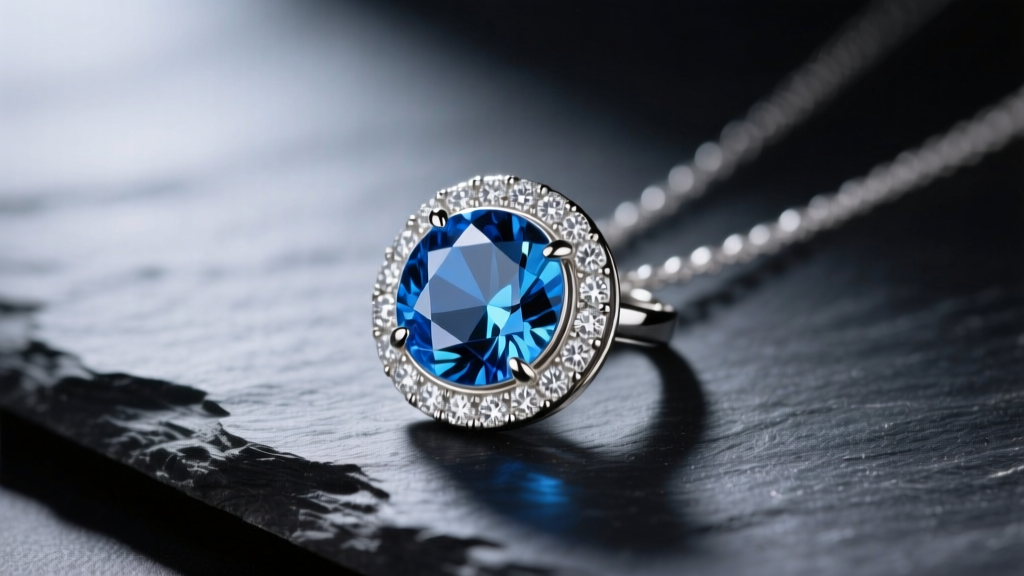
The Resurgence of Cool Tones: Why Blue Topaz is Dominating 2026
As we navigate the jewelry landscape of 2026, a distinct macro-trend has emerged: the shift from the warm, sun-drenched hues of the early 2020s to the crisp, serene cool tones of today. At the forefront of this movement is the blue topaz diamond necklace, a piece that perfectly balances vintage glamour with modern minimalism. While yellow gold and citrine dominated the post-pandemic "dopamine dressing" era, today's consumers are gravitating toward pieces that evoke clarity, calmness, and sophisticated restraint.
According to market analyses reported by JCK Online, colored gemstone sales have seen a double-digit year-over-year increase, with cool-toned stones leading the charge. The blue topaz diamond necklace has become the quintessential entry point for collectors looking to incorporate color into their everyday rotation without venturing into the stratospheric price points of Ceylon sapphires or Paraíba tourmalines. But what exactly makes this specific pairing of icy topaz and brilliant diamonds so resonant right now?
Deconstructing the Trend: Anatomy of a Modern Classic
To truly understand the appeal of the blue topaz diamond necklace, we must break down its gemological and metallurgical components. The synergy between the vitreous luster of topaz and the adamantine brilliance of diamonds creates a high-contrast visual that catches the light beautifully in both natural and artificial settings.
Stone Selection: London, Swiss, and Sky
Not all blue topaz is created equal. The market is currently segmented into three primary commercial shades, each offering a distinct stylistic vibe:
- London Blue: The most coveted and expensive of the trio. It features a deep, inky blue with subtle gray or green undertones. In 2026, London blue is heavily favored for evening wear and statement halos.
- Swiss Blue: A vivid, medium-toned blue that mimics a clear summer sky. This is the most versatile shade for everyday office-to-dinner styling.
- Sky Blue: A pale, icy, almost pastel blue. Sky blue is currently trending in delicate, bezel-set solitaire pendants aimed at the Gen Z and younger millennial demographic.
Diamond Accents and Metal Pairings
The diamonds accompanying the topaz are typically melee stones (under 0.15 carats each). For a high-quality piece, experts at the American Gem Society (AGS) recommend seeking out G-H color and SI1-SI2 clarity for the melee diamonds. This ensures the diamond halo remains bright and white, rather than looking cloudy or yellowish next to the highly transparent topaz. While 18k white gold remains the traditional pairing to enhance the cool tones, 2026 has seen a massive spike in rose gold settings for London blue topaz, creating a striking, high-contrast complementary color scheme.
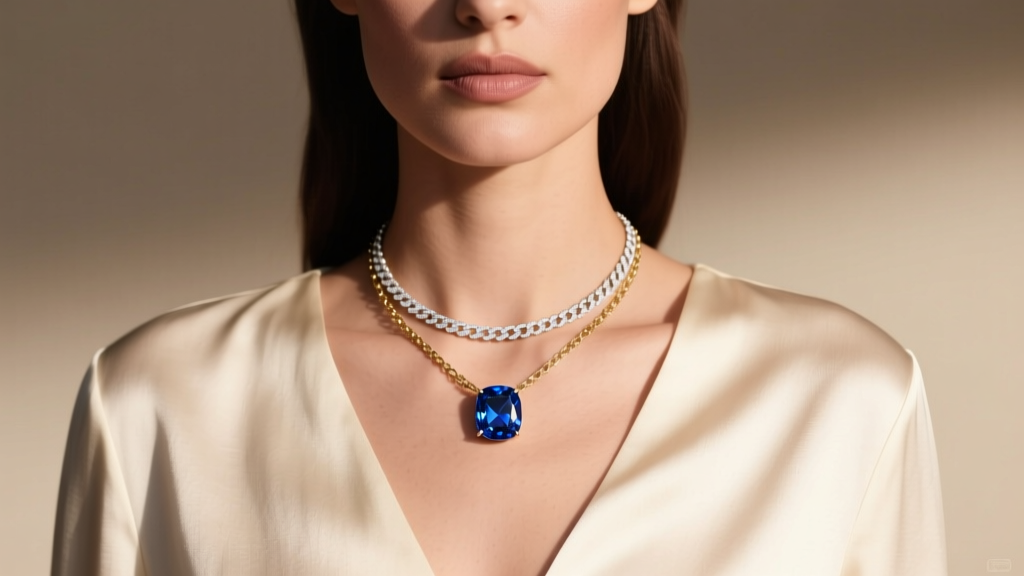
Price Matrix: Market Valuations for 2026
One of the primary drivers of the blue topaz diamond necklace trend is its accessibility. However, "accessible" does not mean "cheap." The craftsmanship required to set a halo of melee diamonds around a precision-cut topaz commands a premium. Below is a comparative pricing matrix based on current 2026 retail averages for a standard 3.00-carat center stone pendant.
| Topaz Shade | Setting Style | Metal | Diamond CTW | Est. Retail Price (USD) |
|---|---|---|---|---|
| Sky Blue | Bezel Solitaire | 14k White Gold | 0.00 (No halo) | $250 - $450 |
| Swiss Blue | Prong Halo | 14k White Gold | 0.25 ct | $600 - $950 |
| London Blue | Pave Halo & Bail | 18k White Gold | 0.40 ct | $1,200 - $1,800 |
| London Blue | Vintage Milgrain | 14k Rose Gold | 0.30 ct | $1,400 - $2,100 |
Note: Prices fluctuate based on the exact cut quality of the topaz (e.g., checkerboard vs. brilliant step cut) and the origin of the melee diamonds.
Styling Frameworks: Necklines and Layering Techniques
A blue topaz diamond necklace is highly versatile, but its impact is heavily dependent on how it interacts with your wardrobe's necklines. Here is a practical styling framework for 2026:
The V-Neck and Plunge Line
For deep V-necks, opt for a Swiss or London blue topaz pendant on a 18-inch or 20-inch rope chain. The elongated silhouette of the chain mirrors the neckline, while the dark, saturated blue of the London topaz provides a grounding anchor to the outfit. Avoid heavy chokers here, as they visually chop the neck and clash with the garment's geometry.
The Boatneck and Scoop Neck
Boatnecks demand horizontal balance. A layered approach works best here. Start with a 14-inch choker featuring a delicate Sky blue topaz bezel pendant, and layer it with a 16-inch 14k white gold paperclip chain. The mixed textures (the smooth bezel vs. the geometric paperclip links) create a curated, effortless look that draws the eye across the collarbone.
High-Collar and Turtleneck Styling
When wearing high collars, the necklace must sit completely outside the fabric line. Utilize a 22-inch or 24-inch opera-length chain featuring a graduated suite of blue topaz and diamond stations. This elongates the torso and prevents the jewelry from getting lost in the folds of heavy winter knits.
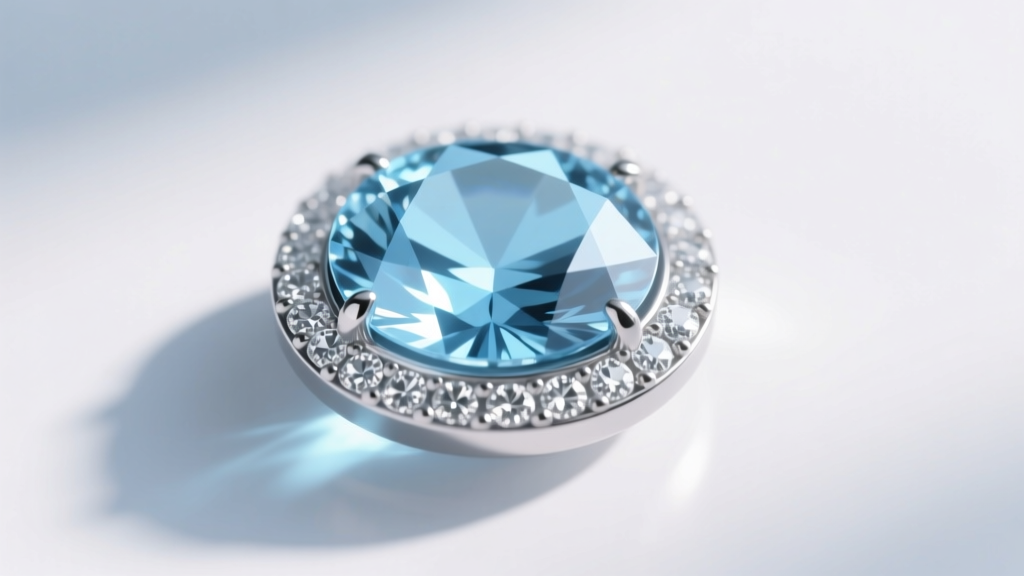
Authenticity and Treatment Disclosures
As a domain expert, it is crucial to address the gemological reality of blue topaz. Naturally occurring blue topaz is exceedingly rare and typically very pale. The vibrant London, Swiss, and Sky blues seen in the market are the result of human intervention. According to the Gemological Institute of America (GIA), colorless topaz is routinely treated with irradiation (using gamma rays, electrons, or neutrons) followed by controlled heat treatment to produce stable blue hues.
This treatment is permanent, safe, and universally accepted in the jewelry industry. However, ethical jewelers must disclose this treatment at the point of sale. When purchasing a blue topaz diamond necklace, always request a gemological report or a detailed invoice that explicitly states the topaz has been "irradiated and heated." Furthermore, while topaz ranks an 8 on the Mohs hardness scale—making it highly resistant to scratching—it possesses perfect basal cleavage. This means a sharp, hard knock against a marble countertop can split the stone. For active lifestyles, always choose a bezel or a protective halo setting that shields the vulnerable girdle of the topaz.
Final Verdict: Investment Piece or Passing Fad?
The blue topaz diamond necklace is far more than a fleeting seasonal trend; it is a modern wardrobe staple. Its ability to bridge the gap between affordable luxury and high-impact visual appeal makes it a cornerstone of 2026 jewelry styling. Whether you are investing in a moody London blue halo piece for black-tie events or a delicate Sky blue layering pendant for daily wear, the combination of icy topaz and brilliant diamonds offers a timeless elegance that will outlast the current trend cycle. By understanding the nuances of color grading, metal pairings, and protective settings, you can confidently select a piece that will remain a cherished fixture in your jewelry box for decades to come.


