Rose Gold Evil Eye Necklace: Material Guide & Alloy Comparison
Compare 14k, 18k, and vermeil rose gold evil eye necklaces. Learn how copper alloys affect durability, enamel inlays, and skin reactions.

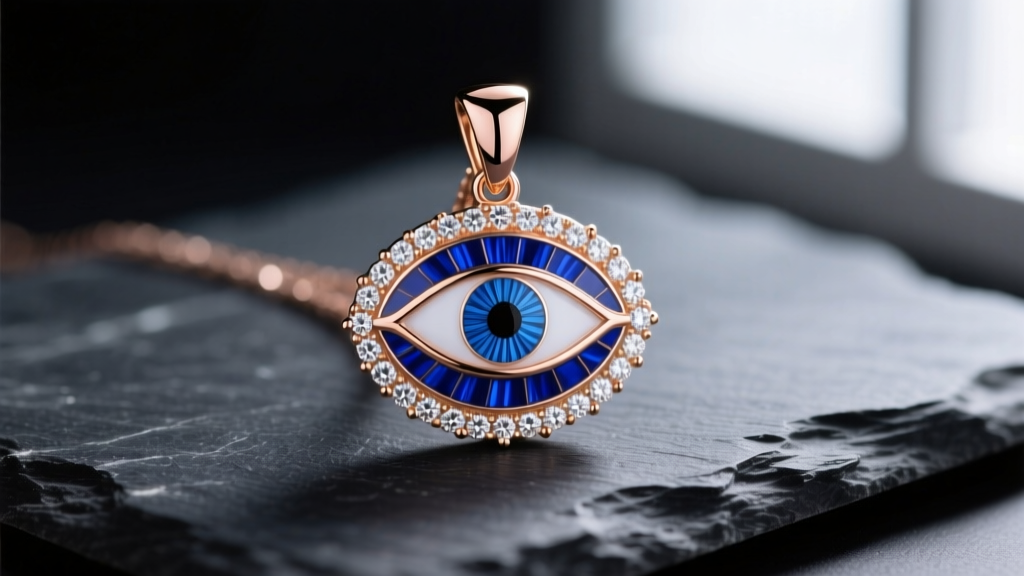
The Metallurgy of Rose Gold: Why Copper Matters
When shopping for a rose gold evil eye necklace, the first thing to understand is that rose gold does not exist in nature. It is an engineered alloy of pure yellow gold, copper, and occasionally small amounts of silver or zinc. The signature blush-pink hue is entirely dependent on the copper content. According to the Gemological Institute of America (GIA), the higher the copper percentage, the deeper and more pronounced the red or pink tint. However, copper is a highly reactive metal. This fundamental metallurgical truth dictates everything about the necklace's longevity, its interaction with skin chemistry, and its structural compatibility with the delicate enamel or gemstone inlays typical of evil eye pendants.
Solid 14k vs. 18k Rose Gold: Durability and Color
The choice between 14k and 18k solid rose gold is the most common dilemma for fine jewelry buyers. The difference lies in the gold-to-copper ratio, which drastically alters both the color profile and the Vickers hardness of the metal.
18k Rose Gold (75% Gold, ~22.25% Copper, ~2.75% Silver)
18k rose gold offers a softer, more subtle peach-pink tone. Because it contains a higher percentage of pure gold, it is inherently softer and more malleable. While this makes it excellent for intricate metalwork, it poses a risk for the prongs securing the center 'pupil' stone (often a sapphire, onyx, or diamond) in an evil eye pendant. Over years of daily wear, 18k prongs can bend or wear down, requiring more frequent jeweler inspections.
14k Rose Gold (58.3% Gold, ~31% Copper, ~10% Silver)
14k rose gold features a richer, more vibrant pink-copper color due to the higher copper content. More importantly, the increased copper and silver alloys significantly raise the metal's tensile strength and scratch resistance. For an everyday talisman like an evil eye necklace, 14k is generally the superior choice. A 1.2mm 14k rose gold cable chain will resist kinking and snapping far better than an equivalently sized 18k chain.
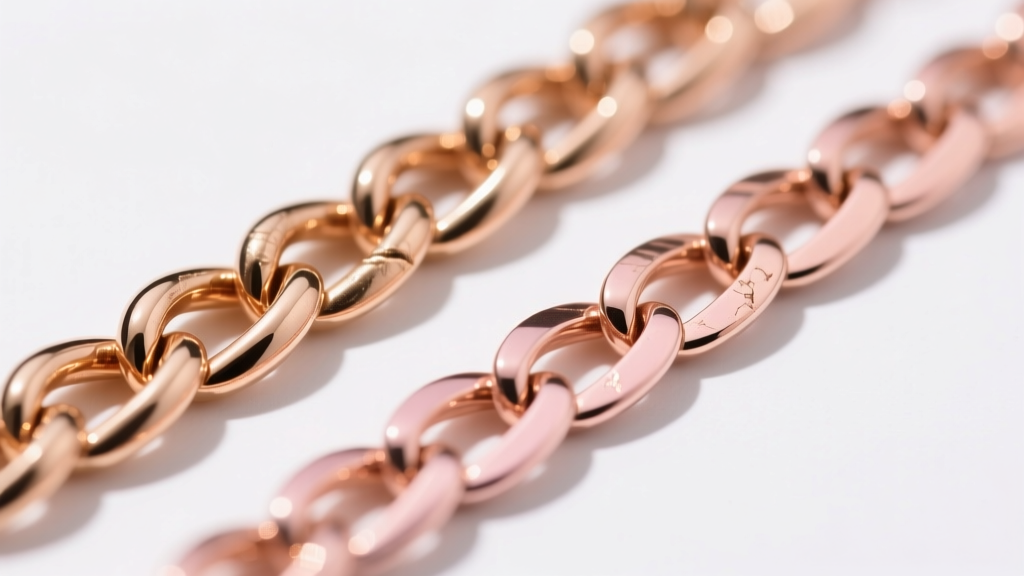
The Enamel and Inlay Factor
Evil eye pendants frequently utilize guilloché enamel (fused glass) or inlaid turquoise and mother-of-pearl. Here, the copper content becomes a critical factor regarding thermal expansion. Copper expands and contracts at a different rate than glass enamel or organic gemstones. If you wear a high-copper 14k rose gold evil eye necklace in a hot tub or sauna, the metal will expand faster than the enamel center. This mismatch in the coefficient of thermal expansion can cause 'crazing'—microscopic spiderweb fractures in the enamel that permanently ruin the pendant's finish.
Vermeil and Plated Alternatives: Assessing the Lifespan
Not all rose gold evil eye necklaces are solid. The market is flooded with plated alternatives, and understanding the Federal Trade Commission (FTC) guidelines on metal plating is essential to avoid overpaying for short-lived jewelry.
- Gold Vermeil: By legal definition, vermeil must have a sterling silver (.925) base and be plated with at least 2.5 microns of gold. A high-quality rose gold vermeil evil eye necklace will last 2 to 5 years with careful wear before the silver base begins to show through at high-friction points.
- Heavy Gold Electroplate (HGE):strong> This can be applied to base metals like brass but must also meet the 2.5-micron minimum thickness. It is durable but lacks the intrinsic value of a silver base.
- Flash Plating: Often found in fast-fashion evil eye necklaces, flash plating is a mere 0.05 to 0.1 microns thick. The rose gold color will rub off within weeks of daily wear, exposing the underlying brass or copper alloy.
- PVD Coating: A modern alternative gaining traction in 2026, Physical Vapor Deposition bonds a rose gold-toned titanium nitride layer to stainless steel. It is virtually untarnishable and highly scratch-resistant, though it lacks the actual gold content of traditional pieces.
| Material Type | Base Metal | Gold Layer / Purity | Expected Lifespan (Daily Wear) | Avg. Price Range |
|---|---|---|---|---|
| Solid 14k Rose Gold | N/A (Solid Alloy) | 58.3% Pure Gold | Lifetime (Generational) | $350 - $850 |
| Solid 18k Rose Gold | N/A (Solid Alloy) | 75.0% Pure Gold | Lifetime (Generational) | $500 - $1,200+ |
| Rose Gold Vermeil | Sterling Silver | ≥ 2.5 Microns | 2 - 5 Years | $80 - $180 |
| PVD Rose Gold | Surgical Steel | Titanium Nitride (No Gold) | 5 - 10 Years | $45 - $90 |
| Flash Plated | Brass / Copper | < 0.1 Microns | 1 - 3 Months | $15 - $40 |
Skin Chemistry and the 'Green Neck' Phenomenon
The most common complaint regarding rose gold jewelry is the dreaded green or black smudge left on the collarbone. This is not an allergy to gold, but a direct chemical reaction involving the copper in the rose gold alloy. When copper is exposed to oxygen, moisture (sweat), and the lactic acid naturally present in human skin, it oxidizes to form copper chloride or copper sulfate—compounds that are green or black and easily transfer to the skin.
Individuals with highly acidic skin pH, or those who frequently use skincare products containing alpha-hydroxy acids (AHAs), retinoids, or heavy sulfates, will accelerate this oxidation process. If you are investing in a 14k solid rose gold evil eye necklace and have acidic skin, consider asking a jeweler to apply a microscopic layer of clear rhodium plating to the back of the pendant. This creates an invisible, inert barrier between the copper alloy and your skin without altering the beautiful pink face of the evil eye.
Sourcing and Pricing Benchmarks
When evaluating a rose gold evil eye necklace, the price should directly reflect the material integrity and the quality of the 'eye' components. In the current market, a genuine solid 14k rose gold pendant featuring a hand-painted enamel center and a pavé diamond halo (approx. 0.15 CTW) will reliably fall between $450 and $750 from reputable direct-to-consumer fine jewelers. Conversely, if a brand is charging over $300 for a piece that is merely 'gold dipped' or vermeil, you are paying a massive premium for branding rather than material value.
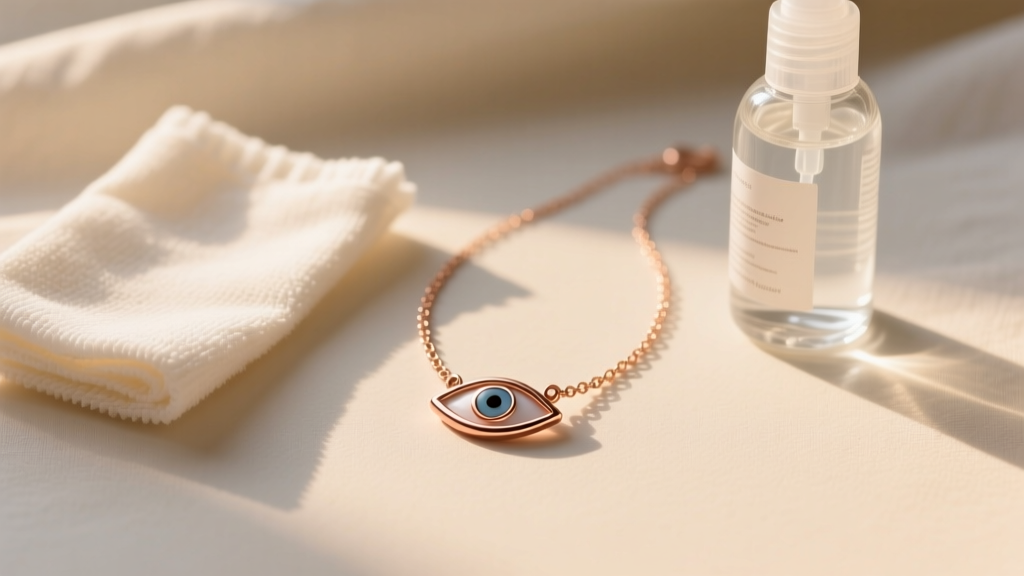
Expert Maintenance Tip: Never use ultrasonic cleaners or harsh chemical dips on a rose gold evil eye necklace. The high-frequency vibrations can shatter the glass enamel or loosen the glue securing mother-of-pearl inlays, while chemical dips will strip the copper from the surface alloy, permanently altering the rose gold color to a brassy yellow. Stick to warm water, a drop of mild dish soap, and a soft baby toothbrush.


