The Necklace Promise: A Complete Value & Budget Guide
Discover how to evaluate a necklace promise for true value. Compare metal grades, gemstone costs, and structural durability in our expert budget guide.

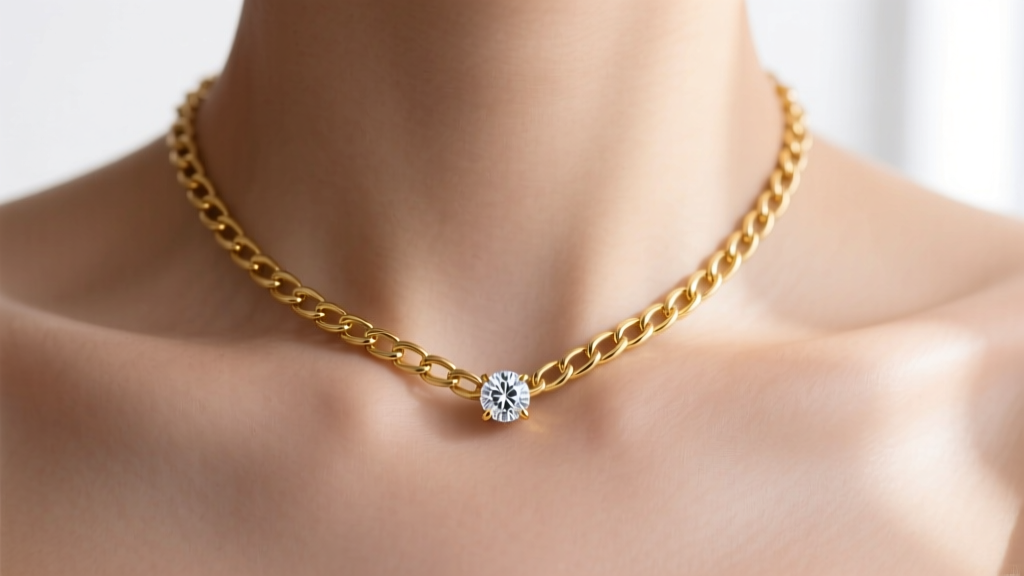
The concept of a 'necklace promise' has rapidly evolved from a niche alternative to engagement rings into a mainstream symbol of modern commitment. Unlike traditional promise rings, which can sometimes feel premature or carry heavy societal expectations, a promise necklace offers a deeply personal, wearable, and versatile token of dedication. However, as the popularity of these pendants surges in 2026, the market has become saturated with overpriced fashion jewelry masquerading as fine jewelry. For buyers looking to invest in a meaningful piece, understanding the intersection of material science, gemstone economics, and structural longevity is critical.
This comprehensive budget and value assessment will guide you through the exact specifications, material grades, and pricing tiers necessary to make an informed purchase. Whether you are allocating a modest $200 budget or a premium $2,000 investment, knowing where to prioritize your spending ensures your necklace promise remains a lasting heirloom rather than a tarnished regret.
The Anatomy of a High-Value Promise Necklace
A true fine jewelry promise necklace consists of three primary value centers: the chain, the pendant setting, and the center gemstone. Many retail brands obscure their margins by heavily marking up the 'sentimental value' of the piece while cutting corners on the metallurgical quality of the chain. To assess true value, you must decouple the emotional marketing from the physical commodities. The most common failure point in budget promise necklaces is not the gemstone, but the chain snapping or the plating wearing off within months of daily wear.
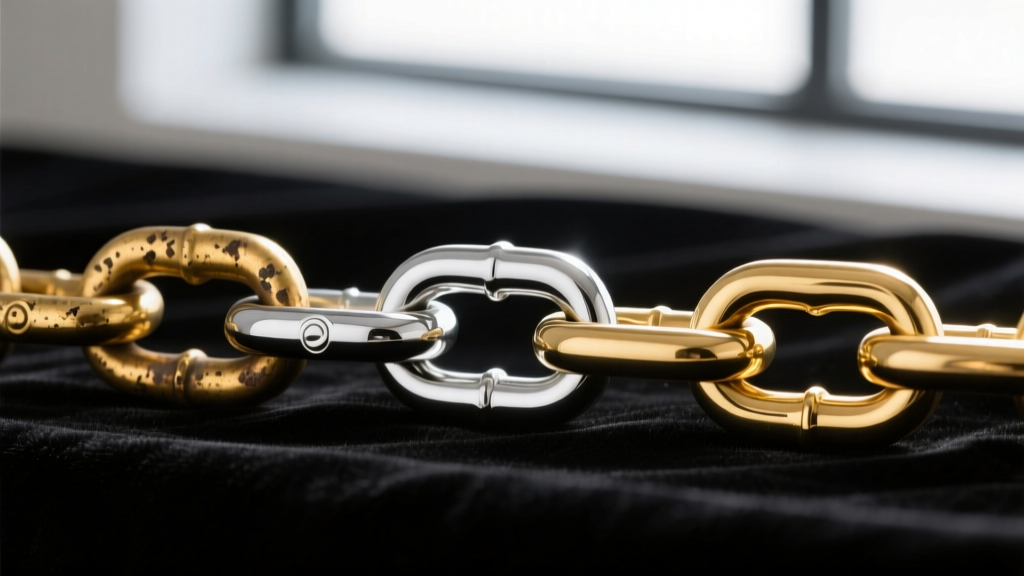
When evaluating a piece, always look for solid metal construction rather than hollow-core or plated alternatives. According to the FTC Jewelry Guides, terms like 'gold plated' and 'gold vermeil' have strict legal definitions regarding the thickness of the gold layer, but even the highest quality vermeil (2.5 microns of gold over sterling silver) will eventually wear through with daily friction against the skin and clothing. For a promise necklace meant to symbolize enduring commitment, solid metals are the only financially sound choice.
The Value Matrix: Material Grades vs. Price Tiers
Selecting the right metal is the most impactful decision in your budget allocation. Below is a comparative matrix of the most common metals used in promise pendants, evaluating their 2026 market pricing, durability, and long-term value retention.
| Metal Grade | Purity / Composition | Avg. Chain Cost (16-18') | Durability & Wear | Value Retention |
|---|---|---|---|---|
| Sterling Silver (925) | 92.5% Silver, 7.5% Copper | $40 - $90 | Prone to tarnish; soft, scratches easily. | Low (Scrap value is negligible) |
| 10k Solid Gold | 41.7% Gold, 58.3% Alloys | $120 - $180 | Highly durable, stiff; can cause skin reactions. | Moderate |
| 14k Solid Gold | 58.5% Gold, 41.5% Alloys | $180 - $350 | Excellent balance of hardness and rich color. | High (Retains intrinsic gold value) |
| 18k Solid Gold | 75% Gold, 25% Alloys | $300 - $600 | Softer, prone to micro-scratches; rich yellow hue. | Very High |
| Platinum (950) | 95% Platinum, 5% Ruthenium | $600 - $1,200+ | Extremely dense, hypoallergenic, develops a patina. | Exceptional |
For the vast majority of buyers, 14k solid gold represents the ultimate sweet spot for a necklace promise. It provides the prestigious appearance and intrinsic value of gold while maintaining the structural rigidity required to support a pendant without stretching or snapping. White gold is also popular but requires rhodium plating every 12 to 18 months to maintain its bright white appearance, adding hidden long-term maintenance costs to your budget.
Gemstone Economics: Maximizing Budget Without Sacrificing Sparkle
The center stone of a promise necklace is where budgets are most frequently blown. While natural diamonds have historically been the default, the 2026 jewelry market has completely shifted. Lab-grown diamonds have achieved price parity with high-end simulants while offering identical optical and chemical properties to mined diamonds. According to the Gemological Institute of America (GIA), lab-grown diamonds are graded on the exact same 4Cs scale as natural stones, providing consumers with verifiable quality assurance.
If your total budget is $800, spending $600 on a 0.25-carat natural diamond pendant leaves only $200 for a subpar, thinly plated chain. Conversely, allocating $250 for a high-quality 0.50-carat lab-grown diamond (typically VS clarity, F-G color) leaves $550 for a robust, solid 14k gold box chain and a premium bezel setting. This reallocation dramatically increases the visual impact and structural longevity of the necklace.
Alternative Gemstones for the Budget-Conscious
- Moissanite: Offers superior brilliance and fire compared to diamonds at roughly 10% of the cost. However, its distinct double-refraction can sometimes give it away as a diamond simulant to a trained eye.
- White Sapphire: A natural, highly durable stone (9 on the Mohs scale) that is significantly cheaper than diamonds. It lacks the intense scintillation of a diamond but offers a beautiful, icy, understated elegance.
- Morganite or Aquamarine: For buyers who prefer color, these beryl-family gems offer excellent clarity and size-to-price ratios, though they require protective settings like halos or bezels due to their relative brittleness.
Structural Integrity: Hidden Costs and Failure Modes
A promise necklace is only as valuable as its weakest structural link. When assessing value, you must scrutinize the chain gauge, the link style, and the clasp mechanism. Many budget brands use 0.7mm or 0.9mm cable chains to save on gold weight. While these look delicate and feminine, they are highly susceptible to kinking and snapping when subjected to the pendulum effect of a heavy pendant.
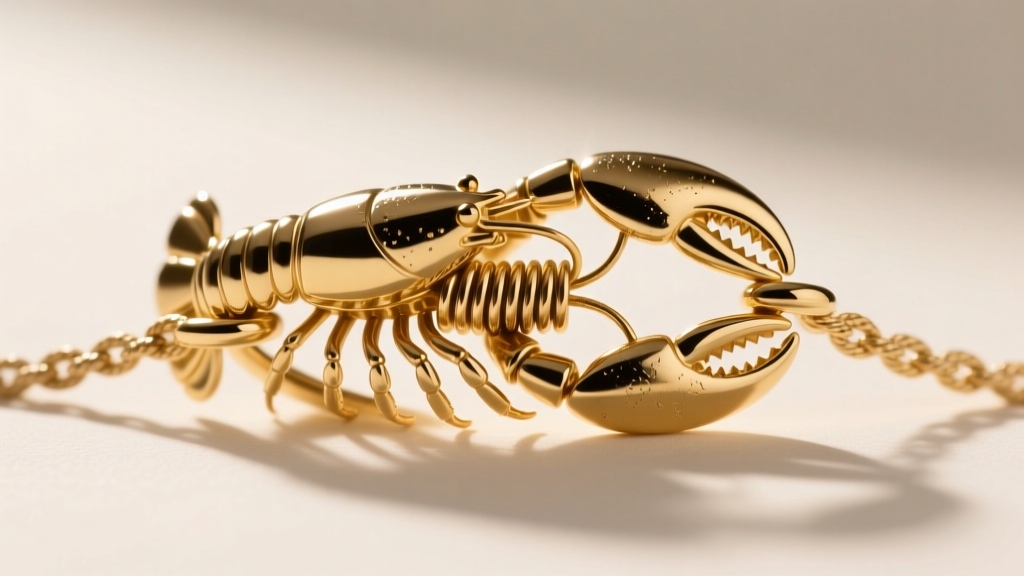
For optimal durability, seek out a 1.0mm to 1.5mm box chain or rope chain. Box chains feature interlocking square links that distribute tension evenly, making them incredibly resistant to snapping. Furthermore, the clasp is a critical failure point. Spring-ring clasps—the small, perfectly circular ones with a tiny lever—are notoriously difficult to operate and suffer from internal spring fatigue, often popping open unexpectedly. Always insist on a lobster clasp, which features a heavier, more secure spring mechanism and a larger surface area for the jump ring to rest against.
The 2026 Buying Framework: Where to Allocate Your Budget
To ensure you are getting genuine value, apply the 40/40/20 Rule to your necklace promise budget:
- 40% on the Chain and Setting: Do not skimp on the metal. A heavy, solid 14k gold chain ensures the piece survives daily wear and retains intrinsic scrap value.
- 40% on the Center Gemstone: Prioritize cut quality over carat weight. A brilliantly cut 0.40-carat lab diamond will outshine a poorly cut 0.75-carat stone, maximizing visual value.
- 20% on Craftsmanship and Details: Allocate the remainder for secure bezel settings (which protect the stone's girdle from chipping), laser-engraved hallmarks, and reputable brand warranties that cover chain repairs or rhodium replating.
'A true promise necklace is an exercise in balanced engineering. The sentiment it carries is weightless, but the materials holding it must be built to withstand the gravity of daily life.' — Master Jeweler's Adage
Ultimately, the value of a necklace promise is not dictated by the brand name stamped on the box, but by the transparency of its materials and the integrity of its construction. By demanding solid metals, verifiable gemstone origins, and robust structural components, you ensure that your symbol of commitment is built to last a lifetime.


