How to Style a Bondage Necklace: A Beginner's Guide
Discover how to style a bondage necklace for everyday wear. Learn about materials, O-ring chokers, harness collars, and sizing in this beginner guide.

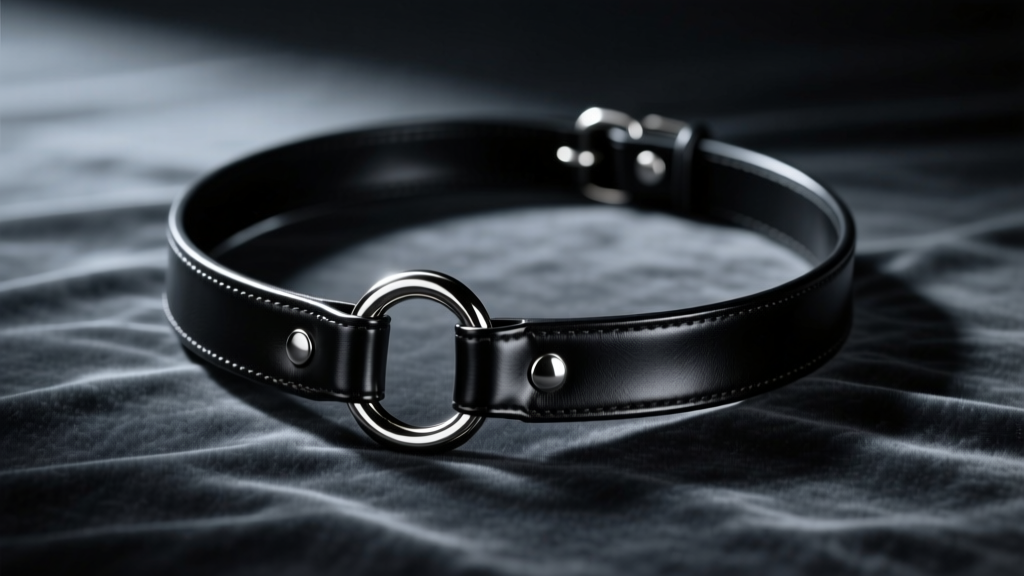
The world of alternative jewelry has profoundly influenced mainstream fashion over the last decade. Once confined to specific subcultures, the bondage necklace has emerged as a striking, avant-garde accessory that bridges the gap between edgy streetwear and high-fashion editorial looks. Whether it is a minimalist leather O-ring choker or an intricate metal chest harness, these pieces command attention and elevate basic outfits into bold style statements.
However, for those new to alternative jewelry, navigating the hardware, materials, and styling nuances can feel intimidating. This beginner-friendly explainer will demystify the bondage necklace, offering expert insights into material grades, precise sizing frameworks, and actionable styling techniques to help you wear these pieces with confidence.
The Crossover: From Subculture to the Runway
To understand how to style a bondage necklace today, it helps to recognize its roots. Historically, hardware-heavy necklaces and collars were deeply embedded in the punk fashion movement and underground club scenes, serving as visual markers of rebellion and subcultural identity. According to extensive archives on choker history and evolution, the tight-fitting neckband has cycled through various eras—from Victorian ribbon chokers to the grunge-era tattoo chokers of the 1990s.
Today, the modern bondage necklace strips away the purely shock-value elements and focuses on architectural silhouettes. Designers have reimagined D-rings, O-rings, and harness straps as sophisticated structural elements. The result is a versatile category of jewelry that ranges from subtle, office-appropriate leather bands to dramatic, multi-strap metal harnesses designed for evening wear.
Decoding the Hardware: Materials and Grades
The longevity and comfort of a bondage necklace depend entirely on its material composition. Cheap alternatives will tarnish, snap, or cause contact dermatitis. When shopping, always scrutinize the hardware and the strap materials.
Metals and Alloys
The rings, clasps, and chains bear the brunt of the tension in these necklaces.
- 316L Surgical Stainless Steel: This is the gold standard for alternative jewelry. It is hypoallergenic, highly resistant to tarnish, and possesses the necessary tensile strength to support heavy O-rings without warping. It has a slightly darker, cooler tone than silver.
- 304 Stainless Steel: A step down from 316L but still highly durable and rust-resistant. It is commonly used in mid-tier jewelry.
- Zinc Alloy / Pot Metal: Often found in fast-fashion pieces under $15. These are lightweight but brittle. The plating will chip within weeks, exposing skin to nickel and causing the metal to turn green or snap under the weight of a heavy pendant.
Leather and Vegan Alternatives
The strap material dictates how the necklace drapes and ages against your skin.
- Full-Grain Leather: The highest quality option. It is thick, durable, and will mold to the unique contour of your neck over time. It requires occasional conditioning but can last a lifetime.
- Genuine Leather (Top-Grain): Sanded and treated to look uniform. It is softer and more pliable out of the box but lacks the decades-long durability of full-grain.
- PU (Polyurethane) Vegan Leather: A cruelty-free and budget-friendly option. While modern PU leather has improved in texture, it lacks breathability and will eventually crack or peel along the stress points near the clasps after 1 to 2 years of regular wear.
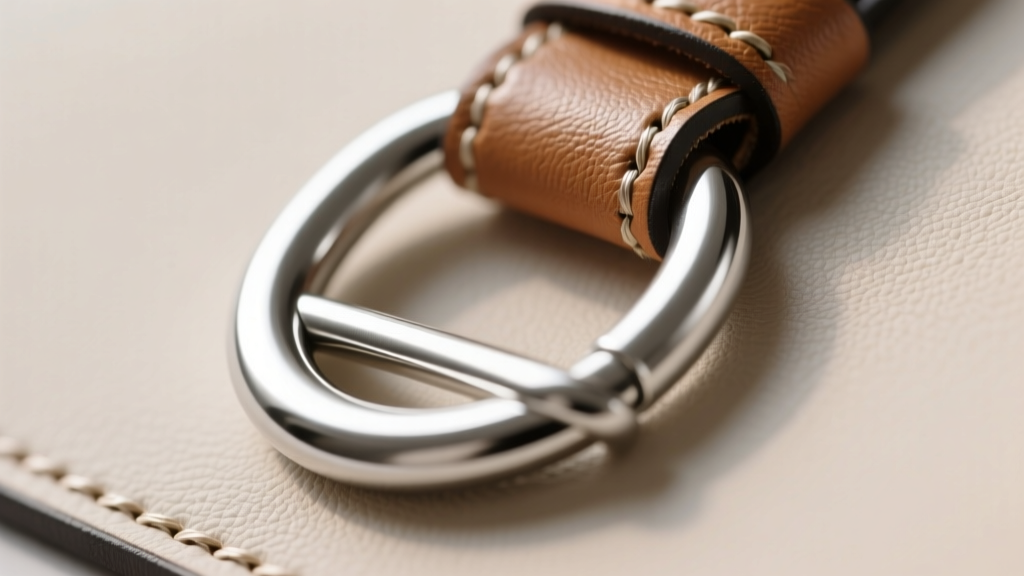
Sizing and Fit: Choker vs. Collar vs. Harness
Unlike standard chain necklaces that drape loosely, a bondage necklace relies on precise tension and placement. A fit that is too tight will restrict movement and cause discomfort, while one that is too loose will sag and ruin the architectural intent of the piece.
| Style Category | Ideal Neck Measurement | Standard Jewelry Length | Fit Profile |
|---|---|---|---|
| Tight Choker | 12" - 13.5" | 14 inches | Sits high on the neck, snug against the skin. Ideal for thin O-ring styles. |
| Standard Collar | 14" - 15.5" | 16 inches | Rests comfortably at the base of the neck. Best for wider leather bands with heavy hardware. |
| Relaxed Collar | 16" - 17.5" | 18 inches | Sits on the collarbone. Used for layered chain bondage styles or harness anchors. |
| Chest Harness | N/A (Torso) | Adjustable | Straps wrap around the shoulders and ribcage. Must feature sliding O-ring adjusters. |
Pro Measuring Tip: Never use a rigid ruler. Wrap a flexible fabric measuring tape around your neck at the exact height you want the necklace to sit. Add half an inch to that measurement for a snug choker fit, or a full inch for a comfortable collar fit. If purchasing a non-adjustable piece, always check if the brand includes an extender chain.
3 Beginner-Friendly Ways to Wear a Bondage Necklace
Integrating heavy hardware into a daily wardrobe requires a balanced approach to styling. The goal is to let the jewelry act as the focal point without overwhelming your entire silhouette.
1. The High-Low Contrast
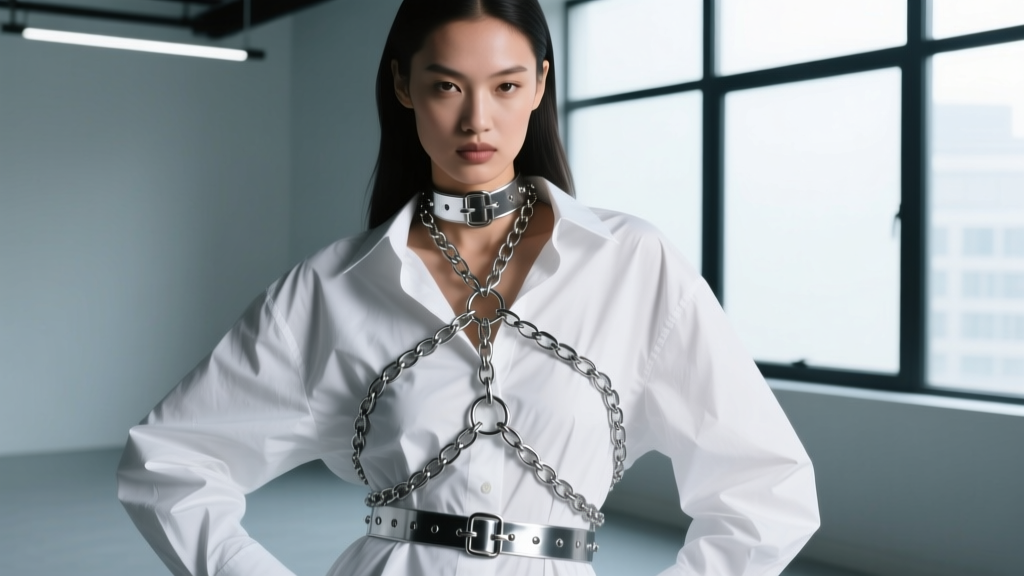
The most effective way to style a metal chain bondage harness or a spiked leather collar is through stark contrast. Pair the aggressive, dark hardware with crisp, clean, and traditionally conservative garments. A heavy O-ring leather choker worn over a pristine white oversized button-down shirt or a fine-gauge merino wool turtleneck creates a striking visual tension that looks intentional and high-fashion.
2. The Minimalist Office O-Ring
For environments that require a more subdued aesthetic, opt for a micro-choker. Choose a very thin band of black vegan leather (under 10mm wide) featuring a small, polished 316L steel O-ring (no larger than 1 inch in diameter). This provides the structural edge of a bondage necklace while remaining subtle enough to pass as a minimalist geometric pendant in professional settings.
3. Layering with Delicate Chains
If a standalone collar feels too intense, use it as an anchor for layering. Wear a 16-inch leather bondage collar tight to the base of your neck, and layer it with two or three delicate 20-inch and 24-inch gold or silver chains. The delicate chains soften the harsh lines of the leather and hardware, bridging the gap between alternative edge and classic elegance.
Care and Maintenance for Alternative Hardware
Because bondage necklaces combine porous organic materials (leather) with rigid metals, they require a specific maintenance routine to prevent degradation.
- Leather Care: Keep genuine leather away from excessive moisture and perfume sprays, which can break down the natural oils. Once a month, apply a light coat of mink oil or a dedicated leather conditioner to prevent the strap from drying out and cracking near the D-ring stress points.
- Hardware Polishing: Even surgical steel can accumulate skin oils and soap residue, leading to a dull appearance. Wipe the O-rings and clasps down with a microfiber cloth after heavy wear. For stubborn tarnish on mixed-metal pieces, use a gentle jewelry polishing cloth rather than harsh chemical dips, which can strip protective coatings.
- Storage: Never toss a bondage necklace into a crowded jewelry box. The heavy metal rings will crush delicate chains and scratch softer gemstones. Hang collars on a dedicated jewelry rack or lay them flat in a velvet-lined drawer to maintain the structural integrity of the leather.
Where to Shop: Price Tiers and Brand Examples
Understanding the market will help you allocate your budget effectively and avoid overpaying for poorly constructed pieces.
- Budget / Fast Fashion ($10 - $30): Brands like ASOS or fast-fashion retailers offer trendy PU leather and zinc-alloy pieces. These are suitable for occasional wear, costume parties, or testing out the aesthetic before committing to a higher-quality piece.
- Mid-Tier Alternative ($45 - $120): Specialized alternative jewelry brands and independent Etsy artisans dominate this space. Here, you will find genuine 316L stainless steel hardware paired with high-quality vegan or top-grain leather. The stitching is reinforced, and the clasps are heavy-duty lobster claws rather than cheap spring rings.
- Designer / Artisan ($150 - $500+): High-end avant-garde designers and luxury alternative brands utilize full-grain, vegetable-tanned leathers, solid brass or sterling silver hardware, and bespoke hand-stitching. These pieces are treated as wearable art and are built to last a lifetime, often featuring custom-forged O-rings and signature structural silhouettes.
Ultimately, a bondage necklace is more than just an accessory; it is an architectural statement piece. By prioritizing high-grade materials like 316L steel and full-grain leather, mastering your exact neck measurements, and utilizing high-contrast styling techniques, you can seamlessly integrate this bold aesthetic into your personal wardrobe.


