Buying a Charm Necklace Rose Gold: Value & Budget Guide
Discover the true value of a charm necklace rose gold piece. We compare vermeil, gold-filled, and solid 14k options to help you budget wisely.

The Real Cost of Rose Gold: Understanding the Alloy
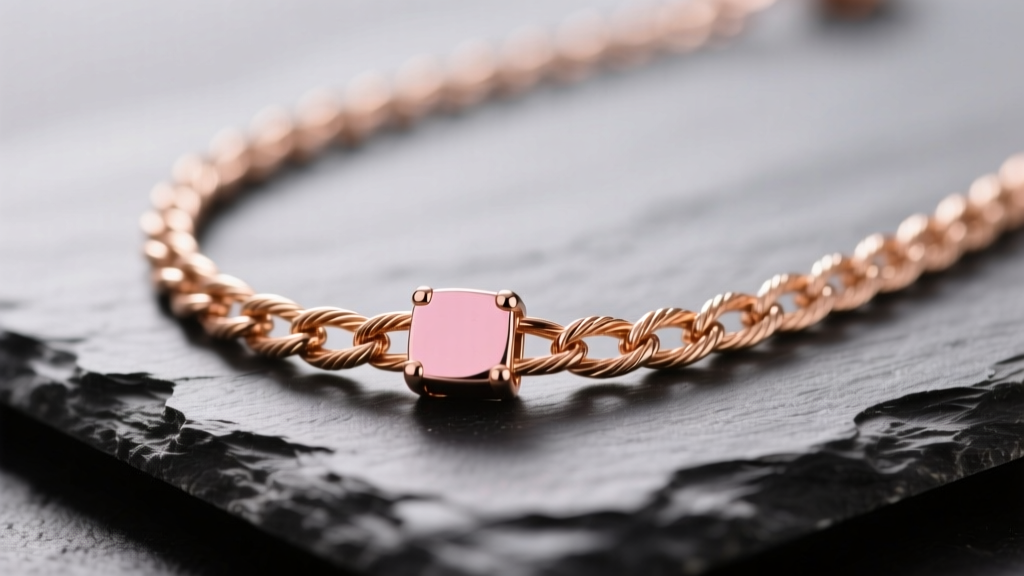
When shopping for a charm necklace rose gold collectors and first-time buyers alike are often captivated by the warm, vintage-inspired pink hue. However, assessing the true value of these pieces requires looking past the color and understanding the metallurgy. Rose gold is not a naturally occurring metal; it is an alloy. According to the Gemological Institute of America (GIA), 14k rose gold typically consists of 58.3% pure gold, with the remaining 41.7% made up of copper and a small amount of silver. The copper is what gives the metal its signature blush tone while simultaneously increasing its tensile strength compared to yellow gold.
From a budget perspective, this alloy composition is critical. Because copper is significantly less expensive than pure gold or silver, rose gold alloys can sometimes be priced slightly lower than their white gold counterparts (which require costly rhodium plating and higher palladium or nickel content). However, the real value assessment comes down to how that rose gold is applied to your necklace. Are you paying for a solid 14k chain and cast charms, or are you paying a premium for a brass base with a microscopic layer of rose gold plating?
Material Breakdown: What You Are Actually Paying For
Charms experience an unusually high amount of friction. They slide along the chain, rub against one another, and are frequently handled. This makes the thickness of the gold layer the single most important factor in your budget assessment. The Federal Trade Commission (FTC) strictly regulates jewelry metal markings, yet marketing terms can still confuse buyers. Below is a structural breakdown of the materials you will encounter in the market.
| Material Type | Base Metal | Gold Layer / Composition | Avg. Price Range | Estimated Lifespan (Daily Wear) |
|---|---|---|---|---|
| Flash Plated | Brass or Copper | < 0.175 microns | $15 - $35 | 3 - 6 months |
| Rose Gold Vermeil | Sterling Silver (925) | Minimum 2.5 microns | $60 - $120 | 1 - 3 years |
| Gold-Filled (Rose) | Jeweler's Brass | 5% gold by weight (1/20th) | $45 - $90 | 5 - 10 years |
| Solid 10k Rose Gold | N/A (Solid Alloy) | 41.7% pure gold | $150 - $250 | Lifetime |
| Solid 14k Rose Gold | N/A (Solid Alloy) | 58.3% pure gold | $250 - $600+ | Lifetime / Heirloom |
If your budget is under $50, gold-filled is vastly superior to flash plating. The mechanical bonding process of gold-filled wire ensures the rose gold layer will not flake or peel away from the charms. If you are spending over $100, you should absolutely demand solid 10k or 14k rose gold, or at the very least, heavy vermeil with a guaranteed micron thickness.
Assessing the Charms: Cast vs. Stamped Construction
The manufacturing method of the charms themselves heavily dictates the price and durability of your necklace. When evaluating a charm necklace rose gold buyers often overlook the physical construction of the pendants.
Die-Stamped Charms (Budget-Friendly)
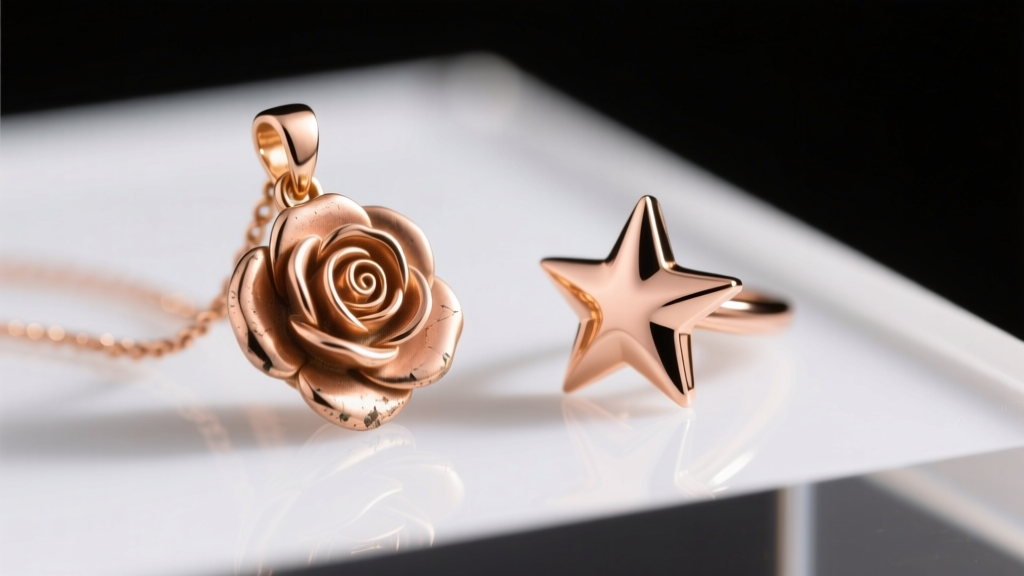
Stamped charms are cut from a flat sheet of metal and pressed into a 3D shape using a high-tonnage die. They are often hollow on the back (domed) to save on metal weight. This makes them lightweight, affordable, and ideal for delicate chains. However, because they are essentially folded metal, they can dent or crush if caught on clothing or subjected to heavy impact. Expect to pay $15 to $40 per stamped solid 10k or 14k charm.
Cast Charms (Investment Tier)
Cast charms are created using the lost-wax casting method, resulting in a solid, three-dimensional piece of metal. They have a noticeable heft and superior structural integrity. A solid 14k rose gold cast charm (like a detailed zodiac sign or an initial) will typically cost between $60 and $150 each, depending on the gram weight. For a high-value piece meant to be worn daily and passed down, cast charms are the superior choice.
The Hidden Costs: Clasps, Jump Rings, and Chain Weights
A true value assessment must include the hardware. The structural integrity of a charm necklace relies entirely on its weakest link—literally.
- Jump Rings: The small ring connecting the charm to the chain must be soldered closed. If the manufacturer uses an open split-ring to save time and labor, your charm will eventually slide through the gap and be lost forever. Always inspect the seam of the jump ring; if you see a split, factor in the cost of having a local jeweler solder it (usually $15-$25).
- Clasps: Budget necklaces often use spring-ring clasps. These are prone to internal spring failure and are difficult to operate with one hand. A high-value necklace will feature a solid lobster clasp, which is more secure and durable.
- Chain Gauge: Charms add weight. A delicate 0.8mm cable chain might look beautiful in the display case, but if you add three heavy cast charms, the chain will snap under the dynamic tension of daily movement. Look for a chain gauge between 1.2mm and 1.5mm to safely support multiple charms.
2026 Market Pricing: What Should You Actually Spend?
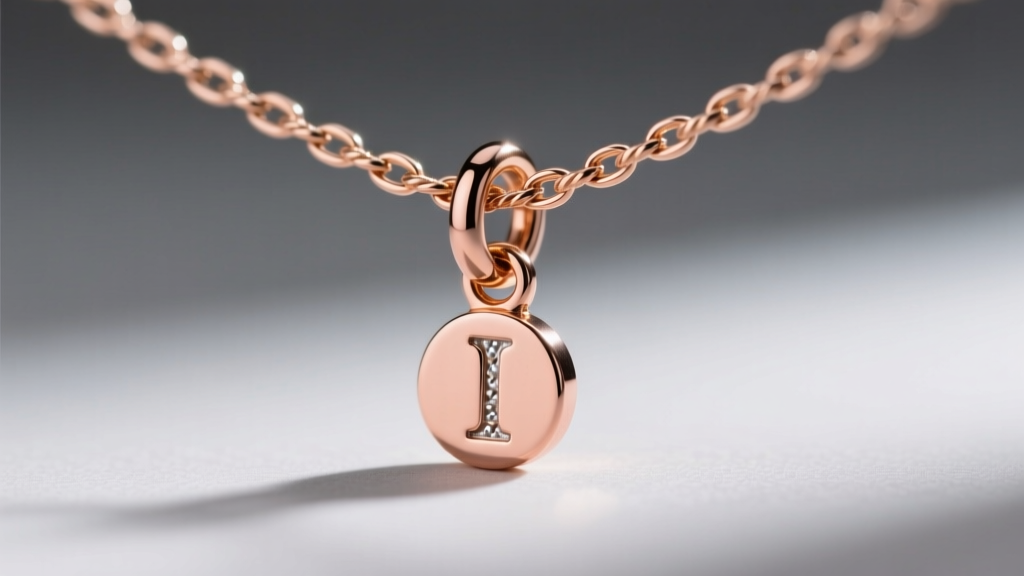
As precious metal markets fluctuate, the baseline cost of copper and gold continues to influence retail pricing. In the current market, a complete, entry-level solid 10k rose gold charm necklace (including a 16-inch chain and one small cast charm) should cost between $180 and $250. If a retailer is offering a 'solid gold' charm necklace for $50, it is almost certainly mislabeled flash-plated brass.
For a premium 14k rose gold setup featuring a durable rope or box chain and two to three detailed cast charms, expect to invest between $450 and $800. While this requires a higher upfront budget, the cost-per-wear over a 20-year lifespan drops to pennies, whereas a $40 plated necklace that tarnishes and breaks within four months represents a total loss of capital.
Final Verdict: Maximizing Your Budget
To maximize value when buying a charm necklace rose gold enthusiasts should prioritize metal longevity over the sheer quantity of charms. Start with a high-quality, solid 14k or 10k rose gold chain with a secure lobster clasp. Add one or two meaningful, solid cast charms with soldered jump rings. Avoid vermeil or gold-filled options for charms specifically, as the friction points will inevitably wear through the plating, leaving you with a dull, discolored brass or silver pendant. By understanding the alloy composition and construction methods, you can build a necklace that holds both sentimental and intrinsic financial value.


