Daisy Flower Necklace Buying Guide: Metals & Enamel
Discover how to choose the perfect daisy flower necklace. Compare precious metals, enamel types, and chain styles in our expert jewelry buying guide.

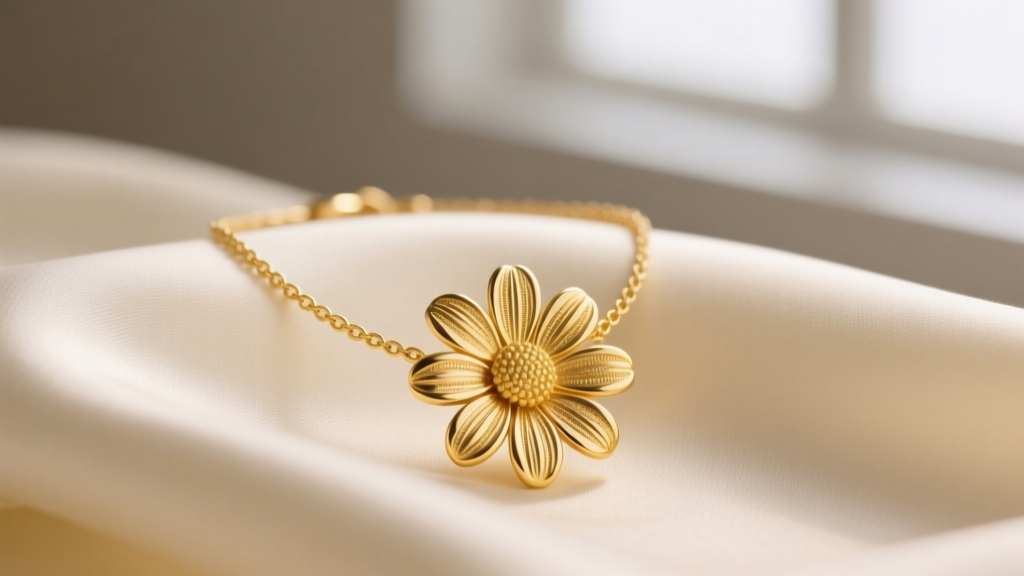
The Enduring Appeal of the Daisy Motif
The daisy flower necklace has transcended its 1970s bohemian roots to become a staple of modern, minimalist jewelry wardrobes. Symbolizing innocence, new beginnings, and purity, the daisy motif offers a versatile aesthetic that bridges the gap between playful and elegant. As we navigate the 2026 jewelry market, consumers are increasingly prioritizing craftsmanship and material longevity over fast-fashion florals. Whether you are seeking a subtle everyday piece or a statement heirloom, understanding the structural nuances of floral jewelry is critical to making a sound investment.
Unlike geometric pendants, floral designs require a masterful balance of negative space, structural integrity, and surface finishing. The petals must be thin enough to appear delicate, yet thick enough to resist bending during daily wear. This comprehensive buying guide will dissect the material science, enamel techniques, and chain pairings necessary to select a high-quality daisy flower necklace that withstands the test of time.
Decoding Metal Choices: Durability vs. Aesthetics
The foundation of any fine floral pendant is its metal alloy. Because daisy petals often feature elongated, tapered shapes, the tensile strength of the metal is paramount. Pure 24k gold is entirely unsuitable for intricate floral motifs due to its malleability; a simple snag on a sweater could permanently warp the petals.
Solid Gold vs. Vermeil vs. Plated
For everyday wear, 14k solid gold (58.5% pure gold) remains the gold standard for daisy pendants. It offers the perfect compromise between the rich luster of gold and the structural rigidity provided by alloy metals like copper and zinc. 18k gold (75% pure) is softer and boasts a deeper yellow hue, making it ideal for pieces with rounded, thicker petals or those set with gemstones, but it requires more careful handling.
If your budget restricts you from solid gold, gold vermeil is the next best alternative. By industry standards, vermeil must consist of a sterling silver base plated with at least 2.5 microns of 10k, 14k, or 18k gold. Avoid standard 'gold-plated' or 'gold-filled' brass bases, as the brass will eventually oxidize and turn your skin green, particularly in the deep crevices of a floral casting where moisture and lotions accumulate.
| Metal Type | Durability | Tarnish Resistance | Price Range | Best For |
|---|---|---|---|---|
| 14k Solid Gold | Excellent | High | $250 - $800 | Everyday wear, thin petals |
| 18k Solid Gold | Good | High | $400 - $1,200+ | Heirlooms, gemstone settings |
| Sterling Silver | Good | Low (Requires polishing) | $80 - $200 | Budget-friendly fine jewelry |
| Gold Vermeil | Moderate | Moderate | $100 - $300 | Occasional wear, trend pieces |
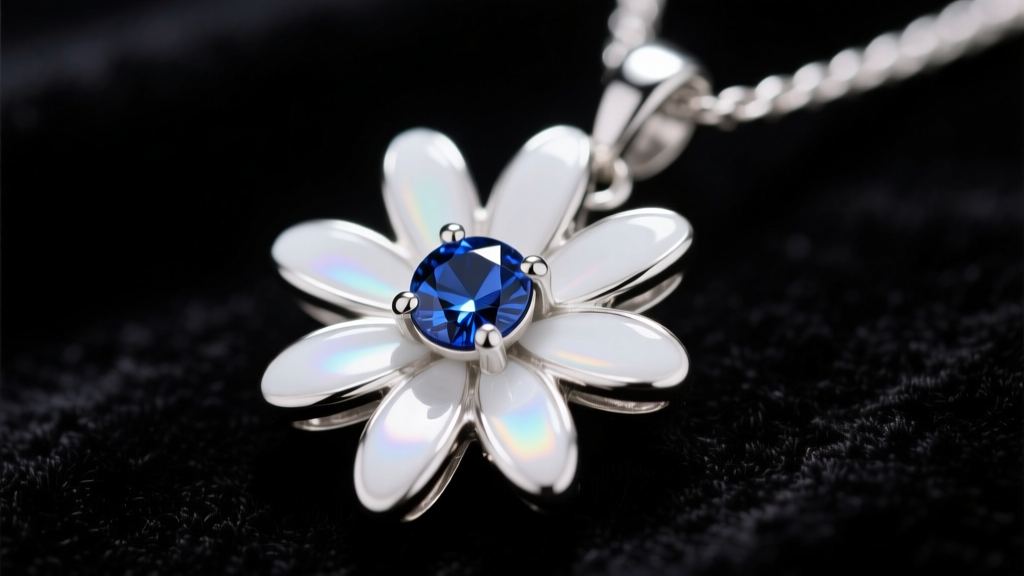
Enamel, Gemstones, or Solid Metal?
The surface treatment of a daisy flower necklace dictates its visual impact and its maintenance requirements. In 2026, we are seeing a massive resurgence in vintage-inspired enamel techniques, alongside the integration of lab-grown diamond accents for added brilliance.
Types of Enamel: Fired vs. Cold
Not all enamel is created equal. If you are purchasing a daisy pendant with colored petals, you must verify the enameling process:
- Vitreous (Fired) Enamel: This traditional technique involves fusing powdered glass to the metal base at temperatures exceeding 1,400°F. The result is a brilliant, scratch-resistant, and permanent color. Guilloché enamel, where the metal base is engine-turned with geometric patterns before the transparent glass is applied, creates a mesmerizing 3D depth in the daisy petals.
- Cold Enamel (Epoxy/Resin):strong> Commonly found in mass-market jewelry, cold enamel is essentially a hardened resin. While it offers vibrant colors at a fraction of the cost, it is highly susceptible to scratching, yellowing from UV exposure, and peeling over time. Avoid cold enamel if you intend to wear the necklace daily or pass it down as an heirloom.
- Plique-à-jour: The pinnacle of enamel artistry. This technique creates a stained-glass effect where the enamel is suspended within the metal framework of the petals without a backing. It is exceptionally fragile and usually reserved for high-end, museum-quality artisan pieces.
Gemstone Accents
Many daisy necklaces feature a central gemstone to represent the flower's disc florets. Yellow sapphires, citrines, and champagne diamonds are popular choices for the center, while white diamonds or mother-of-pearl are often used for the petals. When evaluating gemstone accents, look for bezel settings rather than prong settings. Prongs can easily catch on clothing and bend, potentially losing the stone, whereas a bezel encases the gem in a smooth metal rim, providing a flush, snag-free profile ideal for floral motifs.
Selecting the Right Chain and Proportions
A common mistake buyers make is pairing a delicate floral pendant with an overpowering chain. Daisy pendants typically range from 10mm (dainty) to 20mm (statement). The chain must complement, not compete with, the pendant.
For a standard 12mm to 15mm daisy pendant, a 1.0mm to 1.2mm cable chain or a 1.2mm box chain is optimal. Box chains offer superior strength and a modern, geometric contrast to the organic curves of the flower. Rope chains, while beautiful, feature deep grooves that trap dirt and body oils, and their twisted texture visually clashes with the smooth petals of a daisy. Furthermore, always inspect the bail (the loop connecting the pendant to the chain). A high-quality daisy necklace will feature a soldered bail or an integrated hidden bail, ensuring the pendant lays flat against the sternum and does not flip over during movement.
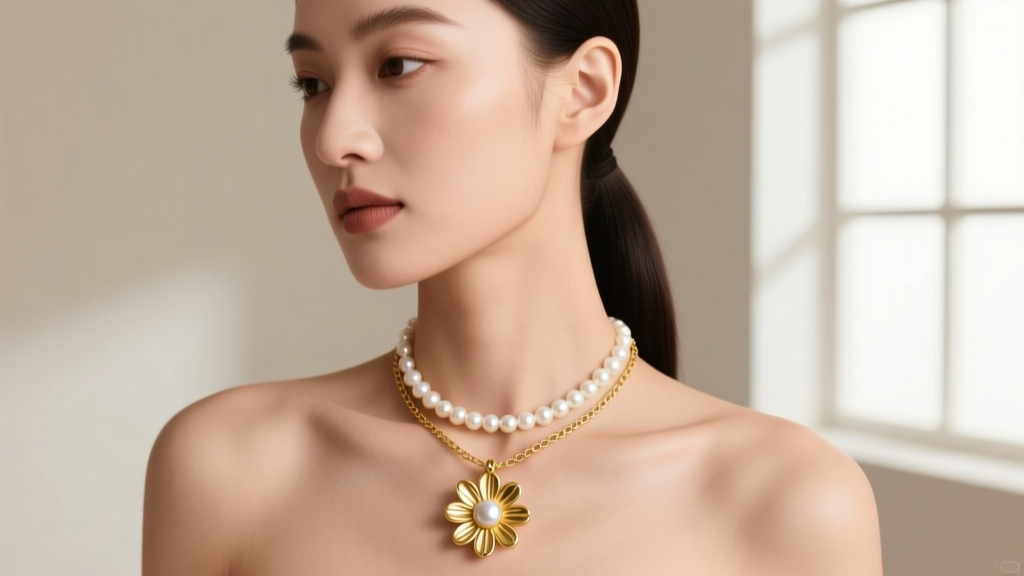
Pricing Tiers: What to Expect in 2026
Understanding the market landscape helps you identify fair pricing and avoid overpaying for subpar materials. Here is a breakdown of the current daisy flower necklace market tiers:
Expert Insight: When shopping in the demi-fine tier, always ask the retailer for the exact micron thickness of the gold plating. Anything under 1.0 microns will wear through to the base metal within six months of daily friction.
- Fashion / Costume ($20 - $60): Brass or copper base metals with cold enamel and cubic zirconia. Fun for seasonal wear, but lacks longevity and hypoallergenic properties.
- Demi-Fine ($80 - $250): Sterling silver bases with heavy gold vermeil (2.5+ microns) or rhodium plating. Often features lab-grown sapphire or diamond accents. The sweet spot for trend-conscious buyers seeking decent durability.
- Fine Jewelry ($400 - $1,500+): Solid 14k or 18k gold, vitreous guilloché enamel, and natural or high-grade lab-grown diamonds. These pieces are crafted with precision casting, hand-polished petal edges, and secure soldered bails.
Care and Maintenance for Floral Jewelry
The intricate topography of a daisy flower necklace—complete with petal grooves, central settings, and hidden crevices—makes it a magnet for lotions, perfumes, and dead skin cells. Proper maintenance is non-negotiable.
According to the Jewelers of America, the safest way to clean intricate floral jewelry at home is by using a solution of warm water and a few drops of mild, phosphate-free dish soap. Soak the necklace for 15 minutes to loosen debris, then gently agitate the crevices with a brand-new, ultra-soft baby toothbrush. Rinse thoroughly under lukewarm water and pat dry with a lint-free microfiber cloth.
Crucial Warning: Never place an enameled daisy necklace in an ultrasonic cleaner. The high-frequency sound waves create microscopic cavitation bubbles that can easily shatter vitreous enamel, loosen gemstone adhesives, and fracture delicate metalwork. Similarly, the Gemological Institute of America (GIA) advises against using harsh chemical dips or silver polishing cloths on oxidized or enameled pieces, as the abrasives will strip the intentional patinas and cloud the glass enamel. Store your daisy necklace flat in a soft pouch to prevent the petals from being scratched by harder gemstones in your jewelry box.


