Bone Beaded Necklace Value Guide: Pricing, Quality & Ethics
Discover the true value of a bone beaded necklace. We break down pricing tiers, ethical sourcing, material grades, and how to spot fakes.

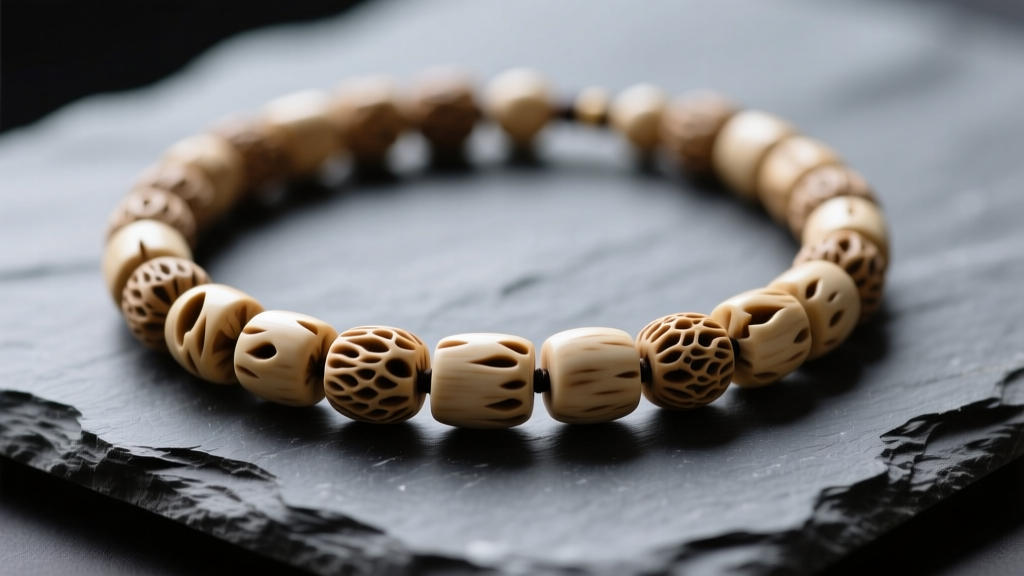
The organic, earthy appeal of a bone beaded necklace has made it a staple in bohemian, tribal, and contemporary minimalist jewelry collections. However, as the demand for natural materials grows, so does the market's saturation with synthetic imitations, unethically sourced alternatives, and poorly constructed pieces. For the discerning buyer, assessing the true value of bone jewelry requires looking far beyond the price tag. It demands an understanding of material science, ethical supply chains, and artisan craftsmanship.
As we navigate the jewelry market in 2026, transparency is more critical than ever. This comprehensive value assessment guide will help you determine whether a bone beaded necklace is a genuine, ethically sound investment or an overpriced piece of plastic masquerading as organic art.
The Economics of Bone Jewelry: Pricing Tiers Breakdown
Not all bone beads are created equal. The price of a bone beaded necklace is dictated by the origin of the material, the method of carving, and the quality of the stringing hardware. Below is a structured breakdown of what you should expect to pay across different market tiers.
| Market Tier | Price Range | Characteristics & Craftsmanship | Value Rating |
|---|---|---|---|
| Mass-Produced / Fast Fashion | $10 - $25 | Machine-tumbled, heavily bleached, often strung on cheap elastic or low-grade cotton. High risk of synthetic blends. | Poor |
| Artisan / Hand-Carved | $40 - $120 | Hand-carved heishi or chunky beads, natural variations in color, strung on durable nylon or silk with sterling silver clasps. | Excellent |
| Designer / Antique | $150 - $500+ | Historical provenance, intricate scrimshaw or relief carving, paired with high-karat gold or precious gemstone accents. | Collector Grade |
When evaluating a piece in the $40 to $120 range, you are paying for human labor. Hand-carved bone beads, particularly traditional heishi beads which are ground and polished individually, require hours of meticulous work. If a necklace features perfectly uniform, flawlessly white beads for under $20, you are likely looking at machine-pressed resin or heavily chemically treated low-grade bone.
Material Science: Real Bone vs. Synthetic Fakes
The most common imitation of a bone beaded necklace is crafted from polymer clay, polyurethane resin, or compressed bone dust mixed with epoxy. Distinguishing genuine bone from these synthetics is essential for accurate value assessment.
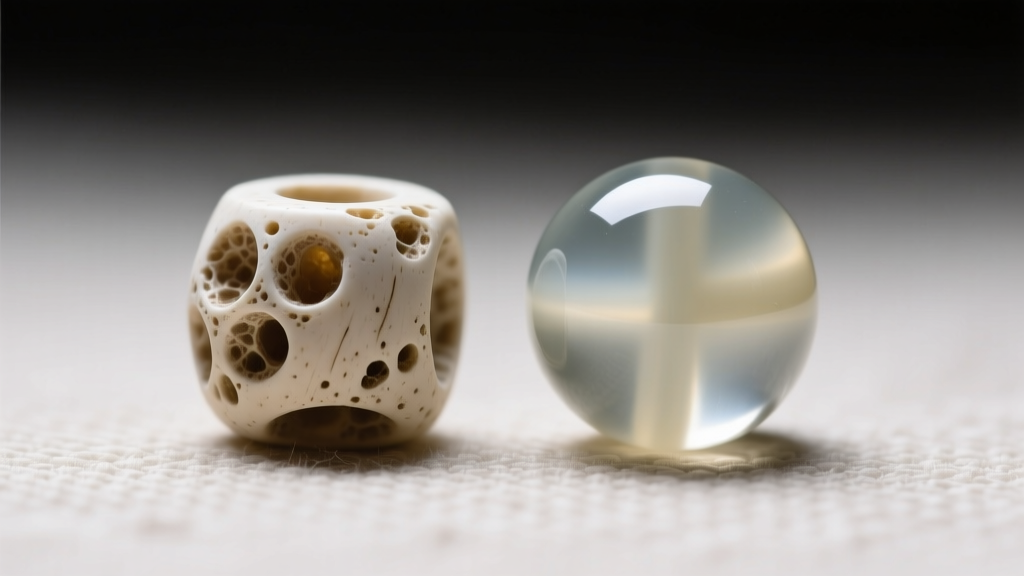
Visual and Tactile Diagnostics
Genuine bone is a living tissue that leaves behind a distinct microscopic footprint. Under a 10x jeweler's loupe, real bone will reveal Haversian canals—tiny, irregular pores and longitudinal channels that once carried blood vessels. Synthetic beads will appear entirely uniform, lacking these natural striations, or will feature artificially stamped 'pores' that look too perfectly spaced.
Tactilely, bone has a higher specific gravity (approximately 1.7 to 1.8) compared to most resins (1.1 to 1.2). A genuine bone beaded necklace will feel noticeably heavier and denser in the hand. Furthermore, bone is thermally conductive; it will feel cool to the touch when first picked up and will warm slowly against the skin, whereas plastic and resin warm almost instantly.
The Hot Pin Test
If you are evaluating a vintage piece or a bead from a broken strand, the hot pin test remains the gold standard for authentication. Heat a sewing needle until it is red-hot and press it into an inconspicuous area of the bead. Genuine bone will resist the pin and emit a faint smell reminiscent of burning hair or calcium. Synthetic resin or plastic will melt easily, leaving a permanent mark and releasing an acrid, chemical odor.
Ethical Sourcing: The Hidden Cost of Value
A critical component of assessing a bone beaded necklace is understanding its origin. The ethical jewelry movement has heavily scrutinized organic materials, and bone is no exception. The value of a piece is intrinsically tied to its compliance with international wildlife protection laws.
Navigating Byproduct Regulations
The vast majority of commercial bone beads on the legitimate market are sourced from the water buffalo (Bubalus bubalis) in India and Indonesia, or from domestic cattle in Western markets. In these cases, the bone is a byproduct of the agricultural and meat industries, meaning no animal is killed solely for its skeletal material. Reputable jewelers will explicitly state the species and origin of their bone.
Conversely, the illegal trade in endangered species' bones and ivory remains a black-market issue. The Convention on International Trade in Endangered Species of Wild Fauna and Flora (CITES) strictly prohibits the trade of elephant ivory, rhino horn, and the bone of various protected marine and terrestrial species. If a seller cannot verify the species origin of a white, heavily grained bead, walk away. The financial and legal risks far outweigh the aesthetic appeal.
"Organic gem materials, including bone and horn, require strict chain-of-custody documentation to ensure they do not violate international conservation treaties." — Gemological Institute of America (GIA)
The Bleaching Process
Ethical sourcing also extends to environmental impact. Naturally, bone is an off-white, cream, or mottled brown color. To achieve stark white beads, manufacturers use bleaching agents. High-value, artisan brands use mild, eco-friendly hydrogen peroxide baths. Low-value, mass-produced beads are often treated with harsh chlorine bleaches that degrade the bone's structural integrity, making it brittle and prone to cracking over time.
Construction and Hardware Value
A bone beaded necklace is only as valuable as its weakest link. The stringing material and clasp hardware drastically affect both the longevity and the resale value of the piece.
- Stringing Material: Bone beads have rough, unpolished drill holes that can act like tiny saws. Cheap cotton thread or elastic will fray and snap within months. High-value necklaces are strung on multi-strand braided nylon (like WildFire or PowerPro) or heavy-duty silk, often with French wire or bead tips protecting the knot work.
- Clasps and Findings: Mass-produced necklaces utilize base-metal lobster clasps that tarnish and cause skin irritation. A true investment piece will feature solid sterling silver, gold-filled, or solid 14k gold hardware. Magnetic clasps, while convenient, are generally avoided in high-end organic jewelry due to the risk of accidental unclasping and the heavy weight of bone beads.
Long-Term Maintenance and Preservation
Unlike glass or metal, bone is highly porous. It absorbs environmental moisture, skin oils, perfumes, and lotions. Over time, an untreated bone beaded necklace will accumulate grime in its microscopic channels, leading to a dull, grayish-yellow patina and potential odor retention.
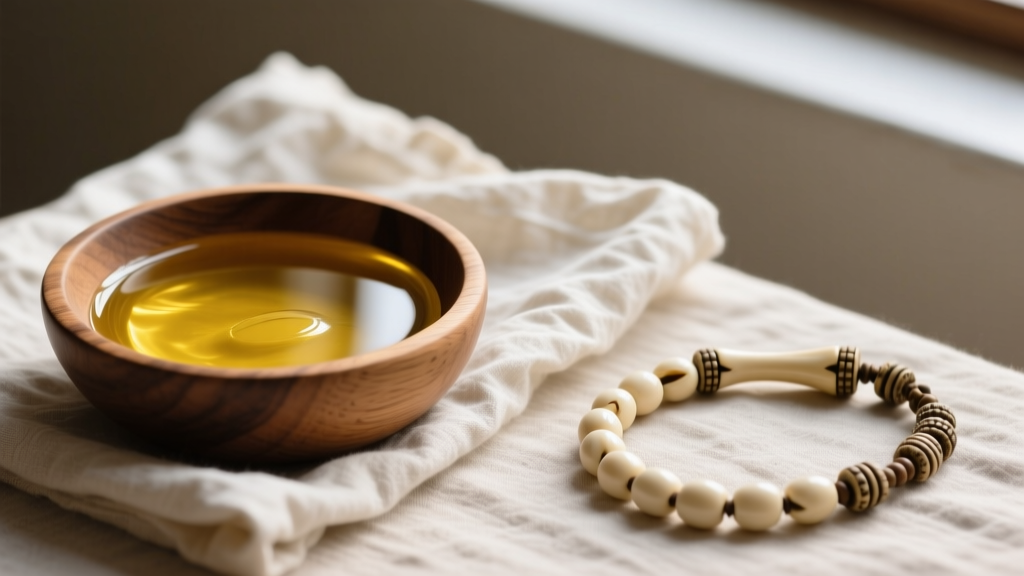
To preserve the value and structural integrity of your necklace, follow these strict maintenance protocols:
- Hydration: Once every six months, lightly rub the beads with pure jojoba oil or food-grade mineral oil. This prevents the bone from drying out, cracking, and splintering. Avoid olive or vegetable oils, which can turn rancid and sour over time.
- Cleaning: Never use ultrasonic cleaners, steamers, or harsh chemical dips. Wipe the beads gently with a slightly damp microfiber cloth and dry them immediately.
- Storage: Store the necklace in a breathable cotton pouch. Sealing bone in airtight plastic bags can trap ambient humidity, encouraging mold growth within the porous material.
Final Verdict: Assessing Your Investment
A bone beaded necklace can be a deeply meaningful, texturally rich addition to any jewelry wardrobe, provided it is vetted correctly. When you pay between $40 and $120 for a hand-carved, ethically sourced water buffalo bone necklace strung on braided nylon with sterling silver findings, you are securing excellent value. You are compensating artisan labor, supporting sustainable agricultural byproducts, and acquiring a durable, biodegradable piece of wearable art.
However, if the price seems too good to be true, the beads are suspiciously uniform, or the seller cannot provide basic material provenance, you are likely overpaying for synthetic resin. By applying the visual, tactile, and ethical frameworks outlined in this guide, you can confidently navigate the market and invest only in pieces that offer genuine, enduring value.


