Past Present Future Necklace Guide: Stones, Settings & Metals
Discover how to choose the perfect past present future necklace. Our expert guide covers stone ratios, metal grades, settings, and pricing tiers.

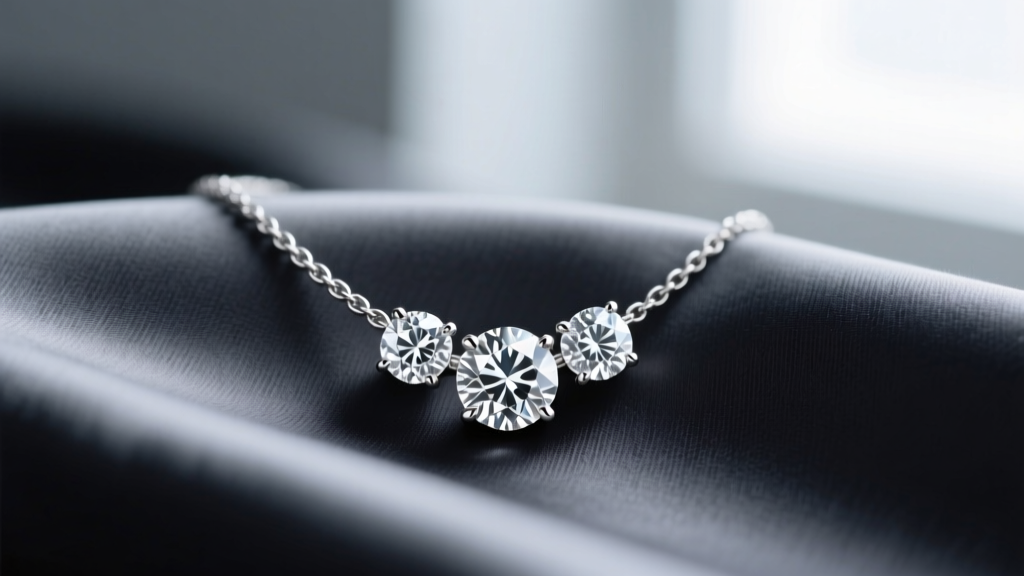
The Anatomy of a Past Present Future Necklace
The past present future necklace, often referred to as a trilogy or three-stone pendant, is a masterclass in symbolic jewelry design. Representing the timeline of a relationship or a personal journey, the three stones carry profound emotional weight. However, from a gemological and structural perspective, designing or purchasing a trilogy necklace requires far more consideration than a single-stone solitaire. The visual balance, light performance, and structural integrity of three interconnected stones demand precise craftsmanship.
In 2026, buyers are moving away from rigid, traditional templates and embracing customized stone ratios and mixed-gemstone layouts. Whether you are marking a milestone anniversary, celebrating a graduation, or investing in a heritage piece, understanding the structural anatomy of this necklace style is critical to making a purchase that endures both physically and stylistically.
Stone Selection and Sizing Ratios
The most defining characteristic of a past present future necklace is the proportional relationship between the three stones. The ratio you choose dictates the pendant's overall silhouette, how it lays against the collarbone, and its visual weight.
| Ratio Style | Carat Weight Example (TW) | Visual Effect | Best For |
|---|---|---|---|
| Equal (1:1:1) | 0.50ct - 0.50ct - 0.50ct | Symmetrical, modern, and balanced. Lays flat and wide. | Minimalist aesthetics and uniform sparkle. |
| Graduated (1:2:1) | 0.50ct - 1.00ct - 0.50ct | Classic focal point. Draws the eye to the center stone. | Traditional milestones and engagement-style pendants. |
| Slight Graduation (2:3:2) | 0.40ct - 0.60ct - 0.40ct | Subtle, organic flow. Less stark than a 1:2:1 ratio. | Everyday wear and layered necklace stacks. |
The Critical Rule of Color Matching
When dealing with multiple stones in a single setting, color matching is paramount. According to the Gemological Institute of America (GIA), the human eye is highly sensitive to color disparities when stones are placed in close proximity. If your center stone is a G color, your side stones should not drop below an H color. A variance of more than one color grade will result in the side stones looking visibly yellow or brown compared to the center stone, destroying the cohesive 'icy' or 'warm' effect of the pendant. Always request that the jeweler physically match the stones under both daylight-equivalent and warm jewelry-store lighting before setting.
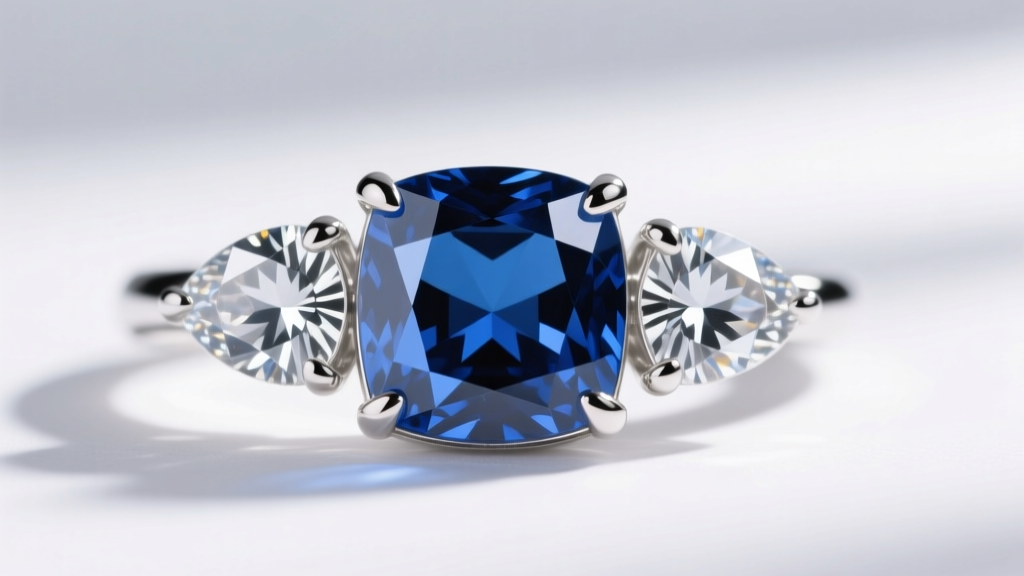
Metal Choices: Durability and Color Matching
The metal chosen for the pendant setting and the chain must support the weight of the stones while resisting daily wear. A three-stone pendant, especially one exceeding 2.00 total carats, requires a robust structural foundation.
Platinum 950 vs. Karat Gold
- Platinum 950: The gold standard for trilogy settings. It is 95% pure platinum, naturally white (meaning it will never require rhodium plating), and highly durable. When scratched, platinum displaces rather than flakes away, making it ideal for securing expensive diamonds. It is heavier and more expensive, but offers unmatched longevity.
- 18K Gold (75% Gold): Offers a richer, deeper yellow or warmer rose hue compared to 14K. However, it is softer. If you choose 18K gold for a past present future necklace, ensure the prongs are thick and regularly inspected, as the metal can wear down over decades of friction.
- 14K Gold (58.5% Gold): The most practical choice for active lifestyles. The higher alloy content (mixed with copper, zinc, or nickel) makes 14K gold highly resistant to scratching and bending. It is the standard for durable, mid-range fine jewelry.
Setting Styles and Chain Pairings
The way the stones are held in place affects both the security of the gems and the amount of light that can enter the pavilion (the bottom of the stone). Furthermore, the chain must be perfectly matched to the pendant's bail and weight.
Setting Types
Shared Prong: In this setting, adjacent stones share a set of prongs. This minimizes the amount of visible metal, maximizing the continuous sparkle of the three stones. However, shared prongs require precise stone sizing and can be more difficult to resize or repair if a prong catches and bends.
Bezel: Each stone is encircled by a thin rim of metal. A bezel-set past present future necklace offers a sleek, modern aesthetic and is entirely snag-free. This is the ultimate choice for medical professionals, athletes, or anyone who works with their hands. The trade-off is a slight reduction in light entry, which can make the stones appear slightly darker if not cut to ideal proportions.
Tension: The stones appear to float, held in place by the compressive force of the metal. While visually striking, tension settings in trilogy pendants are rare and require extremely hard metals (like platinum or specially hardened titanium) to maintain structural integrity over time.
Chain Gauge and Clasp Mechanics
A common failure point in necklace ownership is pairing a heavy pendant with a flimsy chain. For a trilogy pendant weighing between 3 and 6 grams (excluding stones), avoid delicate cable or snake chains, which are prone to kinking and snapping. Instead, opt for a 1.2mm to 1.5mm Box Chain or a Wheat Chain. Both feature interlocking geometric links that distribute weight evenly and resist tangling. Always ensure the chain is finished with a sturdy lobster clasp rather than a spring-ring clasp, which can easily fail under the pendulum-like motion of a heavy pendant.

Pricing Tiers and the 2026 Market Landscape
The pricing of a past present future necklace is heavily influenced by the origin of the stones. The stabilization of the lab-grown diamond market in 2026 has drastically shifted purchasing power, allowing buyers to acquire significantly larger carat weights without compromising on cut quality or color.
Expert Insight: When purchasing a lab-grown trilogy necklace, always verify that the stones come with a reliable grading report (such as IGI or GIA). Some manufacturers mix CVD (Chemical Vapor Deposition) and HPHT (High Pressure High Temperature) stones in a single setting. While visually similar, they can react differently to future jewelry repairs involving high-heat lasers or torches.
Expected Price Ranges (USD)
- Entry-Level ($600 - $1,500): Lab-grown diamonds, 1.00ct to 1.50ct Total Weight (TW), VS clarity, F-G color, set in 14K gold with a standard box chain.
- Mid-Tier ($2,500 - $5,500): High-quality lab-grown or entry-level natural diamonds, 2.00ct to 3.00ct TW, VVS-VS clarity, D-F color, set in 18K gold or Platinum 950.
- Luxury / Investment ($8,000 - $25,000+): Natural, earth-mined diamonds, 3.00ct+ TW, flawless to VVS clarity, D color, ideal cut, set in a custom-forged Platinum 950 setting with a premium wheat chain.
Certification, Hallmarks, and Consumer Protection
Never purchase a multi-stone diamond necklace without proper documentation. The Jewelers of America strongly advises consumers to demand independent laboratory grading reports for the center stone, and ideally, a master report that details the matching criteria of the side stones. For the metal, look for legally mandated hallmarks: 'PT950' for platinum, '750' or '18K' for 18-karat gold, and '585' or '14K' for 14-karat gold. Additionally, the maker's mark (the jeweler's registered trademark stamp) should be present near the clasp or on the pendant bail, ensuring accountability for the craftsmanship.
Final Pre-Purchase Checklist
Before finalizing your investment in a past present future necklace, run through this technical checklist to ensure you are getting a piece that meets the highest standards of fine jewelry manufacturing:
- Visual Symmetry: Do the side stones match perfectly in size, shape, and color when viewed face-up under natural light?
- Prong Security: Are the prongs smooth, rounded, and flush against the crown of the stones? Run a piece of silk fabric over the setting; if it snags, the prongs need polishing and reshaping.
- Bail Proportion: Is the bail (the loop connecting the pendant to the chain) wide enough to accommodate your preferred chain gauge without causing friction?
- Profile Height: Does the pendant sit too high off the chest? A well-designed trilogy setting will have a low-profile basket, keeping the stones close to the skin to prevent the pendant from constantly flipping upside down.
- Documentation: Do you have the grading reports, the metal hallmark verification, and a written warranty covering prong tightening and rhodium replating (if applicable)?
By prioritizing structural integrity, precise gemological matching, and appropriate metal choices, your past present future necklace will serve as a flawless, enduring symbol of your unique timeline.


