Buddha Necklace Guide: Meanings, Materials & Styling
Discover the meaning, best materials, and styling tips for your first Buddha necklace. Learn how to wear this spiritual pendant respectfully.

Understanding the Buddha Necklace: More Than Just Jewelry
For beginners stepping into the world of spiritual and symbolic jewelry, the buddha necklace stands out as one of the most recognizable and deeply meaningful pendants available. However, choosing the right piece goes far beyond picking a shiny metal or a pretty stone. A Buddha pendant is a representation of enlightenment, peace, and mindfulness. Whether you are drawn to it for its aesthetic elegance, its cultural significance, or as a personal talisman for grounding, understanding the nuances of material, symbolism, and wearing etiquette is essential. This comprehensive guide will walk you through everything you need to know to select, style, and respect your first Buddha necklace.
Decoding the Poses: What Your Buddha Pendant Means
Before selecting a metal or chain, it is crucial to understand the specific depiction of the Buddha on your pendant. In Buddhist art, the physical postures and hand gestures—known as mudras—convey specific teachings and states of being. According to historical archives like the Britannica guide on Buddhism, these symbols have been preserved for millennia.
The Three Most Common Pendant Depictions
- Bhumisparsha (Earth Witness): The Buddha sits with his right hand touching the ground. This represents the moment of his enlightenment, calling the earth to witness his triumph over illusion and temptation. It is ideal for those seeking grounding and truth.
- Dhyana (Meditation): Both hands rest in the lap, palms facing upward. This mudra symbolizes deep meditation, inner peace, and spiritual perfection. It is a popular choice for meditation practitioners and those seeking mental clarity.
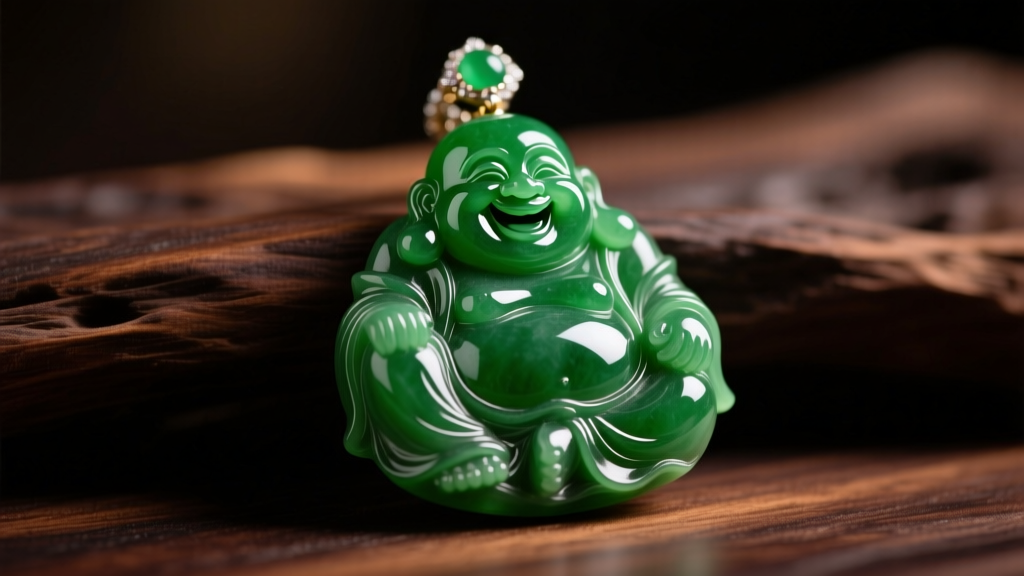
- Budai (The Laughing Buddha): Often mistaken for the historical Buddha (Siddhartha Gautama), Budai is actually a 10th-century Chinese Zen monk. Depicted with a large belly and a wide smile, he represents abundance, contentment, and joy. This is the most common figure in commercial jewelry and Feng Shui practices.
Material Science: Choosing Your Pendant
The material of your Buddha necklace dictates not only its price and durability but also its energetic properties and maintenance requirements. Here is a deep dive into the most common materials used for these pendants.
Jade: The Traditional Standard
Jade is inextricably linked to Eastern spiritual jewelry. However, not all jade is created equal. The Gemological Institute of America (GIA) categorizes jade into two distinct minerals: Nephrite (calcium and magnesium-rich, softer, more common) and Jadeite (sodium and aluminum-rich, harder, more valuable). Furthermore, jade is graded by treatment:
- Type A: 100% natural, untreated jade. The only acceptable choice for fine jewelry and spiritual purity.
- Type B: Bleached and polymer-impregnated to remove brown spots. Over time, the polymer yellows and degrades.
- Type C: Dyed to enhance color. The dye fades with exposure to sunlight and skin oils.
Expert Tip: Always ask for a certificate of authenticity if purchasing a high-end Jadeite Buddha pendant to ensure it is Type A.
Precious Metals and Organic Woods
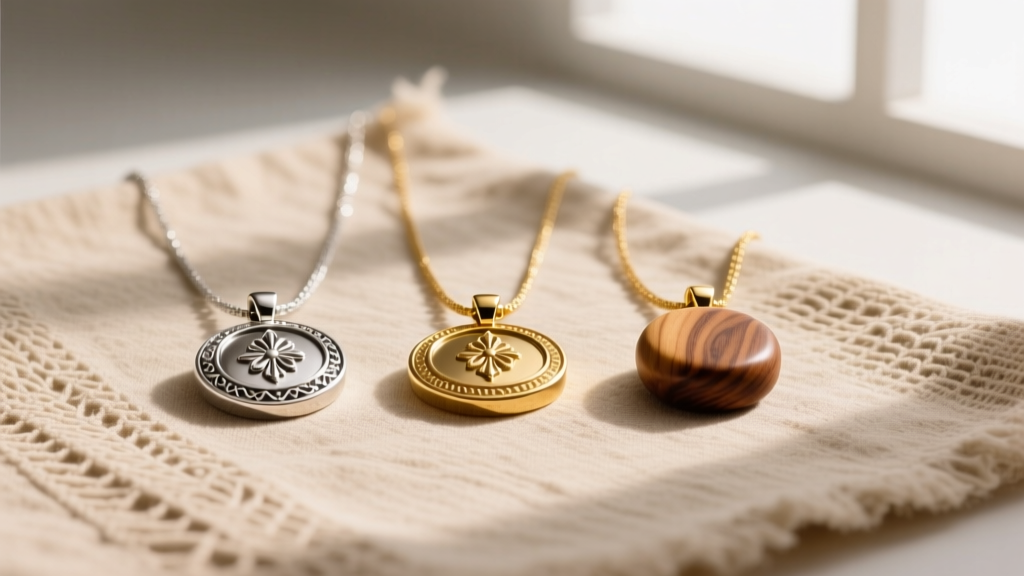
If jade isn't your preference, precious metals and carved woods offer excellent alternatives. Sterling silver (925) provides a cool, reflective surface that highlights intricate cast details, though it requires occasional polishing to prevent tarnish. 14k or 18k gold offers superior tarnish resistance and warmth. On the organic side, Sandalwood (Santalum album) is highly prized. Its natural oils react with your body heat, releasing a subtle, calming fragrance that darkens and enriches the wood's patina over years of wear.
Material Comparison Chart
| Material | Mohs Hardness | Maintenance Level | Best Chain Pairing | Avg. Price Range |
|---|---|---|---|---|
| Type A Jadeite | 6.5 - 7.0 | Low (Avoid harsh chemicals) | Silk Cord or 18k Gold | $150 - $5,000+ |
| Sterling Silver (925) | 2.5 - 3.0 | Medium (Requires polishing) | Silver Box or Rope Chain | $40 - $120 |
| 14k Yellow Gold | 3.5 - 4.0 | Low (Warm soap & water) | 14k Gold Cable Chain | $250 - $800 |
| Sandalwood | 1.0 - 1.5 | High (Keep dry, avoid sweat) | Cotton or Hemp Cord | $20 - $60 |
The Mechanics of Pairing: Chains, Cords, and Bails
A common beginner mistake is pairing a heavy, oversized Buddha pendant with a flimsy chain, leading to breakage. The connection point—the bail (the loop at the top of the pendant)—dictates your chain choice.
The 1mm Clearance Rule
When measuring the inner diameter of your pendant's bail, your chain or cord must be at least 1mm thinner than the bail opening. For example, if the bail has an inner diameter of 4mm, a 3.5mm chain will technically fit, but the constant friction will wear down both the chain and the bail over time. A 2.5mm to 3mm cord is the ideal choice for a 4mm bail, allowing the pendant to lay flat and move freely.
Cord vs. Chain
For stone and wood pendants (like Jade or Sandalwood), a hand-knotted silk or nylon cord is traditionally preferred. The knots between beads or along the cord provide flexibility and prevent the hard stone from grinding against metal. For cast metal Buddha pendants, a rope chain or box chain in a matching metal alloy provides the necessary tensile strength to support the pendant's weight without kinking.
Cultural Etiquette: Wearing Your Necklace with Respect
Because the Buddha is a revered religious figure, wearing his image requires a baseline of cultural respect, particularly when traveling in Southeast Asian countries like Thailand, Cambodia, or Sri Lanka.
"In Buddhist cultures, the head is considered the most sacred part of the body, while the feet are the lowest and most profane. Therefore, any image of the Buddha must be kept elevated and treated with reverence."
Practical Rules for Daily Wear
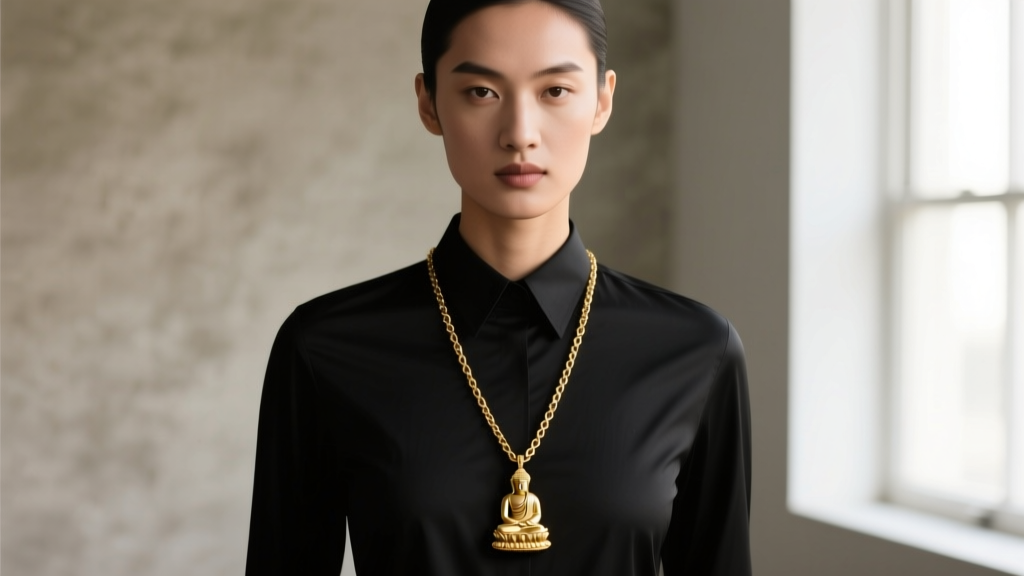
- Above the Waist: Your Buddha necklace should always rest at the chest or collarbone level (typically a 20-inch to 24-inch chain). Never wear a Buddha pendant on a belly chain or anklet.
- Intimate and Unholy Spaces: It is customary to remove your necklace before engaging in intimate sexual activities, entering a bathroom, or sleeping.
- Physical Exertion: Remove porous pendants (like sandalwood or untreated nephrite) before hitting the gym. The acidic nature of heavy sweat can degrade organic woods and dull the polish of softer stones.
2026 Market Pricing: What Should You Pay?
Understanding the current market landscape helps you avoid overpaying for mass-produced tourist trinkets or underpaying for suspiciously cheap "jade." Here is a realistic pricing framework for authentic Buddha necklaces in today's market:
- Budget Tier ($20 - $60): Expect carved sandalwood, rosewood, or sterling silver-plated brass. Jade in this range is almost certainly Nephrite or treated Type B/C Jadeite. Suitable for casual, everyday wear but lacks long-term heirloom value.
- Mid-Range Tier ($100 - $350): Solid 925 sterling silver with high-detail casting, or genuine Type A Nephrite jade with 14k gold-filled bails. This is the sweet spot for beginners seeking quality, durability, and authentic materials without luxury markups.
- Luxury Tier ($500 - $5,000+): Solid 14k/18k gold cast pendants, or certified Type A Imperial Jadeite. These pieces are often hand-carved by master artisans and come with gemological lab reports. They serve as investment pieces and generational heirlooms.
Final Thoughts on Your Spiritual Jewelry Journey
Choosing a Buddha necklace is a deeply personal decision that bridges the gap between aesthetic adornment and spiritual mindfulness. By paying close attention to the specific mudra, verifying your material grades (especially when buying jade), and adhering to proper chain-to-bail ratios, you ensure your necklace is both physically durable and culturally respectful. Whether you opt for the grounding energy of a carved jade pendant or the warm elegance of a 14k gold casting, your Buddha necklace will serve as a lasting, daily reminder of peace, presence, and enlightenment.


